Russia launched the largest aerial attack on Ukraine of 2026 overnight Sunday, firing roughly 600 drones and 90 missiles at Kyiv and surrounding regions — and pulling out a weapon Moscow has used only twice before in three years of full-scale war: the hypersonic Oreshnik intermediate-range ballistic missile.
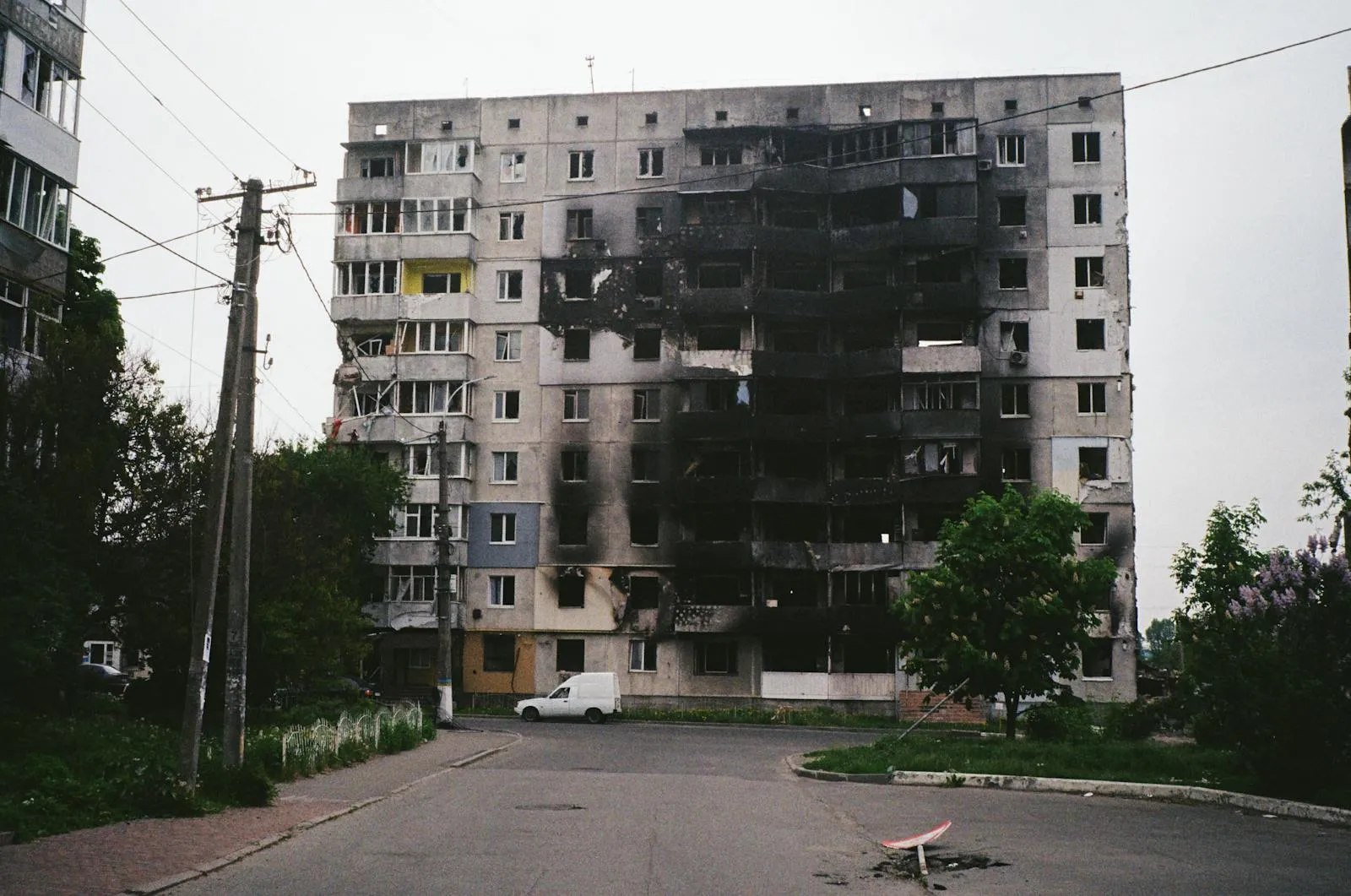
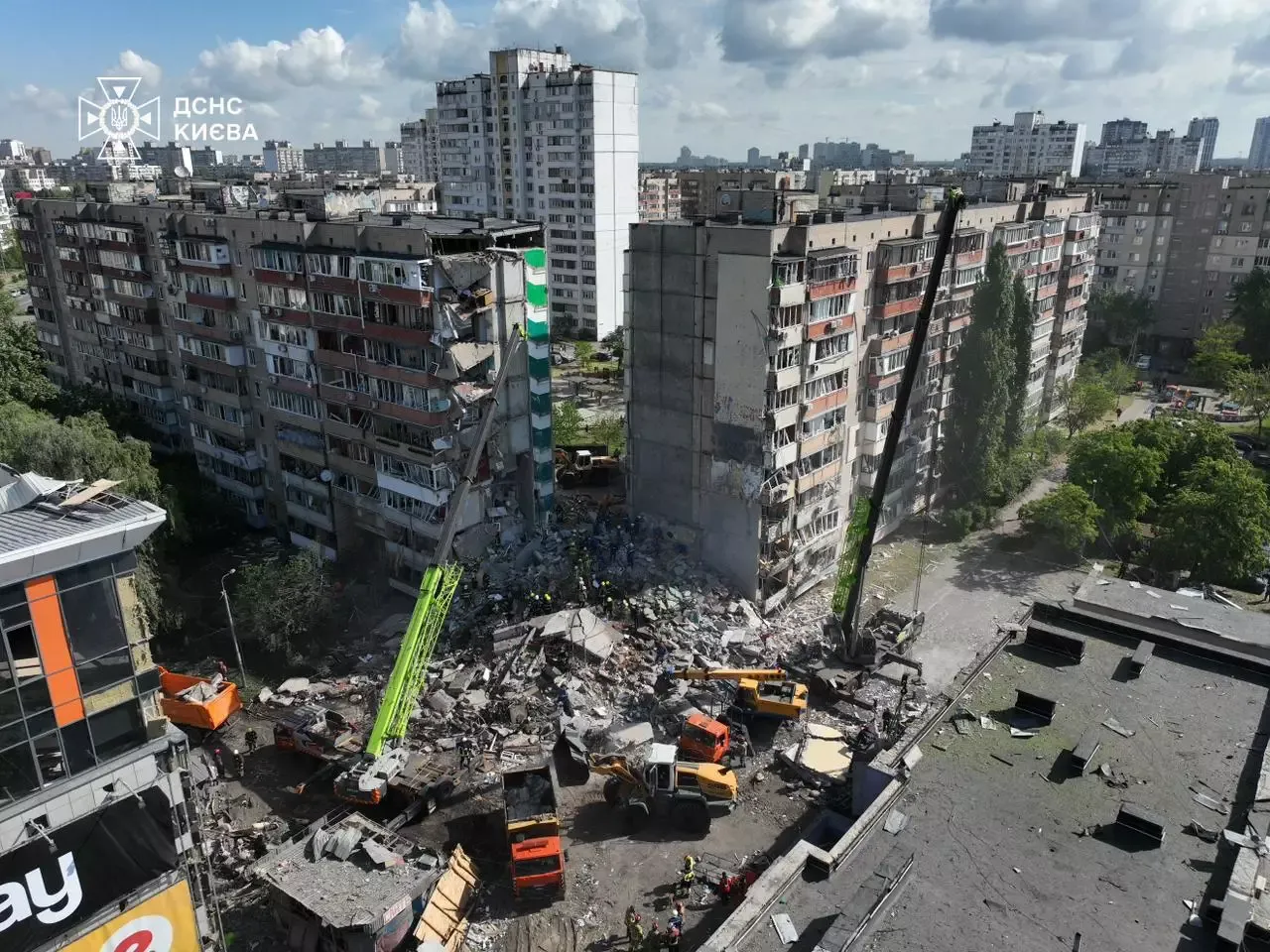
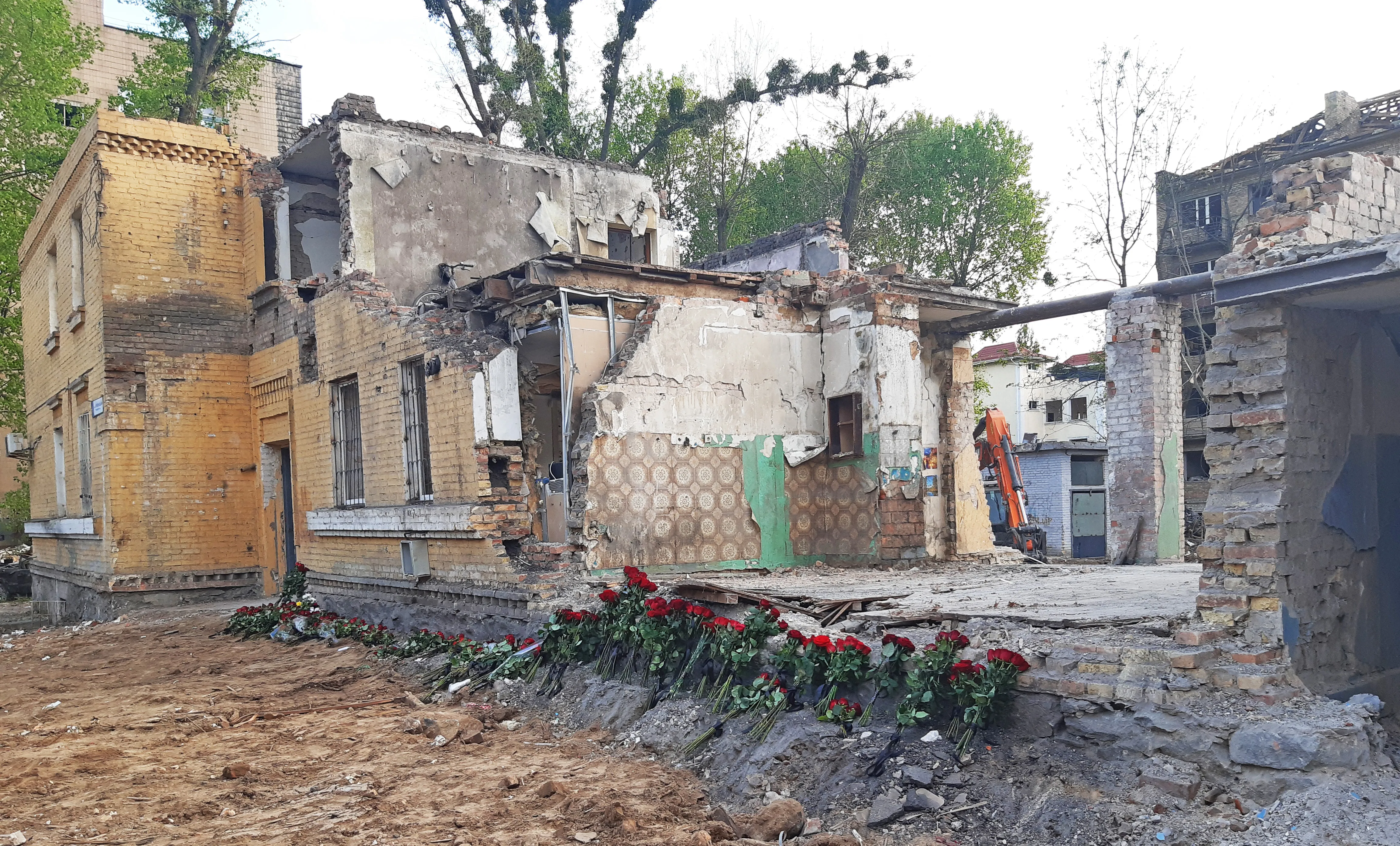
The Oreshnik struck Bila Tserkva, a city of about 200,000 roughly 50 miles south of the Ukrainian capital. Kyiv itself was hit across every one of its districts, Mayor Vitali Klitschko said Sunday morning, with about 30 residential buildings damaged or destroyed and minor damage reported at the cabinet building and the Foreign Ministry. At least four people were killed and more than 80 wounded across the capital and Kyiv region, according to Ukrainian officials, though casualty counts continued to rise through the day.
It was the third combat use of the Oreshnik in the war — and the first time Russian President Vladimir Putin has reached for the missile as deliberate retaliation rather than a one-off demonstration of capability. The targeting, the scale, and the timing all line up with Putin’s order on Friday to prepare a response to a Ukrainian drone strike that killed more than 20 people in occupied eastern Ukraine.
The Oreshnik strike
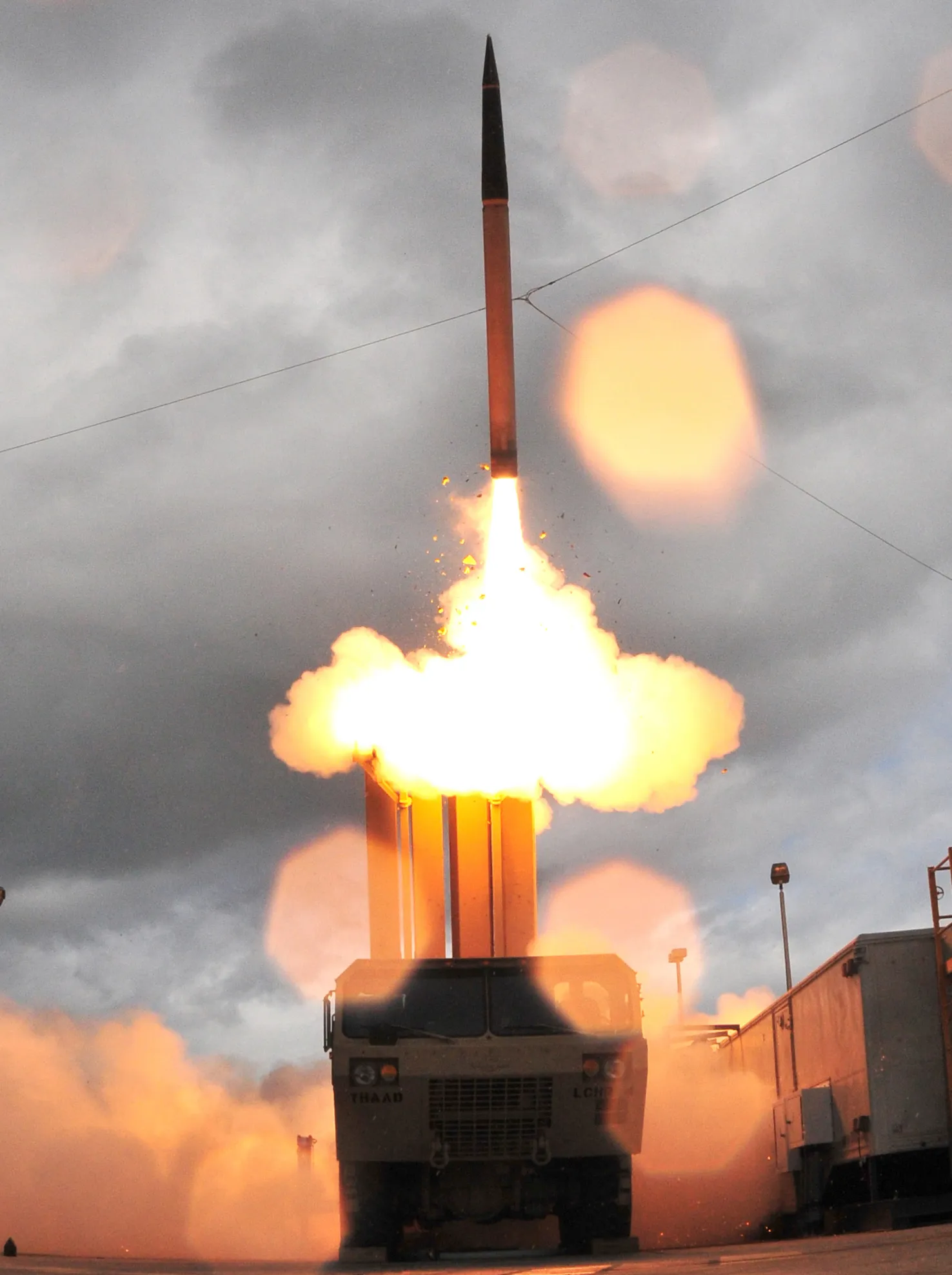
The Oreshnik — Russian for “hazel tree” — is an intermediate-range ballistic missile capable of carrying either conventional or nuclear warheads at speeds beyond Mach 10. It can deploy up to six independently targetable reentry vehicles, each carrying multiple sub-munitions, and Russian officials have publicly described it as nuclear-capable. None of its three combat uses in Ukraine have involved a nuclear payload.
Russia first fired the missile in November 2024 at Dnipro, an industrial city in central Ukraine. The second strike, in January 2026, hit infrastructure in Lviv near the Polish border. Sunday’s was the third. The choice of Bila Tserkva, deep in central Ukraine but far enough from Kyiv to avoid the densest part of Ukraine’s air defense umbrella, gave Russian commanders a target where the missile’s terminal speed and dispersed warheads could do maximum damage with minimum interception risk.
Zelenskyy had warned Ukrainians the strike was coming. Hours before the barrage, he posted that European and U.S. intelligence had picked up indicators of an imminent Oreshnik launch and that Ukrainians in central regions should expect “large strikes.” The warning gave residents in Bila Tserkva and the Kyiv suburbs a narrow window to reach shelters — a window that almost certainly saved lives, given that previous large barrages on Kyiv have killed dozens in residential apartment blocks.
After the strike, Zelenskyy was direct. “It’s important that this does not remain without consequences for Russia,” he wrote on Telegram. “Decisions are needed — from the United States, from Europe and others.”
Every district of Kyiv hit
Ukraine’s Air Force reported intercepting or suppressing 604 of the incoming weapons — 55 of the missiles and 549 of the drones. That leaves roughly 35 missiles and 50 drones that got through to their targets, a leakage rate Ukrainian air defense commanders have warned is unsustainable as Russia continues to scale up both its drone production and its missile inventory.
In Kyiv’s Solomianskyi district, a drone slammed into a 24-story residential tower, igniting a fire that spread across four and a half floors and reached the 19th. Seven residents were injured, one rescued by firefighters. Klitschko reported damage in the Dniprovskyi, Sviatoshynskyi, and Obolonskyi districts as well, and at least one strike on a school sparked a fire that left people trapped in a shelter. The cabinet building and the Foreign Ministry took minor damage — the second time in two weeks Russia has hit buildings within the Ukrainian government quarter.
The 80-plus wounded figure is preliminary. Several Ukrainian outlets put the injury count over 100 by Sunday evening as triage continued, and Klitschko said rescue and clearance operations would run into Monday. The barrage came nine days after a Russian strike on a Kyiv apartment block in the Darnytskyi district killed 24 people, including three children, in what was then the war’s biggest single overnight barrage. Sunday’s attack eclipsed it in scale.
Putin’s retaliation for Starobilsk
The chain that produced Sunday’s barrage began Friday, when a Ukrainian drone strike hit a building in Starobilsk, a city in Russian-occupied Luhansk. Russian and Russian-installed officials said the building was a dormitory at the Starobilsk College of Luhansk Pedagogical University and that the strike killed at least 21 people, most of them young women, with 42 wounded.
Ukraine’s General Staff said it had struck the headquarters of “Rubicon,” a Russian drone-warfare center, and that strikes had been conducted in “strict compliance with international humanitarian law.” Ukrainian Ambassador Andrii Melnyk told an emergency session of the UN Security Council that Ukraine “exclusively targeted the Russian war machine.”
Putin made his choice within hours. He directed the Russian Defense Ministry to prepare options for retaliation, framed the Starobilsk strike as a terrorist attack on civilians, and signed off on a strike package that emptied roughly a tenth of Russia’s known drone output for the week and pulled an Oreshnik off its launcher for only its third wartime firing.
Europe calls it nuclear brinkmanship
The Oreshnik’s use brought European officials out faster and harder than the rest of the barrage did. EU foreign policy chief Kaja Kallas wrote on X that “Moscow reportedly using Oreshnik intermediate-range ballistic missiles — systems designed to carry nuclear warheads — is a political scare-tactic and reckless nuclear-brinkmanship.” She said EU foreign ministers would meet next week to discuss tighter sanctions and diplomatic measures against Russia.
French President Emmanuel Macron called the strikes targeting civilians a sign of “the dead end of Russia’s war of aggression.” German Chancellor Friedrich Merz called the use of the Oreshnik a “reckless escalation” and reaffirmed Germany’s support for Ukraine.
The U.S. response was conspicuously quieter. Secretary of State Marco Rubio said earlier in the week that direct U.S.-Russia talks on Ukraine had been “unproductive” but that Washington reserved a mediator role. The White House did not issue a statement on Sunday’s strike before Ukrainian air-defense crews finished sweeping the wreckage. The administration’s emphasis through May has been on negotiating a phased ceasefire, a track that has produced one missed deadline after another since spring and that Russian commanders have so far treated as a window to escalate rather than a constraint on operations.
What changes now
Three concrete things shifted Sunday.
First, the threshold for using the Oreshnik has dropped. The first two uses — Dnipro in 2024 and Lviv in January — were spaced more than a year apart and accompanied by Russian rhetoric about capability demonstrations. The third use came less than five months after the second, in direct response to a Ukrainian strike on occupied territory rather than as a strategic message to NATO. That changes the West’s risk calculation: the Oreshnik is no longer reserved for set-piece moments.
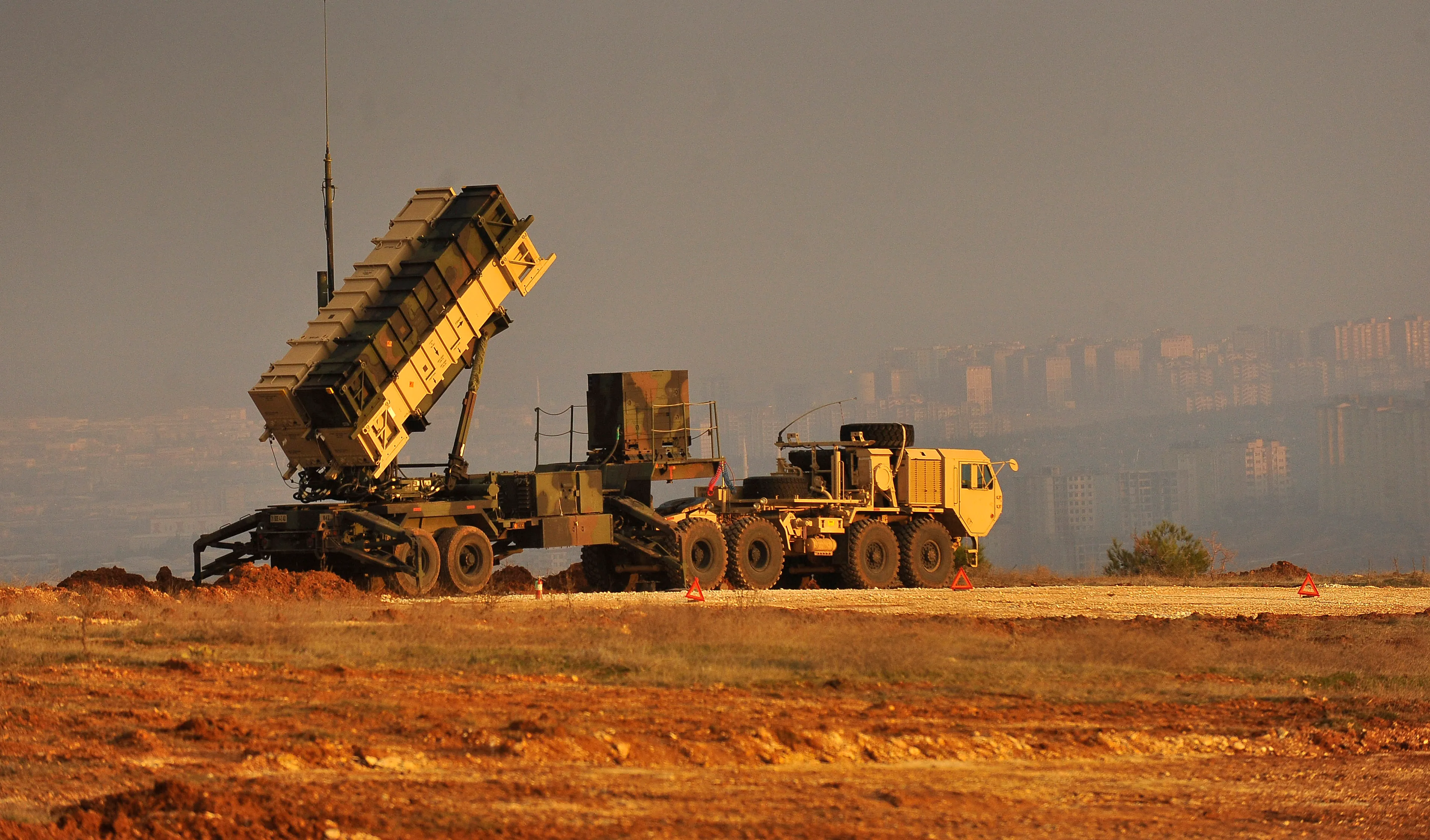
Second, Ukrainian air defenses now face a math problem that Western pledges from earlier in May haven’t yet solved. NATO allies committed to new Patriot batteries after the May 14–15 barrage that killed 24 in Kyiv, but the delivery timelines on those systems run into months. Ukraine’s interceptors held up against most of Sunday’s volume — but “most” is not enough when Russia can launch 600 drones in a single night.
Third, the EU’s foreign-ministers meeting next week now has an Oreshnik on the agenda. What had been a discussion about another sanctions package — the 22nd, by EU count — becomes a discussion about whether to tighten loopholes that have let Russian missile components keep flowing through third countries, and whether to back longer-range Ukrainian strike capabilities with explicit European political cover. Neither decision is a sure thing. Hungary has already used its veto power to slow EU support for Ukraine on the financial side, and the sanctions track has visibly diminishing returns.
What it does not do is end the war, accelerate a ceasefire, or compel Moscow to pull back. Russia’s strike Sunday answered Ukraine’s strike Friday with a weapon designed to terrify, and the response from Washington — the capital both Zelenskyy and Kallas pointed at by name — has so far been silence.
Sources 6 cited · 3 primary
- Russia uses hypersonic Oreshnik missile in mass attack on Kyiv
- 'Damage in every district of Kyiv' — Massive Russian ballistic missile, drone attack kills 4, injures 100
- Russia strikes Kyiv with ballistic missiles and drones: residential buildings hit
- EU's chief diplomat: Russia's use of Oreshnik missiles is a political scare tactic
- Macron, EU's Kallas condemn Russian attack on Ukraine with Oreshnik ballistic missile
- 'Massive' Russian missile barrage hits Kyiv after Putin orders retaliation for deadly Ukrainian attack
American Courant cites its sources and links to primary documents where they exist. How we report →