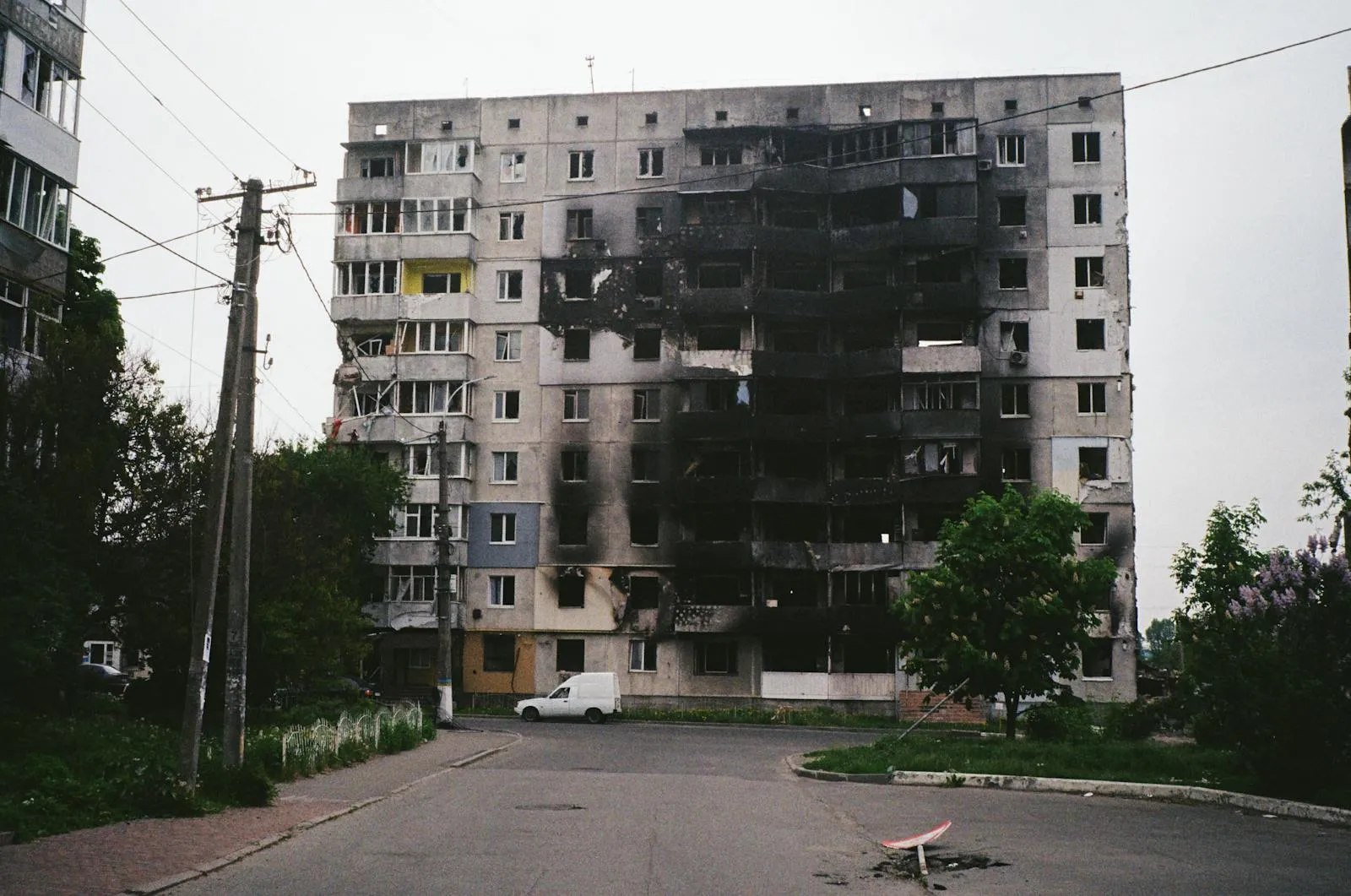
Russia launched one of the largest single-night aerial assaults of the war against Ukraine in the early hours of Tuesday, firing 73 missiles and 656 drones at Ukrainian cities in a nightlong bombardment that killed at least 14 people and wounded more than 100 others. The attack struck every district of Kyiv and devastated residential neighborhoods in Dnipro — arriving just days after Ukrainian President Volodymyr Zelensky sent President Trump an urgent letter warning that Ukraine’s air defense stockpiles are running dangerously short.
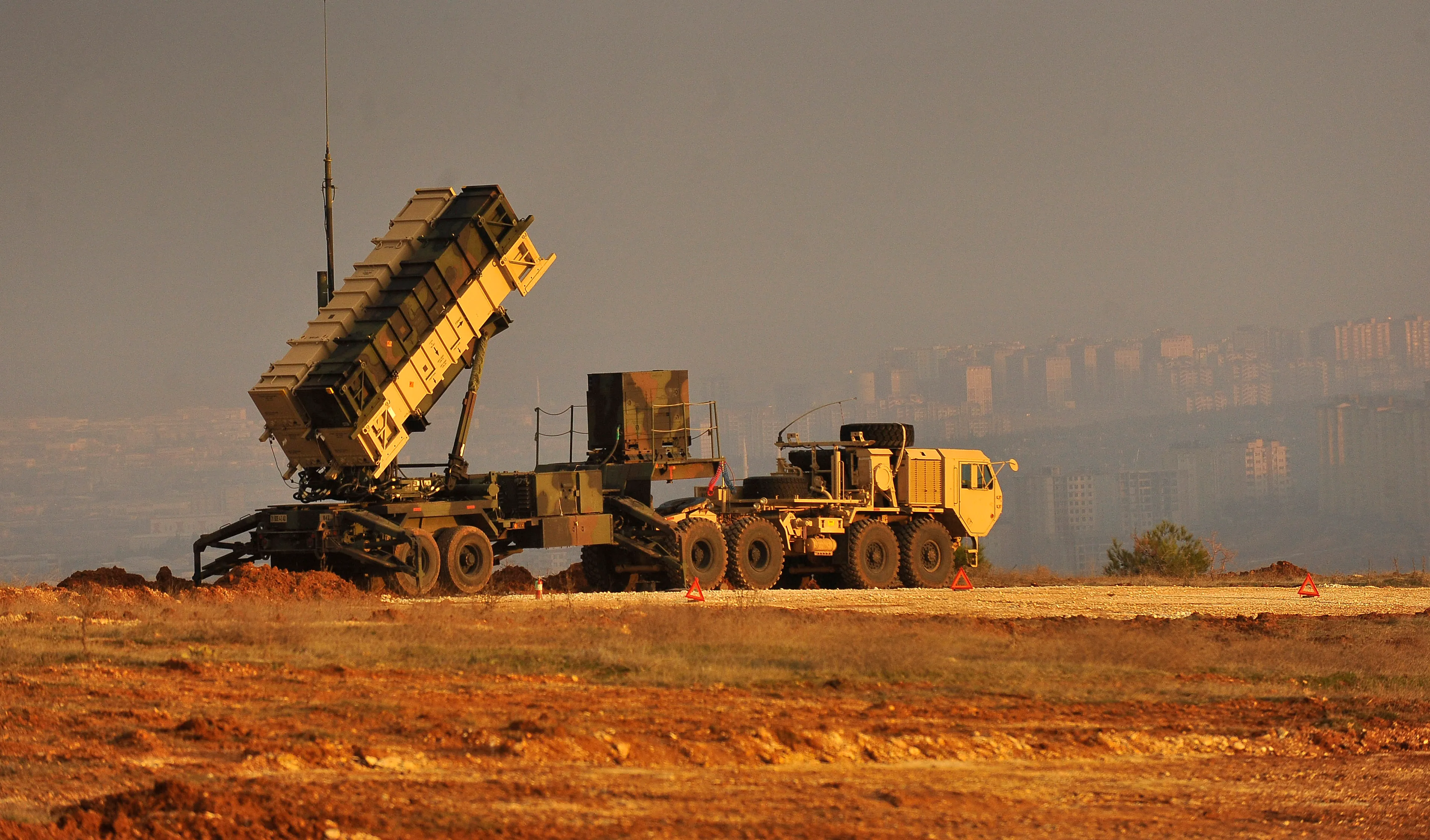
Ukrainian air defense crews worked through the night to intercept incoming fire, successfully stopping 40 missiles and 602 drones. But the projectiles that broke through hit apartment buildings, streets, and public infrastructure across eight regions of the country. What the interception numbers also revealed: the Patriot missile batteries keeping Ukraine’s cities alive are burning through their inventory faster than NATO can replenish it. Russia, Ukrainian officials say, is pressing that gap on purpose.
What Happened Overnight
The attack began late Monday and continued through dawn Tuesday, according to Ukraine’s Air Force, which tracked the full wave of 73 cruise, ballistic, and hypersonic missiles alongside 656 one-way attack drones. The campaign was executed in coordinated pulses — a tactic designed to overwhelm air defense radar and exhaust interceptor supply across multiple regions simultaneously.
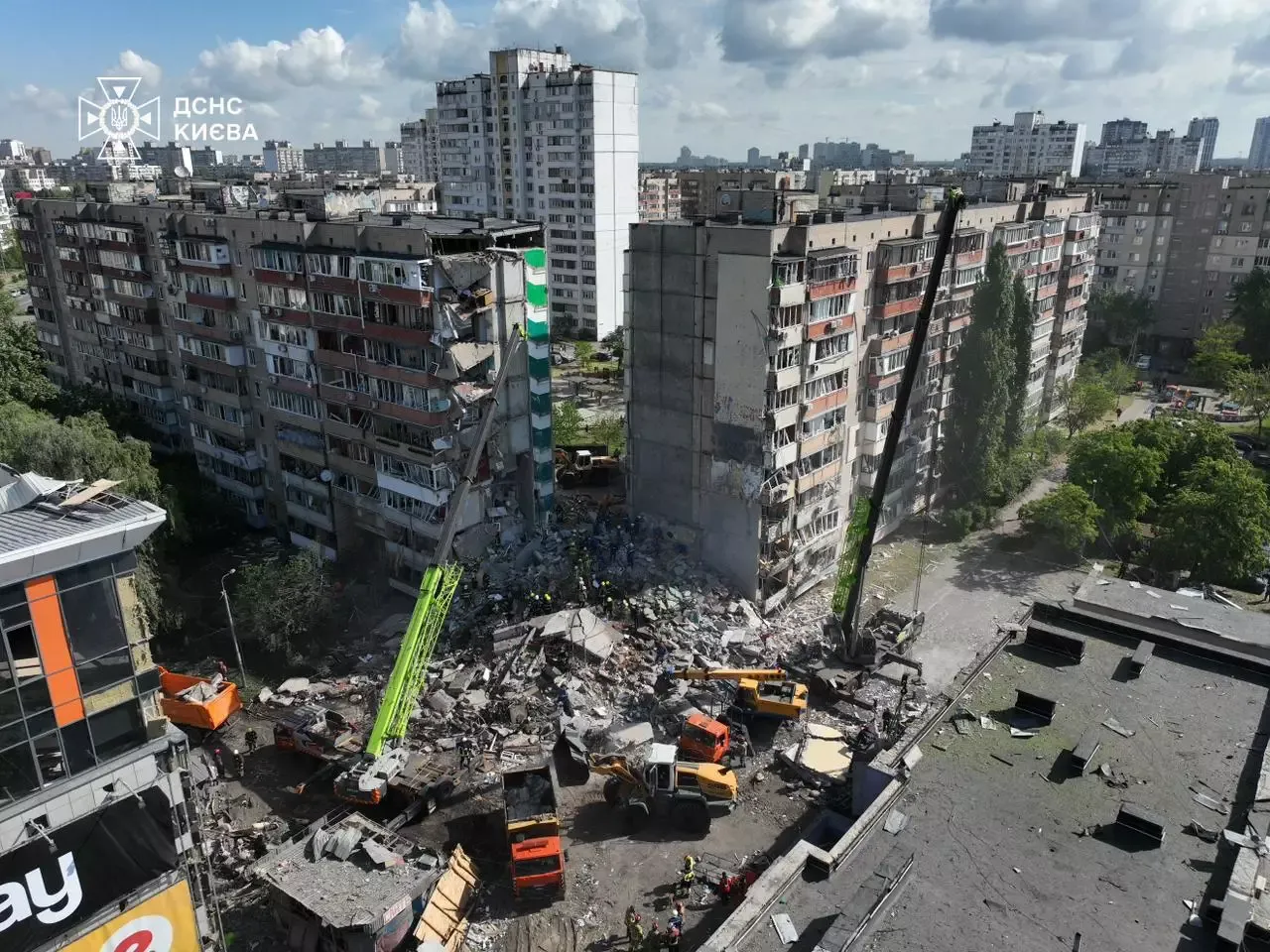
Kyiv Mayor Vitali Klitschko reported hits in all eight city districts, posting updates on Telegram through the predawn hours. Four people were killed in the capital and 65 others were injured, including three children. Emergency crews battled fires in residential neighborhoods and searched rubble well past daylight.
The city of Dnipro, in central Ukraine, absorbed the heaviest toll of the night. Eight people were killed and 36 were injured there, local officials confirmed. Video from the scene showed partially collapsed low-rise buildings with rescue workers sifting through concrete blocks in near-darkness, the kind of footage that has accompanied nearly every major Russian strike since the spring ceasefire collapsed without a prisoner swap or extension.
The cities of Poltava, Kharkiv, Zaporizhzhia, Khmelnytskyi, and Sumy were also struck. Russia’s Defense Ministry issued a statement claiming its forces targeted “military-industrial, fuel, and transport facilities and military bases” — the same language Moscow uses for every attack on Ukrainian civilian infrastructure.
The final death toll was still being established as of Tuesday morning. Casualty counts from major overnight barrages typically rise over 24 to 48 hours as rescuers reach trapped survivors, identify victims in rubble, and update totals from hospitals across multiple cities. Zelensky had warned publicly on Saturday that Ukrainian intelligence was tracking signs of an imminent large-scale attack.
Why Air Defenses Couldn’t Stop Everything
Ukraine’s air defense network is not failing — it is depleting. The distinction matters.
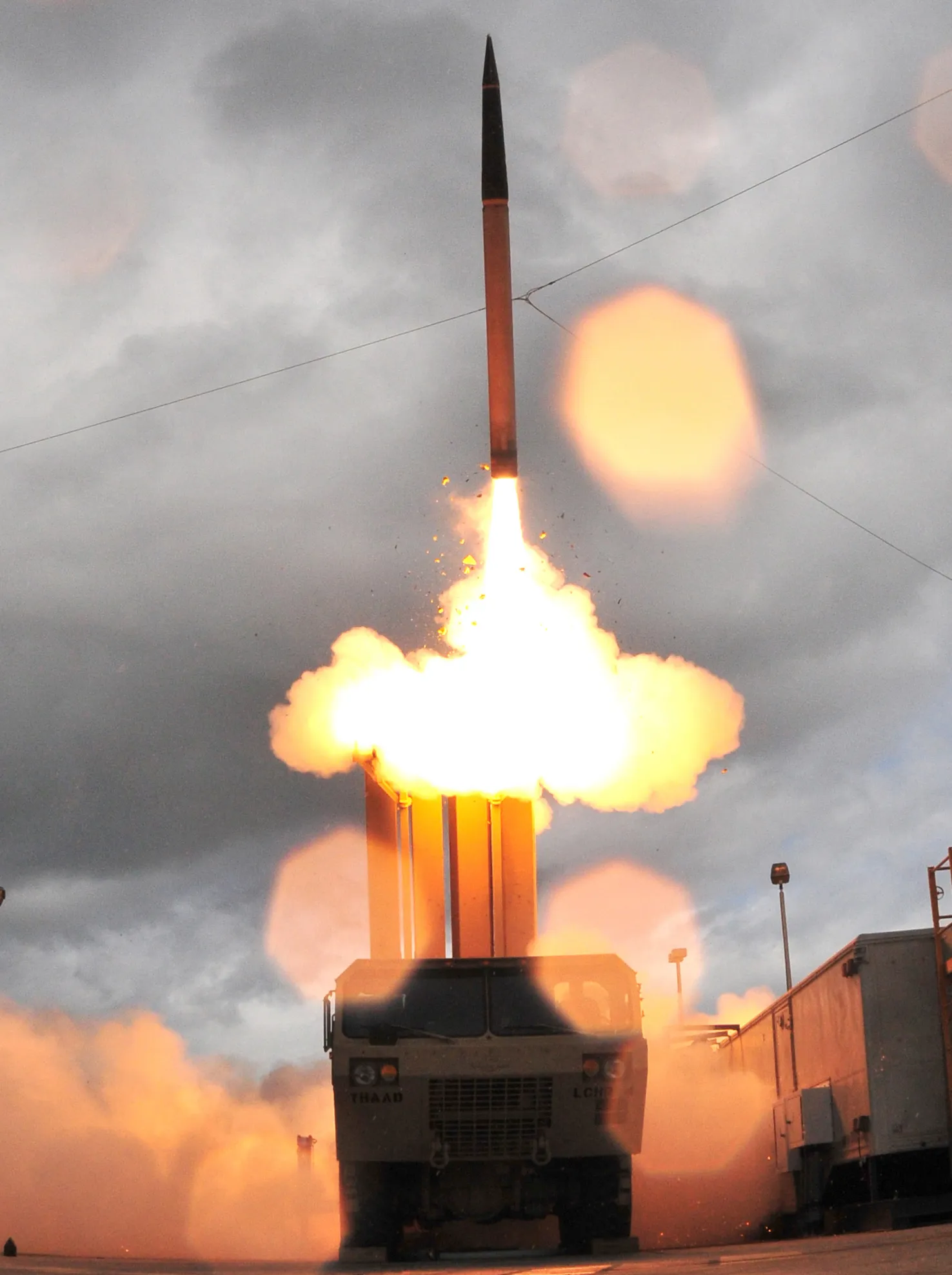
In Tuesday’s attack, Ukrainian crews successfully intercepted or suppressed 40 missiles and 602 drones: an interception rate that, by any reasonable measure, represents an extraordinary operational effort under fire. But the 33 missiles that penetrated the screen represent a structural problem: intercepting ballistic missiles and hypersonic weapons requires Patriot interceptor missiles, and Ukraine is spending them faster than it can replace them.
The shortage has been building since at least May, when Russia began launching larger and more frequent attacks following the end of the temporary ceasefire. Europe pledged additional Patriot batteries after Russia’s worst Kyiv attack of the spring, but delivery timelines are measured in months, not weeks. The pipeline of interceptors flowing from NATO countries to Ukraine has not kept pace with Russian firing rates.
The problem deepened when the U.S. launched its military campaign against Iran earlier this year. Operations in the Gulf theater drew heavily on the same family of air defense interceptors that Ukraine depends on, thinning NATO stockpiles at a moment when Ukrainian demand was at its peak. Russia’s use of nuclear-capable Oreshnik hypersonic missiles against Kyiv in May put additional pressure on the most capable intercept tiers — the ones that require the most advanced and expensive missiles to defeat.
“The United States produces an insufficient number of missiles for missile defense, which can lead to crises in various regions of the world,” Zelensky wrote in his letter to Trump last week. “60 to 65 missiles per month is nothing compared to the current challenges.”
The math is not in Ukraine’s favor. Russia can manufacture Shahed-style one-way attack drones for roughly $20,000 to $50,000 apiece — a fraction of the cost of the interceptors used to stop them. A single Patriot interceptor costs several million dollars. The arithmetic of attrition favors the attacker when the attacker is willing to absorb that exchange rate. Russia has shown consistently that it is.
Without a significant increase in production or a new supply agreement, each barrage leaves Ukraine’s shield marginally thinner than the one before. The question Ukrainian officials are pressing in Washington and Brussels is whether allies will act before the math becomes insurmountable.
Zelensky’s Appeal to Trump
Zelensky sent the letter to President Trump last week — before the overnight attack — warning that Russia appeared to be preparing a massive assault and that Ukraine’s defenses had reached a critical point in their reserves. The timing suggests Ukrainian intelligence had forewarning of Russia’s plans, though the sheer scale of Tuesday’s barrage — 729 total projectiles — made complete interception impossible regardless.
The Ukrainian president made two specific requests in the letter. First, he asked the administration to accelerate deliveries through NATO’s Prioritised Ukraine Requirements List, the mechanism through which allied countries coordinate procurement of American-made weapons for Kyiv. “The current pace of deliveries through the PURL program is no longer keeping up with the reality of the threat we face,” he wrote.
Second — and more significantly — Zelensky asked the United States to license Ukraine to produce Patriot interceptor missiles on its own soil. That request would reduce Ukraine’s dependence on the American and European supply chain by allowing Ukrainian factories to manufacture the missiles domestically. No public response from the Trump administration to that specific request had been issued as of Tuesday morning.
Ukraine’s foreign minister separately called on allied nations to unlock additional European funding for the PURL program, arguing that the current pace of deliveries was creating strategic vulnerabilities. Germany has committed to additional Patriot system deliveries, but those are scheduled to arrive on a timeline that stretches into late 2026.
What Tuesday’s Attack Changes
Tuesday’s barrage was the largest single overnight strike since Russia destroyed a Kyiv apartment block and killed 24 people in May, and the pattern behind the numbers is now clearly established. Russia is calculating that Ukraine cannot sustain interception rates indefinitely at current stockpile levels, and it is testing that hypothesis with escalating volume.
The practical consequence for Ukrainian civilians is visible in Kyiv and Dnipro this morning: damaged and destroyed residential buildings, families displaced from neighborhoods that have already been struck multiple times, and an emergency services apparatus stretched by the frequency of the attacks.
The strategic consequence will be decided in Washington, Brussels, and the offices of Raytheon, which manufactures the Patriot interceptors. Zelensky’s letter was a direct appeal for speed, not sympathy. Whether it produces a change in either delivery timelines or domestic licensing policy remains the open question Tuesday’s attack leaves behind.
Russia’s Defense Ministry offered no comment on civilian casualties. The Kremlin has not acknowledged any damage from Ukrainian counter-drone and counter-missile operations.
Sources 6 cited · 2 primary
- Russian attack on Ukraine kills at least 14 and traps others in damaged buildings
- Massive Russian missile and drone attack across Ukraine, including Kyiv, kills at least 12, injures 111
- Russia launches 'horrific' drone, missile strikes on Ukraine, killing 14: Officials
- Kyiv hit by deadly Russian strikes, people feared trapped in apartment building rubble
- Zelenskyy asks Trump for more U.S. air defense help against Russian missile attacks
- Massive overnight Russian missiles rock Ukraine, killing at least 11
American Courant cites its sources and links to primary documents where they exist. How we report →