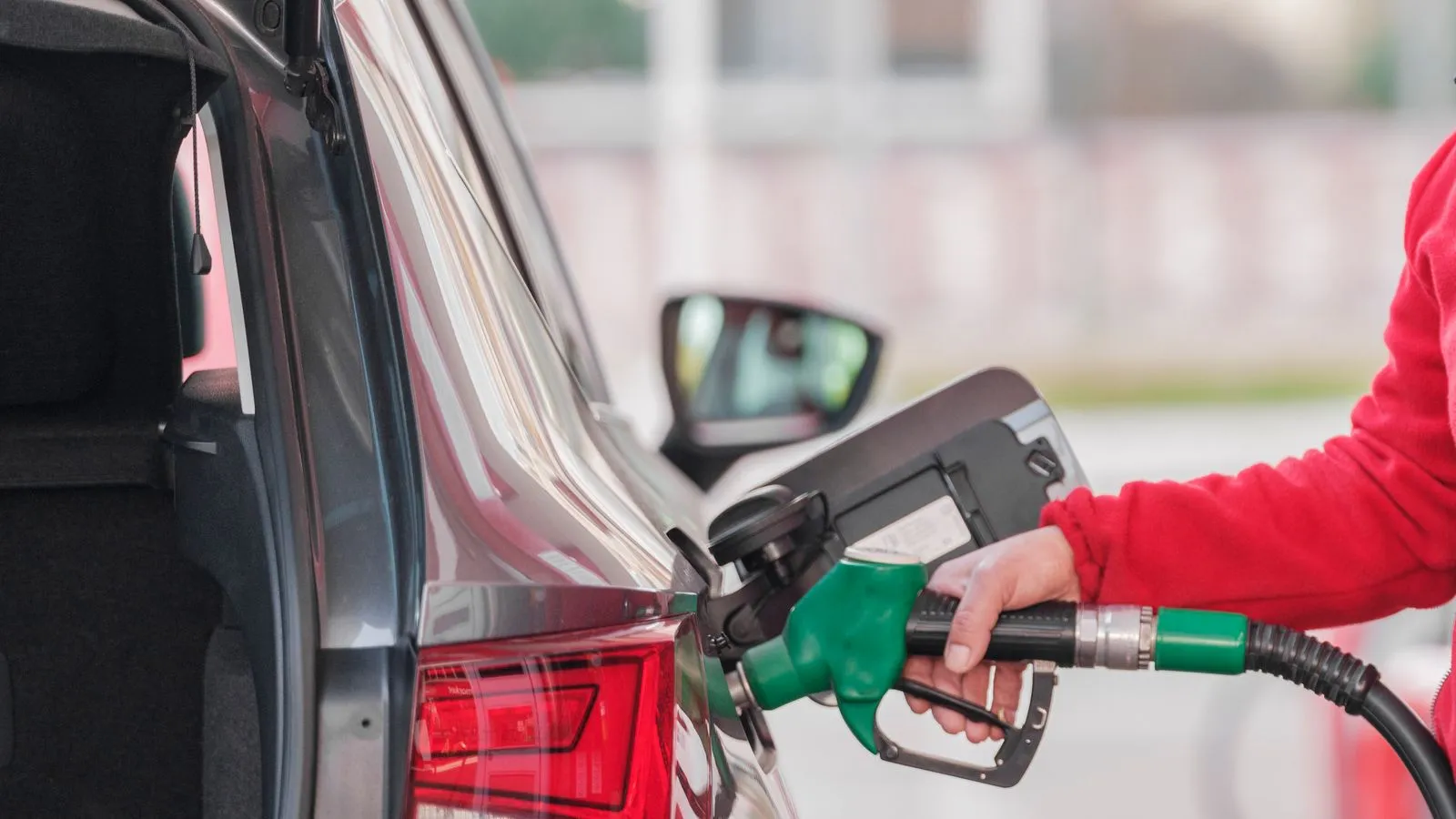
Crude oil slid to its lowest level in months on Saturday and kept falling Sunday, after Washington and Tehran announced a deal to end their war and reopen the Strait of Hormuz. Traders moved fast, as they always do, pricing out the war premium that had ridden on every barrel since February. The relief at the pump, where most Americans actually feel the price of oil, will move a great deal slower.
That gap is the thing to understand before anyone tells you the war’s end has rescued your summer driving budget. It has not, at least not yet, and probably not by July 4. The national average for regular gasoline was already easing before the deal, sitting near $4.10 a gallon on Friday, down from about $4.50 a month earlier, according to AAA. That is genuine improvement. It is also still far above what Americans paid before the fighting started, and the road from a tumbling crude price to a cheaper fill-up is longer and bumpier than the headline suggests.
Here is the honest version of the good news: the war ending helps, the direction is right, and the worst-case spike is less likely than it was a week ago. Now here is the part the celebration leaves out.
Crude moves in minutes. Gasoline moves in weeks.
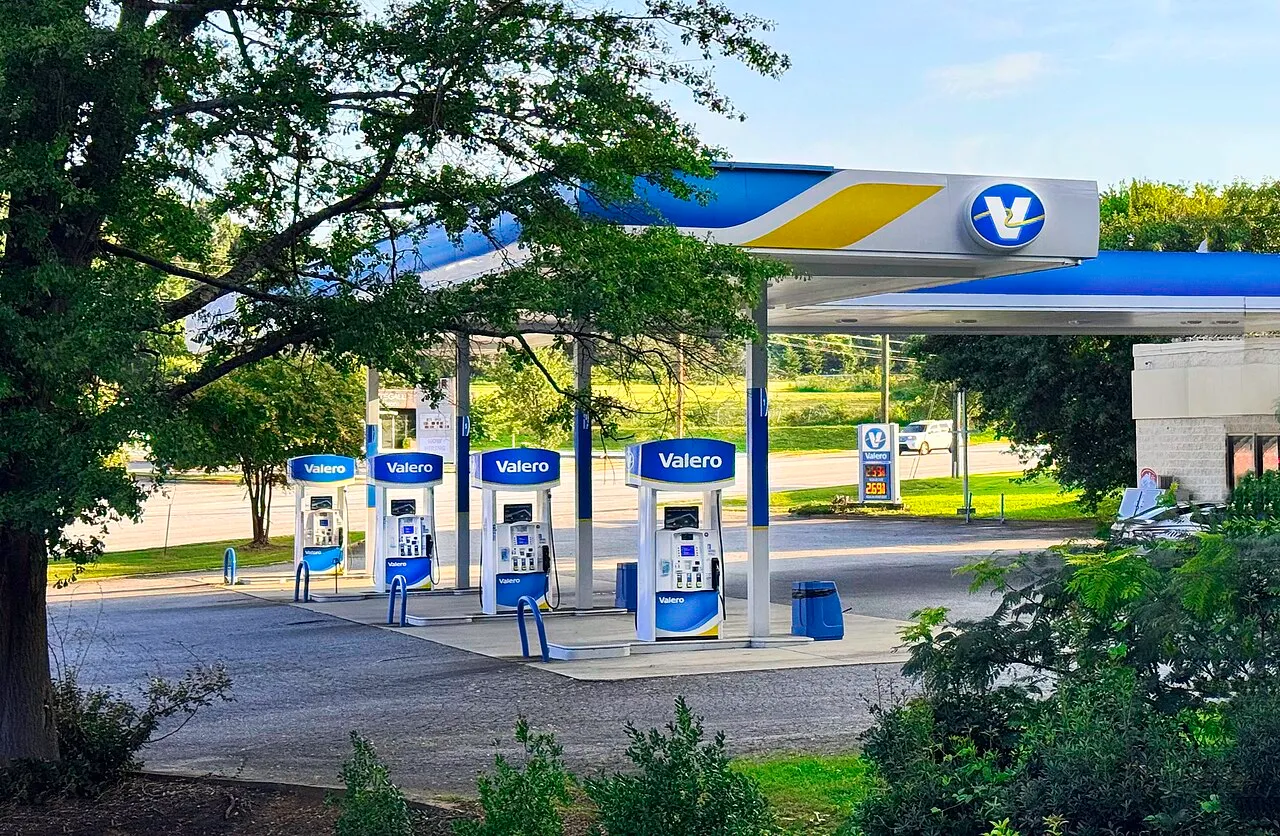
The price of a barrel of oil and the price of a gallon of gas are linked, but they are not the same number, and they do not move on the same clock. Crude trades on global futures markets that reprice instantly on news. Gasoline has to be refined, shipped, stored and sold, and the retail price you see on the corner sign reflects what the station paid days or weeks ago, plus taxes, plus the refining margin, plus a station’s own costs.
There is also a well-documented asymmetry that works against drivers. Pump prices tend to shoot up quickly when crude rises and drift down slowly when crude falls, a pattern economists have studied for decades and nicknamed “rockets and feathers.” Stations are quick to pass along a cost increase and slow to surrender a margin on the way down. Add the summer driving season, when demand is high and refiners are already running flat out, and the speed limit on pump relief gets lower still.
So even a clean, immediate, fully honored deal would not translate into dramatically cheaper gas this week. The mechanism simply does not work that way.
The deal isn’t done, and neither is Hormuz
The bigger reason for caution is that the agreement is not finished. The signing is set for Friday in Switzerland, and the ceasefire is fragile enough that Israeli strikes in Lebanon were already threatening it as it was announced. A deal that unravels before the ink dries would send the war premium right back into the oil price, and the pump would feel that one fast.
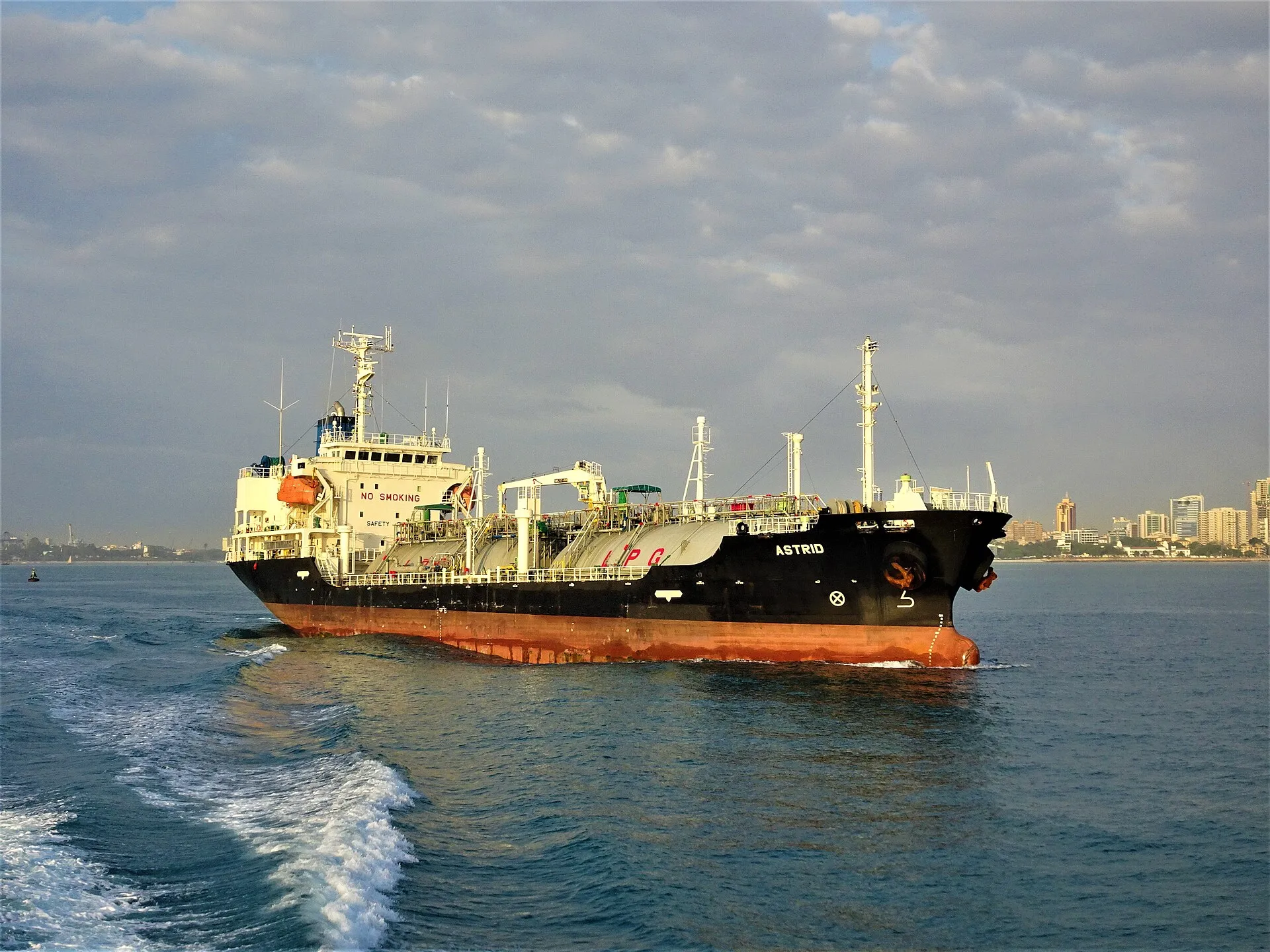
Reopening the Strait of Hormuz is also not a light switch. The corridor carries roughly a fifth of the world’s seaborne oil, and it has been largely shut since late February. Tankers have to be rerouted, war-risk insurance has to be repriced, and crews have to be confident enough to sail through a strait that was a combat zone days earlier. NBC New York reported that energy analysts expect it to take months, not days, before supply fully normalizes. The same caution showed up in the World Bank’s decision to cut its global growth forecast and pin much of the blame on the Middle East war: supply shocks are easy to start and slow to unwind.
None of this means prices will rise. It means the cheap-gas dividend everyone is anticipating is a process, not an event.
The honest part: it really is good news
Skepticism about the timing should not curdle into pessimism about the direction. This is the right kind of problem to have. Crude had already fallen about 20 percent from its 2026 peak on the mere prospect of a ceasefire, and it fell further on the deal itself. That is the market doing exactly what it should: pulling out a fear premium that, as this page argued when the “fear premium” was inflating prices on speculation, was never built to last once the supply threat eased.
A reopened Hormuz and a halt to the strikes remove the single biggest upward force on energy prices this year. Over the coming weeks and months, if the deal holds, that should show up at the pump in steadier, lower prices, and it should take pressure off everything downstream that runs on fuel, from airfares to grocery delivery. The war’s end is real economic relief. It is just relief on a delay.
What it means for your summer
The practical advice is simple: do not rebuild your budget around a deal that is not signed and a price drop that has not arrived. Plan your July travel on today’s prices, not on a forecast of cheaper gas that depends on a fragile ceasefire holding and a strait reopening on schedule.
And keep your skepticism handy when the credit-taking starts, because it will come from every direction. Patrick De Haan, head of petroleum analysis at GasBuddy, cautioned even as prices were easing that “it’s still possible later this summer, even ahead of July 4, we could see the national average pass $5 a gallon.” A deal can be genuinely good news and still leave the pump volatile for weeks. Both things are true at once.
Watch the real signals instead of the speeches: whether Friday’s signing actually happens, whether tankers move through Hormuz without incident, and whether refiners can keep up with summer demand once the crude they buy gets cheaper. Those are the things that will decide what you pay in August. The war ending is the best news the energy market has had all year. Your gas tank just is not going to find out as quickly as the traders did.
Sources 6 cited · 1 primary
- AAA Fuel Prices (national average data)
- Oil drops 20% from 2026 peak on optimism over U.S.-Iran ceasefire talks
- Oil Prices Plunge as U.S. and Iran Reach Deal to Reopen Strait of Hormuz
- Oil and gas prices could take months to come down after Iran deal
- Gas prices won't return to pre-war levels any time soon
- Gas prices are falling despite the Iran war. Here's why
American Courant cites its sources and links to primary documents where they exist. How we report →