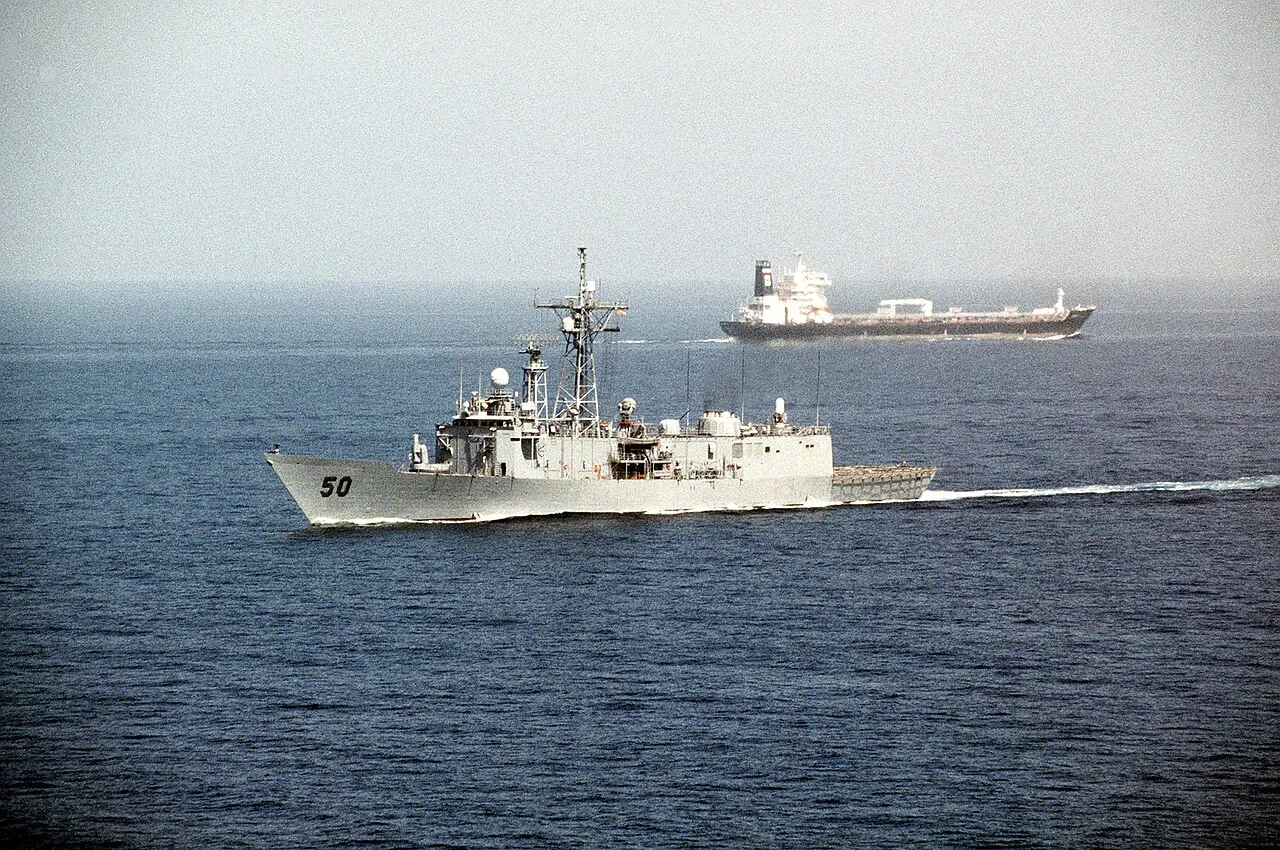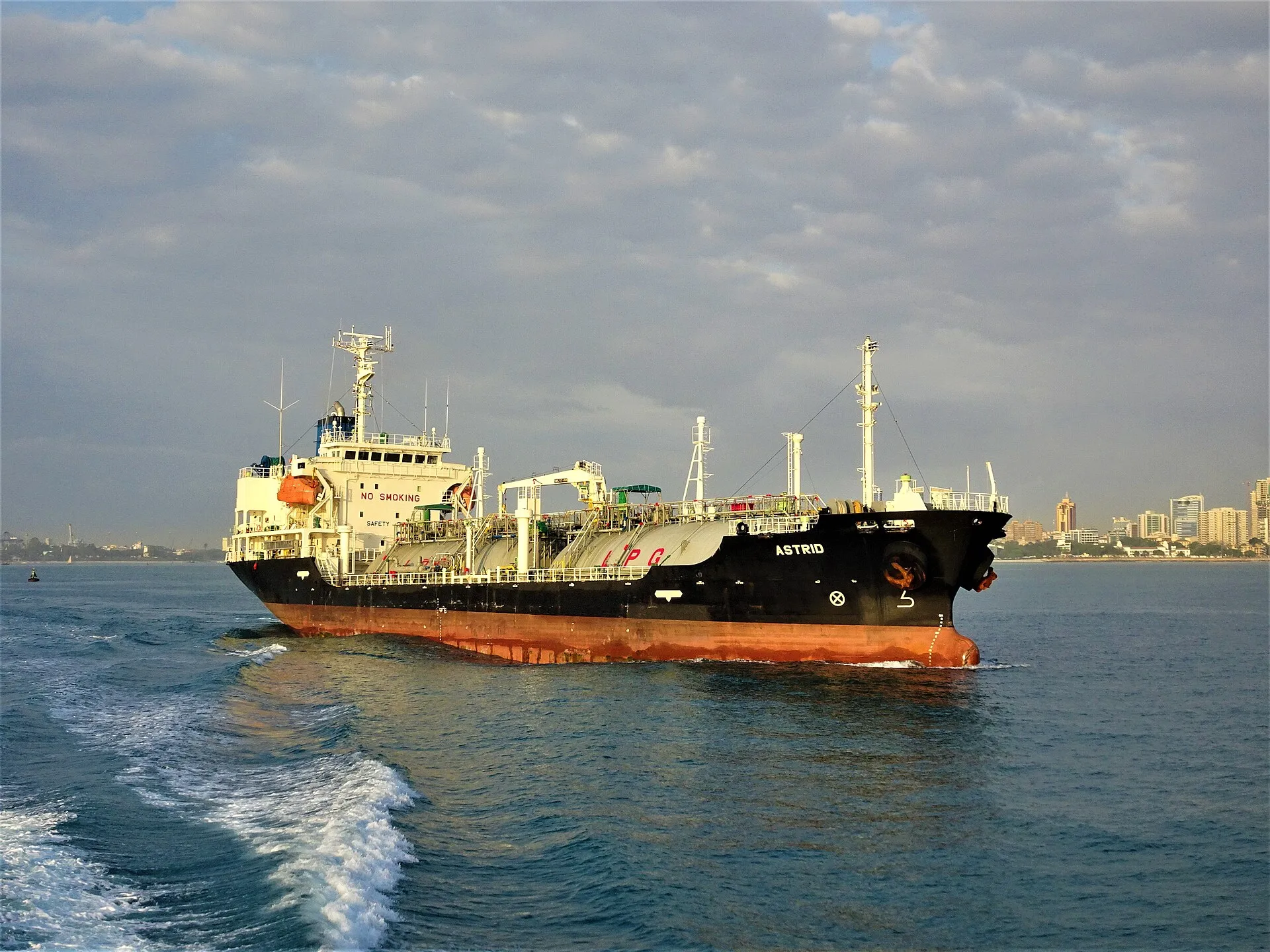
President Trump announced on Sunday, his 80th birthday, that the United States and Iran had reached an agreement to end the war the two countries have fought since late February. He ordered the U.S. Navy to halt its blockade of Iran, declared the Strait of Hormuz open for “toll free” shipping, and told tankers to “start your engines.” In a video released by the White House, he put the core of it plainly: “Most importantly, we have a deal that Iran will never have a nuclear weapon.”
Take the achievement seriously, because it is one. The U.S. strikes near the Strait of Hormuz that sent crude toward $100 a barrel, the naval blockade that followed, and months of counterstrikes killed people, throttled the world’s most important oil corridor, and pushed the global economy toward the worst supply shock in a generation. A framework that stops the shooting and reopens Hormuz is worth having, and the relief is real.
But read past the celebration and it runs well ahead of the document. The thing this war was ostensibly fought over, Iran’s nuclear program, is the one thing the agreement does not settle. It hands that question to a 60-day negotiation that has not yet started. The relief arrives now. The hard part is filed for later. That order should cool the victory laps.
What actually got solved
The concrete terms are the ones that stop the bleeding, and they are not trivial. According to reporting from NBC News, Al Jazeera and CBS News, the deal lifts the U.S. naval blockade and reopens the Strait of Hormuz within 30 days. That waterway carries roughly a fifth of the world’s seaborne oil, and it had been largely closed since the fighting began on February 28. Washington agrees to suspend sanctions on Iranian oil and petrochemical sales. An estimated $24 billion in frozen Iranian funds is to be released, with about half of it freed before final talks even begin. Iran’s Supreme National Security Council said all military operations, including in Lebanon, would cease “immediately and permanently.”
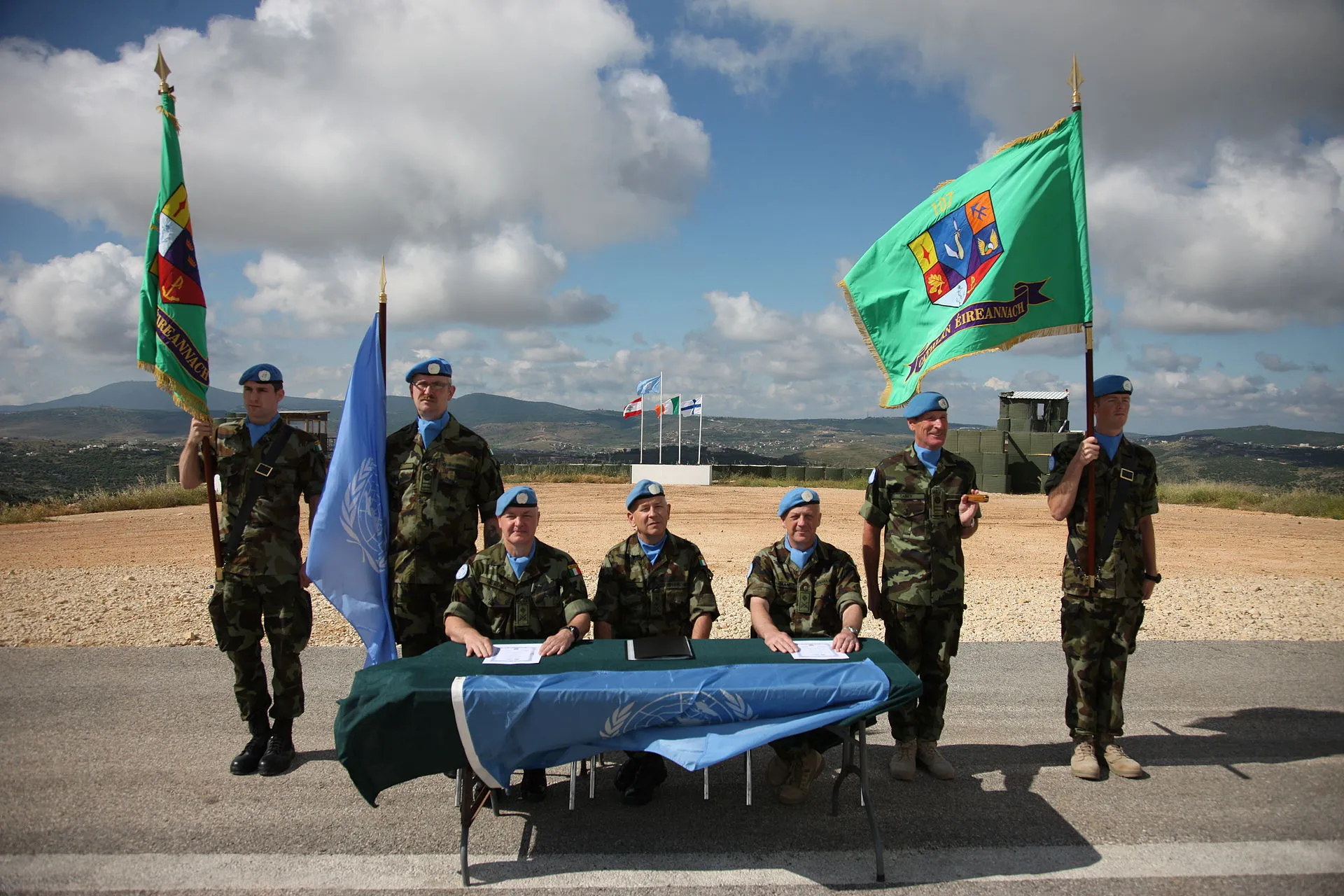
The diplomacy behind it was real, too. Pakistan and Qatar mediated. Iran’s deputy foreign minister, Kazem Gharibabadi, confirmed the agreement on state television. A formal signing is set for Friday in Switzerland. Measured against a war that shut Hormuz and spiked oil prices worldwide, ending the strikes and restarting tanker traffic is a substantial outcome. Anyone who pretended this war would be cost-free was wrong, and anyone who insists ending it counts for nothing is wrong now.
What got deferred
Here is the catch. The nuclear program, the stated reason American and Israeli jets hit Iran in the first place, is not resolved by this framework. It is assigned to a final round of negotiations with a 60-day window, talks that will cover, in the words of officials briefed on the terms, nuclear weapons development, the remaining sanctions, and the outstanding United Nations and International Atomic Energy Agency resolutions on Iran.
None of that is small, and none of it is settled. Iran is believed to hold about 440 kilograms of uranium enriched to 60 percent, a stockpile the Carnegie Endowment for International Peace has flagged as the reason the nuclear question remains squarely on the table. The Trump administration spent months insisting Iran abandon enrichment entirely. Iranian officials have signaled they may never again grant inspectors the access they allowed under the 2015 deal. Trump’s promise that Iran “will never have a nuclear weapon” is a goal, not a clause. The framework leaves the mechanism for reaching it to a negotiation that, on the day it is signed, will not contain a single agreed sentence on centrifuges, stockpiles or inspections.
That is the distinction worth holding onto. A ceasefire is a fact. A signed nuclear settlement is not.
The order of operations should worry you
The deeper problem is not that the nuclear talks come later. It is that the leverage comes off first.
The blockade Trump is lifting is the same one he said in April was costing Iran $500 million a day. The $24 billion begins unfreezing now, with roughly half flowing before the hardest bargaining starts. The pressure that brought Tehran to the table is being released up front, in exchange for a promise to negotiate the central issue afterward. Leverage, once surrendered, is the hardest thing in diplomacy to win back.
The two governments are also already disagreeing about what they signed. The United States has publicly disputed Iran’s characterization of the frozen-funds release, an early sign that the word “agreement” is doing heavy lifting for terms each side still reads differently. The ceasefire itself is fragile. Even as the deal was announced, Israeli strikes in Lebanon were threatening to unravel it. This is the same standoff in which Iran’s earlier counteroffer was so far apart that Trump called it “totally unacceptable”. The gap that produced the war has not closed. It has been postponed.
The honest counterargument, and what to watch
There is a serious case on the other side, and it deserves a straight answer. The maximalist alternative, refusing any ceasefire until Iran fully capitulated on its nuclear program, would have meant more dead, a closed strait, and a global economy bleeding through a supply shock with no end date. Diplomacy takes the achievable now and fights for the rest later. Reopening Hormuz and halting the strikes saves lives and steadies the world economy today. That is a real argument, and it is why ending the war is the right call even with the nuclear question still open. It is also why even Pope Leo XIV, who judged the war no “just war,” would presumably welcome the guns going quiet.
But the case for making the deal is not the same as the case for calling it finished. The test of this agreement was never Friday’s signing ceremony. It is whether the 60-day talks produce verifiable limits on enrichment and real inspections, or collapse and leave the United States having traded a working blockade for a pause. Watch three things: whether the signing holds through the week, whether tankers actually move through Hormuz without incident, and whether Iran lets inspectors back in to count what it has enriched. Until those answers come in, the accurate description is the modest one. A genuine ceasefire. An unfinished settlement. The war is ending, and the reason it started is still waiting for an answer.
Sources 6 cited · 1 primary
- "Most importantly, we have a deal that Iran will never have a nuclear weapon." — President Trump
- United States and Iran reach framework deal to end war and reopen the Strait of Hormuz
- US-Iran deal expected to reopen Strait of Hormuz, to be signed in days, both sides say
- US-Iran 'peace deal' announced; Trump says Strait of Hormuz reopening
- Live Updates: Iran and U.S. reach deal, Trump and Pakistani prime minister say, as Israeli strikes in Lebanon threaten agreement
- Two Wars Later, Iran's Nuclear Question Is Still on the Table
American Courant cites its sources and links to primary documents where they exist. How we report →