President Trump called Iran’s latest counter-proposal “totally unacceptable” last week, and said the ceasefire he announced in April is now on “massive life support.” He is right to have rejected it. The reason he is right has almost nothing to do with the man making the rejection, and everything to do with what Tehran put on the table.
Buried inside Iran’s five-point response, transmitted through Pakistani mediators, is a demand that the United States — and by extension the world — extend “international recognition of Iranian sovereignty over the Strait of Hormuz.” Iran is not asking for sanctions relief. It is asking for a deed.
That demand is the part of the proposal that matters most, and the part most likely to survive into any future negotiation under any future president. It should fail every time it is presented.
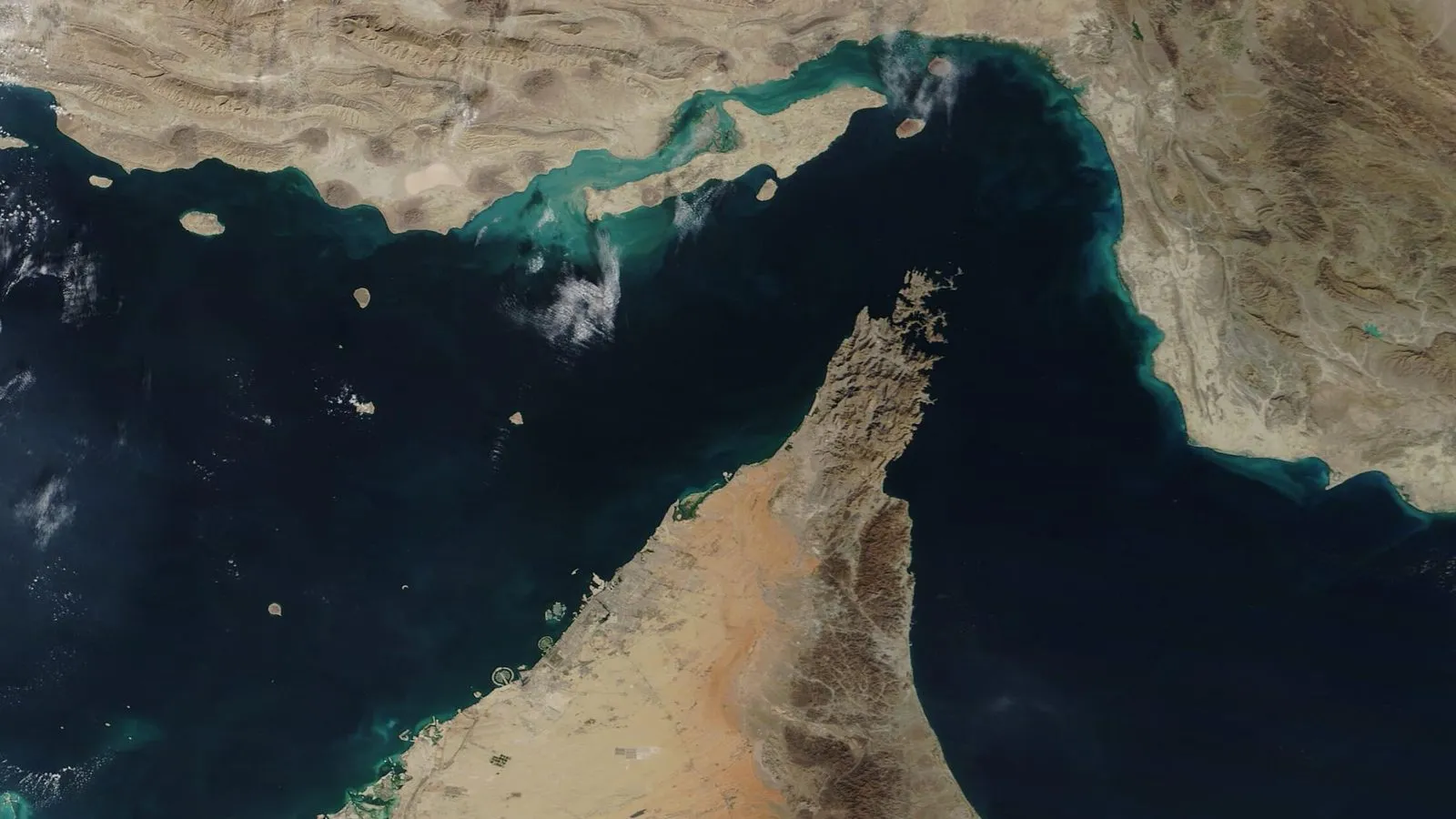
A 21-mile corridor, and the math behind it
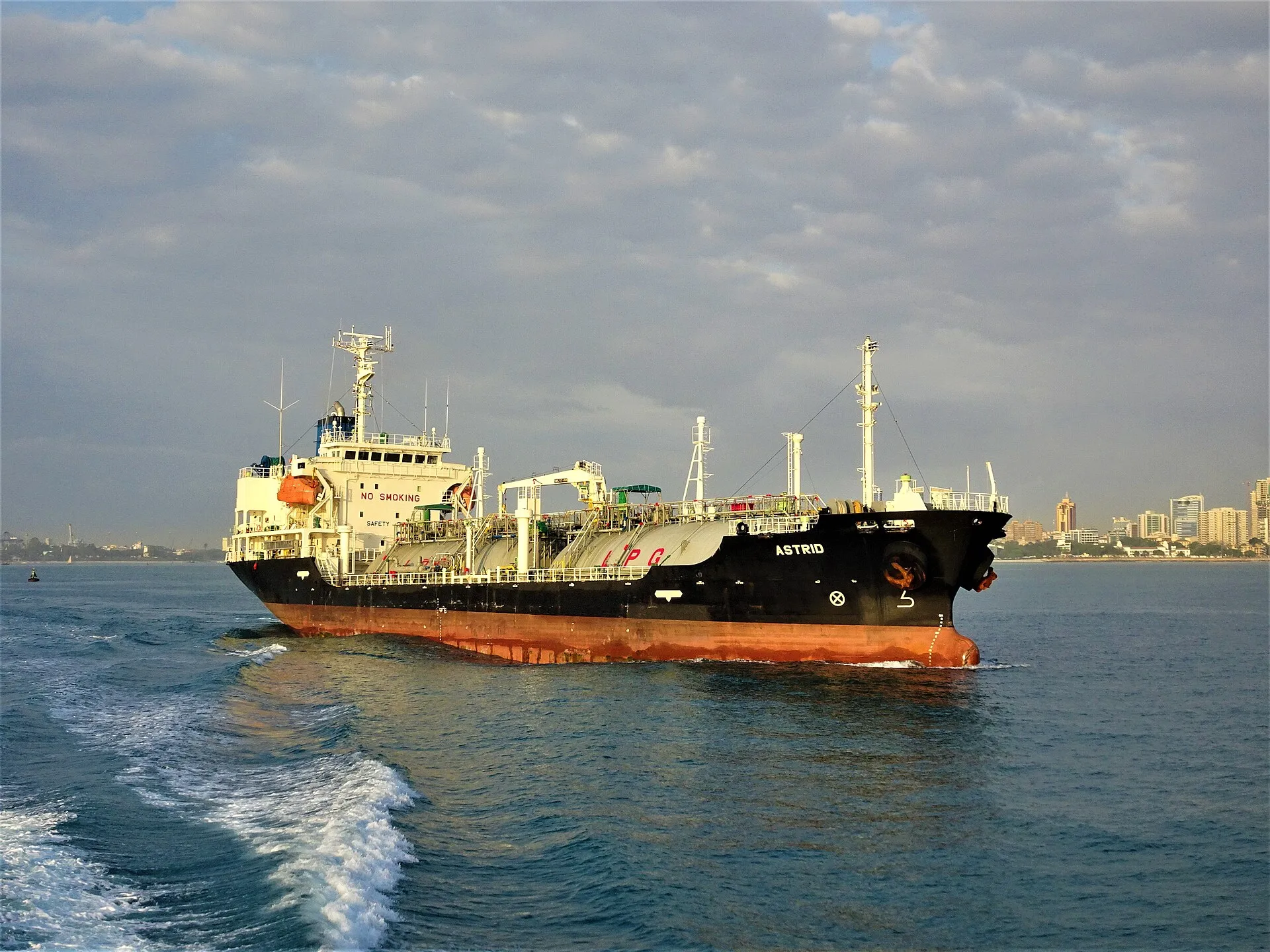
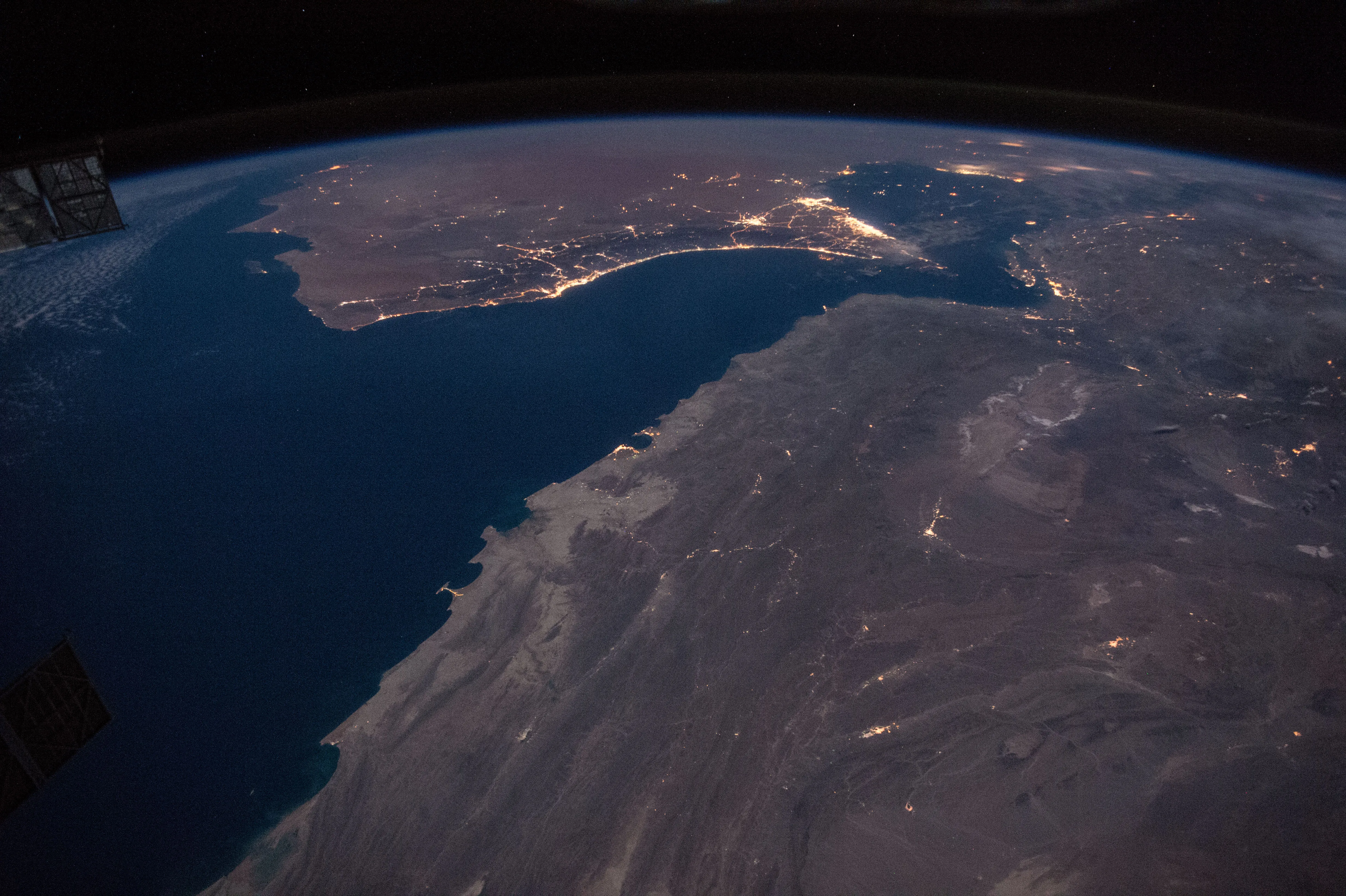
The Strait of Hormuz is roughly 21 nautical miles across at its narrowest point. Through it transits about a fifth of all liquid petroleum consumed on earth, plus about a fifth of global seaborne liquefied natural gas. Before this war, the U.S. Energy Information Administration tracked roughly 20 million barrels per day of crude, condensate, and refined product moving through that corridor. Q1 2026 EIA data, released on May 13, shows that flow fell by nearly six million barrels per day — almost 30 percent — once shipping companies started rerouting around the conflict.
That is what happens when the strait is contested. The price for the world finding out what happens when the strait is owned would be measured in shooting wars, currency crises, and inflation cycles that outlast presidencies.
This is the editorial position underlying our earlier reporting on the EIA’s chokepoint analysis: the value of the corridor is not the oil itself but the predictability of the route. A predictable corridor is governed by neutral rules of transit. A sovereign corridor is governed by whoever holds the deed.
The legal trap inside the word “sovereignty”
Iran’s territorial waters already extend twelve nautical miles from its coast. Oman’s do the same on the opposite side. The two zones meet in the middle of the strait. Geographically, every ship that transits Hormuz is already in someone’s territorial waters for at least part of the passage. That is true today, and Iran already knows it.
What Iran’s proposal asks for is something different. The current regime of safe passage rests on Articles 37–44 of the United Nations Convention on the Law of the Sea, which establish “transit passage” through international straits as a right that, in the treaty’s words, “shall not be impeded” and “shall not be suspended.” That right exists precisely because the legal status of the strait was settled multilaterally, not bilaterally. No coastal state — not Iran, not Oman, not the United States transiting its own straits — gets to charge tolls, demand permission, or condition passage on its political mood.
Iran’s demand would not strengthen those rules. It would replace them.
Once “sovereignty over the Strait of Hormuz” enters the language of a binding agreement, a sitting Iranian government could plausibly argue that warship transit requires permission. It could levy passage fees, as it has periodically attempted since the 1980s. It could exclude flag states it disliked. It could declare unilateral closure during any crisis with any neighbor and frame the closure as an exercise of recognized sovereignty rather than an act of war. None of that is hypothetical. Tehran has, at various points in the past three years, asserted the right to do each of these things under its 1993 domestic maritime law — a law most maritime powers have refused to acknowledge precisely because they refused to accept the framing it implies.
You do not need to like the Trump administration’s handling of the broader war — and reasonable critics, including senators questioning the underlying intelligence assessments of Iran’s residual missile capacity, do not — to recognize that ratifying that framing would constitute a strategic concession out of all proportion to anything ending a 78-day war is worth.
The fairest case for accepting Iran’s terms
Treat the strongest version of the other side’s argument honestly. The case for accepting some form of Iran’s Hormuz language runs roughly like this: the war is costing more than expected, Americans are paying $4.50 a gallon at the pump, the EIA expects elevated prices through Q3, the broader region is destabilizing, and a strait-recognition clause is cheap diplomatic currency because Iran already controls the southern shore in practice. Sign the paper, end the war, normalize trade flows, let the lawyers fight about scope later.
There is something to that argument, narrowly read. The U.S. economy is genuinely worse off the longer the war runs. The political pressure on the administration to settle is real, and would be real under any party. And in the abstract, treaty language can be drafted with carve-outs — a “sovereignty subject to existing freedom-of-navigation regimes” formulation, for example — that look harmless on the page.
But carve-outs are only as strong as the political will of future governments to enforce them. Once the underlying word sovereignty is in the document, every successor administration — American, Iranian, Omani, Chinese, Indian — inherits a treaty that admits Tehran’s framing. Future Iranian governments would cite it. Future U.S. administrations would have to argue around it. The default would have shifted, and defaults are what govern policy when no one is paying attention. This is the same logic that has kept the United States, across both parties, from formally recognizing Russian sovereignty over Crimea even when bilateral relations were warmer than they are today. Some words you do not put in agreements, because once written they outlive the negotiators.
What a real settlement looks like
A serious ceasefire would settle every other clause in Iran’s proposal — phased sanctions relief, end of the U.S. naval blockade, security guarantees against further air strikes, opening of commercial shipping lanes, even a reparations mechanism if the negotiators want one. Those are normal items on a war-ending menu. They can be drafted in language that is fair to both sides without surrendering the world’s most important maritime corridor to a single coastal state.
Iran’s chief negotiator told reporters last week that the U.S. must accept the proposal or face “failure.” That framing should be rejected with the same precision the rest of the proposal deserves: the United States is not required to take a poison pill to end a war. Neither side wants the war. Iran’s leverage is not unique. The leverage Iran is reaching for — permanent ownership of the corridor — is the one piece of leverage every president since the strait became a critical chokepoint has refused to hand over.
President Trump rejected the right clause for the right reason last week. The argument that should outlast his presidency is the one he did not quite make: this is not a negotiation about how badly we want the war to end. It is a negotiation about what the world looks like in 2046 and 2066. A strait with international transit rules survives administrations. A strait with a deed does not.
The next president, of whichever party, will inherit this file. They should refuse the same clause for the same reason, and explain it to the American public in those terms — not as a partisan inheritance, but as a national one.
Sources 6 cited · 2 primary
- Strait of Hormuz: World Oil Transit Chokepoints (analysis)
- Hormuz oil flows fell nearly 30% in Q1, EIA says
- Trump says ceasefire on 'life support' as US weighs military options if talks fail
- Trump says Iran ceasefire is 'on life support' after rejecting 'unacceptable' peace proposal from Tehran
- The Strait of Hormuz and the Limits of Maritime Law
- Strait of Hormuz: Why the US and Iran are sailing in very different legal waters
American Courant cites its sources and links to primary documents where they exist. How we report →