By the Editors
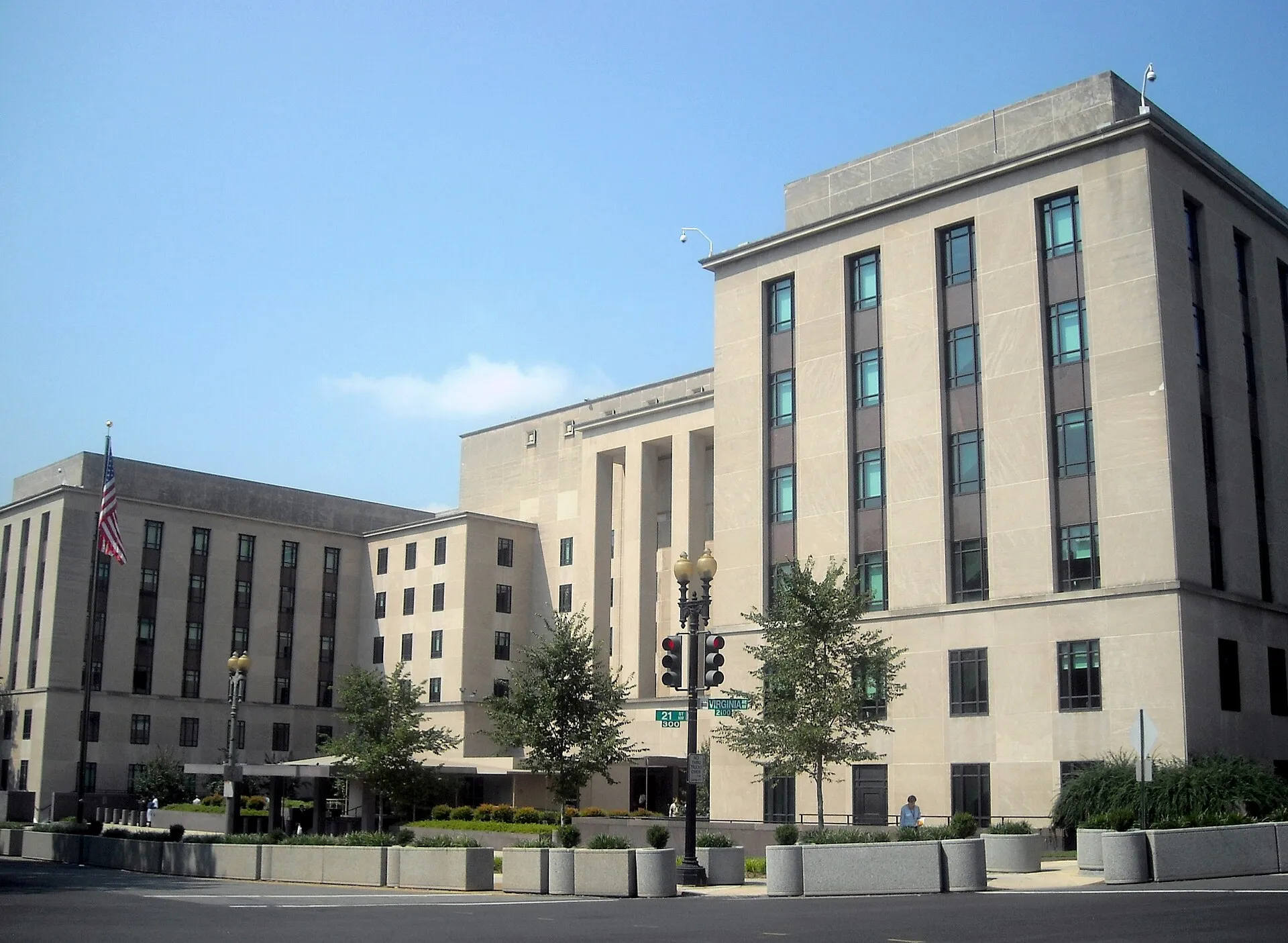
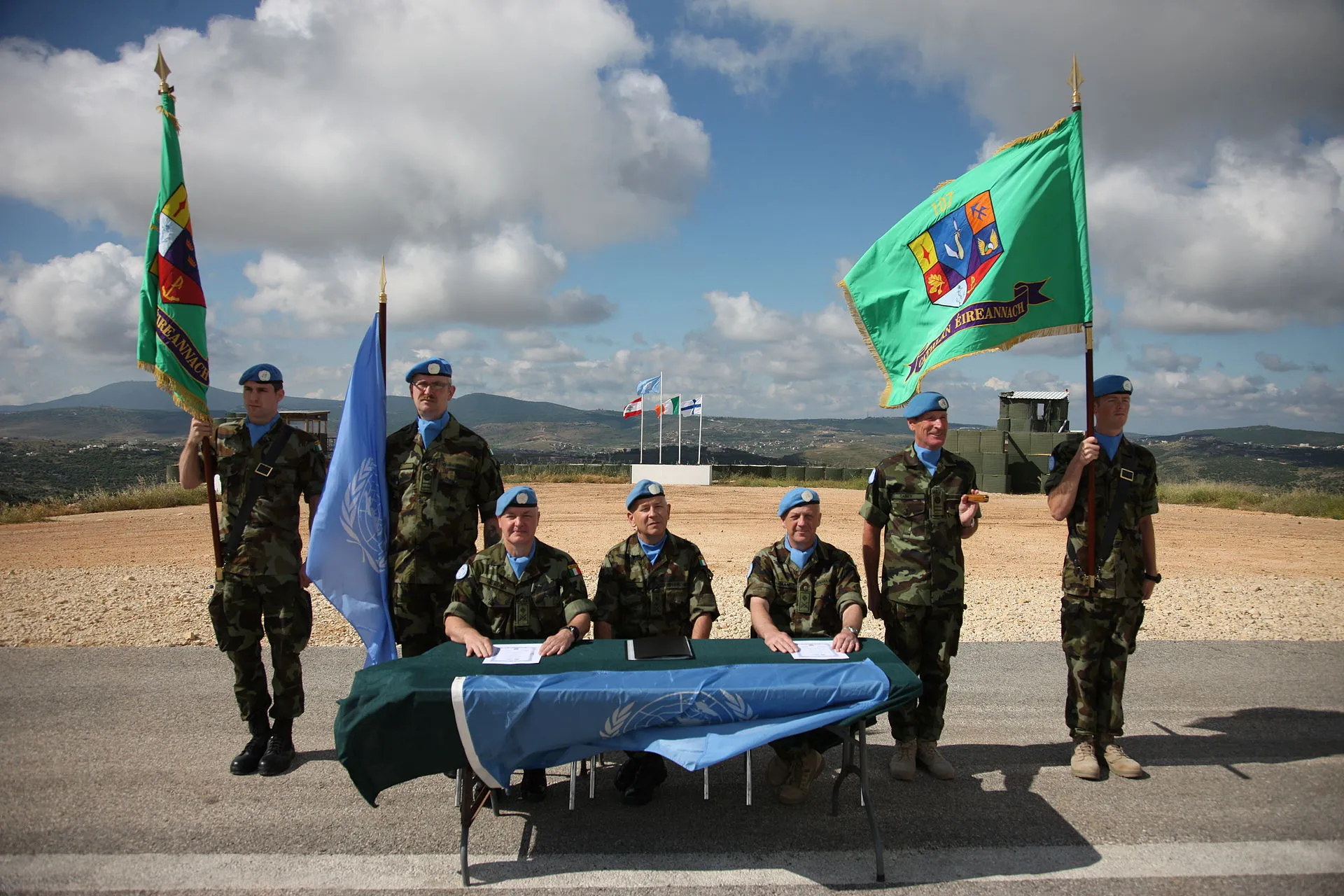
The agreement that the United States, Lebanon, and Israel announced this week reads, on its face, like a narrow piece of border housekeeping. A complete cessation of Hezbollah fire. The evacuation of Hezbollah operatives from the South Litani Sector. “Pilot zones” in which, per the joint statement released by the State Department, the Lebanese Armed Forces “will take exclusive control of the territory to the exclusion of all non-state actors.” It is fragile, conditional, and already being violated as we write — a UNIFIL peacekeeper was killed by a mortar near Marjayoun hours after the announcement.
But look at who is not at the table, and the deal stops looking small. The most direct path to ending the broader war between the United States and Iran may not run through Oman or Islamabad, where the nuclear talks keep stalling. It may run through southern Lebanon — and this week’s ceasefire is the first move on that path.
Here is the argument, and it rests on something Iran said out loud.
Iran Told Us Lebanon Was the Card
Tehran has been explicit that the Lebanese front is not separate from its own war. Foreign Minister Abbas Araghchi said the conflict with the United States and Israel will only end “when it also ends in Lebanon,” and insisted that the April ceasefire between Iran and Washington was “unequivocally a cease-fire on all fronts, including in Lebanon.” That was not a throwaway line. It was a negotiating position: Iran tried to fold Hezbollah’s survival into the price of any nuclear deal.
The Trump administration, backed by Israeli Prime Minister Benjamin Netanyahu, rejected that linkage outright. Netanyahu said flatly that the ceasefire “does not include Lebanon.” For weeks, that disagreement was a wall. Iran wanted Lebanon inside the deal so it could trade Hezbollah’s protection for sanctions relief. The United States refused to let Tehran dictate the terms of the wider war.
This week’s agreement does something cleverer than winning that argument. It makes the argument moot.
If Lebanon settles its own front — Lebanese state forces, not Iranian proxies, controlling the south — then there is no Lebanese card left for Iran to play at the nuclear table. The thing Tehran was trying to leverage gets resolved by the Lebanese and Israeli governments directly, exactly as the joint statement frames it: the two countries reaffirmed that their relationship “must be decided by the two sovereign governments,” rejecting any attempt “by any state or non-state actor, to hold Lebanon’s future hostage.” Read “state actor” as Iran. That sentence is aimed at Tehran without using its name.
Hezbollah Was Iran’s Deterrent. It Isn’t Anymore.
For two decades, Hezbollah was the insurance policy that made attacking Iran expensive. The logic was simple and effective: strike Tehran, and tens of thousands of rockets rain down on northern Israel from Lebanon. That threat shaped every Israeli and American calculation about Iran’s nuclear program.
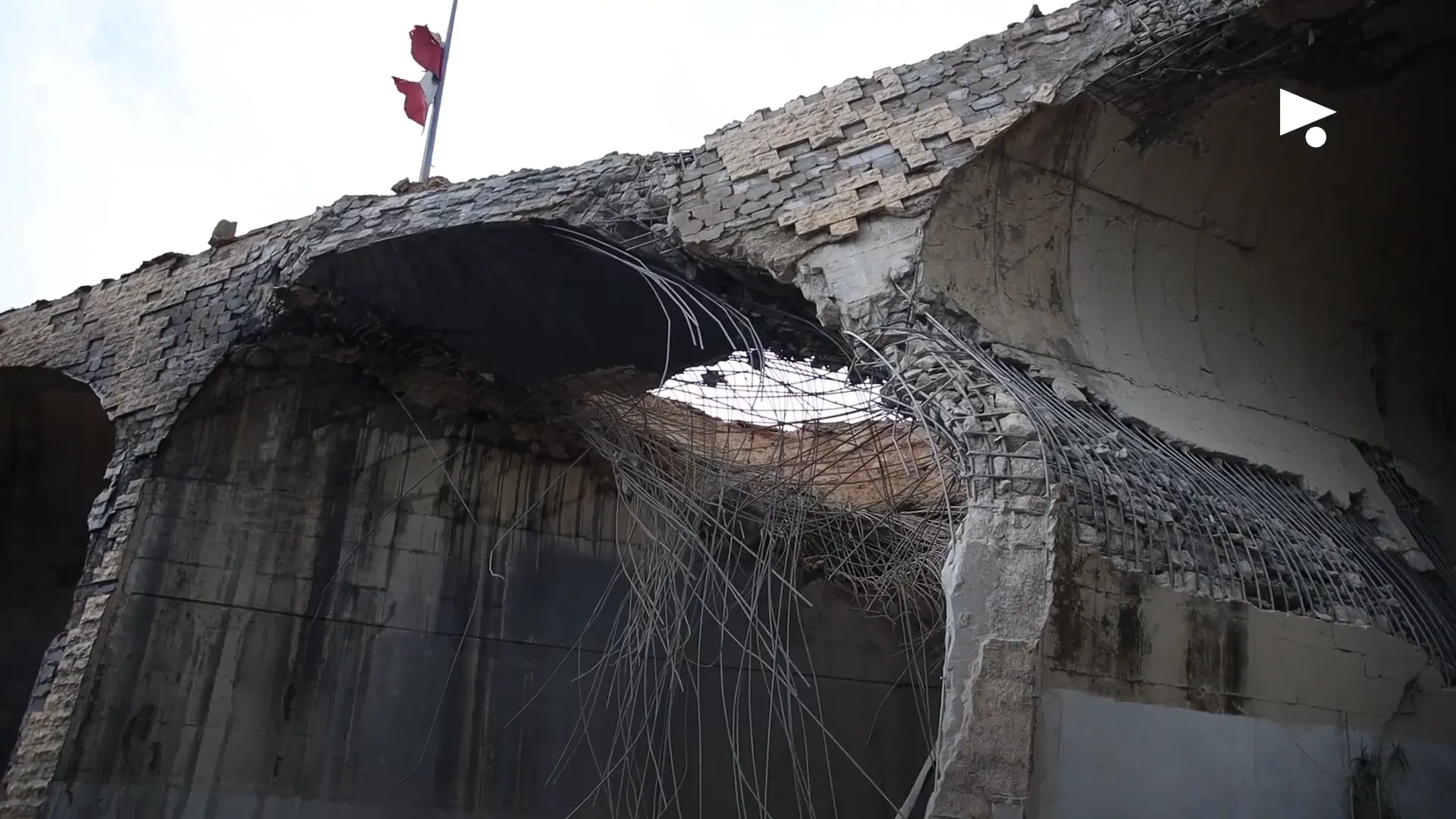
That deterrent has been hollowed out. Analysts at Harvard’s Belfer Center have documented how Iran’s proxy model degraded over the course of this war — Hezbollah shifted from an autonomous strategic deterrent to a “support front” coordinating fire alongside Iran’s own missile strikes, and its intervention failed to move the balance in Tehran’s favor. Israel’s accelerated campaign — including a ground push into the South Litani Sector — destroyed much of Hezbollah’s remaining arsenal. And in March, the Lebanese government itself formally banned Hezbollah’s military activity — the most assertive such move any government in Beirut has ever made.
A deterrent that cannot deter is not leverage. It is a liability the patron still has to feed. Which is why, as Iran’s regional network has frayed, its insistence on tying Lebanon to the nuclear talks has grown louder, not quieter. When you are down to your last card, you bluff harder. The Lebanon ceasefire calls the bluff.
Why This Helps End the Larger War
Strip away Hezbollah as a usable threat, and Iran’s strategic position changes in a concrete way. The regime loses the one lever that made the cost of holding out feel survivable. Every week the Lebanese front stays hot, Tehran can tell itself it still has a way to impose pain on Israel and complicate American diplomacy. Close that front, and the war narrows to what Iran cannot win: a direct contest over its own nuclear program, fought with the Strait of Hormuz and its uranium stockpile as the only remaining chips, against an adversary that has already absorbed Iran’s best regional shot.
This is not the same as saying peace is imminent. It isn’t. The honest case has to account for the ways this could fail, and there are several.
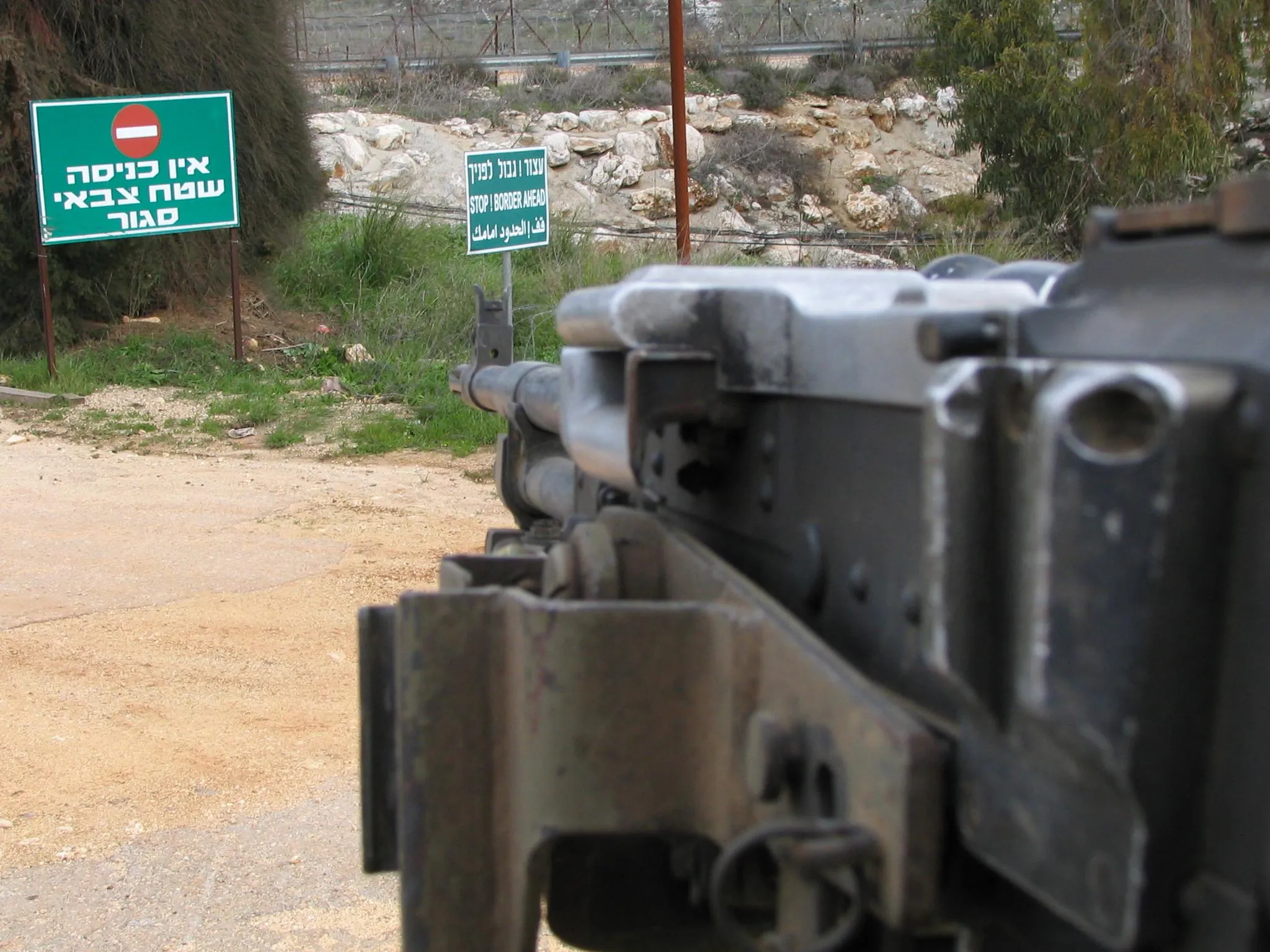
The ceasefire is being violated in real time; the IDF says it is still striking Hezbollah targets in the south even after the announcement. Iran could read the Lebanon deal not as an off-ramp but as a betrayal — proof that Washington will peel away its allies one by one — and harden its nuclear stance in response. Hezbollah may simply refuse to evacuate the South Litani Sector, leaving the “pilot zones” as words on a page. And a deal that depends on the Lebanese Armed Forces enforcing control over a militia that outguns them in places is a deal resting on an institution that has never managed that feat before.
All true. But notice that every one of those failure modes is Lebanese — they play out on the border, not over Natanz. That is precisely the point. The Lebanon track and the Iran track have been tangled together because Iran tangled them on purpose. This week began to cut them apart. Even a partial, leaky ceasefire that holds the Lebanese front roughly in place denies Iran the ability to escalate there at will, which is the only thing that made the front useful to Tehran in the first place.
Three concrete markers will show whether the logic holds, and none of them requires reading Tehran’s mind. Watch whether Hezbollah actually vacates the South Litani Sector, or only says it will. Watch whether the Lebanese army deploys into the pilot zones and holds them. And watch whether Iran, stripped of the Lebanese front, returns to the nuclear table or walks further from it. The first two are answerable on the ground within weeks; the third is the tell.
The Diplomacy Nobody Is Watching
The nuclear negotiations get the headlines because they are dramatic — deadlines, enriched uranium, the Strait of Hormuz, Netanyahu and Trump trading public insults over the terms. The Lebanon talks get covered as a sideshow, a humanitarian story about a border that won’t stay quiet.
That reading has it backward. The Iran deal is stuck precisely because the two sides cannot agree on what is inside it, and Lebanon was one of the largest disputed items. Resolving Lebanon separately — on terms set by Beirut and Jerusalem rather than dictated by Tehran — does not solve the nuclear question. But it shrinks the bargaining table to the one issue that actually has to be settled, and it does so by removing Iran’s strongest non-nuclear chip from the deck.
Wars don’t usually end with a single signature. They end when one side runs out of ways to keep fighting that feel worth the cost. The ceasefire announced this week, fragile as it is, takes away one of Iran’s last such ways. It may be the most consequential development in this war in weeks — and it is being filed under local news.
Sources 6 cited · 1 primary
- Joint Statement of the United States of America, Republic of Lebanon, and State of Israel on the Latest High-Level Trilateral Meeting
- Israel and Lebanon agree to conditional ceasefire
- Israel and Lebanon agree to renew fragile ceasefire, create Lebanese security zones
- Israel and Lebanon agree to full ceasefire, conditioned on steps by Hezbollah
- Live updates: Israel and Lebanon agree to implement ceasefire as US-Iran talks remain in flux
- The Degradation of Iran's Proxy Model
American Courant cites its sources and links to primary documents where they exist. How we report →