Israel’s ground forces crossed Lebanon’s Litani River on Friday, pushing deeper into Lebanese territory for the first time in two decades — and Prime Minister Benjamin Netanyahu ordered the military to press further still over the weekend. The advance has triggered mass evacuations from 300 towns and villages, brought Israeli troops to the outskirts of major cities, and exposed a ceasefire agreement that has been supposed to stop the fighting since April.
“My directive is to deepen and expand our hold on areas that had been under Hezbollah’s control,” Netanyahu said on Sunday, formalizing a new phase of an offensive that has already killed more than 3,355 people in Lebanon and displaced an estimated 1.2 million — roughly one in five Lebanese residents.
The escalation is the most significant since Israel and Lebanon agreed to a U.S.-brokered truce in mid-April. It raises fresh questions about whether a diplomatic path to ending the conflict remains viable, and whether Washington has the leverage — or the will — to restrain its Israeli partner.
A Line Set in 2006
The Litani River is not just a geographic landmark. It is a legal and diplomatic boundary.
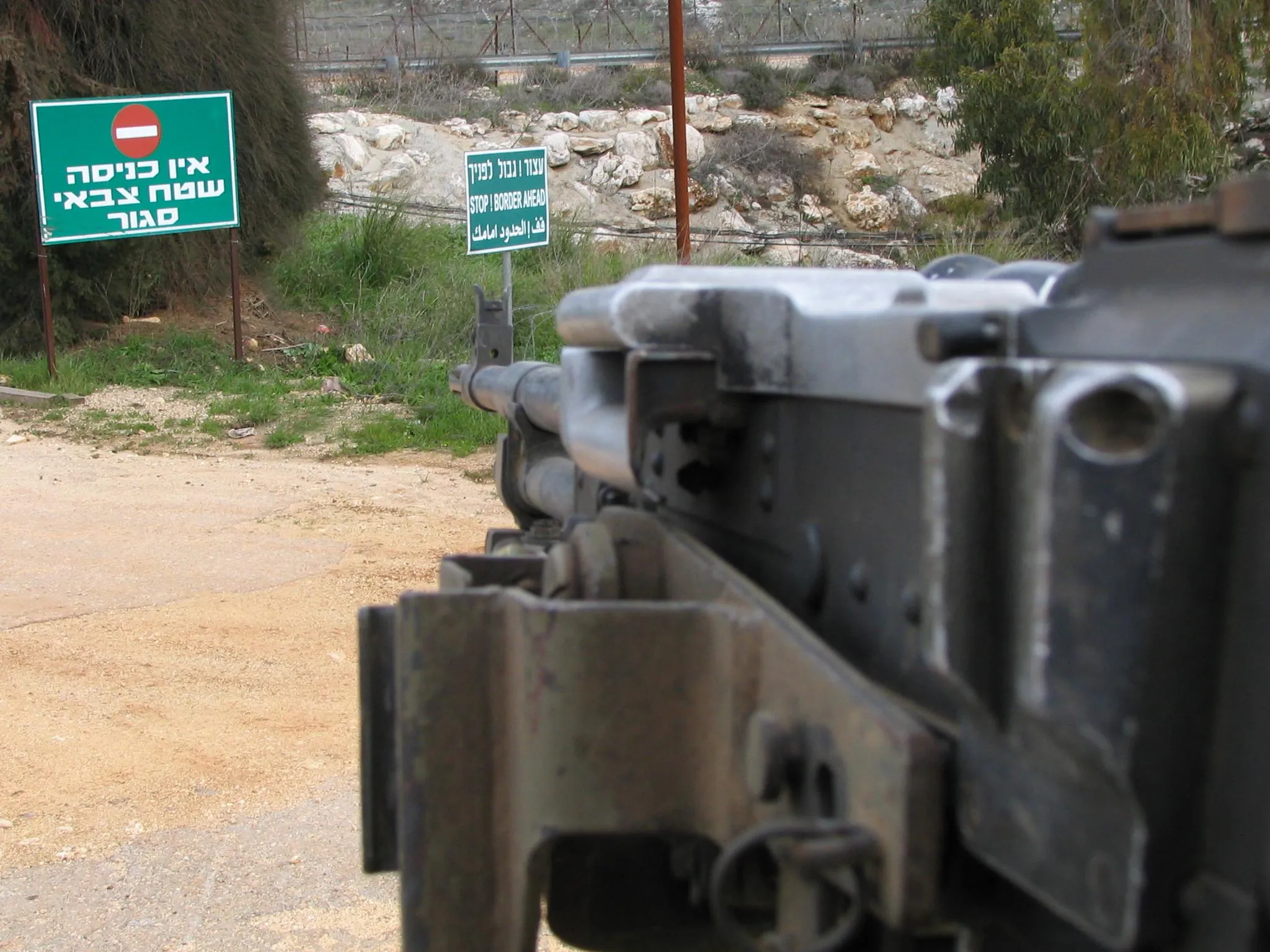
At the end of the 2006 Lebanon War, the United Nations Security Council unanimously passed Resolution 1701, which called for Hezbollah’s withdrawal from territory south of the Litani and banned armed groups other than the Lebanese Army and UN peacekeepers from operating in the region. The Litani flows roughly 29 kilometers north of the Israeli border — the length of a proposed buffer zone intended to keep Israeli cities out of range of Hezbollah rockets.
Hezbollah never meaningfully complied. Over the following 18 years, it expanded its military presence south of the river, constructing tunnels, weapons caches, and command infrastructure across hundreds of southern Lebanese villages. Israel spent years pressing the UN and the Lebanese government to enforce the resolution. When Hezbollah joined the wider regional conflict sparked by the U.S.-Israel war on Iran in late February 2026, Israel launched a ground offensive in March with five divisions — and declared its objective was to clear the militia from the south.
Friday’s crossing changed the calculus. For the first time since the 2006 war, Israeli forces are operating north of the Litani in force. Their new stated objective is the Zahrani River, roughly 10 kilometers farther north. The Zahrani crosses the Lebanese coast near the city of Sidon, and reaching it would put Israeli forces within striking range of southern Lebanese population centers that have not yet felt ground combat.
Beaufort Castle Falls
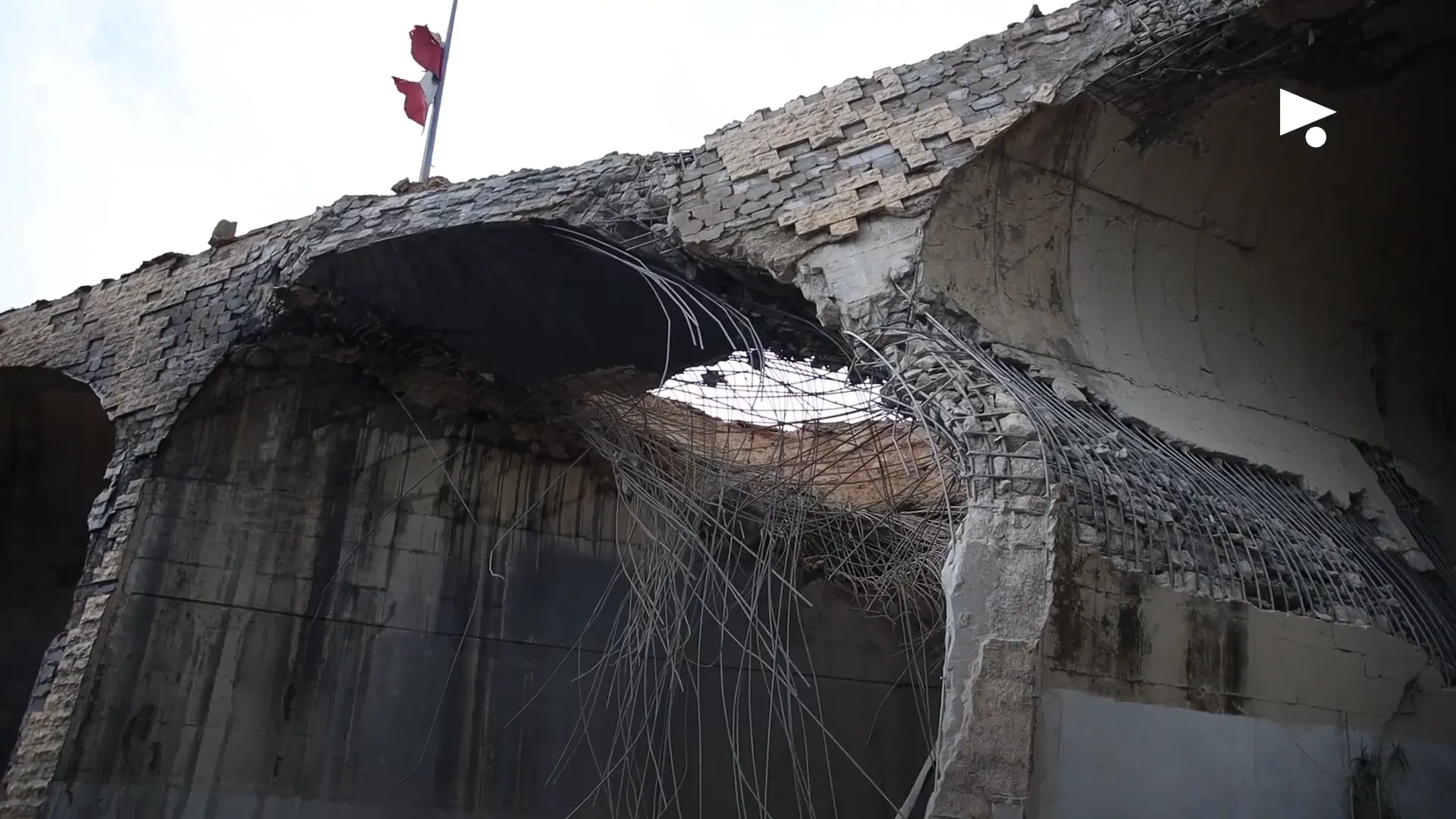
On Sunday — the same day Netanyahu issued his expansion order — the Israeli Defense Forces announced they had captured Beaufort Castle, a 12th-century Crusader fortress that stands atop a ridge above the Litani Valley near the city of Nabatieh.
The castle is a landmark in Lebanese history and in the history of Israeli-Lebanese conflict. Built by Crusaders in the 12th century, it has served as a military observation post for nearly every force that has controlled southern Lebanon across nine centuries — the Crusaders, the Ottoman Empire, the Palestinian Liberation Organization, Israel (which held it from 1982 to 2000), and Hezbollah. UNESCO granted it provisional enhanced protection in late 2024. Israeli forces now fly its flag from the ramparts.
The military rationale is straightforward: the castle’s position on the Beaufort Ridge provides commanding sightlines across the Litani Valley and deep into territory where Israeli ground forces are still advancing. The IDF described the seizure as part of an effort to “dismantle Hezbollah infrastructure in the Beaufort Ridge and Wadi al-Saluki area.”
France issued a sharp condemnation after the castle’s capture. Israel’s government called the seizure a “dramatic shift” in the offensive.
Tyre and Nabatieh Under Evacuation Orders
With Israel’s new Zahrani River objective came the most sweeping territorial evacuation order of the war. The Israeli military directed all residents south of the Zahrani to leave immediately, warning that anyone who remained risked being killed. The order covers 300 towns and villages — including the coastal city of Tyre, one of the oldest continuously inhabited cities in the world and home to roughly 160,000 people before the fighting began.
The Tyre order is significant. The city sits north of the Litani, and its inclusion in the evacuation zone signals that Israel is not treating the Zahrani as a final operational boundary but as the next objective in a continuing advance.
Israeli forces have already reached the outskirts of Nabatieh, Lebanon’s fifth-largest city, approaching from positions near the villages of Zawtar al-Sharqiyah and Choukine. Strikes on the nearby town of Deir ez-Zahrani killed several people at dawn Sunday, according to Lebanon’s National News Agency.
The Lebanese Health Ministry reported 142 people killed in Israeli attacks in the 72 hours before Sunday’s expansion order — the highest 72-hour toll since the ground offensive began. Across the full period since early March, more than 3,355 people have been killed and 10,269 wounded, including 118 children, 79 women, and 40 healthcare workers.
“The entire south of Lebanon is now a conflict zone,” humanitarian workers told Al Jazeera on Sunday. “People are being targeted in their vehicles on the main highways, and in areas north of Tyre along the road to Sidon. Wherever people are going in Lebanon, they’re finding death and destruction.”
The displacement figure — 1.2 million people, roughly one-fifth of Lebanon’s population — is among the largest and fastest-moving in the country’s modern history.
The Ceasefire in Name Only
The offensive expansion comes despite a U.S.-brokered ceasefire that technically remains in force.
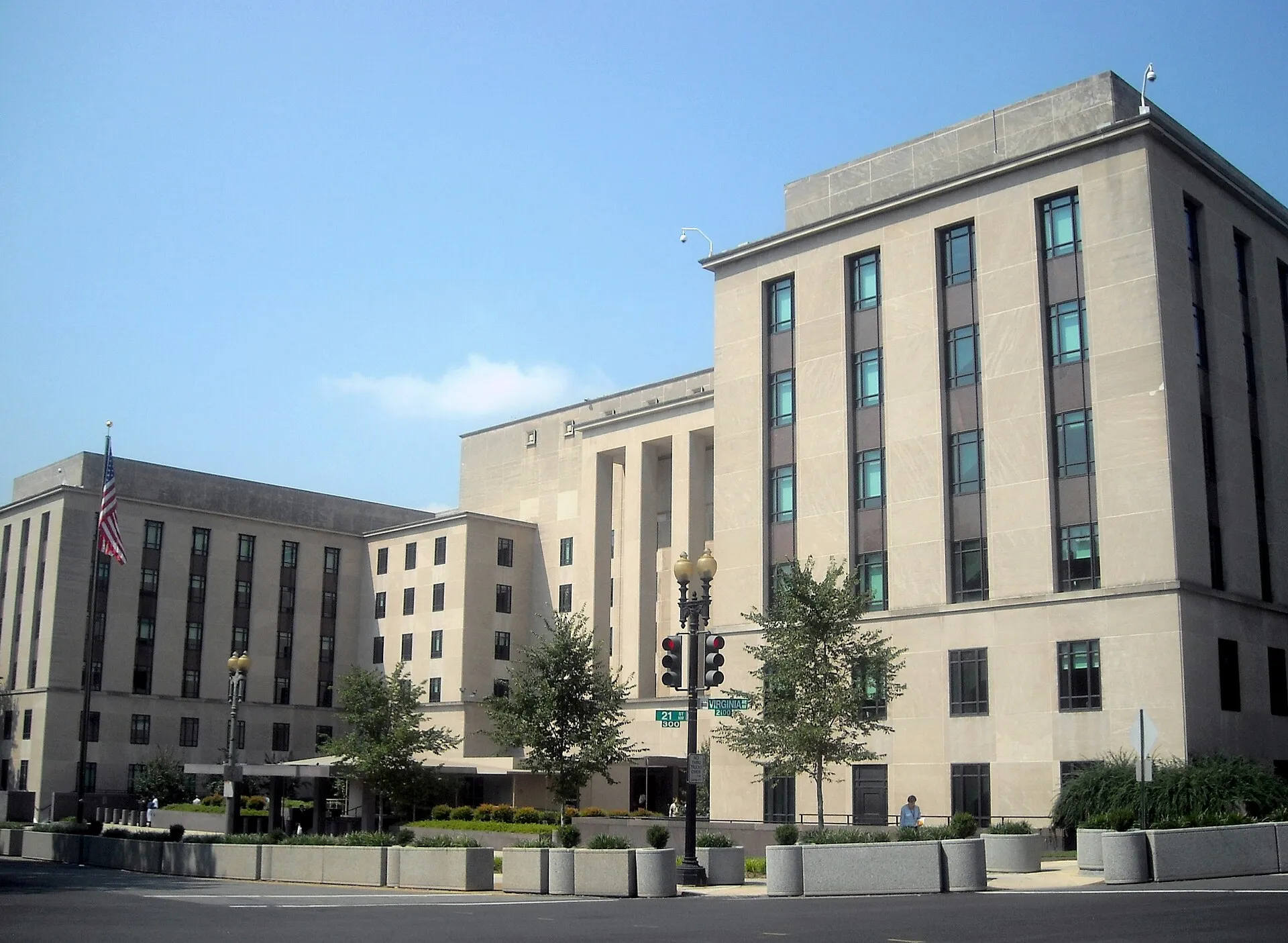
The State Department announced an initial 10-day truce on April 16, followed by a three-week extension in late April, and a 45-day extension on May 15. Each extension was accompanied by continued airstrikes, continued Hezbollah rocket and drone fire into northern Israel, and continued ground skirmishes in the south. The Lebanese Health Ministry counted at least 380 people killed in Israeli attacks since the truce originally took effect.
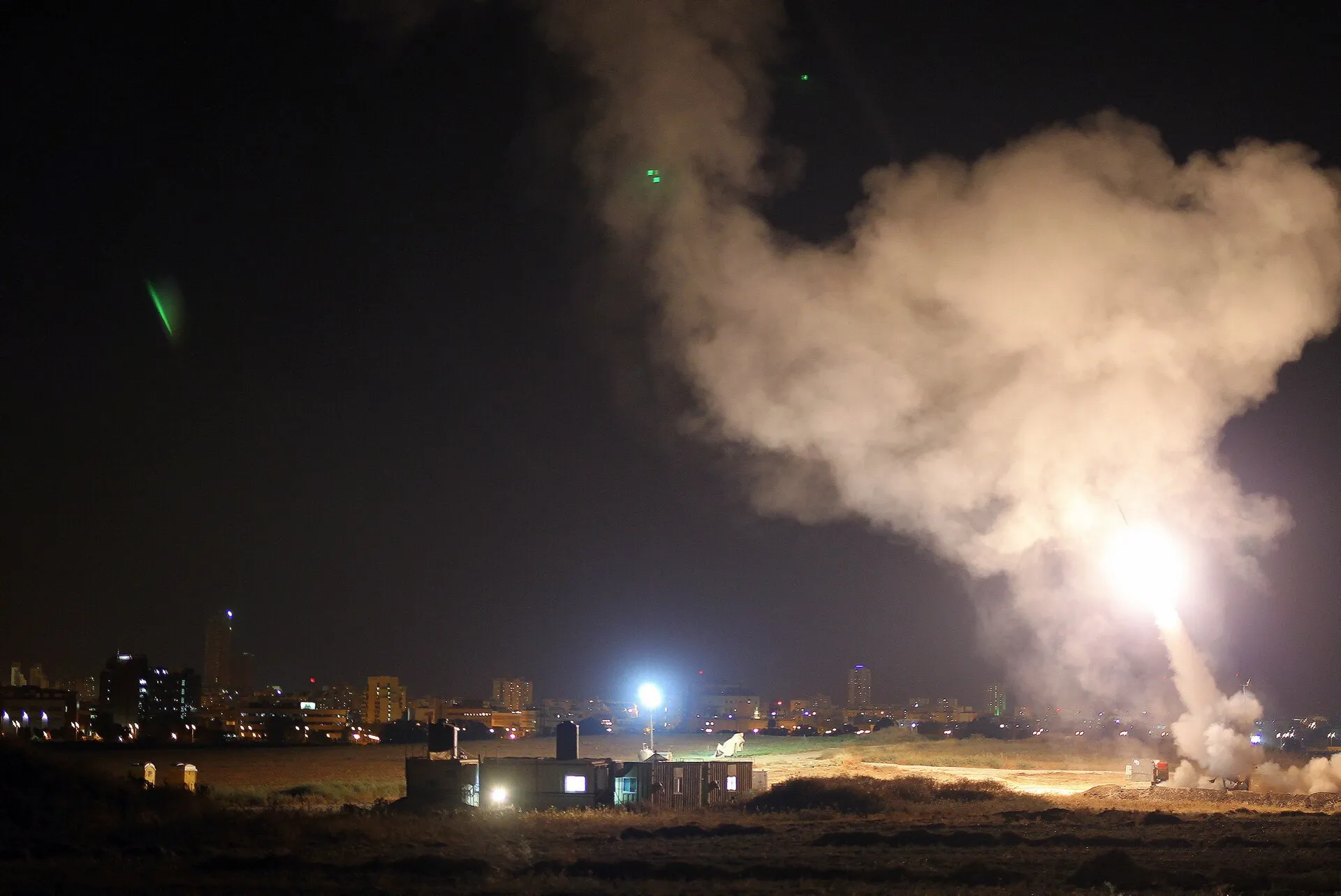
Saturday saw one of the heaviest Hezbollah barrages since the ceasefire began — launched the day before Netanyahu issued his expansion directive. Hezbollah claimed 19 separate military operations against Israeli forces on Sunday alone, including drone strikes targeting IDF units in the Beaufort area.
The ceasefire’s framework calls for Israeli and Lebanese officials to negotiate a permanent settlement, including the disarmament of Hezbollah and the deployment of the Lebanese Army to southern Lebanon. Those talks have continued, including at the Pentagon, where military delegations from both sides have met. But the gap between what is being discussed diplomatically and what is happening on the ground has grown wider with each passing week.
The Lebanon front is now deeply entangled with the broader regional picture. The ongoing negotiations over an Iran nuclear framework remain stalled in part because Iranian officials have explicitly tied Hezbollah’s fate in southern Lebanon to any deal with Washington. Tehran has said Israeli withdrawal from Lebanese territory is a prerequisite for meaningful progress. The question of whether the Strait of Hormuz stays stable runs through the same tangled negotiation.
What Comes Next
Israeli and Lebanese military delegations are expected to continue ceasefire talks at the Pentagon in the coming days. The current 45-day extension runs through late June — though neither side is honoring its terms in the field.
The UN Security Council is expected to hold emergency consultations on Lebanon this week, following French condemnation and calls from European governments for Israel to halt the offensive. Whether those consultations produce anything more than a statement remains to be seen; the United States vetoed an earlier Security Council resolution on Lebanon in March.
The targeted killing of Hamas’s military chief earlier this year and the conclusion of Operation Epic Fury’s initial campaign against Iran have not resolved the regional conflict — they have redrawn its map. The Lebanon front, which opened as a secondary theater in late February, has become its own primary crisis.
The central question now is how far north Israeli forces are authorized to go. The Zahrani River is the stated next line. Beyond it sits Sidon, Lebanon’s third-largest city. No Israeli official has publicly defined a final objective north of the Zahrani, and Netanyahu’s order on Sunday used language — “deepen and expand” — that does not suggest a fixed endpoint.
For the 1.2 million Lebanese already displaced, and for the hundreds of thousands more now under evacuation orders in Tyre and the Zahrani zone, the answer matters immediately. The ceasefire agreements have not protected them. Whether the next round of diplomacy will is the question the week opens on.
Sources 7 cited · 1 primary
- Ten Day Cessation of Hostilities to Enable Peace Negotiations Between Israel and Lebanon
- Israeli forces push past Lebanon's Litani River: How significant is it?
- Israel seizes Crusader-era castle as Netanyahu orders forces deeper into Lebanon
- Netanyahu vows to expand Israel's grip on Lebanon after deepest incursion in 26 years
- Israel seizes medieval castle as it expands major offensive in southern Lebanon
- Israel-Lebanon ceasefire extended by 45 days but deadly strikes continue
- 2026 Lebanon war
American Courant cites its sources and links to primary documents where they exist. How we report →