Israel’s military confirmed Saturday that a Friday evening airstrike on Gaza City’s Rimal neighborhood killed Izz al-Din al-Haddad, the head of Hamas’s Qassam Brigades and the most senior Hamas military commander still operating inside Gaza. Hamas’s military wing confirmed his death in a separate statement Saturday morning — the first time both sides have simultaneously acknowledged the elimination of Hamas’s top military official since an October 2025 ceasefire agreement was supposed to pause large-scale fighting.
Prime Minister Benjamin Netanyahu and Defense Minister Israel Katz described al-Haddad in a joint statement as “one of the senior Hamas military commanders who directed the planning and execution” of the October 7, 2023 attacks, which killed approximately 1,200 Israelis and took more than 250 people hostage. The IDF described him as the last senior member of the October 7 Military Council still present in Gaza.
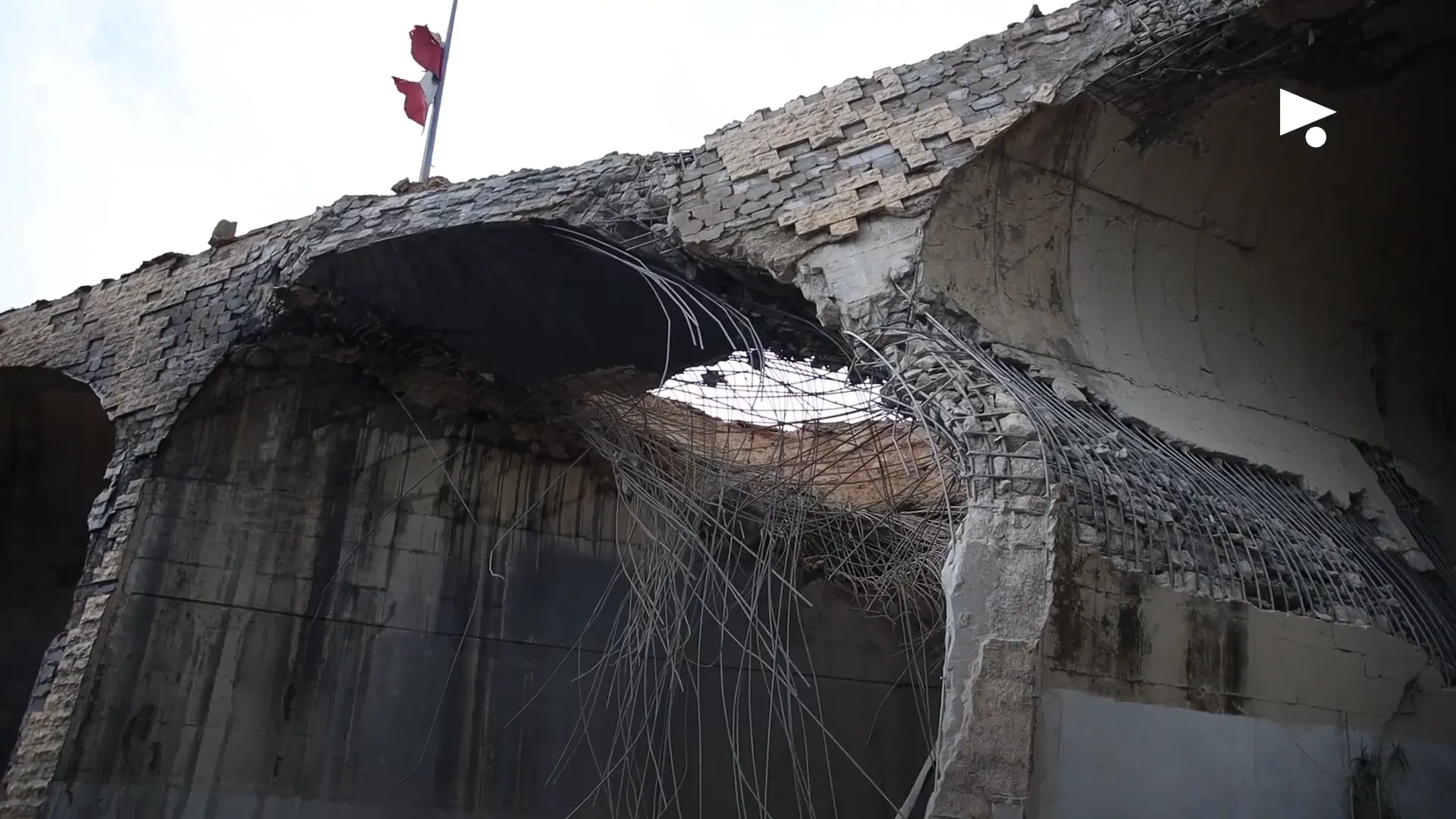
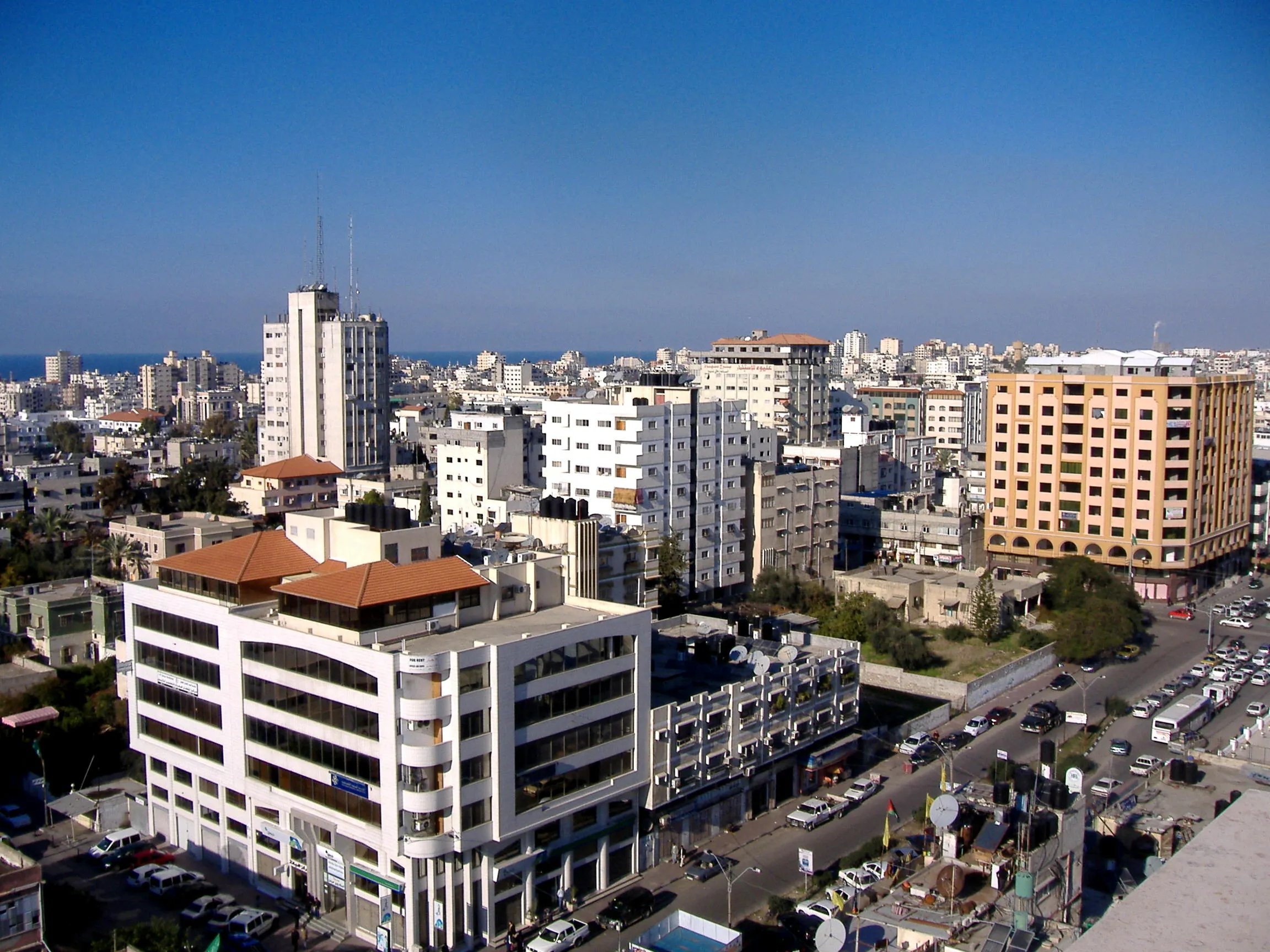
The Israeli Air Force struck two locations in the Rimal neighborhood of western Gaza City on Friday evening: a building and a vehicle on a nearby street. Hamas said al-Haddad’s wife and daughter were killed alongside him. Palestinian health officials in Gaza reported at least seven people killed and more than 50 wounded in and around the targeted sites.
Who Was Izz al-Din al-Haddad
Izz al-Din al-Haddad was among the founding generation of Hamas’s military infrastructure. He joined the organization when it was established in the late 1980s and became an early member of the Qassam Brigades’ Majd unit — Hamas’s internal counterintelligence section, historically tasked with identifying and pursuing Palestinians suspected of collaborating with Israel.
Over more than three decades, al-Haddad climbed through the Brigades’ command structure to its highest tier. By the time of the October 7 attacks, he sat on Hamas’s Military Council, the apex body of the Qassam Brigades, and led the Gaza City Brigade — one of Hamas’s five main regional military formations inside the Strip.
His path to overall command of the Brigades ran through a succession of deaths. Yahya Sinwar, Hamas’s political and military chief and the primary architect of October 7, was killed by Israeli forces in October 2024. His brother Mohammed Sinwar, who led the Qassam Brigades, was killed in a subsequent Israeli operation. Mohammed Deif, the Brigades’ longtime commander, was killed in a 2024 airstrike. Al-Haddad stepped into the commanding role from this depleted field of successors.
Throughout the war, Israeli and American intelligence assessed that al-Haddad had deliberately kept Israeli hostages taken on October 7 near his location — a deterrent against targeted strikes. The hostage captivity system inside Gaza, which al-Haddad managed directly according to IDF statements, became both a protection layer for him and one of the most contested dimensions of ceasefire negotiations. As of May 2026, fewer than 100 of the original 250-plus hostages remain in Gaza, a mix of living captives and the bodies of those who died in captivity or were killed. Hostage return has proceeded in stages through Qatari and American mediation, but no comprehensive deal to end the war and free the remaining captives has materialized.
The Strike: Years of Intelligence, a Deception Operation
The IDF’s Southern Command and Military Intelligence Directorate identified al-Haddad’s location after what the military described as “years of intelligence collection.” The operation required substantial preparation.
According to the IDF, before executing the strike, the Air Force conducted what it called a “deception operation” — introducing deliberate misdirection into Israeli military signals over the western Negev and Gazan airspace. The goal was to prevent Hamas’s military wing and al-Haddad’s close associates from detecting unusual pre-strike activity that might prompt him to move or alert his security detail.
The dual-site nature of the strike — targeting a building and a vehicle on the same Rimal street within a compressed window — reflects intelligence indicating al-Haddad was moving between two locations on Friday evening when the operation was executed. Israeli officials confirmed both sites were struck.
Hamas’s military wing confirmed his death in a formal statement Saturday morning, identifying al-Haddad as the Brigades’ commander in Gaza and pledging to continue fighting. Hamas’s political bureau, which operates primarily from Qatar, separately called him a martyr. Neither statement named a successor.
Netanyahu called the strike “a major achievement” in statements posted to Israeli official accounts. His coalition government — under sustained pressure from far-right coalition partners to escalate military operations and from hostage families to prioritize negotiations — used the killing to argue both objectives can be pursued simultaneously.
His Operational Role on October 7
The IDF’s account of October 7 planning places al-Haddad at the center of final preparations in the Gaza City sector. The evening of October 6, 2023, he convened the Gaza City Brigade’s battalion commanders and distributed written orders for the following morning’s assault.
The orders, recovered and translated by the IDF, emphasized two priorities: abducting Israeli soldiers and civilians and transporting them into Gaza, and live-broadcasting the attacks in real time. The live-broadcast directive was an unusual departure from conventional operational security, reflecting a deliberate choice to ensure visual documentation reached the world as the attacks unfolded.
Al-Haddad was also a member of the Hamas Military Council that authorized the October 7 operation overall. His command of the Gaza City Brigade placed him in direct charge of units responsible for attacks on communities in the northern Gaza periphery and for the capture of a significant share of the October 7 hostages.
He was, by both Israeli and U.S. government accounts, the last senior figure from that Military Council still operating inside Gaza by the time of Friday’s strike.
What His Death Means for the War
Al-Haddad’s killing removes the last member of October 7’s senior military planning tier still present inside Gaza. That is a concrete and significant milestone in Israel’s stated goal of dismantling Hamas’s command structure. Whether it changes the operational trajectory of the conflict depends on what follows.
Since October 2023, Israel’s military has killed every top Hamas commander it identified as a priority target — and the fighting has continued. Hamas’s command structure, degraded at its highest levels, has reconstituted battlefield direction at the brigade and battalion level. Tunnel networks, rocket production, and ground defense operations have persisted through each successive leadership elimination.
The October 2025 U.S.-backed ceasefire framework that paused large-scale Israeli ground operations in much of Gaza remains formally in effect but has been marked by repeated violations, continuing targeted strikes, and an incomplete hostage-prisoner exchange process. Netanyahu’s concurrent regional diplomacy has included reported outreach to Gulf states — including a contested visit to the UAE that Abu Dhabi’s foreign ministry denied, underscoring the complexity of Israel’s position during the war.
Since the United States launched Operation Epic Fury against Iran in February, Israel and the United States have been managing two simultaneous theaters — Gaza and the Persian Gulf — with the Strait of Hormuz crisis and IRGC escalations consuming strategic attention and air assets that might otherwise have been concentrated in Gaza.
For the families of the remaining hostages, al-Haddad’s death removes the man who oversaw the captivity system — but it does not automatically change the conditions of captivity, accelerate the pace of deal-making, or bring the remaining captives home. Hamas’s political bureau in Qatar, not any field commander in Gaza, is the negotiating counterparty in hostage talks. His death removes a visible symbol of the October 7 command structure; it does not change the fundamental leverage dynamics of negotiations still mediated through Qatari and American intermediaries.
Hamas has pledged to continue fighting and has named no replacement. The next tier of the Qassam Brigades’ command structure is less publicly documented, which means Israel must rebuild intelligence on whoever steps into al-Haddad’s role — a cycle that has repeated with each successive leadership elimination since October 2023.
Sources 6 cited · 2 primary
- Gaza airstrike targeted Hamas military wing leader, Israel says
- Hamas commander who helped plan Oct. 7 attacks has been killed, Israel says
- Hamas confirms killing of Qassam Brigades leader in Israeli attack
- IDF confirms Hamas Gaza chief Izz al-Din al-Haddad killed in airstrike
- Israel says it killed the leader of Hamas' military wing, one of the architects of Oct. 7 attacks
- Israel kills most senior Hamas military leader in Gaza strike
American Courant cites its sources and links to primary documents where they exist. How we report →