Flying to Madrid on Saturday for the first major European trip of his papacy, Pope Leo XIV did something popes usually take pains to avoid: he weighed in, plainly, on a war the United States is helping wage. Asked by reporters aboard the papal plane whether the conflict in Iran could be considered a “just war,” the first American-born pontiff answered that it could not.
“There is no just war there,” Leo said, according to accounts from Vatican News and Religion News Service. Pressed further, he said “the criteria for a just war are not present,” and added that “I believe it has been already declared clearly.” He went on to question whether the centuries-old doctrine still fits modern warfare at all: “The theory of the just war dates back to centuries when it was impossible to imagine the weapons and the destructive capacity available to humanity today.”
The remarks were not abstract theology. They were a direct response to a question about Vice President JD Vance, who in April invoked just-war theory to defend U.S. involvement in the war — and who suggested the pope should “be careful” when speaking about it. By answering on the record, Leo turned a months-long simmering dispute between the Vatican and the White House into an open, on-camera disagreement, and he did it as an American addressing his own country’s government.
What the Pope Said
Leo grounded his answer in his own teaching. He pointed reporters to his recent encyclical, Magnifica Humanitas (Magnificent Humanity), which argues that just-war theory has “too often been used to justify any kind of war.” The encyclical is the formal articulation of a stance Leo has signaled since the early weeks of his papacy: that the moral threshold for calling a war “just” should be far higher in an age of weapons capable of mass destruction.
Just-war doctrine is one of the oldest strands of Christian moral thought, developed over centuries from Augustine through Thomas Aquinas and refined in modern Catholic teaching. It sets conditions a war must meet to be morally permissible — among them a just cause, legitimate authority, proportionality, and a reasonable prospect of success without disproportionate harm. The framework is precisely the one Vance reached for to defend the Iran war, which is what makes Leo’s rejection so pointed: he is not dismissing the tradition but arguing that, measured against its own criteria, this war fails the test.
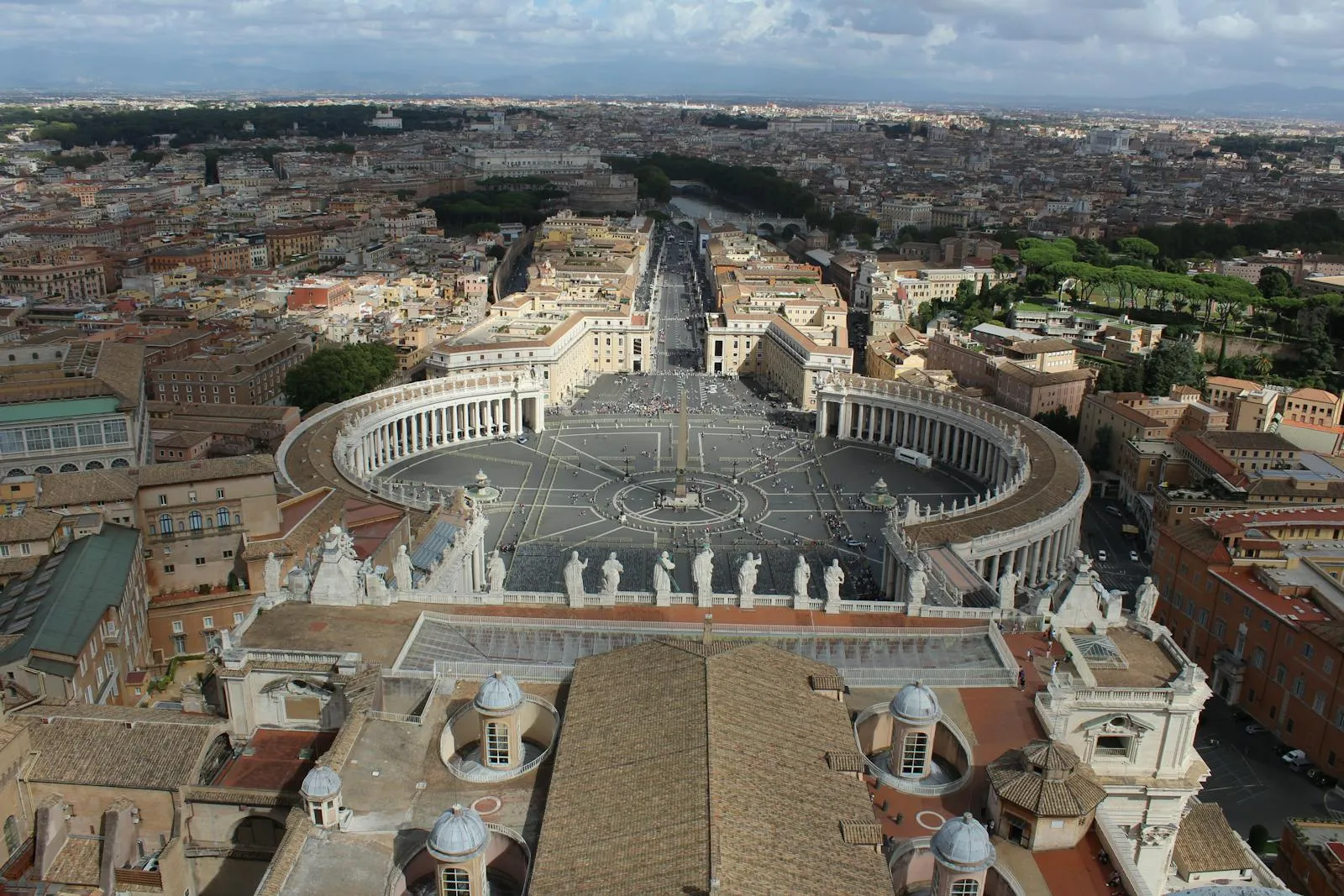
The setting underscored the message. Leo landed in Madrid on Saturday morning and was received by King Felipe VI and Queen Letizia, beginning a six-day visit that will also take him to Barcelona and the Canary Islands. The trip leans heavily on themes — peace, migrants, the dignity of the vulnerable — that defined the late Pope Francis, and Leo has framed his own papacy as a continuation of that emphasis rather than a departure from it. Choosing the flight to make his clearest statement yet on the Iran war fit a pattern: popes often use the informal in-flight press conference to say what a prepared text would soften.
The Clash With Washington
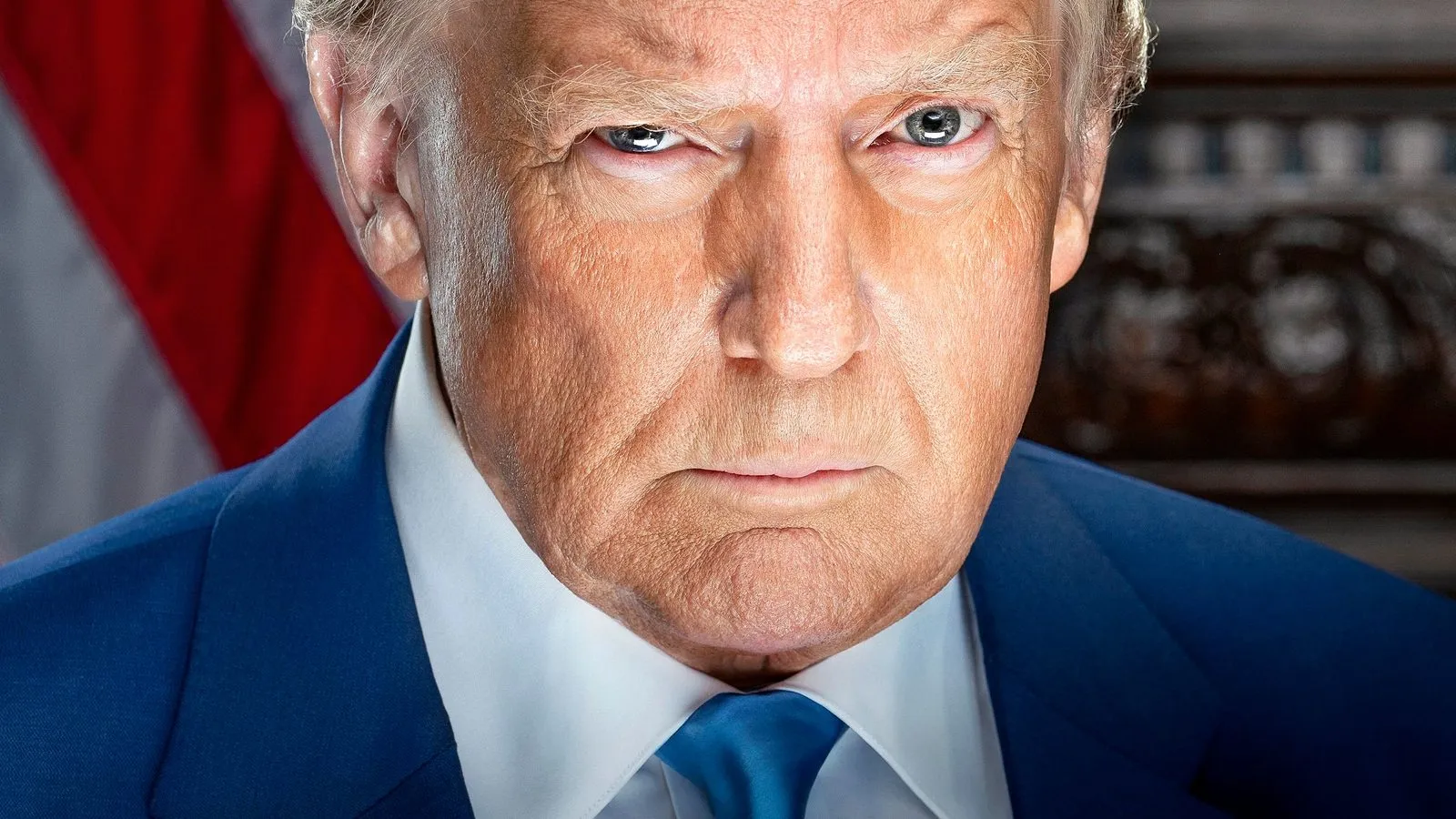
The disagreement has been building for months. The Vatican publicly opposed the war’s escalation, and the friction grew personal after Vance’s April comments. President Trump, responding to the pope’s earlier criticism, called Leo “weak” on war in a post on his Truth Social platform — an extraordinary rebuke of a pontiff by a sitting U.S. president, and a measure of how raw the relationship had become.
Both sides have since tried to manage the rupture. In May, Secretary of State Marco Rubio — himself a Catholic — spent hours at the Vatican in an effort to repair the White House’s rift with the Church over the Iran war. That meeting lowered the temperature without resolving the underlying disagreement, and Leo’s latest comments show why: the dispute is not about tone but about whether the war can be morally justified at all. Vance’s just-war argument and Leo’s flat rejection of it are not positions that split the difference.
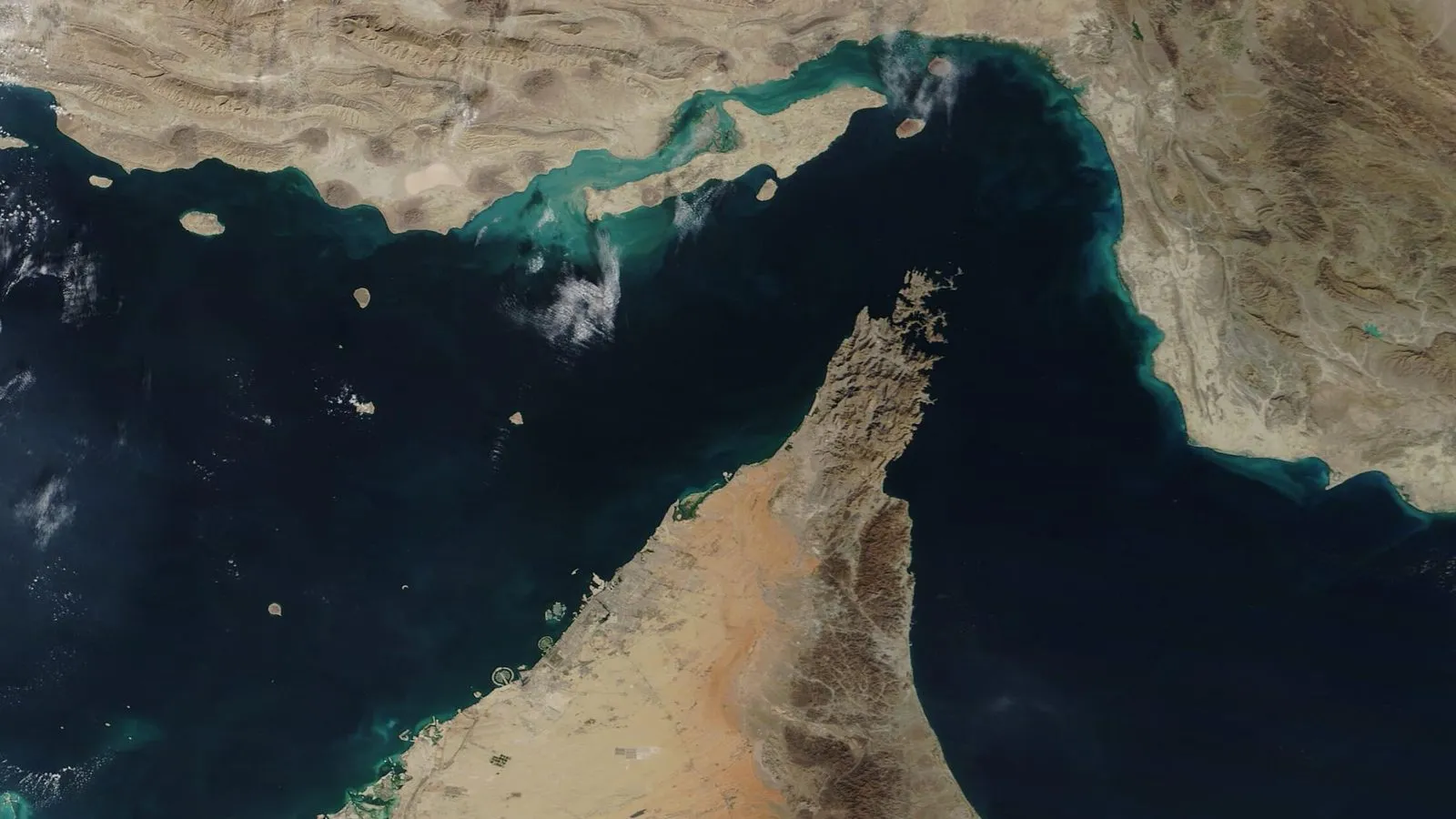
The substance sits against a war that has lurched between fighting and fragile diplomacy. U.S. and Iranian forces have continued to trade strikes around the Strait of Hormuz even as a ceasefire framework remains in play, and Washington’s push for a durable agreement has repeatedly stalled. Leo’s intervention lands in that uncertainty, adding a moral argument to a debate that has mostly been conducted in the language of deterrence, oil prices and force posture.
The Timeline
The feud did not begin on the papal plane. It built over months as the war ground on and the Vatican grew more vocal.
In April, as U.S. involvement deepened, Vance publicly framed the war through just-war theory and suggested the pope tread carefully on the subject — the same month Leo used his first Easter address to plead for an end to the world’s conflicts. Trump answered the pope’s criticism by calling him “weak” on war in a Truth Social post, an unusually direct attack from a U.S. president on a sitting pontiff. In early May, Rubio traveled to the Vatican for hours of talks aimed at cooling the dispute, a meeting that eased the public tone without bridging the substantive gap. Now, in early June, Leo has restated the disagreement in the bluntest terms yet, and tied it to a formal encyclical rather than an off-the-cuff remark. Each step has widened, rather than closed, the distance between Rome and Washington.
Why a Pope’s Words Carry Here
A pope criticizing a war is not new. A pope from the United States criticizing a war his own government is fighting is. Leo XIV, born in Chicago, leads a Church that counts tens of millions of American Catholics, including senior figures across both parties and within the administration itself. When he says the criteria for a just war “are not present,” he is speaking in a moral vocabulary that American Catholics — and the Catholic politicians who cite that tradition — cannot easily wave away.
That is the uncomfortable position the dispute creates for the White House. Vance built his public defense of the war on just-war theory, the very framework Leo invoked to reject it. The vice president now faces a pope using the same doctrine to reach the opposite conclusion, and doing so with the authority of the office and the added weight of shared nationality. It is a rare instance of the Church’s teaching authority colliding head-on with a specific U.S. policy, narrated in real time, with both principals American.
Leo continued his earlier appeals for peace during the flight, consistent with the message he delivered in his first Easter address, when he pressed for an end to the world’s wars. The difference now is specificity: he named the war, named the doctrine, and rejected the case for it.
What Comes Next
Leo’s Spain trip runs through the week, and the Vatican will be watched for whether he sharpens or softens the message in his public homilies in Madrid and Barcelona. The administration’s response is the other variable. Trump and Vance have shown little appetite for letting papal criticism go unanswered, and any further escalation would deepen a rift that Rubio’s May visit only paused.
The larger question is whether Leo’s stance shifts anything beyond rhetoric. Popes do not command armies, and moral pressure has limited purchase on a war driven by hard security calculations. But Leo has now planted a clear marker: that the Church, under an American pope, considers this war unjustifiable on its own terms. How loudly Catholic leaders in Washington echo — or resist — that judgment will say a great deal about where the moral argument over the Iran war goes from here.
Sources 5 cited · 1 primary
- Pope Leo XIV renews call for peace during flight to Spain
- Pope Leo makes clear Iran is not a 'just war,' as he travels to Madrid for week in Spain
- Pope Leo says war with Iran is not a 'just war'
- What to Know About Pope Leo's Journey to Spain — and How It Honors the Late Pope Francis
- Pope Leo says US-Israeli war against Iran not 'just war'
American Courant cites its sources and links to primary documents where they exist. How we report →