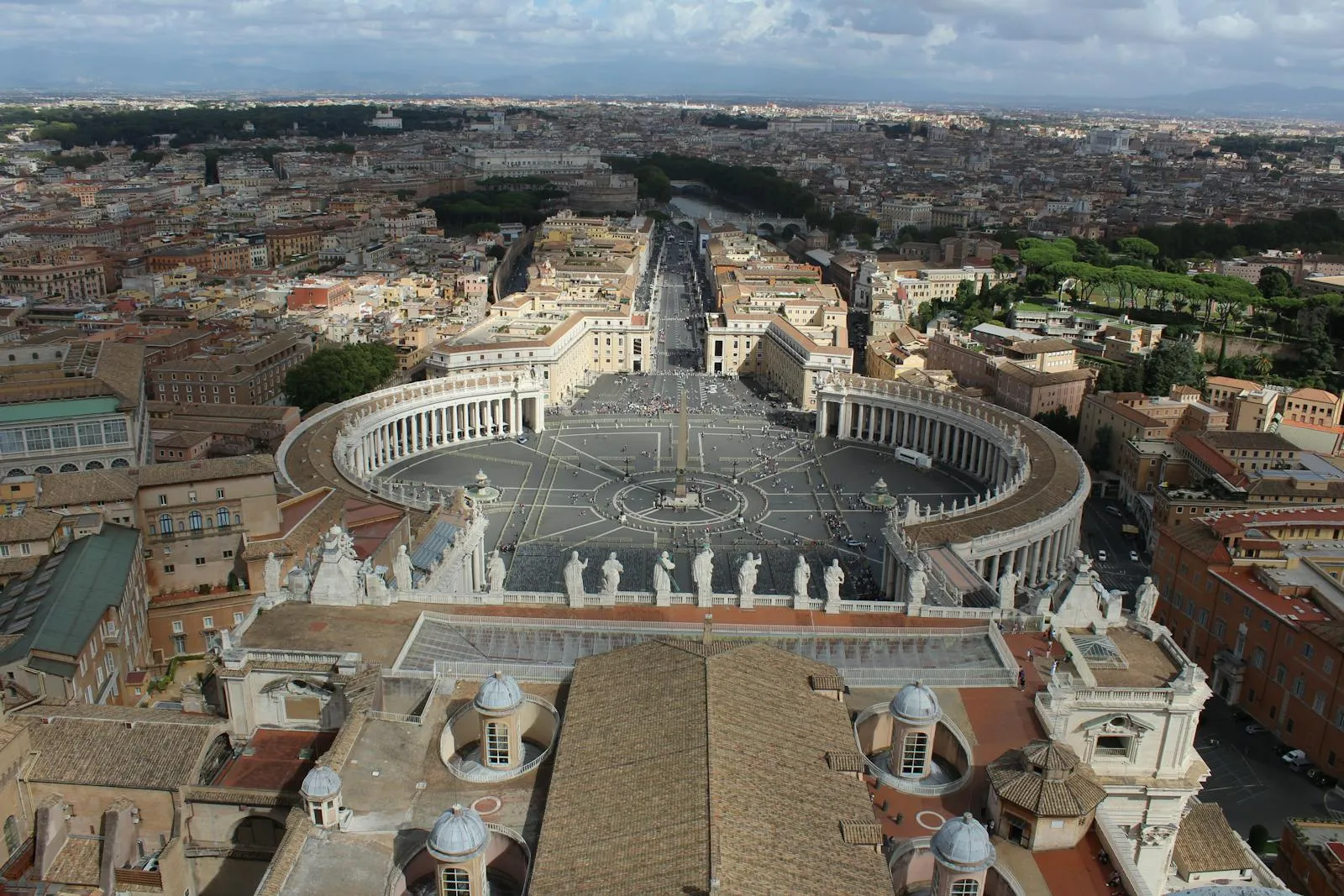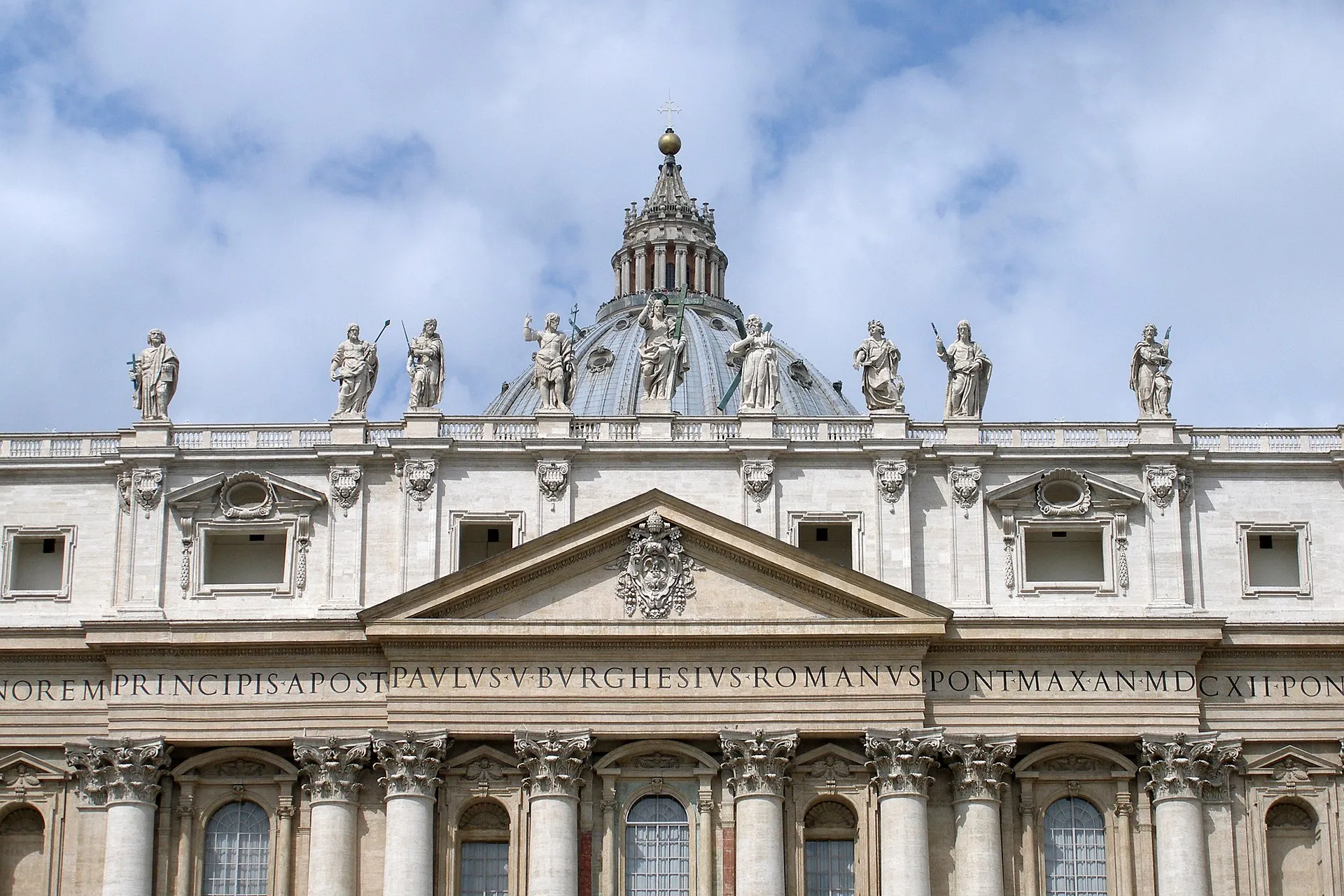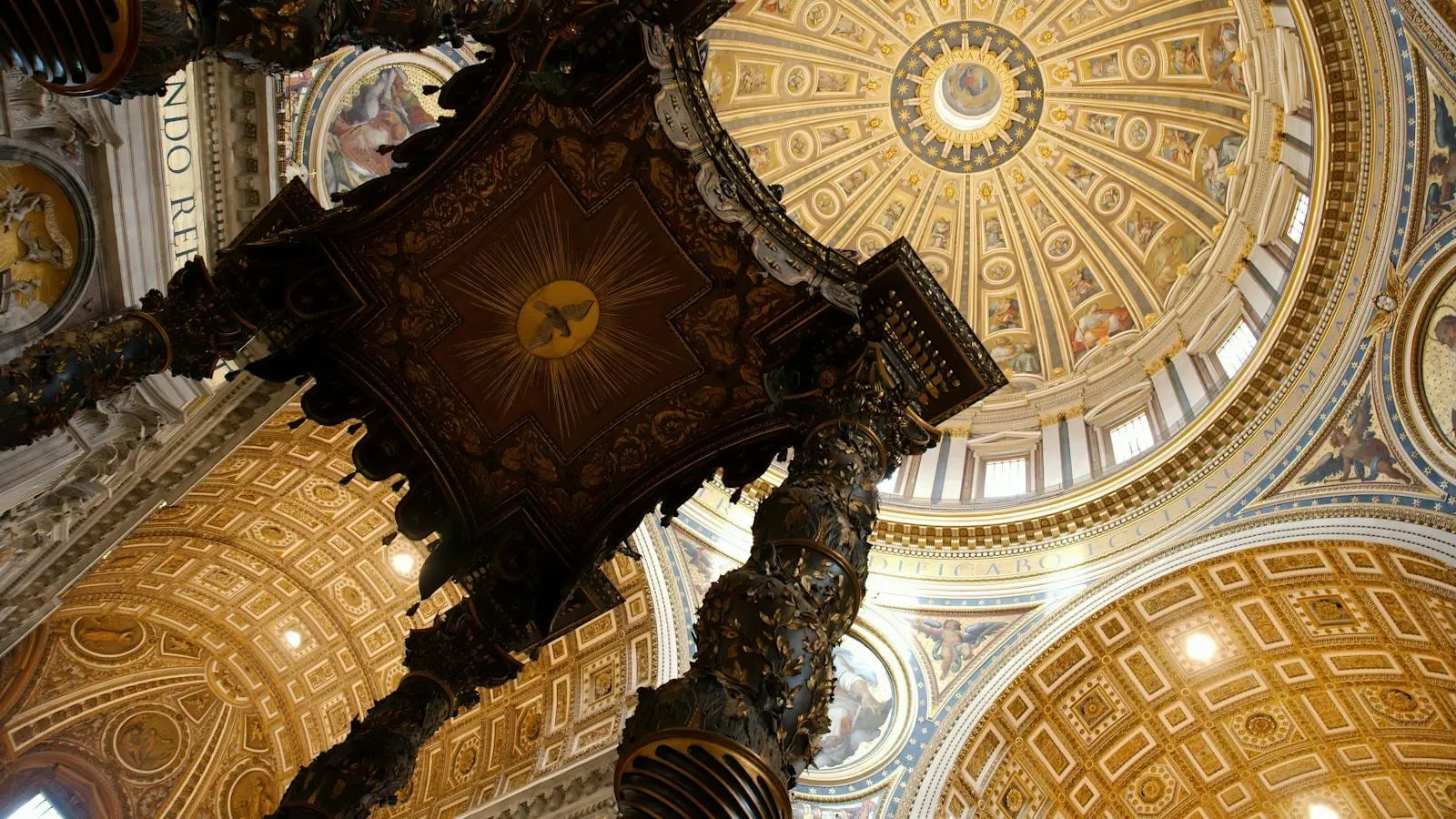
Pope Leo XIV stepped onto the loggia of St. Peter’s Basilica on Easter Sunday and did something his recent predecessors had not. He gave the Urbi et Orbi address. He did not name the wars.
The omission was not casual.
For thirty years, the Easter blessing has functioned as something close to a papal foreign-policy statement — a sweep through the year’s catalog of conflicts and humanitarian crises, naming each in turn. John Paul II began the modern form. Benedict tightened it. Francis made it nearly a fixed liturgy of geography: Ukraine, Sudan, Myanmar, Syria, the Holy Land. Leo had every expectation he would do the same.
He did not.
What he said instead
What Leo offered, in eight short paragraphs, was a single rhetorical line repeated three different ways: lay down the weapons, choose dialogue, and refuse to confuse a peace imposed by force with peace itself. He greeted the faithful in ten languages, including Arabic, Chinese, and Latin — a small revival of a practice Francis had let lapse — and he announced a peace vigil in St. Peter’s Square for the following weekend.
The weapons line, in the original Italian, was sharp enough to be quoted across European front pages by Monday morning. The names that didn’t appear — Iran, Israel, Lebanon, Ukraine, Sudan — were noted just as quickly.
In Rome’s diplomatic corps, the absence read as deliberate restraint. Vatican analysts who track papal statements parsed it as a method change rather than a policy change: this pope, they suggested, will choose carefully when to invoke a country by name, on the theory that a less frequent invocation lands harder.
Why it matters beyond the church
Two practical effects are already visible. The first is that several Eastern Catholic and Orthodox leaders, including Archbishop Sviatoslav of the Ukrainian Greek Catholic Church, did the naming themselves over the following days — calling the Easter Sunday seizure of a Greek Catholic parish in Russian-occupied Tokmak “blasphemy against the Risen Lord.” The vacuum left by Leo’s restraint did not stay empty.
The second is that the Archbishop of Canterbury, Dame Sarah Mullally, traveled to Rome the following Saturday on her first foreign visit since taking office. The agenda was officially private; the timing was not.
Leo, the former Cardinal Robert Prevost, is six months into the papacy. The geopolitical map has not been kind to him. The early read is that he intends to hold his fire and use specifics like a scalpel — and to let the rest of the church speak when the speaking has to be specific.
Sources 6 cited · 2 primary
- Easter Sunday — Resurrection of the Lord — "Urbi et Orbi" Blessing, 2026
- Urbi et Orbi: Pope urges world leaders to lay down weapons
- Pope Leo XIV urges peace in first Easter Mass, skips naming conflicts in Urbi et Orbi
- Pope Leo XIV calls for peace in first Easter Mass as pontiff as Christians celebrate worldwide
- Full Text: Pope Leo XIV's Urbi et Orbi Message
- Pope Leo's first Easter 'Urbi et Orbi' message
American Courant cites its sources and links to primary documents where they exist. How we report →