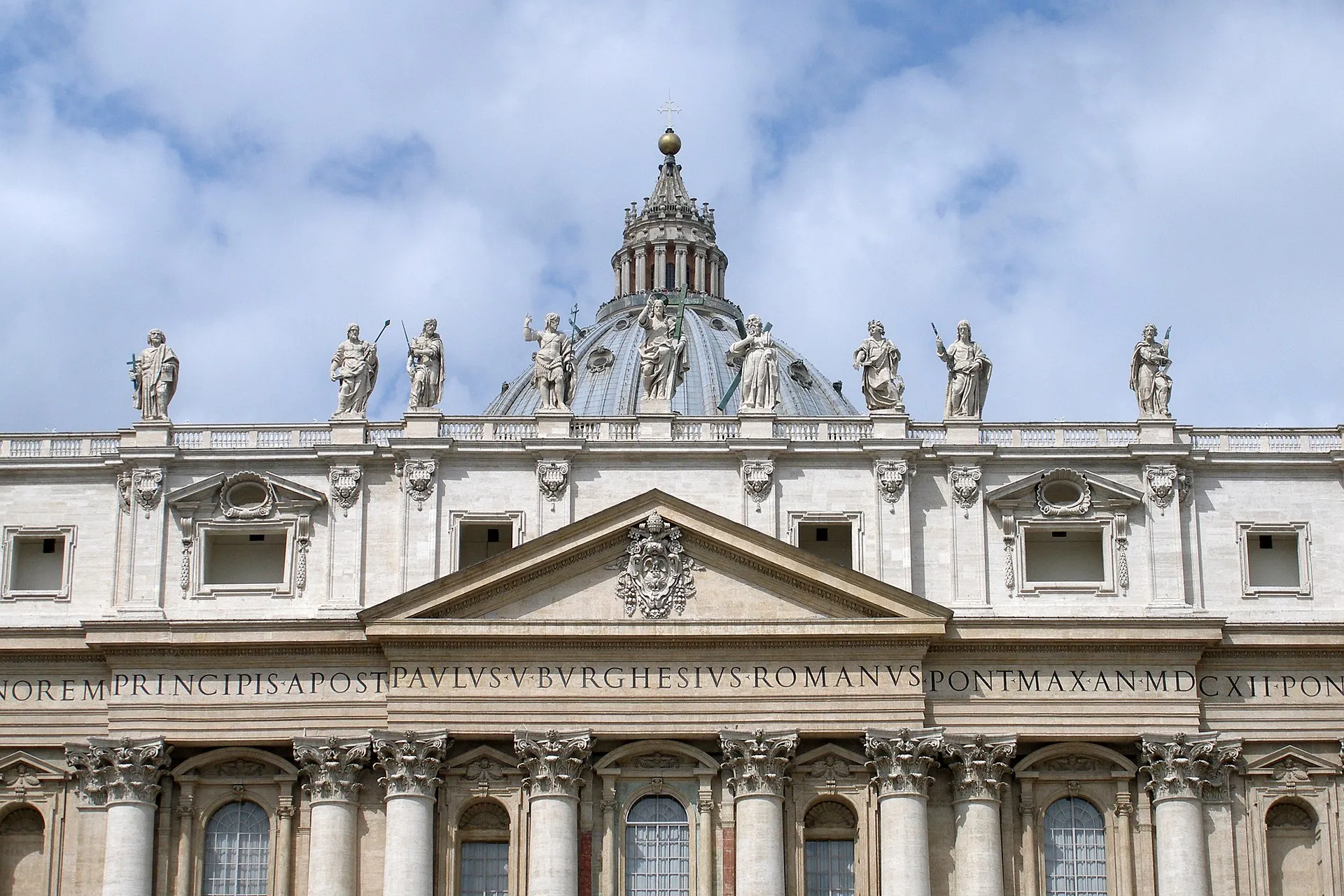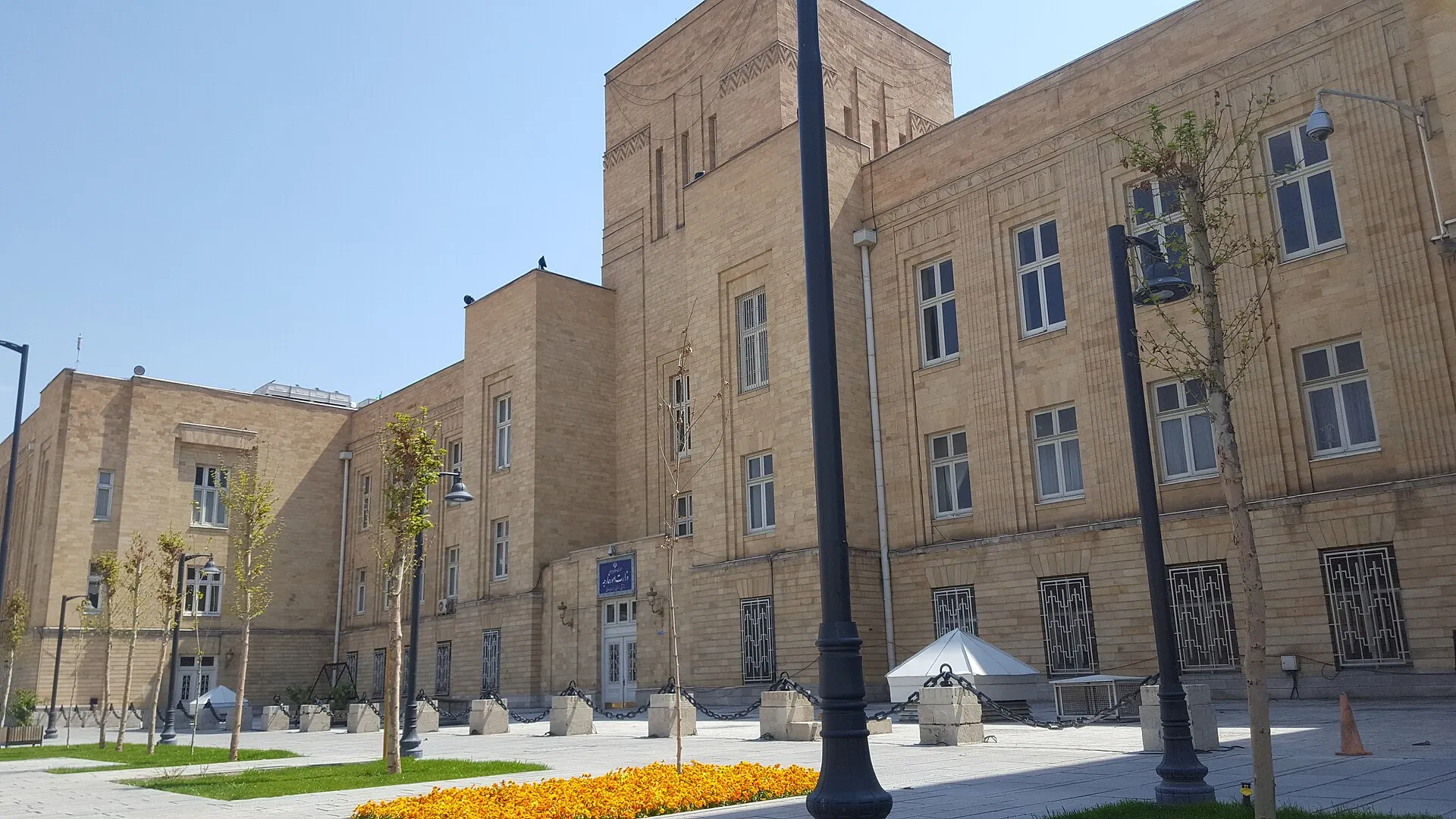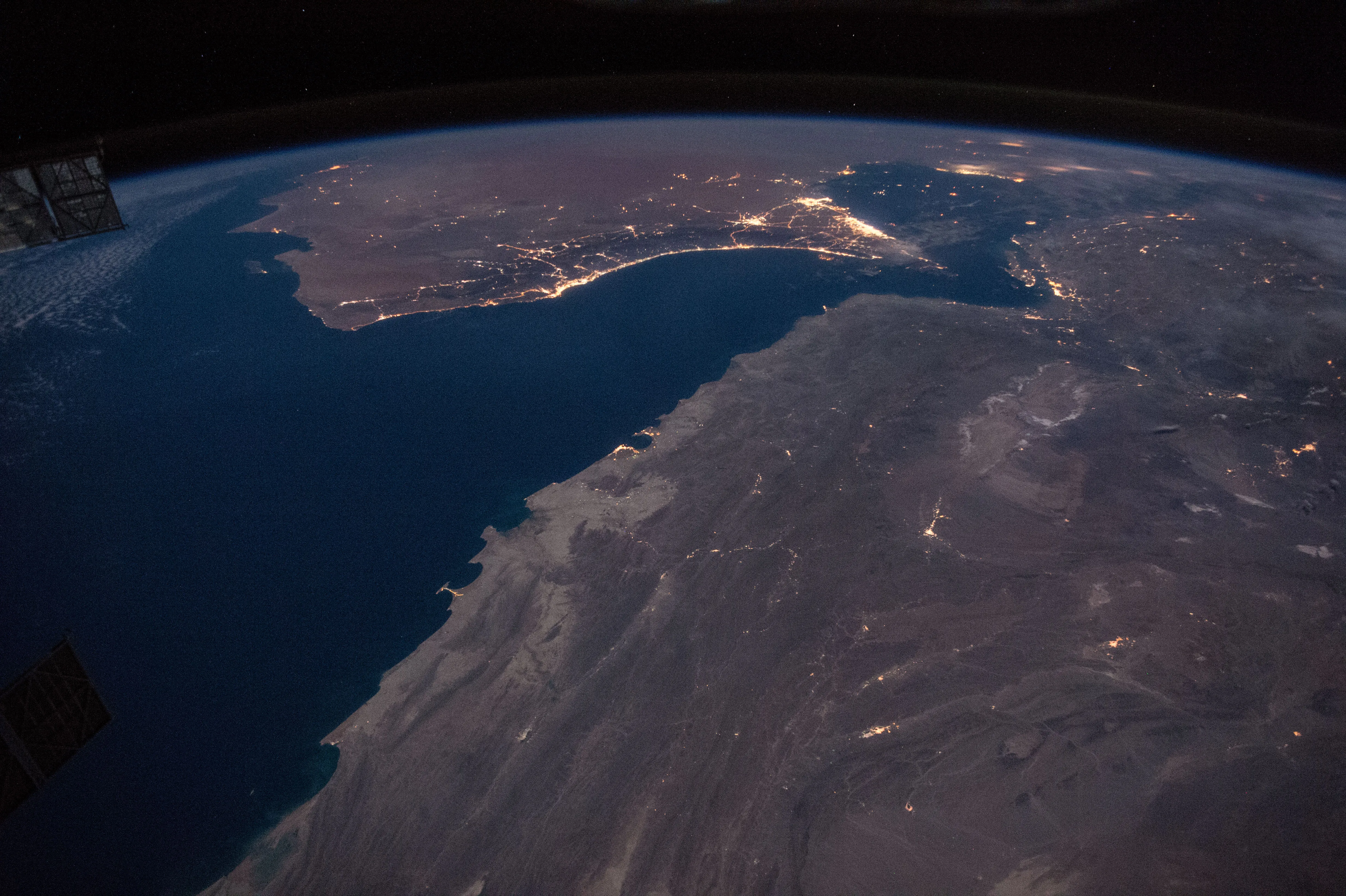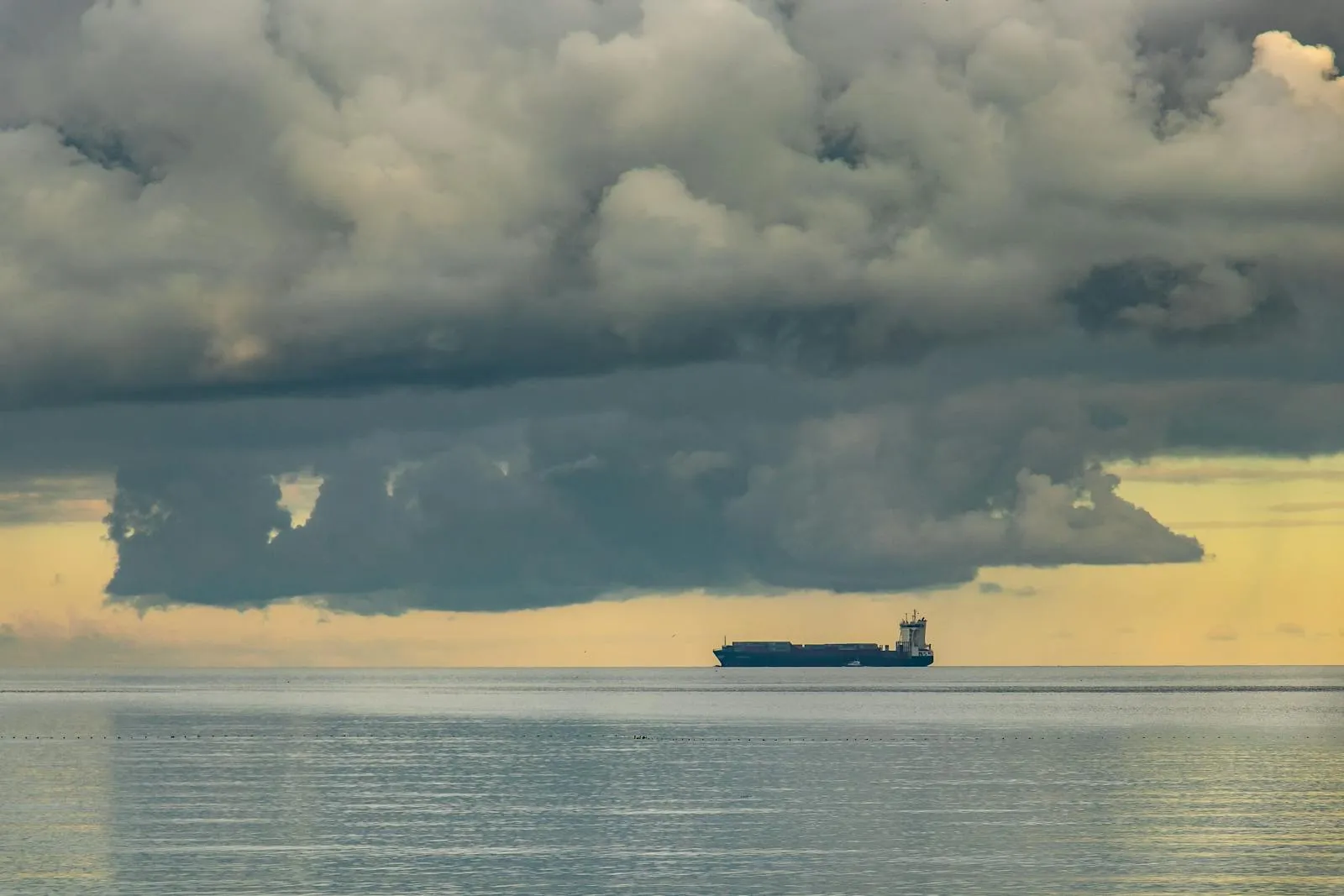
Secretary of State Marco Rubio arrived at the Vatican’s Apostolic Palace on Thursday morning for a 2.5-hour session with Pope Leo XIV — the first direct encounter between a senior Trump administration official and the pontiff since the United States launched its air and naval campaign against Iran in late February. The meeting came after weeks of escalating personal criticism by President Trump of the pope, and after Pope Leo XIV had emerged as one of the most visible public opponents of the war.
Both sides described the session in careful, largely positive terms. The Holy See’s Press Office characterized the discussions as “cordial” and said the two sides had reaffirmed “their shared commitment to cultivate good bilateral relations.” State Department spokesperson Tommy Pigott said the meeting “underscored the strong relationship” between the United States and the Holy See. Rubio told Fox News Digital that “the conversations today were friendly and constructive.”
What the Meeting Covered
Rubio’s formal audience with Pope Leo XIV in the pope’s private library was followed by a separate session with Cardinal Pietro Parolin, the Vatican’s Secretary of State. The full visit ran roughly 2.5 hours. The Holy See’s communiqué described topics as “the regional and international situation, with particular attention to countries marked by war, political tensions, and difficult humanitarian situations, as well as on the need to work tirelessly to promote peace.” Named focal points included Lebanon, Iran, and Cuba.
The gift exchange carried its own symbolism. Pope Leo XIV presented Rubio with an olive-wood pen — the olive tree a traditional emblem of peace in Catholic iconography. Rubio gave the pope a State Department-seal paperweight shaped like a baseball, reflecting Leo XIV’s American background: Robert Francis Prevost, born in Chicago, is the first U.S.-born pope in the history of the Catholic Church.
Neither side issued a joint statement. The communiqué from the Holy See was brief. The State Department’s readout was similarly sparse — a single paragraph confirming the meeting, the topics discussed, and the characterization of the bilateral relationship. No agreements were announced, and neither side indicated that the underlying disagreement over the Iran war had been resolved.
The Public Feud That Required the Visit
The need for Thursday’s meeting was created by an unusually direct public conflict between a sitting U.S. president and the leader of the Catholic Church. Pope Leo XIV, who was elected in April 2025 and has spent decades in Latin America as an Augustinian missionary and bishop, emerged quickly as a critic of military force as a foreign policy instrument. When the United States formally concluded the offensive phase of its Iran campaign, Operation Epic Fury, on May 6, the pope had already delivered weeks of calls for a ceasefire and a negotiated end to the conflict.
Trump reacted with escalating personal attacks. In radio and television interviews in late April and early May, he accused the pope of “endangering a lot of Catholics and a lot of people” and claimed that Pope Leo thought it “just fine for Iran to have a nuclear weapon.” That characterization misrepresented the church’s actual position — Pope Leo has never endorsed Iranian nuclear acquisition, but has argued against military force as the means of preventing it — and it drew a firm rebuttal from Vatican City.
“For years, the Church has spoken out against all nuclear weapons, so there is no doubt on that point,” Pope Leo said in a statement issued days before Rubio’s visit, addressing Trump’s claims directly. “If someone wants to criticize me for proclaiming the Gospel, let him do so truthfully.” In a separate exchange with reporters, the pope said he had “no fear of the Trump administration” — a phrase that made clear the Vatican was not seeking to soften its position in advance of Rubio’s arrival.
Trump framed the diplomatic visit in assertive terms. “The message should be very simple,” the president said when asked what Rubio planned to convey. “Iran cannot have a nuclear weapon.” That message — a restatement of U.S. war aims rather than a diplomatic overture to the church — suggested the White House’s primary goal was not to close the gap between their positions but to communicate resolve.
Why the Church’s Stance Matters
Pope Leo XIV’s opposition to the Iran war carries weight that extends beyond the roughly 1.4 billion Catholics worldwide. As the first American pope, he occupies a politically complex position: personally beloved by Catholic communities in the United States, many of whom voted for Trump in substantial numbers in 2024, while simultaneously leading an institution that has criticized the war’s humanitarian costs at every opportunity.
The Vatican maintains formal diplomatic relations with Iran, making it one of the few institutions outside the formal negotiating track — which runs through Pakistani intermediaries — with independent access to Tehran. Whether those channels were discussed on Thursday was not disclosed. But the Church’s established communication with Iranian leadership, and its role as a trusted neutral party in conflicts from Cuba to Congo, gives the Holy See influence in diplomatic processes that would not otherwise be accessible to Washington.
Pope Leo XIV’s first Easter address as pontiff, delivered in April, illustrated the approach the Vatican has taken throughout the conflict. He declined to catalog the world’s active wars by name, instead delivering a broad call for weapons to be laid down. That deliberate ambiguity — which was widely interpreted as a rebuke to both sides in the Iran conflict — has defined the Vatican’s public posture since Operation Epic Fury began. The Holy See was not asking to be party to a negotiation; it was establishing a moral reference point against which any agreement will be measured.
The Church also carries influence in the Global South and Latin America, where opposition to the Iran war has been more pronounced than in European NATO members. Argentina, Brazil, Mexico, and several African nations with large Catholic populations have called for ceasefire through multilateral forums. Pope Leo XIV’s Latin American background — he served as bishop in Chiclayo, Peru before his election — has made him a credible voice for those communities in ways a European pope might not have been.
The Timing: Diplomacy in the Balance
Rubio’s Vatican visit coincided with one of the most consequential periods of the Iran peace process. The proposed one-page memorandum of understanding between Washington and Tehran — which would declare the war formally over and begin a 30-day negotiation on nuclear terms and Strait of Hormuz commercial navigation — was awaiting Iran’s formal response by May 9. Whether Rubio discussed that timeline with Pope Leo, or whether the Vatican’s communication channels with Tehran carry any relevance to Iran’s decision, was not addressed in either side’s public statements.
What is clear is that Rubio chose to make this stop during a trip already focused on European diplomacy, which suggests the administration judged the optics of an unrepaired U.S.-Vatican relationship as a liability during peace negotiations that require the broadest possible international support.
The meeting produced no visible breakthrough in the church-White House relationship. The communiqué’s language — “cultivate good bilateral relations,” “work tirelessly for peace” — is diplomatic boilerplate. Pope Leo XIV has not indicated he will change his assessment of the war. Trump has not indicated he will change his description of the pope’s position.
What both sides appear to have concluded is that a quiet acknowledgment of shared interests is more useful than a public reckoning with the depth of their disagreement. Whether that calculation holds depends in part on what happens next in Tehran.
Sources 6 cited · 2 primary
- Secretary Rubio's Meeting with Pope Leo XIV
- Pope Leo XIV meets with US Secretary of State Marco Rubio
- Marco Rubio meets with Pope Leo after Trump's criticism over Iran war
- Rubio holds 'constructive' meeting with Pope Leo after Trump sends hard-line Iran message to Vatican
- Trump: Rubio's Message to Pope Leo XIV Should Be 'Iran Cannot Have a Nuclear Weapon'
- Pope Leo Rejects Trump's Nuclear Claims and Tells His Critics To Speak 'Truthfully'
American Courant cites its sources and links to primary documents where they exist. How we report →