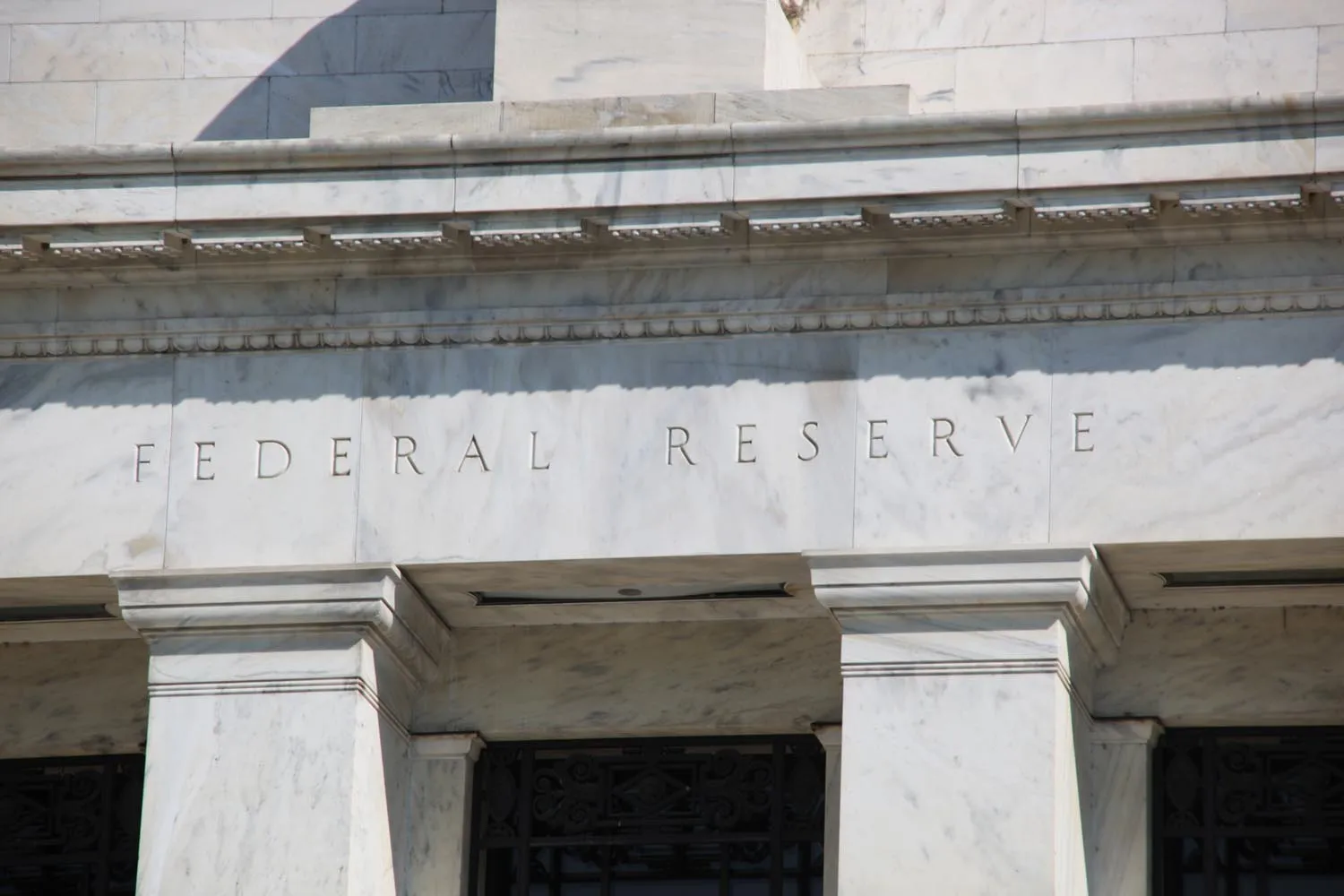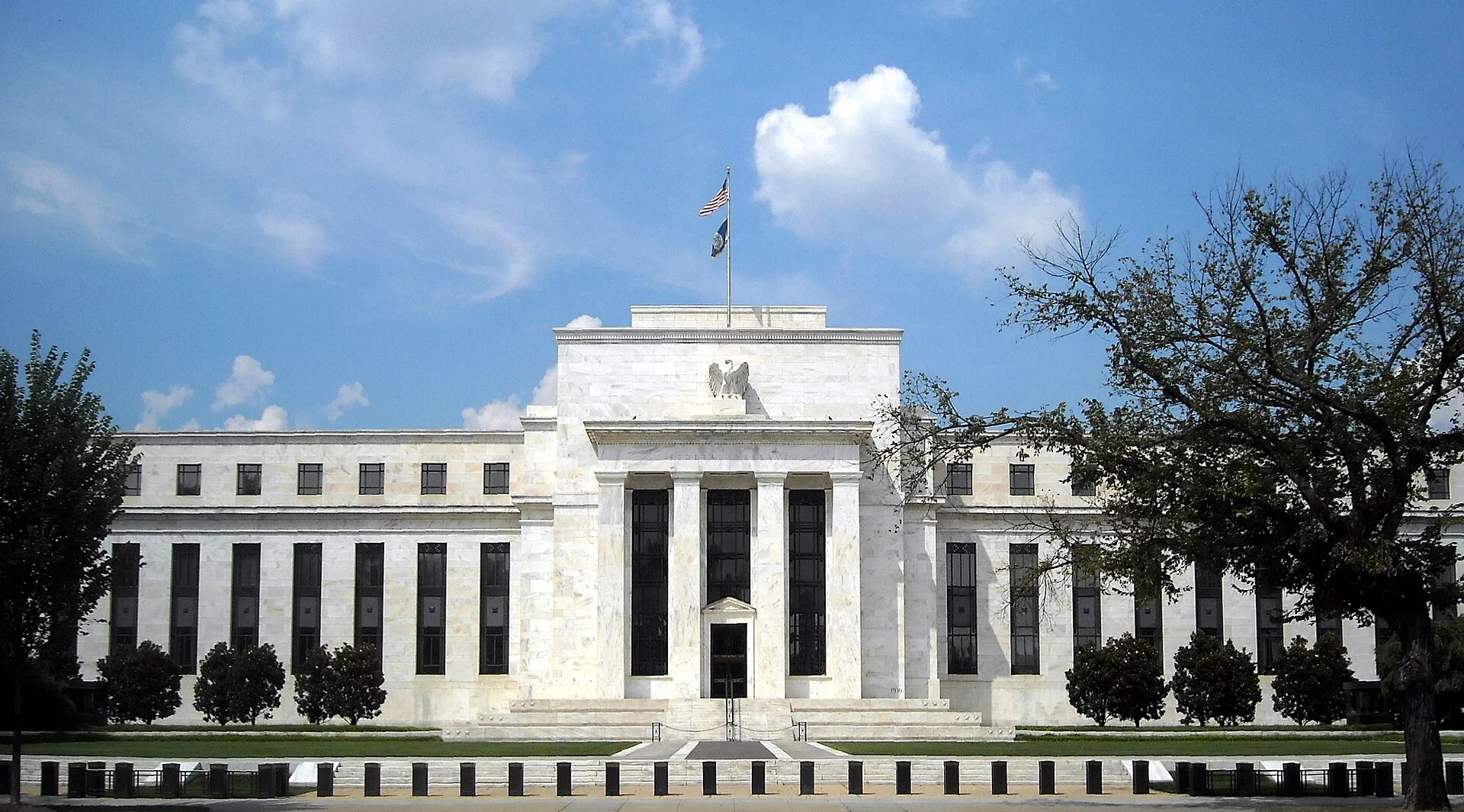
Kevin Warsh takes the chairman’s seat at his first Federal Open Market Committee meeting on Tuesday and Wednesday, and the most striking thing about it is how little drama the decision itself carries. Futures markets put the odds of the Fed holding its benchmark rate at the current 3.50 to 3.75 percent range at better than 99 percent. Inflation is still running hot, energy costs are elevated, and the committee Warsh inherited is divided. Standing pat is the obvious call, and it is the call nearly everyone expects him to make.
That is exactly why this week proves nothing about whether the Federal Reserve is still independent.
The real test of central-bank independence is not the meeting where the data and the politics point the same direction. It is the meeting where they don’t — where the numbers say hold but the president who handpicked the chair, and personally swore him in, is demanding cuts. That meeting is coming. It just isn’t this one. Anyone reading a routine June hold as evidence that Warsh will keep politics out of the world’s most important interest-rate decisions is grading the easiest exam on the calendar.
The easy case and the hard one
Independence is a quality you can only observe under pressure. When the economic case and the political case agree, a chair can do the popular thing and the correct thing at once, and you learn nothing about which one is driving the bus.
Right now those cases agree. With inflation still elevated near a three-year high and wholesale prices spiking on the back of the recent Iran war, cutting rates this week would be hard to defend on the merits. Warsh doesn’t have to choose between sound policy and presidential pressure, because both currently point at the same answer: wait. A hold costs him nothing politically and nothing professionally.
The hard case is the one waiting a few months out. Picture a meeting where inflation has cooled, the labor market has softened, and the textbook call is genuinely close — hold or trim. Now add a president publicly insisting on a cut. That is the moment that reveals whether the chair is weighing the data or the demand. The June statement, the press conference, the staff projections: none of it answers that question, because the question hasn’t been asked yet.
So watch what the Fed signals about the future, not what it does about the present. The quarterly “dot plot” of where officials expect rates to go, and the tone Warsh strikes about the path ahead, will tell you more than the unanimous-feeling hold that lands Wednesday afternoon.
Why the optics are not trivia
It would be easier to wave away the politics if the run-up to Warsh’s tenure had looked normal. It didn’t.
President Donald Trump nominated Warsh in late January, and was blunt about why: he wanted to put his own stamp on a central bank he had spent years attacking for refusing to lower rates. Trump has called rate cuts a “requirement,” berated former chair Jerome Powell by name, and made clear he expected a friendlier Fed. The Senate then confirmed Warsh on May 13 by a vote of 54 to 45 — the narrowest margin in the history of the office. A job that used to draw lopsided bipartisan votes now splits the chamber almost perfectly along party lines.
Then came the swearing-in. Powell’s term expired May 15; Warsh took the oath on May 22 — at the White House, with Trump presiding. That is not where Fed chairs are traditionally installed, and the venue sent a message whether or not anyone intended it to. The Federal Reserve’s authority rests on a simple, fragile idea: that the people setting interest rates answer to the economy, not to the elected official who appointed them. A ceremony staged in the president’s house is a strange way to begin demonstrating that.
None of this means Warsh will bend. But it does mean the burden of proof sits with him, and the proof can’t be a decision the data already dictated.
The honest counterargument
There is a serious case that the worry is overblown, and it deserves a straight answer rather than a strawman.
Warsh is not a political operative dropped into a technical job. He served on the Fed’s Board of Governors through the 2008 financial crisis, he is a credentialed economist, and his public record runs hawkish — he has spent years warning about inflation and the dangers of easy money, not cheering for cheap credit. In his first major speech as chair he warned that the central bank would not cut rates to paper over Congress’s deficits, which is not the posture of a man eager to please the spenders. A genuine inflation hawk who happens to have been nominated by a president who wants cuts is not the same thing as a rubber stamp.
There is also a structural check that gets overlooked. The chair is one vote of twelve. As J.P. Morgan’s chief economist has noted, a chair can make the case for a cut, but persuading a divided committee is a different matter, and deference to the chair has limits. Warsh cannot simply will lower rates into existence over the objections of regional bank presidents and fellow governors who answer to no one’s reelection campaign.
Both points are real. They argue for patience before judgment — not for treating this week’s hold as the verdict. A hawk can still flinch when the pressure is personal and public. A committee can still drift toward the chair’s framing over time. The counterargument is a reason to watch closely, not a reason to stop watching.
What actually matters now
The stakes here are not abstract. The price of a mortgage, the cost of carrying credit-card debt, the return on a savings account, and the value of the dollar all rest on markets believing the Fed sets rates for economic reasons and nothing else. The moment investors suspect monetary policy is being run to suit a president’s political calendar, they demand higher long-term yields to compensate for the risk — and ordinary borrowers pay that premium. Independence isn’t a Washington nicety. It is built into the interest rate on your home loan.
That is also why the recent inflation picture makes this more delicate, not less. The Fed is already boxed in by a war-driven price shock it cannot control. If markets come to believe the next chair will cut into that backdrop because the White House wants him to, the credibility the Fed spent decades building could unwind quickly.
So by all means note that Warsh held the line at his first meeting. Just don’t confuse it for the thing that counts. The test of this Fed’s independence was never going to be the decision everyone saw coming. It is the one, sometime in the months ahead, when the easy answer and the politically convenient answer finally part ways — and we find out which one Kevin Warsh follows.
Sources 7 cited · 2 primary
- FOMC Meeting Calendars
- Kevin Warsh sworn in as new Fed chair, replacing Powell
- Trump swears Kevin Warsh in as Fed chair, seeking interest rate cuts
- Kevin Warsh sworn in as Fed chair at pivotal moment for US economy
- Kevin Warsh sworn in as new US Fed chair
- What To Expect at Kevin Warsh's First Federal Reserve Meeting
- Dominoes are steadily falling in the path of the rate cuts Trump wants
American Courant cites its sources and links to primary documents where they exist. How we report →