For one trading day this week, Wall Street decided inflation was beaten. The May Consumer Price Index landed Wednesday with a headline number that looked ugly: 4.2 percent over the past year, the fastest annual pace in three years. Underneath it, though, the part the Federal Reserve actually watches came in soft. Core prices rose just 0.2 percent on the month, shelter cooled, and traders read the report as a green light for the Fed to hold steady next week. Stocks held. The story, briefly, was relief.
Then Thursday morning the Bureau of Labor Statistics released the Producer Price Index, the measure of what businesses pay before any of it reaches a store shelf, and the relief evaporated. Wholesale prices jumped 1.1 percent in a single month and 6.5 percent over the past year, the largest annual increase since November 2022 and well above the 0.7 percent monthly rise economists had penciled in. That is the real inflation story right now, and it is not really an inflation story at all. It is the Iran war, finally showing up on America’s books.
The number behind the number
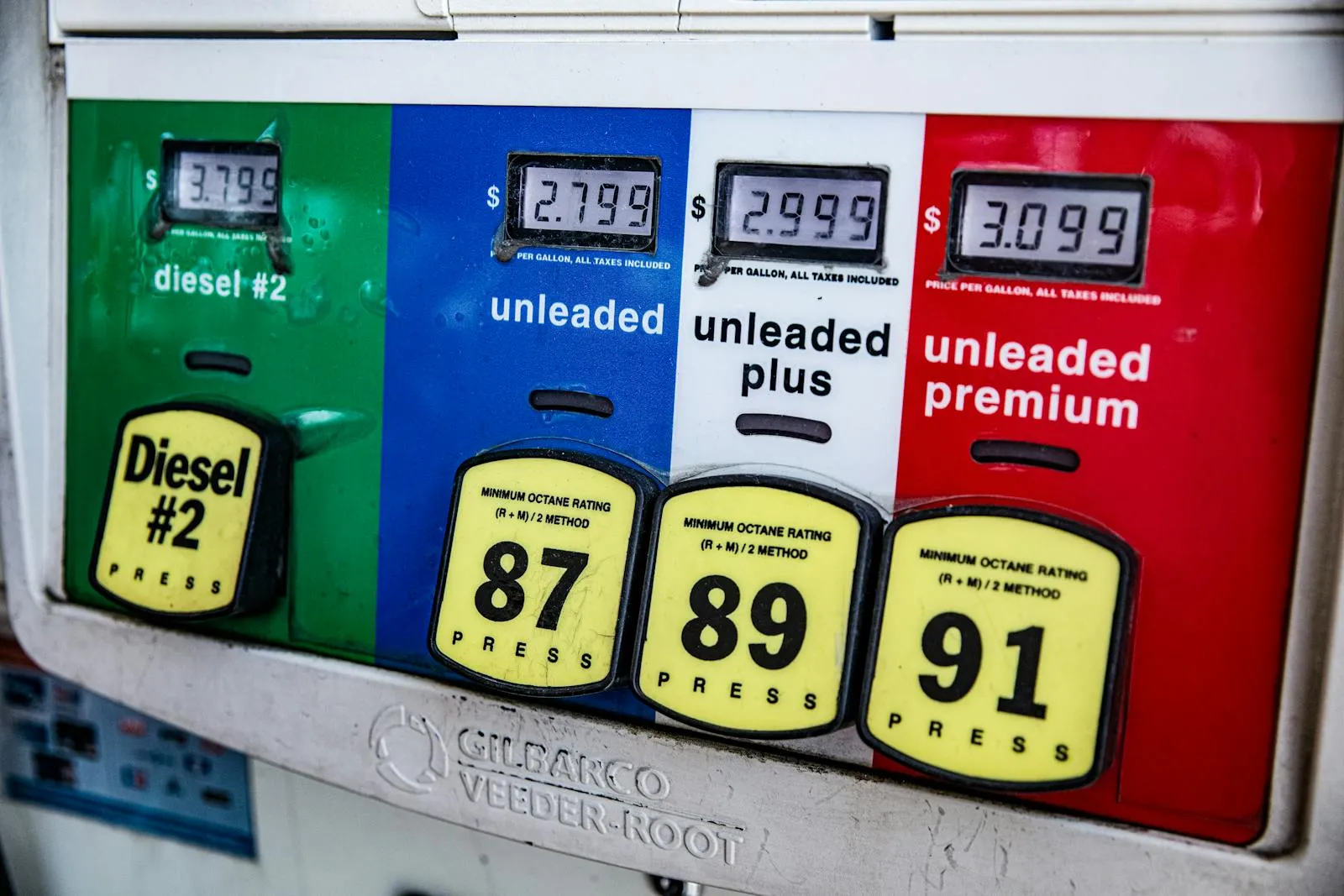
Strip the PPI report down and the engine is obvious. Goods prices for final demand rose 2.8 percent in May, the steepest monthly jump since the government started keeping the series this way in December 2009. That single category accounted for roughly four-fifths of the entire increase. Inside it, energy did the damage: wholesale energy prices climbed 10.7 percent, and a 23.4 percent surge in gasoline alone was responsible for more than half of the goods move.
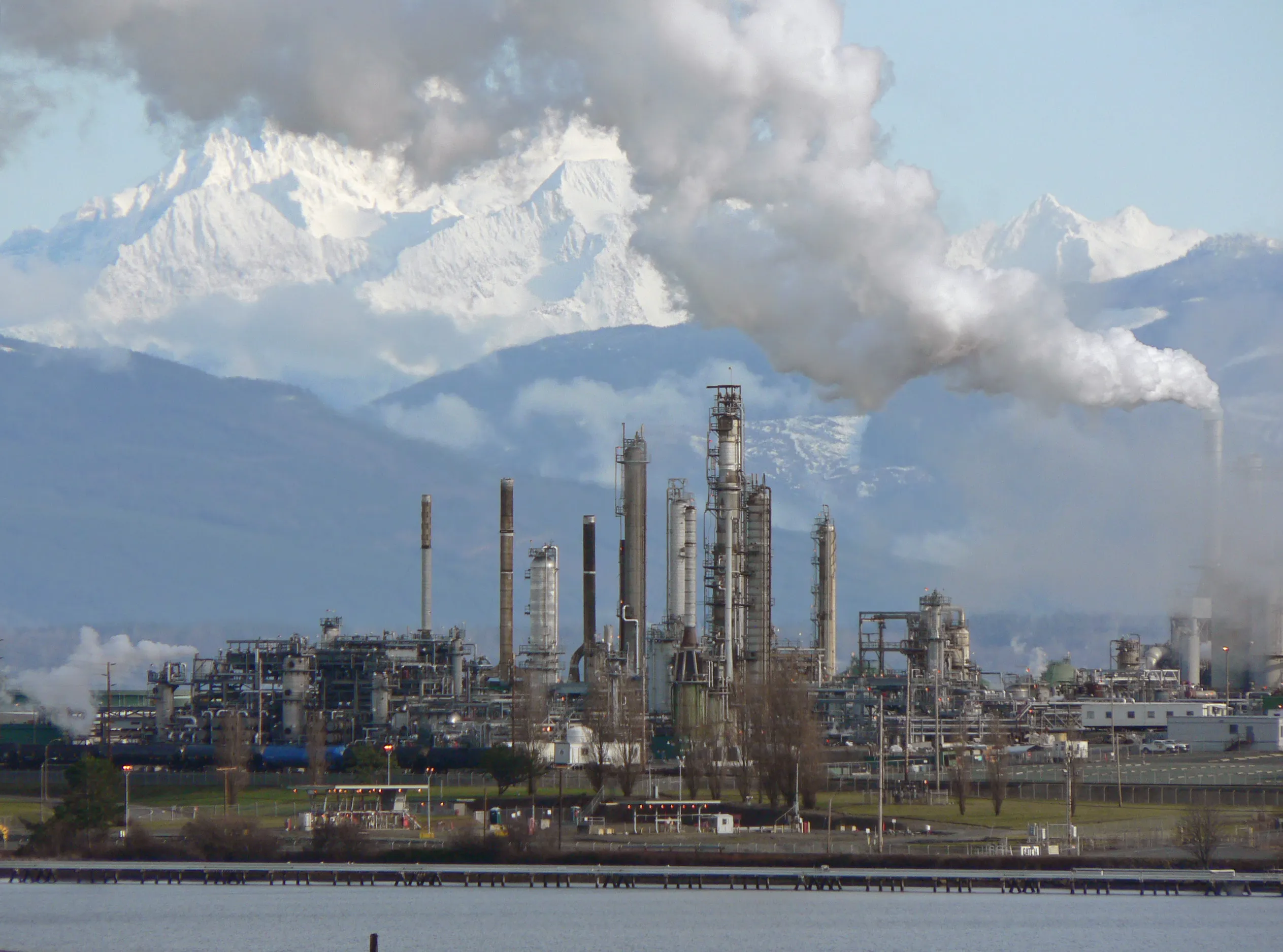
None of that is a mystery. The U.S. and Iran have spent weeks trading fire in and around the Strait of Hormuz, the chokepoint through which a fifth of the world’s seaborne oil passes, and the fear premium that conflict puts on a barrel has flowed straight into pump prices and then into everything that has to be moved, heated, or manufactured. The same dynamic drove the CPI’s headline number a day earlier. We have been writing the receipts as they come in, from what the war is already costing the average family at the pump to the day the AI trade cracked under a strong jobs report. The PPI is the wholesale version of the same bill.
Here is why a producer-price report deserves more attention than it usually gets: it is a leading indicator. Costs that hit a manufacturer or a wholesaler in May tend to reach the consumer in June, July, and August, after the contracts reprice and the inventory turns over. The soft core CPI that cheered markets on Wednesday described what already happened to consumers last month. The hot PPI on Thursday describes what is still in the pipe, heading their way.
The part the Fed can’t shrug off
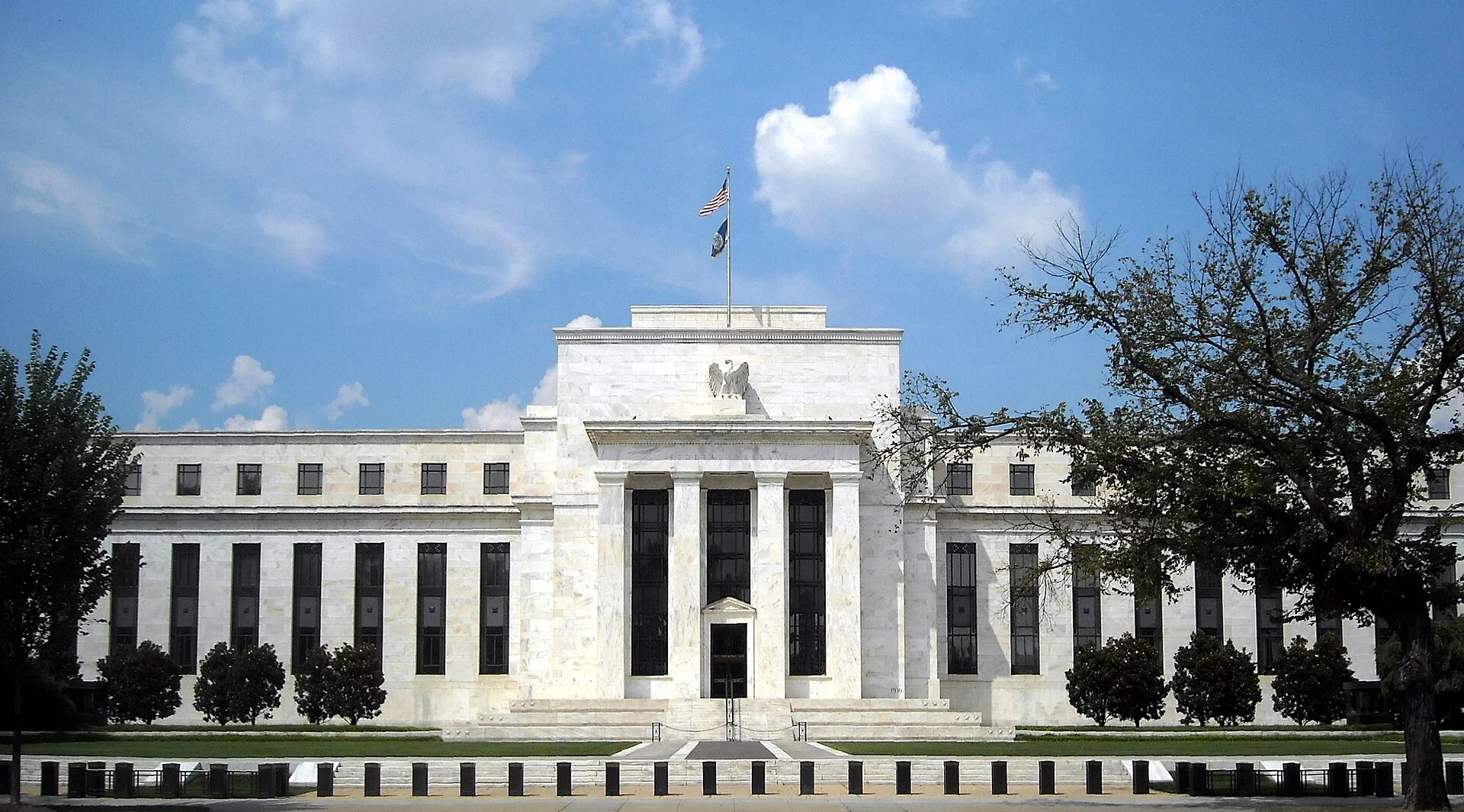
A central bank can live with an energy spike. The standard playbook is to “look through” it: treat a war premium on oil as a one-time shock that will reverse, and avoid strangling the economy to fight a price increase monetary policy didn’t cause and can’t really cure. If May’s report were nothing but gasoline, that would be the right call, and the Fed under new chair Kevin Warsh, confirmed last month by the narrowest margin in the institution’s history, would have an easy excuse to hold and wait.
It isn’t nothing but gasoline. The measure that strips out food, energy, and trade margins, the cleanest read on whether price pressure is broadening, rose 0.8 percent in May. That is the biggest monthly gain since March 2022, the height of the last inflation wave. Energy is the loudest culprit, but it is no longer the only one. When the core of a wholesale index is running that hot, it means the war premium is leaking out of the fuel aisle and into the baseline cost of doing business: freight, packaging, the diesel in every delivery truck. That is the difference between a spike you can dismiss and one that embeds.
That broadening is what boxes the Fed in. Cut rates to support a labor market that is plainly cooling, and you pour fuel on inflation that is already spreading past energy. Hold or hike to choke the inflation off, and you risk tipping a slowing economy into recession to fight a price shock that started with a missile, not with overheated demand. There is no clean move. Warsh inherited a genuinely bad hand, and Thursday’s report made it worse.
The cost of that bind doesn’t stay inside the central bank. A Fed that can’t cut is a Fed that keeps borrowing expensive at exactly the moment households would most welcome relief: mortgage rates that won’t budge for would-be buyers, credit-card and auto-loan rates that stay near their highs, small businesses that keep paying up to finance inventory. Ordinarily, a softening job market would build the case for cheaper money. This time, the same war premium that’s lifting prices is also the thing keeping the Fed from delivering it. Americans get the worst of both: a labor market losing steam and borrowing costs that refuse to follow it down.
The honest counterargument
The strongest case against panic is also the simplest, and it deserves a fair hearing: this could vanish as fast as it arrived. The entire spike traces back to a war premium on oil, and war premiums are notoriously reversible. A credible ceasefire, or anything that convinces traders the Strait of Hormuz will stay open, could send crude, and the PPI with it, sharply lower in a matter of weeks. By that reading, the May report is a snapshot of a moment, not a trend, and the Fed would be foolish to wreck the economy chasing it.
That argument is correct about energy and incomplete about everything else. A ceasefire would indeed take the 23.4 percent gasoline surge back out of the numbers quickly. It would not instantly un-raise the freight contracts, repricing clauses, and input costs that pushed core wholesale inflation to its highest monthly reading in four years, because those tend to ratchet up fast and come down slow. “It’s just energy” was a defensible description of this inflation in the spring. The May core number is the evidence that it is becoming something stickier, and pretending otherwise is how a transitory shock turns into a durable problem.
Why this should change the conversation
The useful takeaway from a dry government data release is this: the Iran war is no longer only a foreign-policy story or a cable-news map with arrows on it. It is a kitchen-table story, and the PPI is the proof. The cost of keeping that conflict open is now being paid in wholesale invoices that will land on consumers within the quarter, and in a Fed that has lost the room to cut rates even as hiring slows.
It also reframes what counts as economic policy. Washington spends enormous energy debating whether the Fed will trim a quarter-point next week, as if that lever could meaningfully offset a 23.4 percent jump in wholesale gasoline. It can’t. The single most powerful disinflation tool available to the United States right now isn’t sitting at the central bank. It is sitting in the diplomacy over the Strait of Hormuz. Reopen that waterway with a durable settlement and the price shock unwinds on its own. Leave it contested and no amount of careful rate-setting will keep the bill from arriving. The May producer-price report didn’t just measure inflation. It told the country where the off-switch is — and that the switch is in a place most of the inflation debate refuses to look.
Sources 6 cited · 3 primary
- Producer Price Index News Release — 2026 M05 Results
- Producer Price Indexes — May 2026 (news release PDF)
- Consumer Price Index Summary — 2026 M05 Results
- Wholesale prices see biggest spike since 2022 as energy costs climb
- Producer price index, May 2026
- The inflation surge is hitting businesses, too
American Courant cites its sources and links to primary documents where they exist. How we report →