The April Producer Price Index landed Wednesday with a number nobody on Wall Street had penciled in: a 1.4% monthly jump in wholesale prices, the biggest single-month surge since the back end of 2022, against a Dow Jones consensus that expected 0.5%. On the year, wholesale prices are running at 6%. That is the highest annual reading the United States has posted in three and a half years. It arrived a day after the Consumer Price Index showed retail inflation hitting 3.8% — also the worst print since 2023 — and a week after Treasury yields punched back through 4.6% on the same data.
There is no honest way to talk about these numbers without talking about the war. The Iran war is not free. The April data is the bill arriving on American doorsteps.
The administration does not want that to be the conversation. It would rather the conversation be about tariffs, or seasonal energy noise, or “transitory” supply-chain frictions. The Pentagon has put the direct cost of the conflict at roughly $25 billion through April — a number Defense Secretary Pete Hegseth disclosed reluctantly, on the same day he called critics of the war the “biggest adversary” the U.S. faces. But the $25 billion line item is the cheap part. The expensive part is the one paid in every grocery aisle and every gasoline receipt, and it is paid disproportionately by households that don’t have the cash cushion to absorb a 15.6% wholesale gasoline surge in a single month.
The numbers do not lie about where the pressure is coming from
Strip the April PPI release apart and the geography is unambiguous. About three-quarters of the move in goods prices traced to a 7.8% jump in final-demand energy. More than 40% of the energy jump was a single line: a 15.6% surge in gasoline. Services accelerated 1.2%, the steepest monthly services move since March 2022, and two-thirds of that was trade services — wholesalers passing through higher costs further down the chain. Core PPI, the measure that strips out the most volatile categories, rose 0.6% on the month and 4.4% on the year. Both are multi-year highs.
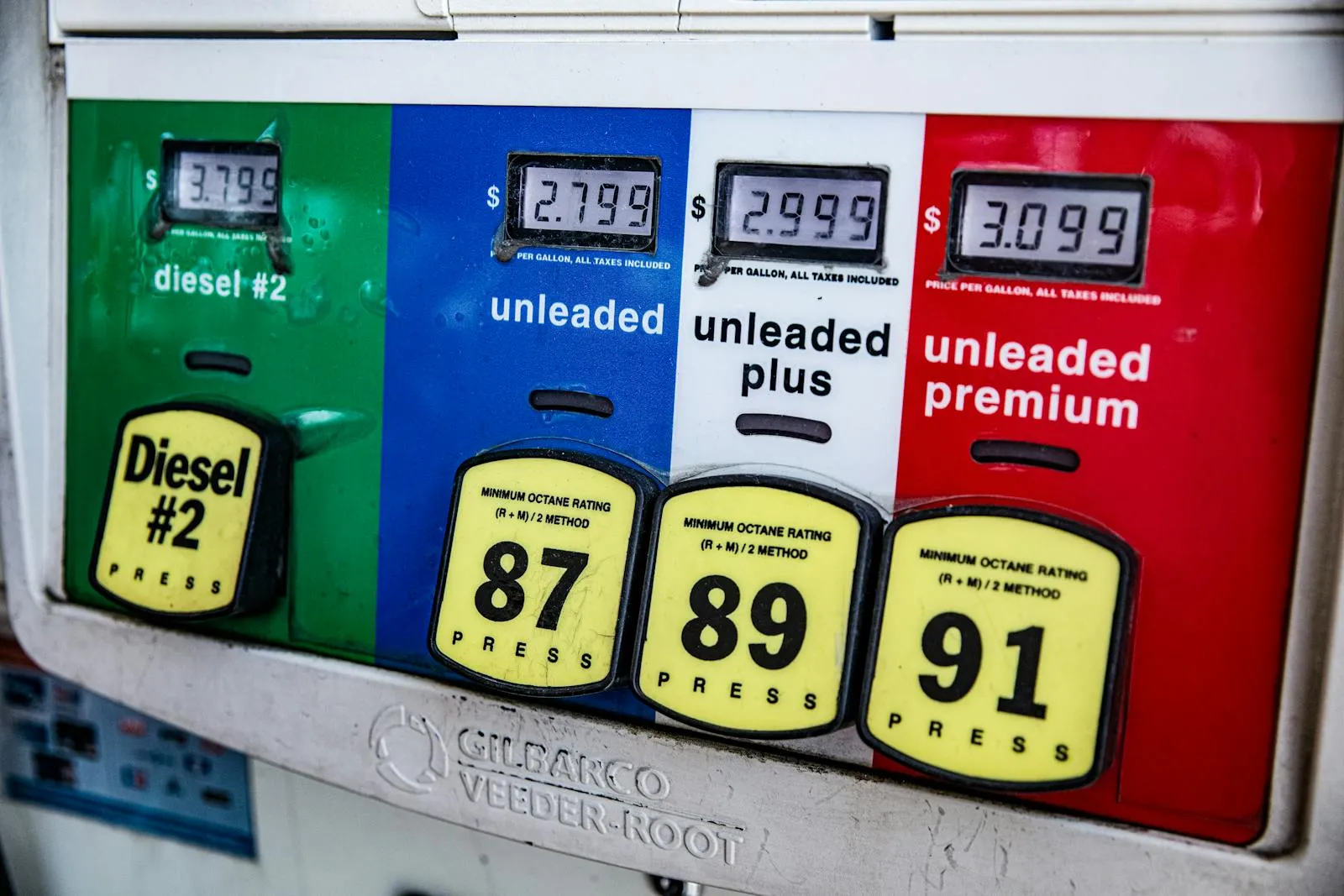
The CPI release the day before told the same story from the consumer side. Energy prices rose 3.8% for the month and are 17.9% higher than a year ago. The energy category alone accounted for more than 40% of the overall April CPI rise. Gasoline jumped 5.4% on the month and is up 28.4% on the year. Beef, which depends on diesel-intensive trucking, is up 14.8% year-over-year. AAA’s national average sat at $4.50 per gallon on Tuesday, up from about $3.14 in May 2025 and roughly 50% higher than where it sat the day before Iran’s first strike on a U.S. naval asset in late February.
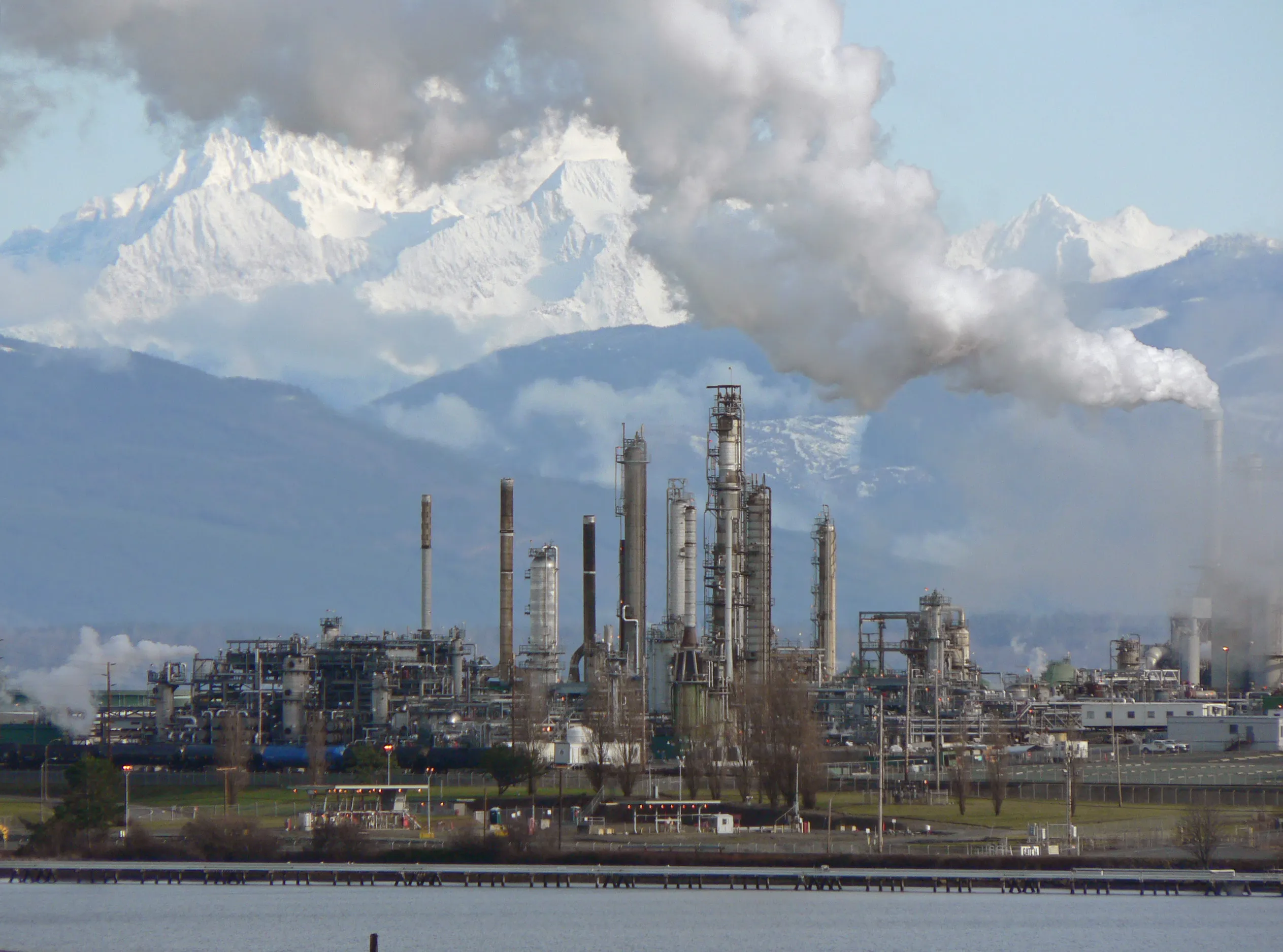
Energy did not get more expensive because the Federal Reserve cut rates. It did not get more expensive because of tariffs imposed a year ago. It got more expensive because the Strait of Hormuz is a war zone, Brent crude touched $126 a barrel in April before sliding back to $114, and roughly 20% of global seaborne oil moves through a corridor that is currently being shot up. That is the entire story. Every other input variable is a footnote.
Washington’s silence on the inflation bill is a choice
There are honest defenses of the war. There is a real argument that letting Iran enrich uranium to weapons grade — Energy Secretary Chris Wright told the Senate this week that Iran is “weeks, a small number of weeks away” from that threshold — is the worse alternative. There is a real argument that the deterrent value of the strikes will pay back, in lower oil-shock risk, over a longer horizon. Those arguments deserve a hearing.
What does not deserve a hearing is the pretense that the war is not showing up in prices. It is. The April data is the receipt.
When President Donald Trump told reporters Monday that he doesn’t “think about Americans’ financial situation” — his words, not a paraphrase — he was not being callous so much as honest about where the administration has set its priorities. Fine. But honesty cuts both ways. If the war is worth the price, the administration has an obligation to say what the price is, not to pretend the $4.50 pump number is somebody else’s fault. Treasury Secretary Scott Bessent has spent two months blaming the surge alternately on speculators, on the Biden-era Strategic Petroleum Reserve drawdown, and on what he calls “OPEC opportunism.” None of those explanations survive contact with the BLS line items. Energy is up because oil is up. Oil is up because of the war.
The cleanest way to think about the cost is in per-household terms. A Senate Joint Economic Committee analysis last week estimated the war will cost the average two-car U.S. household about $1,753 in extra fuel spending this year. That number was met with a press shrug. It shouldn’t have been. $1,753 is real money to the median household earning roughly $80,000, and it is most of a paycheck for the bottom quartile.
The Fed cannot fix this — and it shouldn’t try
The instinct in Washington when inflation accelerates is to look at the Federal Reserve. That instinct, in this case, is wrong.
The Fed sets short-term interest rates. The Fed cannot lift a tanker that is on fire in the Gulf, replace a refinery that is offline in Bandar Abbas, or shorten a shipping route around the Cape of Good Hope. Cutting rates would weaken the dollar and make imported oil more expensive in dollar terms — worsening, not relieving, the consumer price burden. Hiking rates would crush mortgage applications and small-business hiring without doing a thing to the underlying supply shock. Either move would punish American households for a war they did not vote on.
Fed Chair Kevin Warsh, who was confirmed in February, has been clear about this in his post-FOMC pressers. He has held the federal funds rate flat all year, and he has been explicit that he intends to do so unless the supply shock starts feeding wage-price spirals or labor-market hiring breaks. That is the right call. The wrong call is letting Congress and the White House off the hook by pretending the Fed has the right tool.
What the Fed can’t do, Congress can. Senator Josh Hawley’s proposal to suspend the federal gasoline tax through 2026 is imperfect, expensive, and not especially likely to clear conference — but Hawley is at least proposing something concrete that addresses the right line item with the right instrument. The Strategic Petroleum Reserve, drawn down to about 363 million barrels, has a real release capacity left. The administration has authority to expedite refinery permit reviews and to fast-track LNG export-permit waivers that would relieve global pressure. None of these are silver bullets. All of them beat shrugging.
The fair counterargument, taken seriously
A reasonable rebuttal to all of this goes: oil shocks are temporary, the economy will absorb it, and the political wisdom of fighting a war should not be litigated through wholesale price prints. There is something to that. The 1973 oil embargo and the 1979 Iranian revolution both produced sharper shocks than what we have seen so far, and both eventually faded. CBS quotes economists who think the inflation bump unwinds in two months in an optimistic scenario, six to nine in a pessimistic one. The 1.4% PPI print is one month. Maybe it is the peak.
Maybe. The honest answer is that nobody knows, because nobody knows when or whether the Strait reopens to normal commercial traffic. Until then, the burden of proof shouldn’t sit on the people pointing at the receipt. It should sit on the people who keep telling those people the receipt doesn’t exist.
What ought to happen next
Three things would make this a less dishonest conversation.
First: the administration should publish a quarterly economic-cost-of-war estimate the way it publishes the direct Pentagon cost. Treasury knows how to compute it. CBO has the staff to validate it. The fact that no such estimate has been released since the war began is itself a choice.
Second: Congress should hold a single Joint Economic Committee hearing — not a partisan one, a real one — on the per-household inflation impact of the conflict to date. The CPI and PPI staff at BLS can lay out the line items in 45 minutes. Members can argue about what to do about it for the other three hours. That is the kind of accountability the Pentagon hearing failed to produce.
Third, and simplest: the people who voted for, advocated for, and prosecuted this war should stop pretending that the price of a gallon of gas is somebody else’s problem. The war and the pump price are the same story. The April numbers say so out loud. The decent thing is to say so back.
Sources 7 cited · 2 primary
- Producer Price Index News Release — 2026 M04 Results
- Consumer Price Index — April 2026
- PPI inflation report April 2026
- America is in for yet another long spell of price pain
- Inflation jumps to its highest level since 2023. Here are 3 things costing a lot more
- Iran war fuels sharpest inflation spike in nearly three years at 3.8 percent
- In 8 weeks, the Iran war has dented the U.S. economy. The damage could linger
American Courant cites its sources and links to primary documents where they exist. How we report →