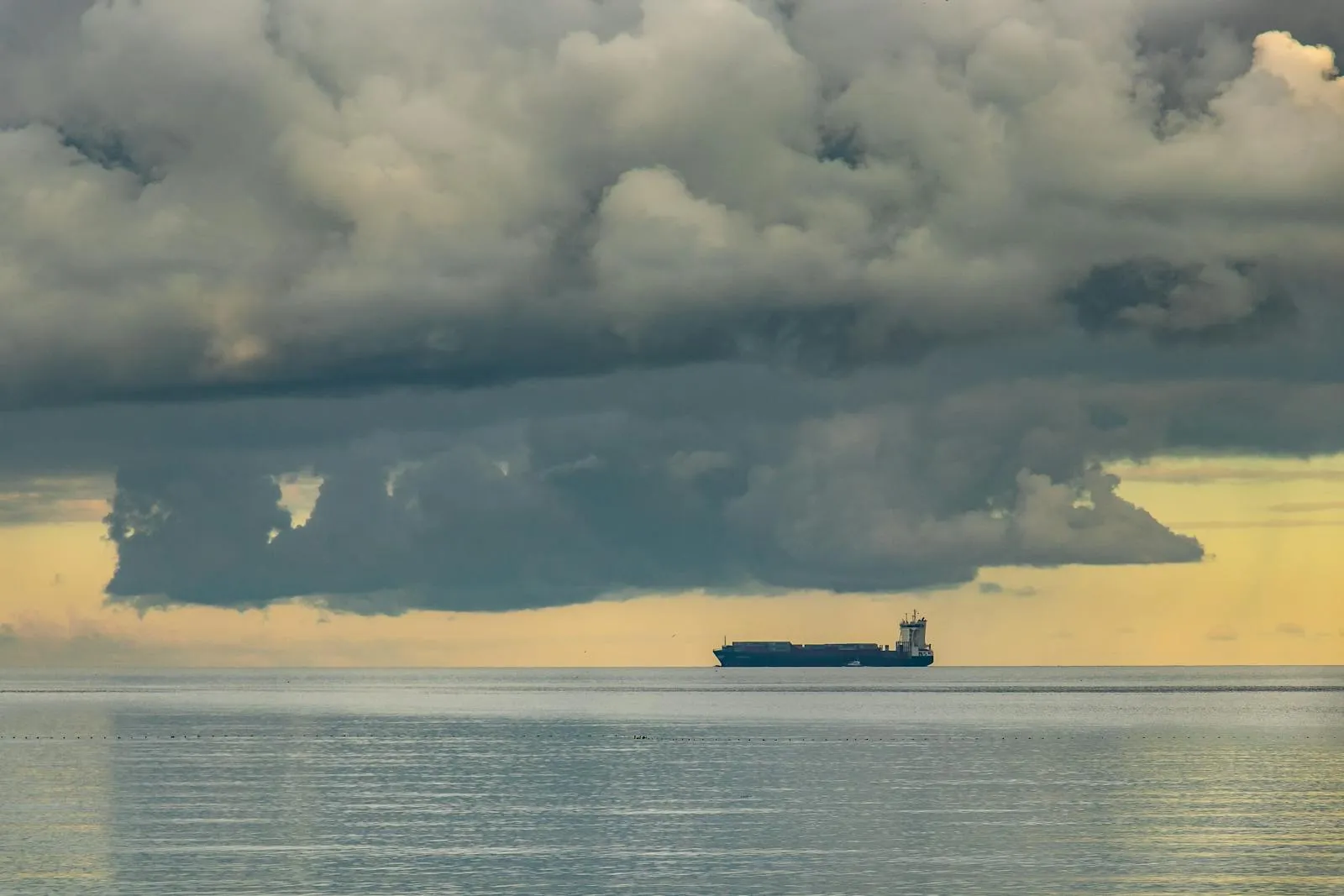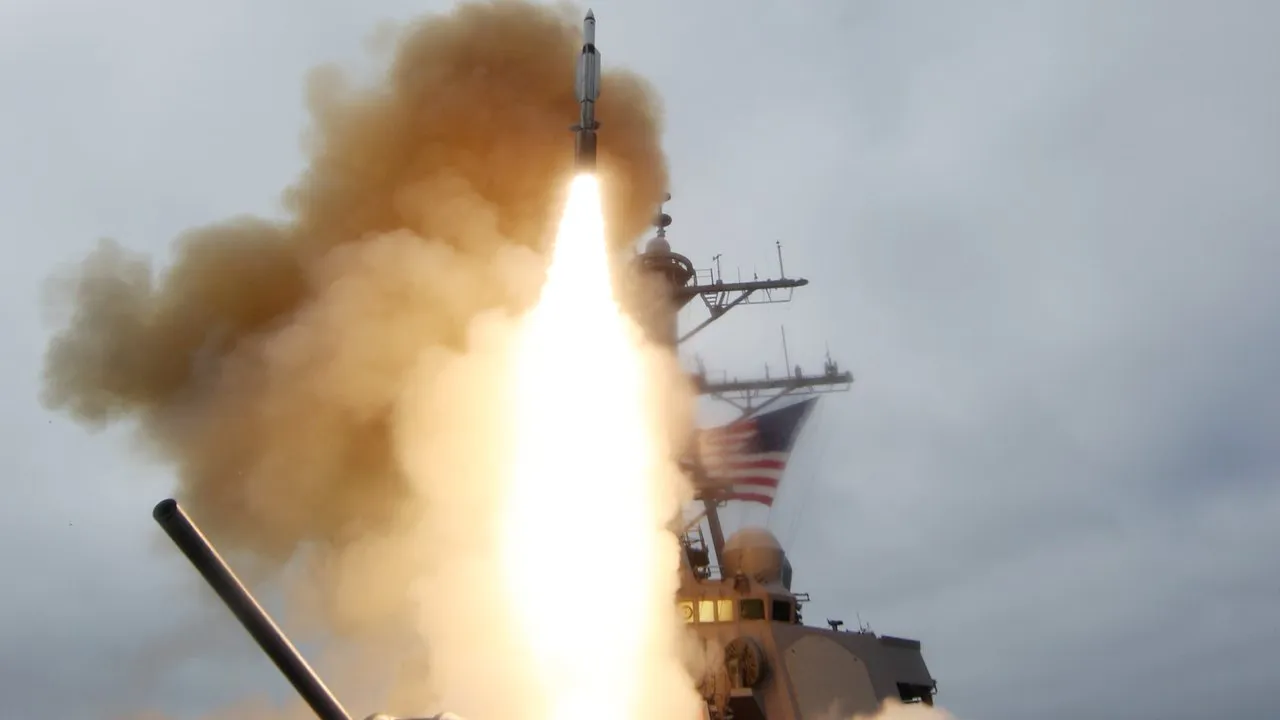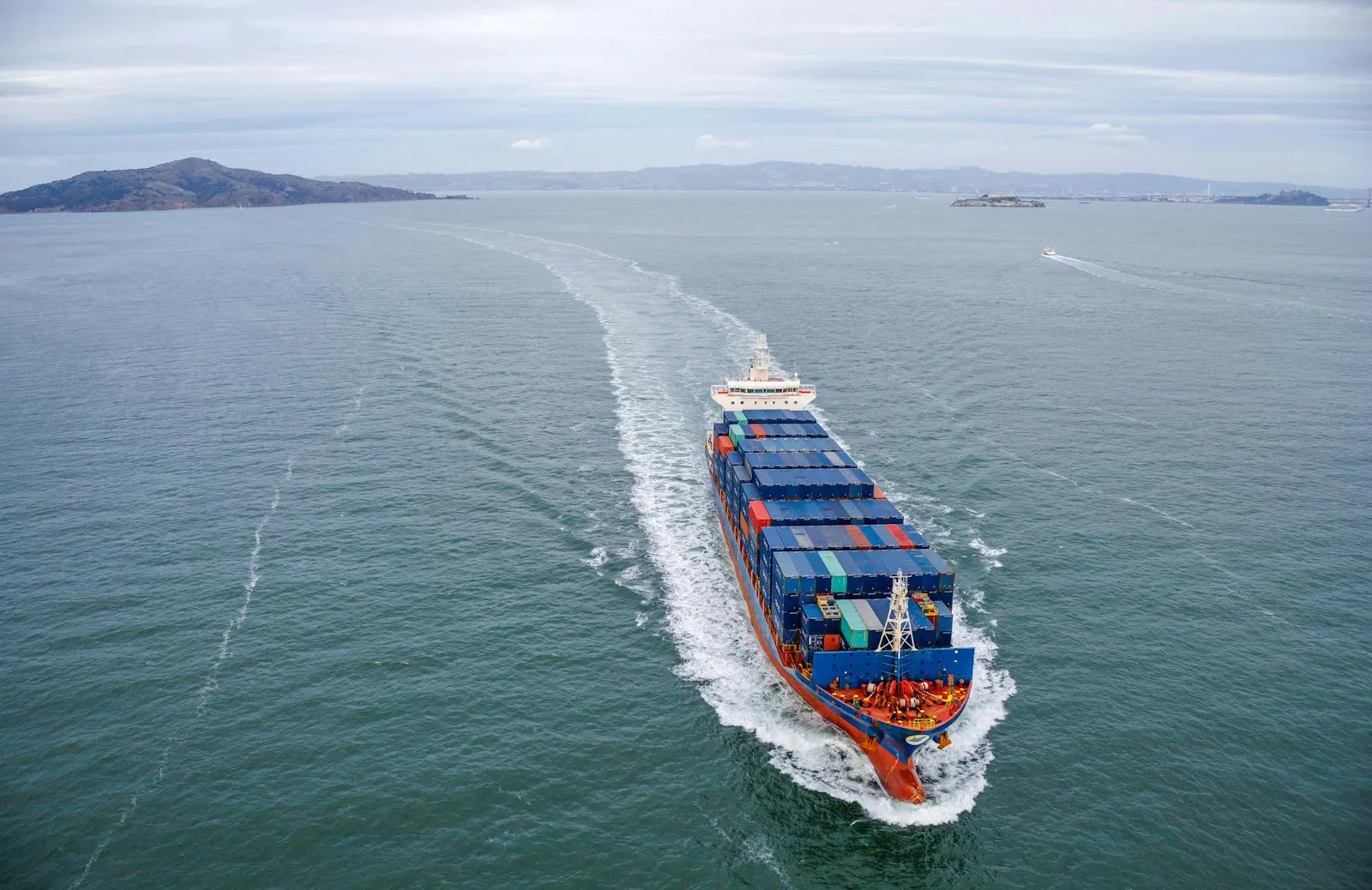
A U.S. military aircraft fired a Hellfire missile into the engine room of a Gambia-flagged cargo ship in the Gulf of Oman on Thursday, disabling the vessel after its crew ignored more than twenty warnings and continued heading toward an Iranian port.
The M/V Lian Star is now adrift in international waters. U.S. forces have not boarded it.
It was the fifth time since the American naval blockade of Iran began in April that U.S. forces have fired directly on a commercial vessel — part of an enforcement campaign that, by Friday’s count, had redirected 116 ships and allowed 26 humanitarian aid convoys to pass through. The Lian Star’s crippled engine room is the latest evidence of what it means to challenge that blockade, and it landed on the same day President Trump sat in the White House Situation Room to make what he called his “final determination” on a tentative peace deal with Tehran. He left without announcing one.
What Happened to the Lian Star
U.S. Central Command confirmed Saturday that its forces had observed the M/V Lian Star transiting international waters in the Gulf of Oman on Thursday evening, heading toward an Iranian port. CENTCOM said forces in the area issued more than twenty separate warnings while informing the crew that continuing toward the port would violate the blockade.
The crew did not comply.
After the warnings went unanswered, a U.S. aircraft fired a Hellfire missile into the ship’s engine room. The strike immobilized the Lian Star without destroying it. That is deliberate — the Hellfire is a laser-guided munition precise enough to target a specific compartment of a ship without sinking it, and it has become the signature enforcement tool of the Gulf blockade since April. Prior to the Lian Star, the same approach had been used on at least two occasions against Iranian-flagged tankers in May.
The Lian Star remained adrift in the Gulf of Oman as of Saturday morning. CENTCOM said U.S. forces had not boarded the vessel and offered no information about its crew, its cargo, or the interests behind the voyage. The Gambia-flagged registry is typical of international commercial shipping: vessels frequently register under so-called flags of convenience in countries with permissive maritime laws and minimal regulatory burdens. The flag tells you little about who owns the cargo or where the money goes.
The question of who chartered the Lian Star and what it was carrying — and why the crew kept heading toward Iran after twenty-plus warnings — has not been publicly answered.
Five Disabled, 116 Turned Away
The Lian Star is not an isolated incident. It is the fifth chapter in a six-week enforcement campaign that has steadily expanded in scale and intensity.
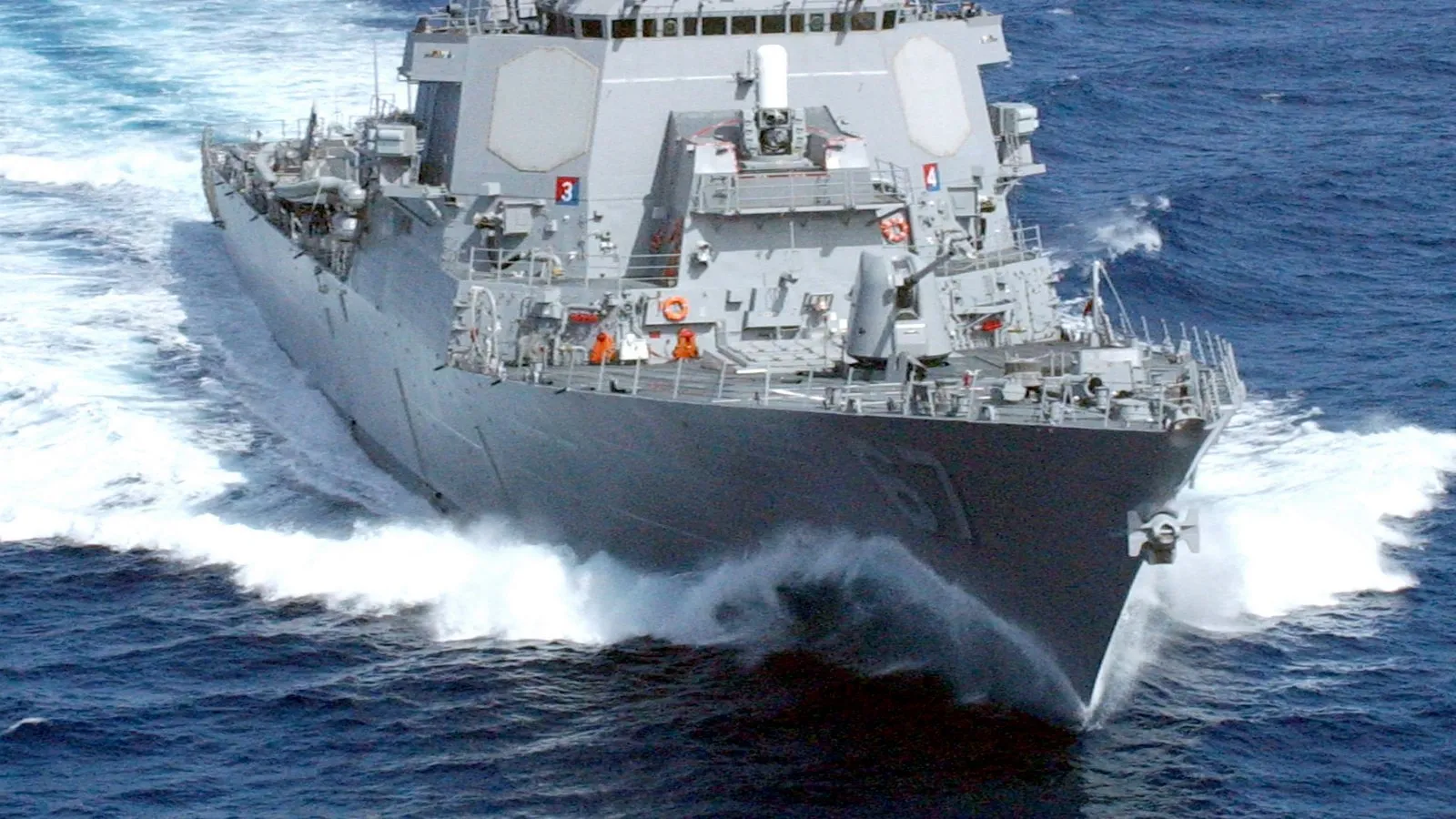
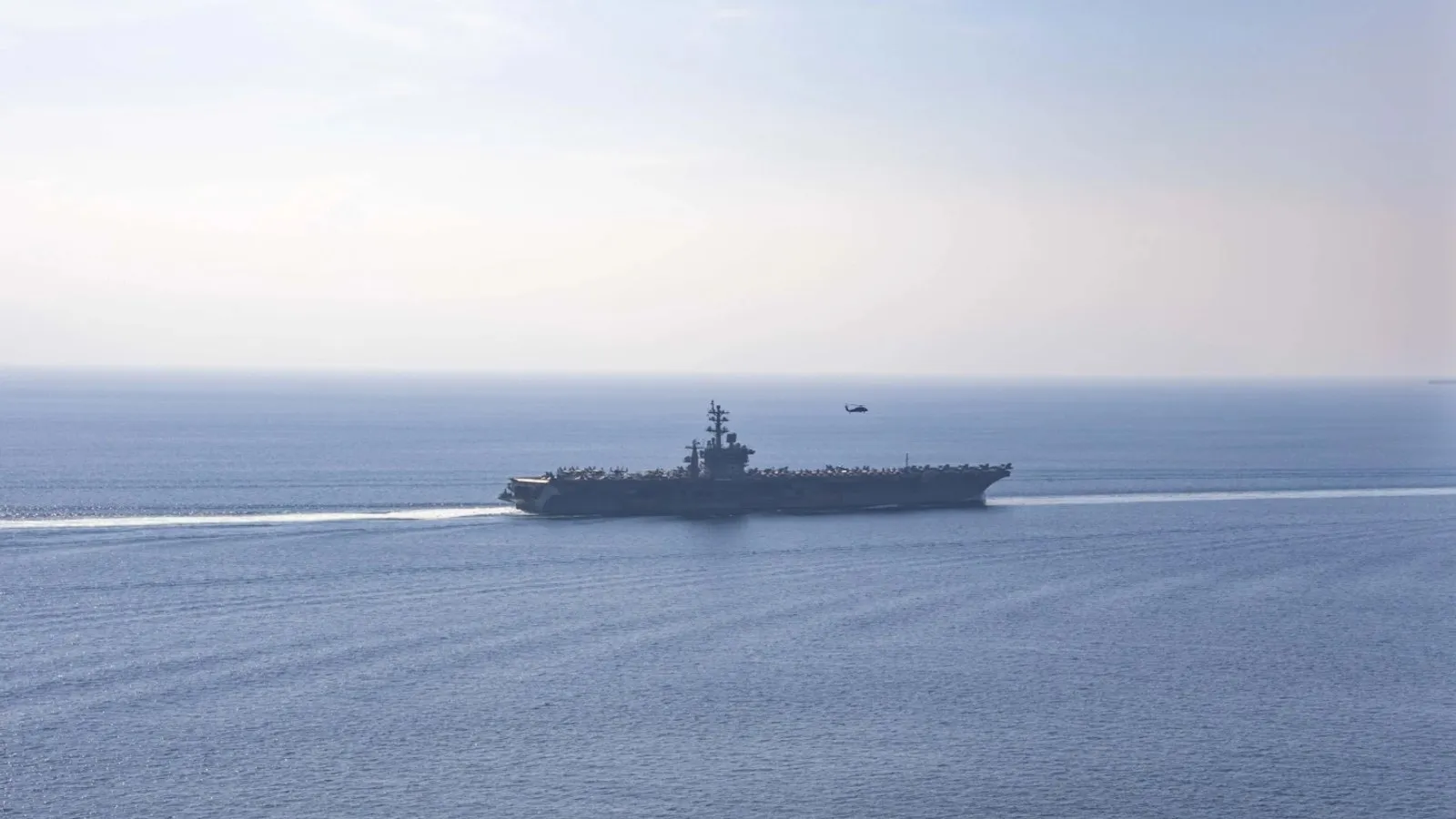
The American naval blockade of Iran formally began on April 13, after negotiations in Islamabad collapsed without producing a ceasefire to end the three-month-old war. CENTCOM announced the blockade would apply to all ships going to or from Iranian ports and coastal areas, while explicitly preserving freedom of navigation for vessels transiting the Strait of Hormuz to non-Iranian destinations. In the first 24 hours, six merchant vessels were redirected.
By May 23, CENTCOM announced it had redirected 100 commercial ships and disabled four. One of the earliest and most publicly noted incidents was the M/V Touska, an Iranian-flagged vessel that Trump referenced directly in an April social media post, describing how U.S. forces had “blown a hole in its engine room.” U.S. Navy F/A-18s conducted strafing runs against Iranian tankers in the Gulf on May 6 and May 8. The Lian Star on May 29 brought the total of disabled vessels to five.
What distinguishes the Lian Star from most of its predecessors is its flag. The others were Iranian-flagged. The Lian Star is registered in the Gambia — a third-country commercial vessel that someone was apparently willing to route through a declared American blockade to reach an Iranian port. CENTCOM has not publicly commented on whether the distinction matters for enforcement policy.
Twenty-six humanitarian aid ships have been permitted to pass through the blockade during the same period, according to CENTCOM figures. The enforcement is not indiscriminate; it is calibrated. Ships carrying food, medicine, or designated humanitarian relief have been exempted. Commercial cargo heading to or from Iran has not.
For a detailed look at how the blockade has reshuffled global maritime shipping, rerouted tankers around the Cape of Good Hope, and driven insurance premiums to crisis levels, see our earlier reporting on the economic cost of avoiding Iranian waters.
The Timing Problem
Negotiations between the United States and Iran produced a tentative memorandum of understanding last week — a 60-day ceasefire extension that would reopen the Strait of Hormuz, allow Iran to freely sell oil on world markets, and open a fresh round of nuclear talks. The deal required Trump’s approval before either side could implement it.
Trump had not given it as of Saturday morning.
He convened a meeting in the White House Situation Room on Thursday — the same day the Lian Star was being disabled — telling reporters he would make his “final determination” on the deal. He left the meeting without announcing one. The agreement remains unsigned.
Trump has publicly stated three conditions Iran must meet: it must agree to never develop a nuclear weapon; the Strait of Hormuz must be “immediately open” to unrestricted shipping with no tolls; and no money is to change hands until further notice. Iran’s Foreign Ministry has said the MOU text is “final and not subject to revision” and has called on Washington to sign it.
Iran says the window for a deal is closing. Earlier American Courant coverage tracked that warning in detail.
Oil markets have been watching. Brent crude dipped nearly 2 percent on Friday on ceasefire optimism, settling around $92 a barrel — down significantly from the $100 spike that followed U.S. self-defense strikes near Bandar Abbas in late May. Those strikes and the oil-price shock that followed them are covered in our May 26 report.
Until Trump signs or rejects the deal, the blockade is the operating policy. And the operating policy includes firing Hellfire missiles at ships whose crews choose not to listen.
What Comes Next
If Trump approves the agreement, the process of unwinding the blockade remains unclear. CENTCOM has not publicly described the mechanics of standing down enforcement, and any ceasefire arrangement would presumably require verification before U.S. forces began allowing commercial ships to transit freely toward Iranian ports.
The international diplomatic posture complicates the picture. Russia and China conducted joint naval exercises with Iran in the Gulf in recent weeks — a signal of solidarity that CENTCOM has acknowledged without modifying its enforcement posture. American Courant covered Iran’s diplomatic positioning with BRICS partners and the broader context of those exercises here.
For ships still trying to reach Iranian ports, the enforcement pattern is clear: warnings, then interception, then disabling fire. The Lian Star followed that sequence to its end. Someone made a decision to keep that ship moving after the twentieth warning, and someone is now managing the consequences of that choice in the Gulf of Oman.
The deal may come. The blockade, for now, is real.
Sources 6 cited · 1 primary
- U.S. Forces Disable Vessel in Gulf of Oman Attempting to Violate Blockade
- US military fires missile to disable ship in Gulf of Oman, CENTCOM says
- US forces fire Hellfire missile to disable ship trying to break its blockade
- US says it disabled another commercial ship trying to breach blockade and reach Iran
- U.S. and Iranian negotiators reach tentative deal to extend ceasefire and start new nuclear talks
- Trump ends Iran meeting without announcing 'final determination' on deal
American Courant cites its sources and links to primary documents where they exist. How we report →