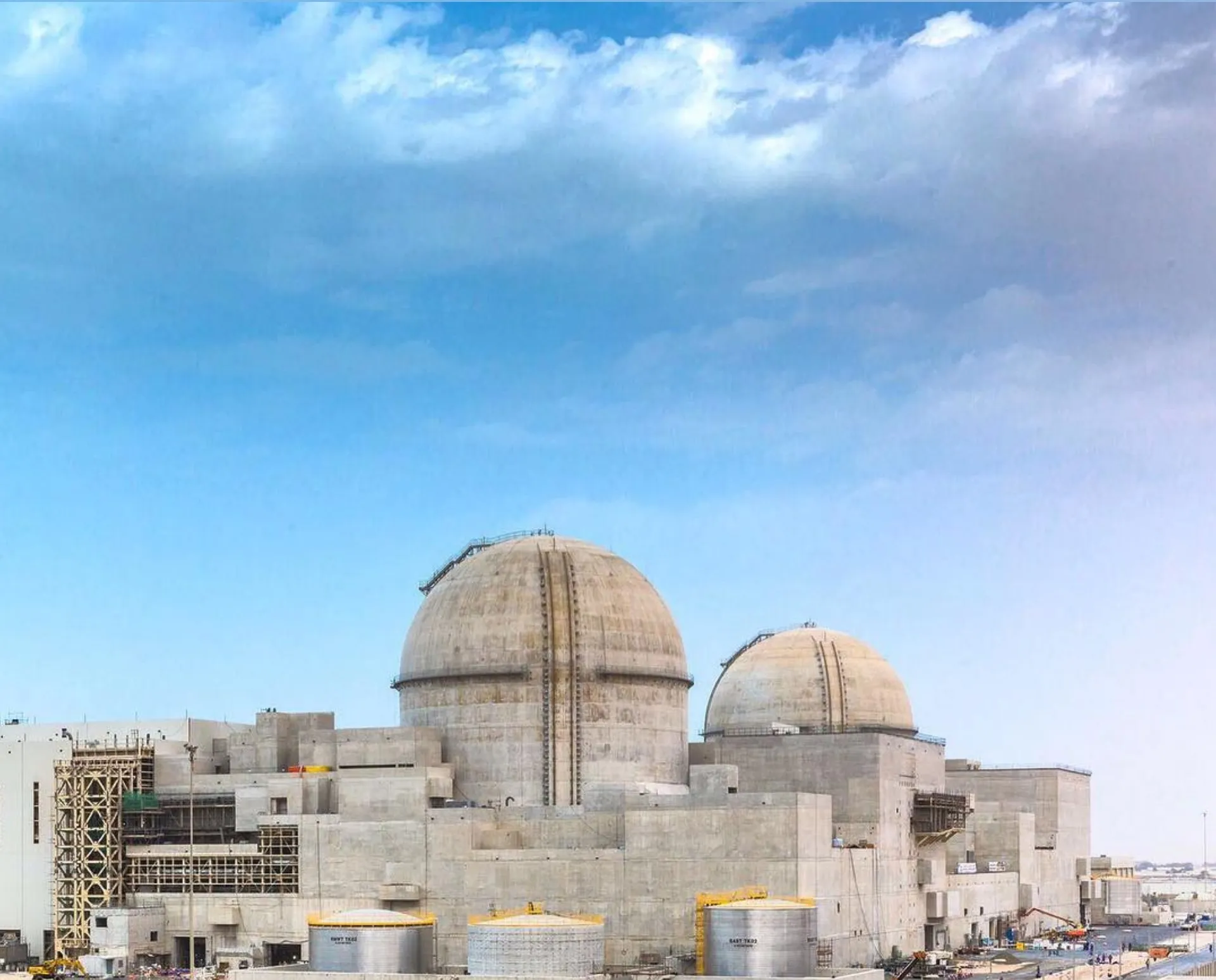
The International Atomic Energy Agency invoked nuclear safety protocols Monday and gave Iran 72 hours to explain and cooperate with an emergency inspection of the UAE’s Barakah Nuclear Energy Plant — the facility struck by a drone on Sunday that ignited a generator fire and forced one reactor onto emergency backup power.
The demand, issued by IAEA Director General Rafael Mariano Grossi in a formal statement from Vienna, came hours after the UAE Ministry of Defence released preliminary investigation findings: the drone that hit Barakah’s southern perimeter was tracked along a flight corridor originating from the Saada-Hajjah border region of northern Yemen — territory under operational control of the Houthi movement, which receives drones, missile-targeting assistance, and Islamic Revolutionary Guard Corps technical advisers directly from Iran.
If Iran does not respond or refuses to cooperate before the deadline lapses, Grossi’s statement said the IAEA Board of Governors can be convened on an emergency basis. The Board of Governors has the authority to formally notify the United Nations Security Council — the same body where the United States vetoed a ceasefire resolution on Thursday, leaving the Council functionally paralyzed on the broader Iran conflict.
The dual developments — a formal IAEA demand and a preliminary attribution finding pointing to Iranian-backed forces — place Iran in a position it has avoided since the war began: either acknowledge, directly or indirectly, that its proxies struck a nuclear facility, or refuse international access to a plant whose safety it technically disputes. There is no version of either answer that does not cost Iran diplomatically.
What the UAE Investigation Found
The Ministry of Defence investigation did not formally attribute the strike to Iran or the Houthi movement by name in its Monday statement. The language was deliberate: the drone was described as “consistent in construction, range, and trajectory with munitions systems previously documented in the Houthi inventory and confirmed by prior IAEA drone debris analysis.” UAE officials speaking on background went further, telling regional press that the drone’s entry vector was tracked across Saudi airspace from the Saada region — where it apparently went undetected by Saudi air-defense radar configured primarily for northwest-origin threats.
Two of the three drones fired Sunday were destroyed by UAE air-defense batteries. The third flew a lower-altitude profile than its companions, evading radar at approximately 40 kilometers from the plant, and struck the electrical generator on the plant’s southern perimeter. That generator powered non-critical administrative buildings, not the reactor containment systems. One reactor shifted briefly to diesel emergency backup power and was returned to grid power within four hours.
“The flight path and the aircraft’s construction are, in our assessment, consistent with drones used in previous Houthi attacks on critical UAE infrastructure,” the Federal Authority for Nuclear Regulation said in a separate safety statement released Monday. The FANR statement confirmed that radiation monitoring at and around the facility registered normal background levels throughout Sunday and overnight, and that all four reactors at the site remained in controlled operation.
The Ministry of Defence said a formal attribution finding would be released within seven days, pending additional technical analysis — including recovery and identification of drone debris fragments from the strike site. That formal finding, expected by May 25, will set the public timeline for any further UAE response.
What the IAEA Demand Actually Requires
Nuclear safety inspections under IAEA protocols are distinct from the agency’s routine safeguards inspections, which verify that a country’s nuclear material is not being diverted to weapons use. Safety inspections are requested when a nuclear facility’s physical integrity or operational safety comes into question — and a drone strike, even a peripheral one, qualifies.
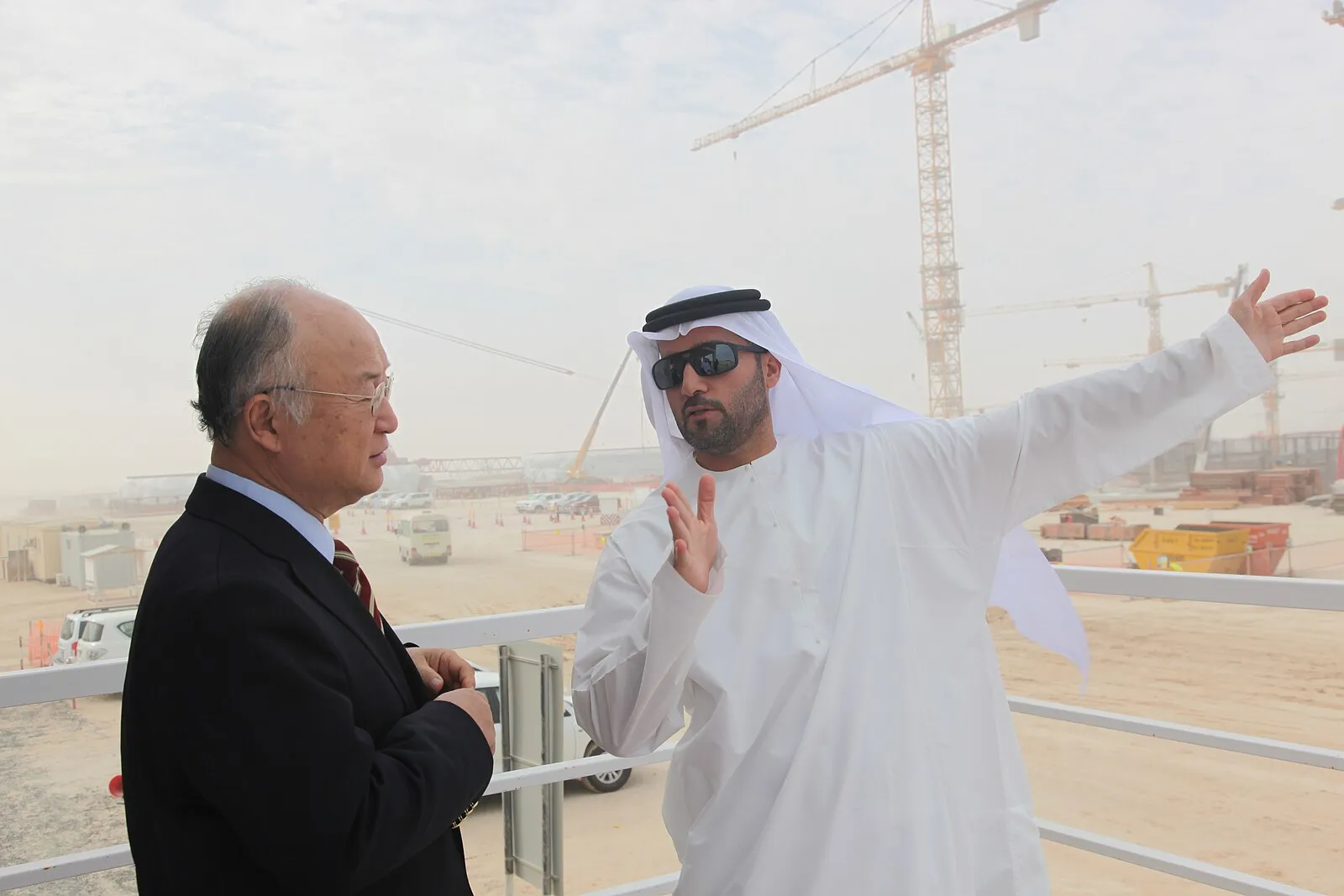
Grossi framed his demand as a request for a “nuclear security assistance and evaluation visit,” a formulation the agency used in Ukraine to distinguish the mission from the more politically charged term “inspection.” The visit would involve a team of IAEA safety and security engineers examining the Barakah perimeter, reviewing the UAE’s post-strike safety procedures, and verifying that reactor systems were not compromised beyond what Abu Dhabi has publicly reported.
Iran is a signatory to the IAEA Statute and to the Nuclear Non-Proliferation Treaty. It is, however, not the host country of the facility in question — the UAE is. The mechanism Grossi is invoking does not require Iran’s formal permission to visit Barakah. What it requires is Iranian cooperation in any subsequent investigation of the drone’s origin, and a formal response to the agency’s inquiry within the 72-hour window.
If Iran does not respond substantively, the agency’s Board of Governors can convene under Article 18 of the IAEA Statute. The 35-member Board includes the United States, the United Kingdom, France, China, and Russia — a composition that virtually guarantees any Security Council referral will be contested. But a Board session itself creates a formal international record of Iranian non-cooperation with nuclear safety standards, and that record has diplomatic value independent of whether the Council acts.
The practical utility of the 72-hour demand is therefore not in its enforcement mechanism. It is in the record it begins to build.
Iran’s Response — and Its Narrow Options
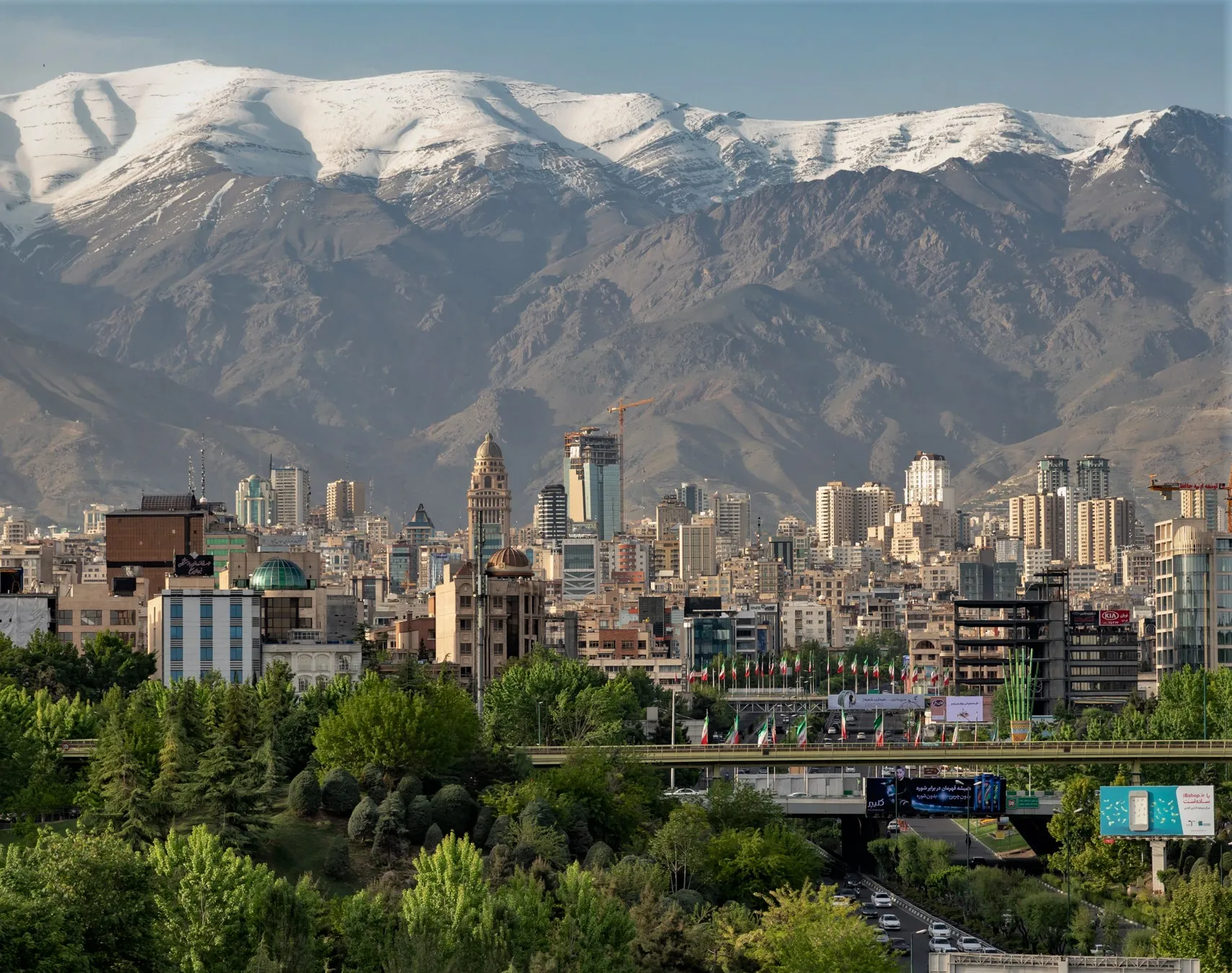
Iranian state television reported Monday that the Ministry of Foreign Affairs had dismissed the UAE investigation findings as a “fabricated narrative designed to justify further aggression against the Iranian nation and its allies.” The ministry’s statement did not address the IAEA demand directly. By Monday evening, no formal Iranian response had been delivered to IAEA headquarters in Vienna.
Iran faces a constrained set of choices. Cooperating with an IAEA safety visit implicitly validates the UAE’s claim that the attack originated from Iranian-controlled territory — a concession that undermines Tehran’s ceasefire negotiating position at precisely the moment it is weakest. Refusing creates a formal international record of non-cooperation with nuclear safety standards, which affects Iran’s relationships not only with Western states but with China, which has repeatedly signaled that nuclear plant safety is a red line for its own regional calculations.
Tehran’s most likely path is procedural delay: responding to the IAEA with a counter-request for additional documentation before committing to a visit, effectively running out the 72-hour clock while arguing in parallel forums that the attack was staged or the work of a third party. That approach has limited credibility given the flight-path data and the debris trail.
The Zaporizhzhia Precedent — and Its Limits
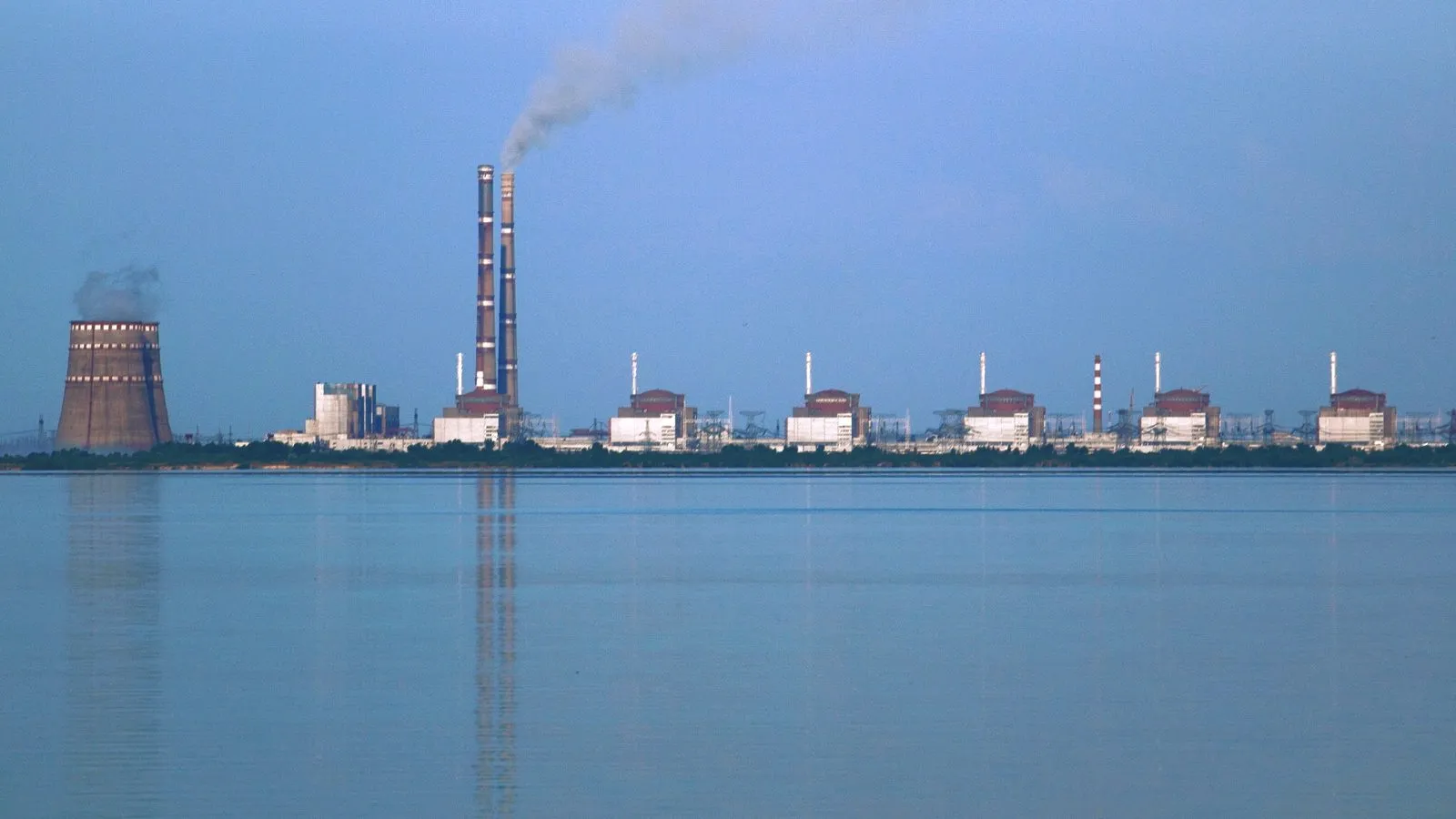
The closest historical parallel is Russia’s September 2022 seizure of the Zaporizhzhia Nuclear Power Plant in Ukraine, which prompted the IAEA to establish a permanent on-site monitoring presence. Grossi personally traveled to Zaporizhzhia in a politically significant show of institutional resolve that helped stabilize — for a time — the safety situation at the plant and gave the international community a continuous record of conditions at the site.
The key difference between Zaporizhzhia and Barakah is physical control. Russia held Zaporizhzhia and could be pressured to allow IAEA monitors through diplomatic channels that included its own interest in being seen as a responsible nuclear power. Iran does not hold Barakah — the UAE does, and access to the facility itself is not the constraint. What the IAEA is actually demanding from Iran is an accounting: an explanation of how a drone consistent with Iranian-supplied Houthi inventory ended up on a flight corridor from Saada to Abu Dhabi, at a moment when Iran’s proxies had publicly listed Barakah as a potential target.
That accounting, if honest, is one Iran cannot provide without implicating itself. Which is precisely why the 72-hour deadline is, at its core, a test of whether Iran chooses to engage the international safety framework at all.
What Changes Now
Three concrete shifts follow from Monday’s developments.
First, the ceasefire is now functionally over as a diplomatic framework. Even before Sunday’s strike it had been described as on life support following the Abadan refinery attack and the resumption of Hormuz interdictions. An attack on a nuclear power plant — even a perimeter generator — crosses a threshold the informal ceasefire architecture was never designed to handle. Qatari and Turkish mediators confirmed Monday that no ceasefire discussions are currently underway and that none are scheduled.
Second, the UAE is now publicly committed to a formal attribution finding that will require a response from the United States and the international community. The May 5 attacks on Fujairah’s oil zone drew condemnation but no formal military response from Abu Dhabi. A drone that hits a nuclear plant — even its perimeter — changes the UAE’s domestic political calculus. The formal attribution report sets a May 25 deadline around which Abu Dhabi must be seen taking meaningful action, and its allies must decide what meaningful support looks like.
Third, the IAEA Board of Governors is now formally seized of the question of nuclear safety in an active conflict zone involving Iranian-backed forces. Whatever trajectory bilateral Iran-UAE tensions follow, the agency’s engagement will continue independently. The Board’s involvement creates a multilateral accountability layer that persists even if diplomatic temperatures temporarily drop.
What Comes Next
The IAEA’s 72-hour window expires Wednesday evening Vienna time — approximately Thursday morning in Abu Dhabi. Iran’s formal response deadline is Thursday, May 21.
If no substantive cooperation is offered by then, Grossi has authority to call an emergency Board of Governors session on five days’ notice, which would place the matter before the full 35-member Board by approximately May 26. The UAE’s formal attribution report is expected by May 25. The UN Security Council is currently scheduled to discuss the broader Middle East situation Thursday; France and the United Kingdom have indicated they may request an emergency session on Barakah specifically before the end of the week.
The IAEA team that would conduct the evaluation visit is already identified and could deploy to Abu Dhabi on short notice. The question is whether Iran gives it any reason to.
Sources 6 cited · 2 primary
- IAEA Director General Grossi formal statement: nuclear safety demand following Barakah drone strike
- UAE Ministry of Defence: preliminary investigation traces Barakah drone to Houthi-controlled launch corridor in Saada, Yemen
- Iran denies involvement in Barakah drone strike, calls investigation 'fabricated narrative'
- IAEA's nuclear safety demand after Barakah strike: what the 72-hour protocol means and what comes next
- IAEA gives Iran 72-hour deadline over Barakah nuclear plant attack, invoking safety protocol
- Zaporizhzhia nuclear plant: IAEA mission history and monitoring framework under conflict conditions
American Courant cites its sources and links to primary documents where they exist. How we report →