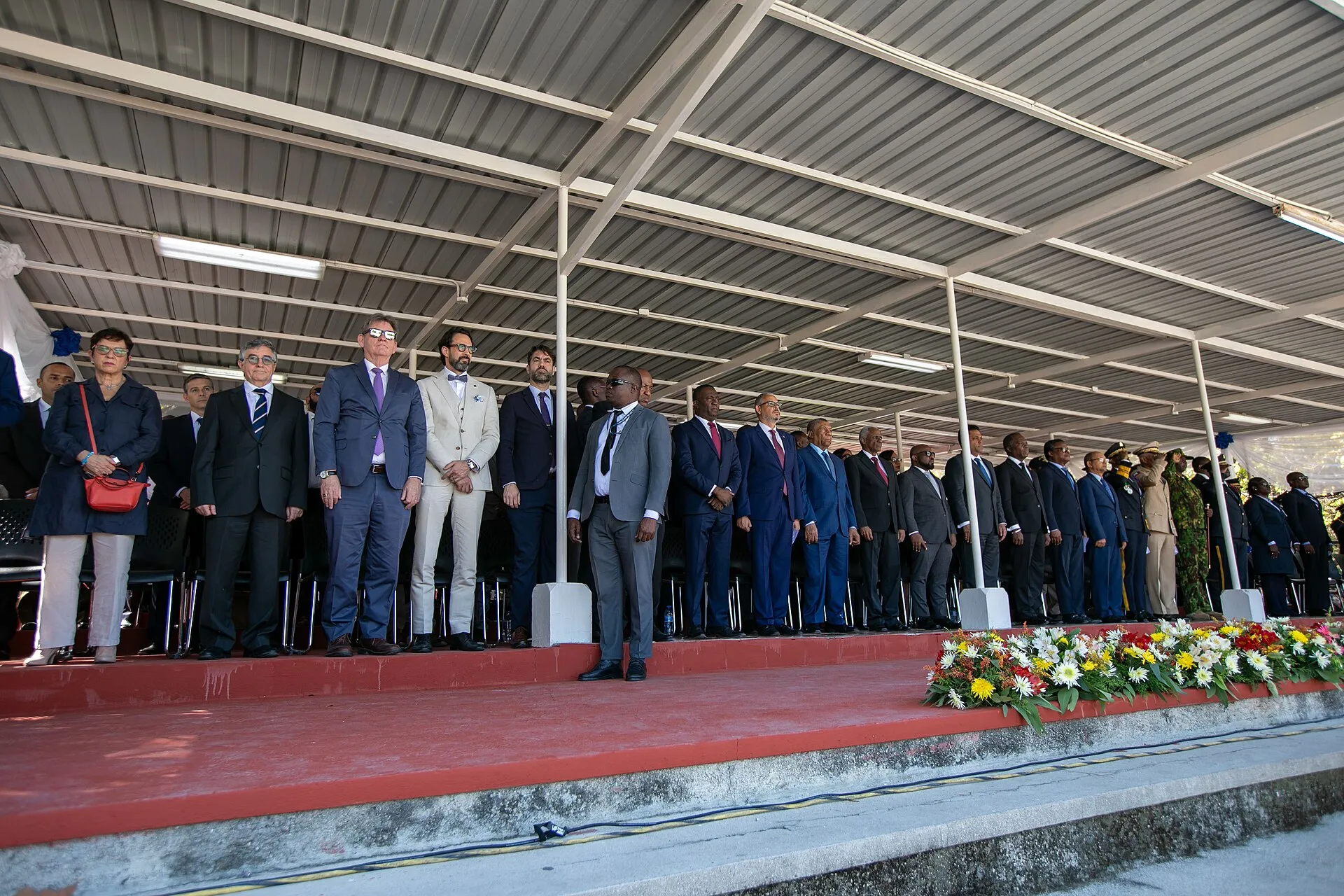
António Guterres walked into Port-au-Prince on Tuesday for the first time in nearly three years, and his first stop said everything about why he came. Before meeting Haiti’s leaders, the UN secretary-general went to the headquarters of a force that does not yet fully exist: a new international Gang Suppression Force assembled to do what a Kenyan-led mission before it could not — wrest the Haitian capital back from the armed groups that now control most of it.
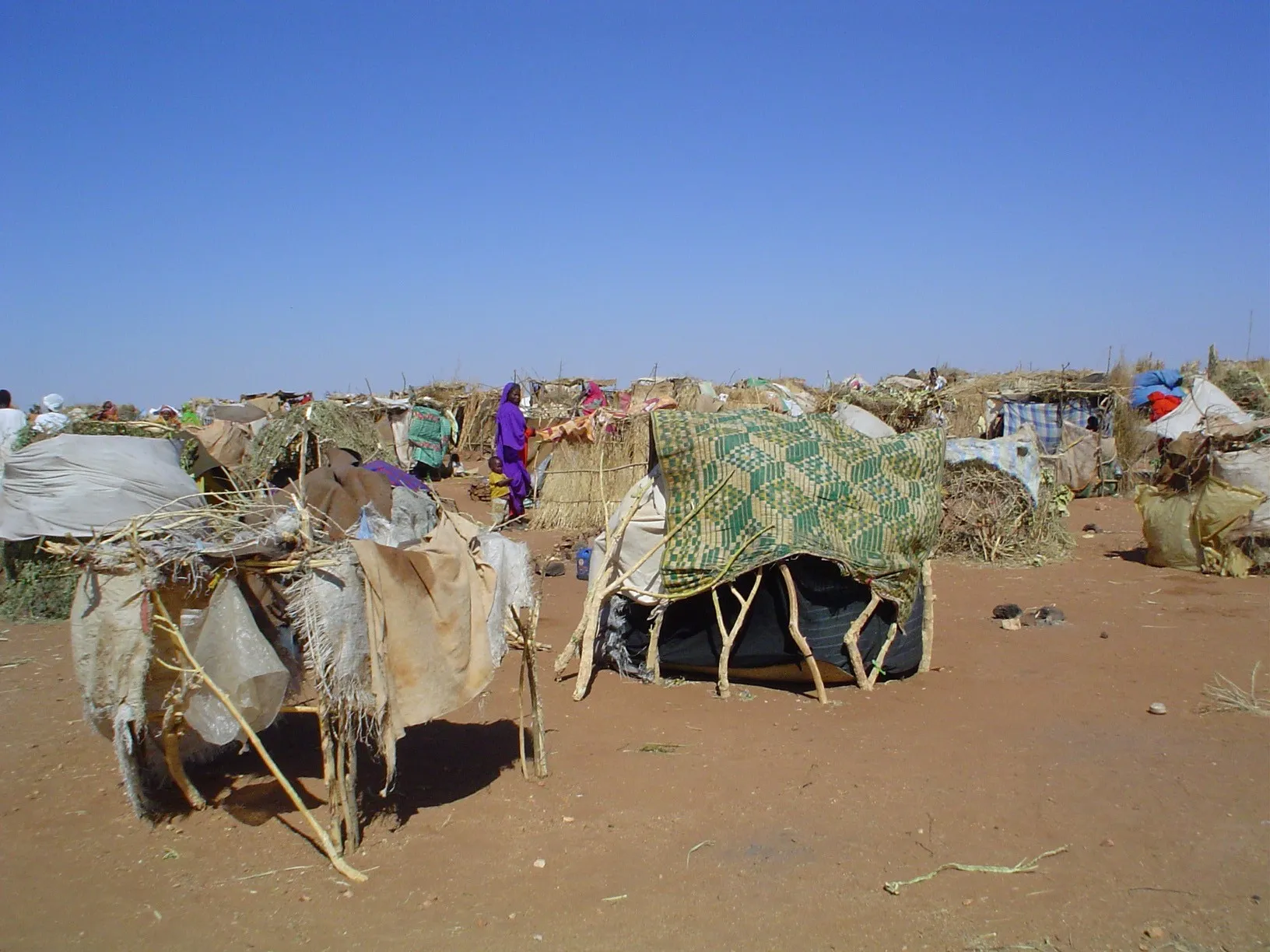
It was Guterres’ first trip to the country since July 2023, and he arrived into a catastrophe that has only deepened in the interval. By the United Nations’ own count, more than 2,300 people have been killed across Haiti so far this year and roughly 1.5 million have been driven from their homes — more than one in ten Haitians displaced inside their own country. The visit was billed as a show of solidarity. Its substance was a warning: the force the world is counting on to stop the violence is arriving slowly, underfunded, and, in Guterres’ assessment, without a strong enough mandate to win.
The new force is the centerpiece of an international bet that the United States helped place. Whether it can succeed where its predecessor failed is now the central question hanging over a country that has slid from crisis to collapse with much of the world looking away.
Why It Matters
Haiti is the closest failed-state emergency to American shores, and its unraveling does not stay within its borders. Gang control of Port-au-Prince has throttled the country’s ports, airport and food supply, helped push close to six million people toward severe hunger, and turned migration pressure into a recurring feature of U.S. policy debates. When the capital of a nation 700 miles off Florida is run by armed groups, the consequences reach the hemisphere through trafficking routes, humanitarian appeals and the question of what happens to the Haitians who flee.
It matters, too, because this is a test of whether the international community can still mount an effective security intervention at all. The previous effort — a multinational mission led by Kenyan police, backed heavily by Washington — was authorized with fanfare and then starved of the troops and money it needed. The new Gang Suppression Force is the second attempt, built on the wreckage of the first. If it stalls the same way, the lesson the world’s gangs and governments alike will draw is that even a UN-blessed, U.S.-supported mission cannot be made to work in Haiti.
A Force Replacing a Force
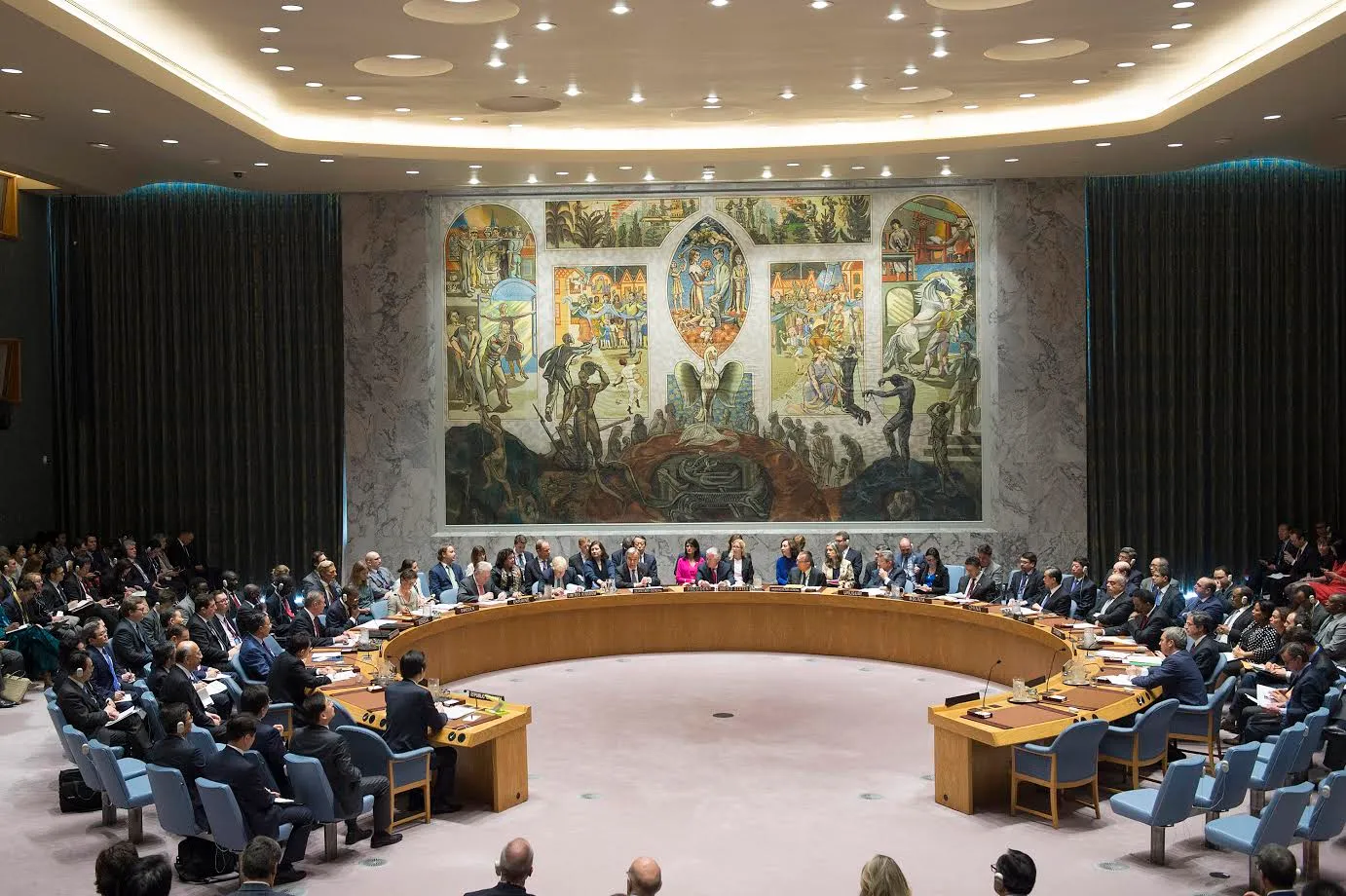
The Gang Suppression Force exists because the mission before it did not deliver. The Kenyan-led Multinational Security Support mission, deployed to help Haiti’s national police, never reached its intended strength and spent its existence short of funding and personnel. In a resolution adopted last October, the Security Council voted to transition that effort into a larger, more militarized Gang Suppression Force, paired with a UN support office meant to give it the logistical backbone the Kenyan mission lacked.
On paper the new force is far more ambitious: it is authorized to grow to 5,500 personnel under an initial 12-month mandate. In practice it is barely standing. The first contingent — about 400 troops from Chad — arrived in April, and since then Jamaica, El Salvador and Guatemala have added to the ranks, but the total deployed remains under a thousand, a fraction of the authorized size. The force is expected to begin operations in the coming weeks. Funding tells the same story of a gap between ambition and reality: a UN-supervised trust fund has drawn roughly $223 million in pledges from 13 countries, of which about $174 million is cash, and only a portion of that has actually been disbursed.
That gap is what Guterres came to highlight. He said the Kenyan-led deployment had lacked a sufficiently robust mandate to confront the violence and argued the new mission needs stronger logistical support, training and coordination to meet its objectives while operating under strict human-rights standards. It was a notably candid assessment from a secretary-general standing in the country whose rescue depends on the force he was describing as not yet up to the job.
The U.S. Angle
The fingerprints of Washington are on the plan Guterres came to inspect. The Security Council resolution that created the Gang Suppression Force was co-authored by the United States and Panama, and the U.S. Mission to the United Nations laid out its support when the measure passed by a vote of 12 in favor, with China, Pakistan and Russia abstaining. The United States was also the largest financial backer of the original Kenyan-led mission. In other words, the international architecture meant to stabilize Haiti is one Washington helped design and pay for — which makes the new force’s struggles a U.S. problem as much as a Haitian one.
That involvement collides with another strand of American policy: what to do about Haitians already in the United States. The Department of Homeland Security, under Secretary Kristi Noem, moved to end Haiti’s Temporary Protected Status, the designation that has shielded hundreds of thousands of Haitians from deportation on the grounds that conditions at home were too dangerous for return. A federal court stayed the termination, the Supreme Court heard arguments in the case on April 29, and a ruling is expected by early July; until then, the protection remains in effect. The timing is its own commentary — the U.S. government is helping fund a force premised on the idea that Haiti is too violent to govern itself, while separately arguing in court that conditions have improved enough to send Haitians back.
The hemisphere’s harder posture toward migration is not unique to Washington. Europe has been moving in a parallel direction, striking deals for faster deportations and detention centers abroad, and the Haitian case sits inside that wider turn — even as the security situation that drives people to leave shows no sign of easing.
The Scale of the Collapse
The numbers Guterres carried into Port-au-Prince describe a society in freefall. Beyond the 2,300 killed and the 1.5 million displaced this year, the United Nations estimates that 6.4 million Haitians — more than half the population — now need humanitarian assistance, and close to six million face severe food insecurity. More than 100 people have been kidnapped this year in a country where abduction has become an industry. The gangs do not merely commit violence; they control territory, tax movement, and decide whether food and fuel reach the people who need them.
This is the same kind of catastrophe the United Nations has spent the year documenting elsewhere, from the drone war killing civilians in Sudan to displacement crises across several continents — but Haiti’s is distinguished by its proximity to the United States and by how completely the state has ceded ground. A national police force that the Gang Suppression Force is meant to reinforce, not replace, has been outgunned and outnumbered for years. The premise of the entire international effort is that Haiti’s own institutions cannot reclaim the capital without sustained outside help.
What Comes Next
The immediate test is deployment. The Gang Suppression Force is supposed to begin operations within weeks, and the gap between its authorized strength of 5,500 and the fewer than 1,000 troops on the ground is the number to watch — whether more countries contribute personnel and whether the trust fund’s pledges convert into cash that reaches the field. Guterres’ public warning was, in part, an appeal: he used the visit to press member states for the logistics, training and money the mission still lacks.
The second test is American. The Supreme Court’s TPS ruling, due by early July, will determine the legal status of hundreds of thousands of Haitians in the United States and will land as a statement — intended or not — about how dangerous Washington considers Haiti to be. And the broader question of how much the United States is willing to fund and sustain the force it helped create will shape whether this second attempt fares better than the first.
For now, the secretary-general has done what a visit can do: put the world’s attention, however briefly, back on a collapse it had largely stopped watching. The harder work belongs to the force still assembling on the ground. Readers following the crisis can track our world news coverage as the new mission deploys and the U.S. court decision lands.
Sources 6 cited · 3 primary
- Security Council Authorizes Transition of Multinational Security Support Mission in Haiti to 'Gang Suppression Force' (Resolution 2793)
- Explanation of Vote Following the Adoption of the UN Security Council Resolution for a UN Support Office and Gang Suppression Force in Haiti
- UN chief visits Haiti, where a new 'gang-suppression force' will be deployed
- UN chief visits Haiti, where a new international force will be deployed to help fight gangs
- UN chief Guterres to visit Haiti in show of solidarity as gang violence surges
- DHS Terminates Temporary Protected Status for Haiti
American Courant cites its sources and links to primary documents where they exist. How we report →