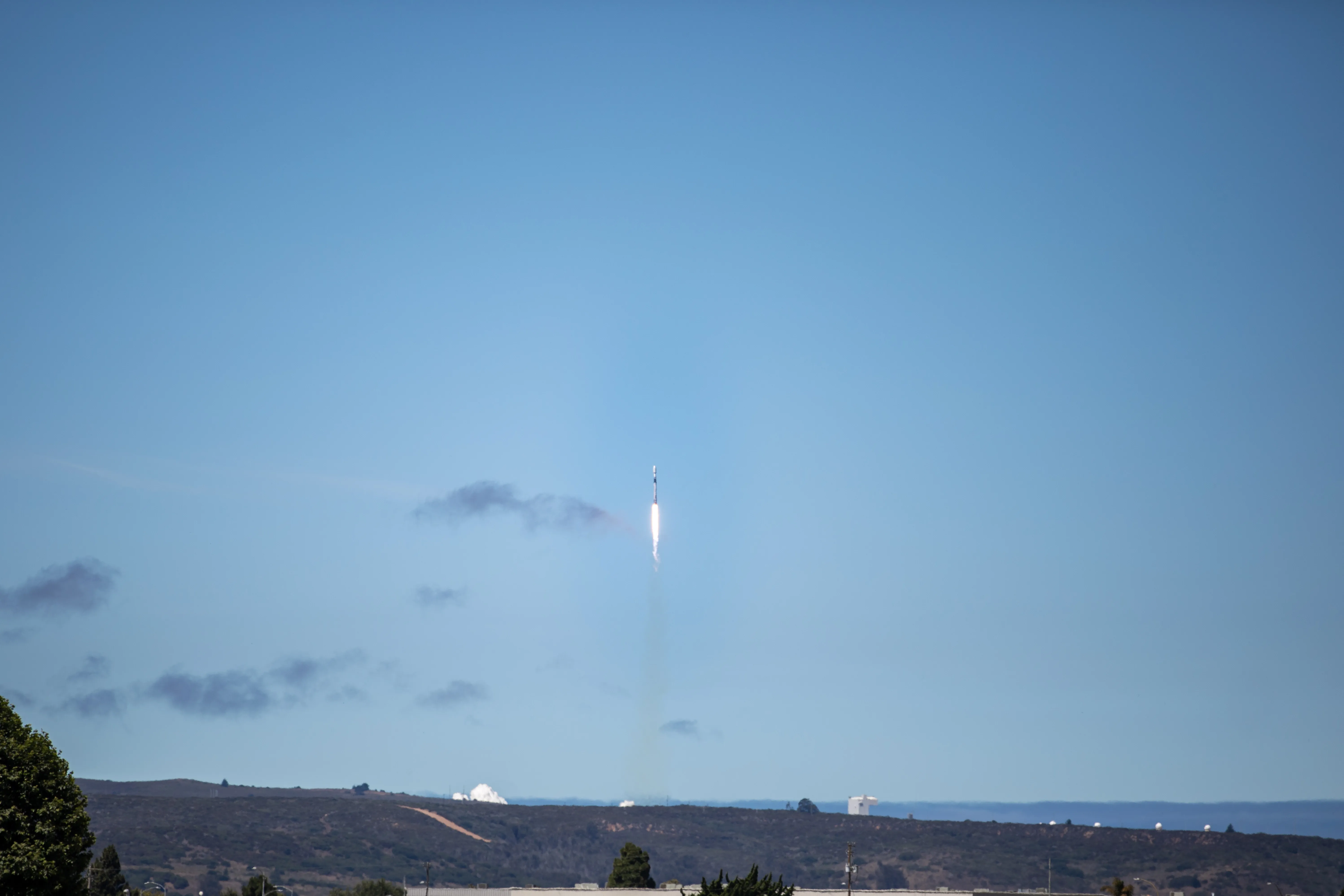
The most anticipated IPO in a generation is now days away.
SpaceX is expected to file its public S-1 registration statement with the Securities and Exchange Commission this week — as soon as Monday — setting the clock toward a June listing on the NASDAQ that would raise as much as $75 billion and instantly make SpaceX one of the most valuable publicly traded companies on the planet.
At that scale, the offering would be nearly triple the $29.4 billion raised by Saudi Aramco in 2019, the current global record. The roadshow is planned to begin around June 8. Pricing could come June 11. First trading day, June 12.
When the prospectus lands, it will be the first time the public can read SpaceX’s full audited financial statements. What those numbers show is a company with a genuinely remarkable cash-generating core — and an AI division that is burning through it at a rate that makes the whole picture considerably more complicated.
What SpaceX Is Actually Selling
SpaceX is no longer purely a rocket company. The entity going public is a three-segment operation: Starlink, the world’s largest satellite internet network; the launch services business that sends rockets to orbit for NASA, the Pentagon, and commercial customers; and xAI, Elon Musk’s artificial intelligence company, which SpaceX absorbed in an all-stock deal in February 2026 at a combined valuation of $1.25 trillion.
The combined company is targeting a valuation of between $1.75 trillion and $2 trillion in the offering. At $1.75 trillion, SpaceX would rank roughly alongside Amazon on the day it lists — ahead of Meta and well ahead of TSMC.
SpaceX confidentially filed its S-1 with the SEC on April 1, 2026. Since then, details have leaked steadily through Bloomberg, Reuters, and CNBC. The public filing this week is the moment ordinary investors can finally read the numbers themselves.
Twenty-one banks are underwriting the deal, led by Morgan Stanley, Bank of America, Citigroup, JPMorgan Chase, and Goldman Sachs. In an unusual move for a mega-IPO, up to 30 percent of shares are expected to be allocated to retail investors — roughly three times the typical proportion on a large offering.
Starlink: The Engine Under the Hood
The story Musk is pitching to investors starts with Starlink, and for good reason.
Starlink generated $11.4 billion in revenue in 2025, up more than 50 percent from the year prior, and posted $4.42 billion in operating profit. Its adjusted EBITDA margin came in at approximately 63 percent. By February 2026, Starlink had surpassed 10 million active subscribers across 160 countries.
No other satellite internet provider is remotely close. The service has expanded from consumer broadband into high-margin government and military contracts — Starshield, SpaceX’s Pentagon-facing product line, contributed roughly $1.8 billion in 2025 revenue. The air gap between Starlink and its nearest competition keeps widening because the Falcon 9 rocket lets SpaceX deploy satellites at a cost and frequency that traditional aerospace cannot match.
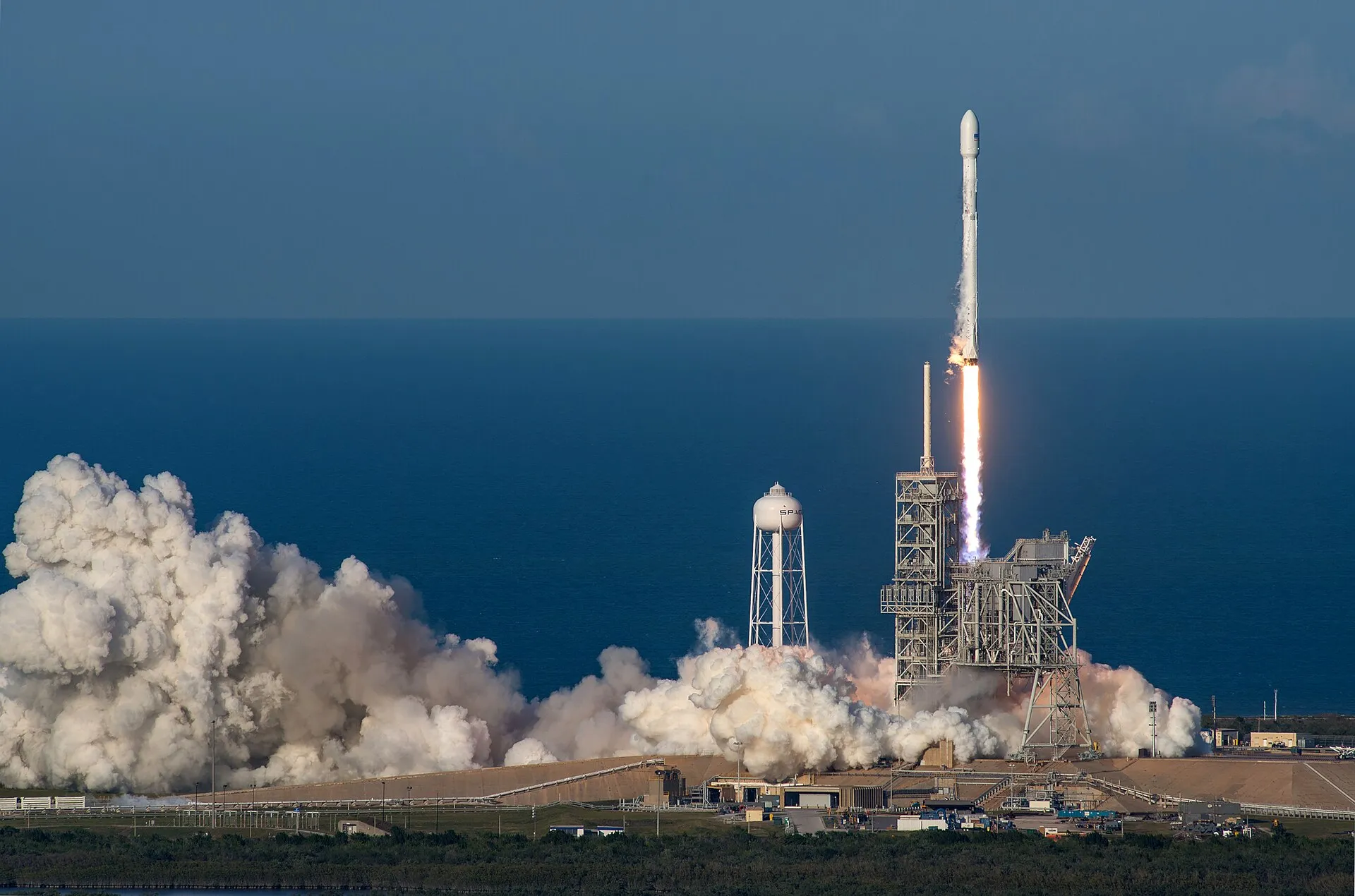
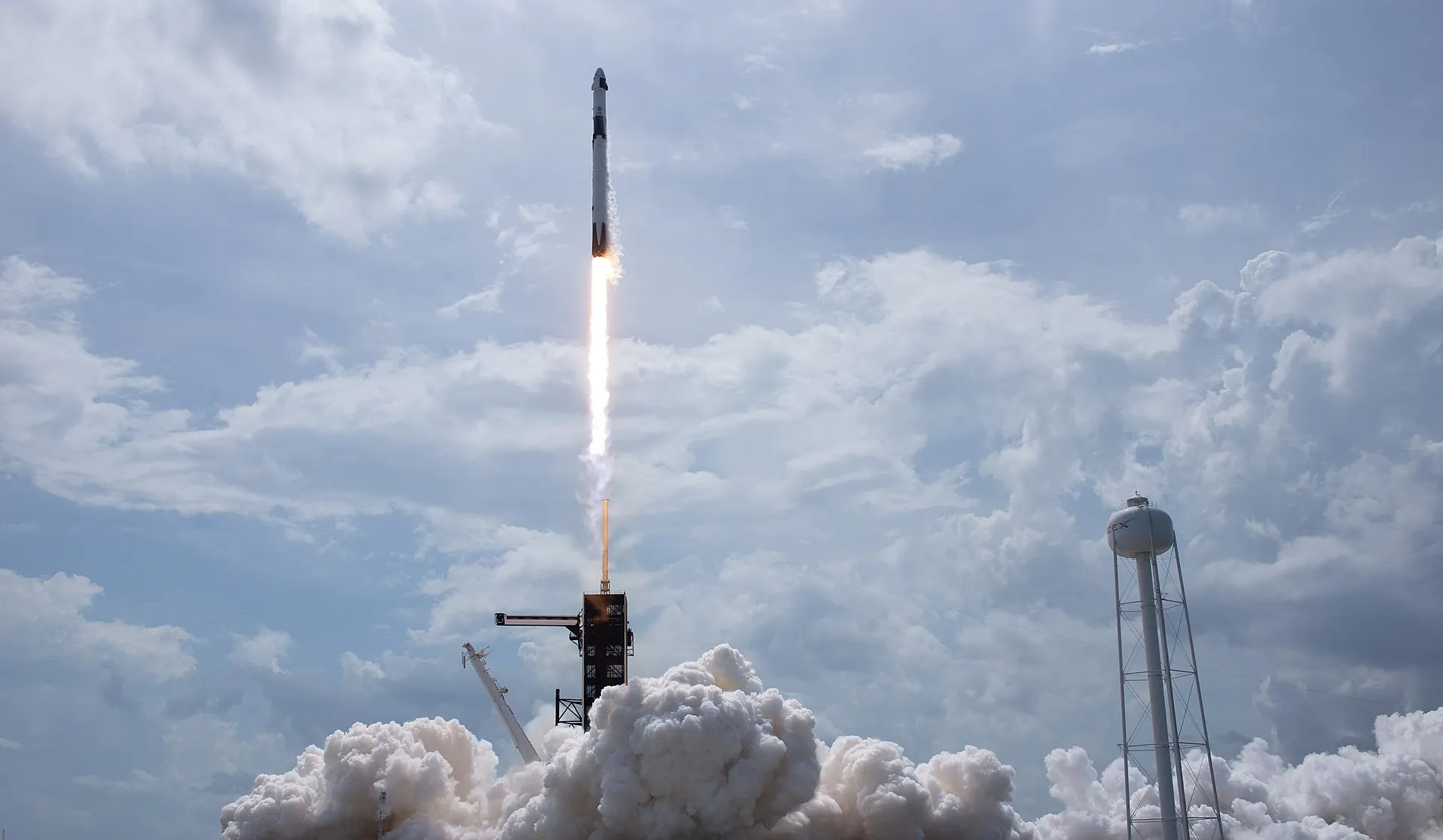
The launch services segment added approximately $6.4 billion in 2025 revenue. Falcon 9 set another record last year for total orbital launches, and SpaceX’s reusable booster program now allows it to fly the same first-stage hardware dozens of times, driving down per-launch costs in ways competitors have struggled to replicate.
Together, rockets and Starlink made SpaceX profitable in 2024, when it posted $791 million in net income on $14 billion in revenue.
xAI: The Complication
Then came the merger.
xAI, which operates Grok and the Colossus supercomputer cluster in Memphis, burned through an estimated $14 billion in 2025 — against revenue of roughly $3.2 billion. The result: the combined entity posted a net loss of $4.94 billion in 2025, a swing of nearly $5.7 billion from the prior year’s profit.
Capital expenditures skyrocketed to $20.74 billion in 2025 — nearly five times the $4.2 billion SpaceX spent in 2024. More than half of that went to AI infrastructure. SpaceX also separately filed plans in May for the Terafab chip factory in Grimes County, Texas — a semiconductor fabrication plant it would jointly build with Tesla and xAI that could cost up to $119 billion across multiple phases.
The pitch to investors is that the xAI losses are an investment, not a liability — that the same vertical integration that made Starlink profitable will eventually apply to AI infrastructure. Orbital data centers, where satellites process and relay AI inference tasks, are the explicit long-term thesis.
Whether that pitch holds depends heavily on whether xAI can ever generate revenue at the scale it consumes capital. The prospectus, when it lands this week, will be the first document that lets investors evaluate that bet with full audited data.
The timing of the IPO is also notable. Markets have been under pressure this week: the S&P 500 fell 1.2 percent on Friday after oil prices spiked above $111 a barrel following an Israeli strike on Iran’s Abadan refinery, driving the sell-off that rattled risk assets across the board. The roadshow will launch into whatever market environment exists in early June.
The Governance Question No Investor Should Ignore
Reuters, in an exclusive in late April based on the confidential S-1, reported the detail that will likely generate the most public debate: after the IPO, Musk will retain roughly 79 percent of SpaceX’s voting power despite owning approximately 42 percent of its equity.
The mechanism is a dual-class share structure. Public investors receive Class A shares, which carry one vote each. Insiders, including Musk, receive Class B shares carrying 10 votes each. The S-1 reportedly warns potential investors directly that the structure “will limit or preclude your ability to influence corporate matters and the election of our directors.”
More pointedly, news analysis of the filing found that under the governance arrangement, Musk can only be removed as CEO or chairman by a vote of Class B shareholders — a class he controls. As Sherwood News put it succinctly: no one can fire Elon Musk except Elon Musk.
Dual-class structures are not unusual in technology IPOs. Alphabet, Meta, and Snap all listed with similar arrangements. What’s unusual is the scale: at SpaceX’s size, the concentration of voting power in a single individual who also runs Tesla, oversees xAI, sits on the board of multiple other ventures, and traveled to Beijing this week as part of the White House CEO delegation may attract regulatory and investor scrutiny the company hasn’t faced before as a private firm.
What Comes Next
The 15-day window between a public S-1 filing and the start of a roadshow means the math points to a filing between Monday, May 18, and Friday, May 22. If the company files on Monday and the roadshow begins June 8 as planned, SpaceX will have complied with the minimum statutory notice period.
Investors who want to participate can expect to place orders through their brokerage during the June 8–10 roadshow period. Retail access at 30 percent is higher than norm, but retail allocations on hot IPOs are typically oversubscribed within hours of opening.
One wild card is the AI infrastructure landscape. The global chip shortage that pushed TSMC to its capacity limits and drove the AI power crunch has not resolved. SpaceX’s orbital data center ambitions depend on a supply chain — advanced semiconductors, energy infrastructure, satellite launch cadence — that the company does not fully control even with the Terafab investment.
What is controlled, clearly and by design, is Musk’s authority over the company going forward. When the S-1 becomes public this week, investors will have their first complete look at the financials. The governance structure that follows the company into public markets, however, is already locked in.
The window between now and June 12 is short. The numbers are coming.
Sources 6 cited · 1 primary
- SpaceX IPO prospectus could land as soon as next week, sources say
- SpaceX picks Nasdaq as listing venue for IPO
- Exclusive — Musk and Insiders to Retain Voting Control of SpaceX After IPO, Filing Shows
- Musk's SpaceX Combines With xAI at $1.25 Trillion Valuation
- SpaceX confidentially files for IPO, setting stage for record offering
- SpaceX Trillion-Dollar IPO Countdown: Prospectus Could Drop Next Week as Starlink Profits Fail to Plug xAI's Cash Inferno
American Courant cites its sources and links to primary documents where they exist. How we report →