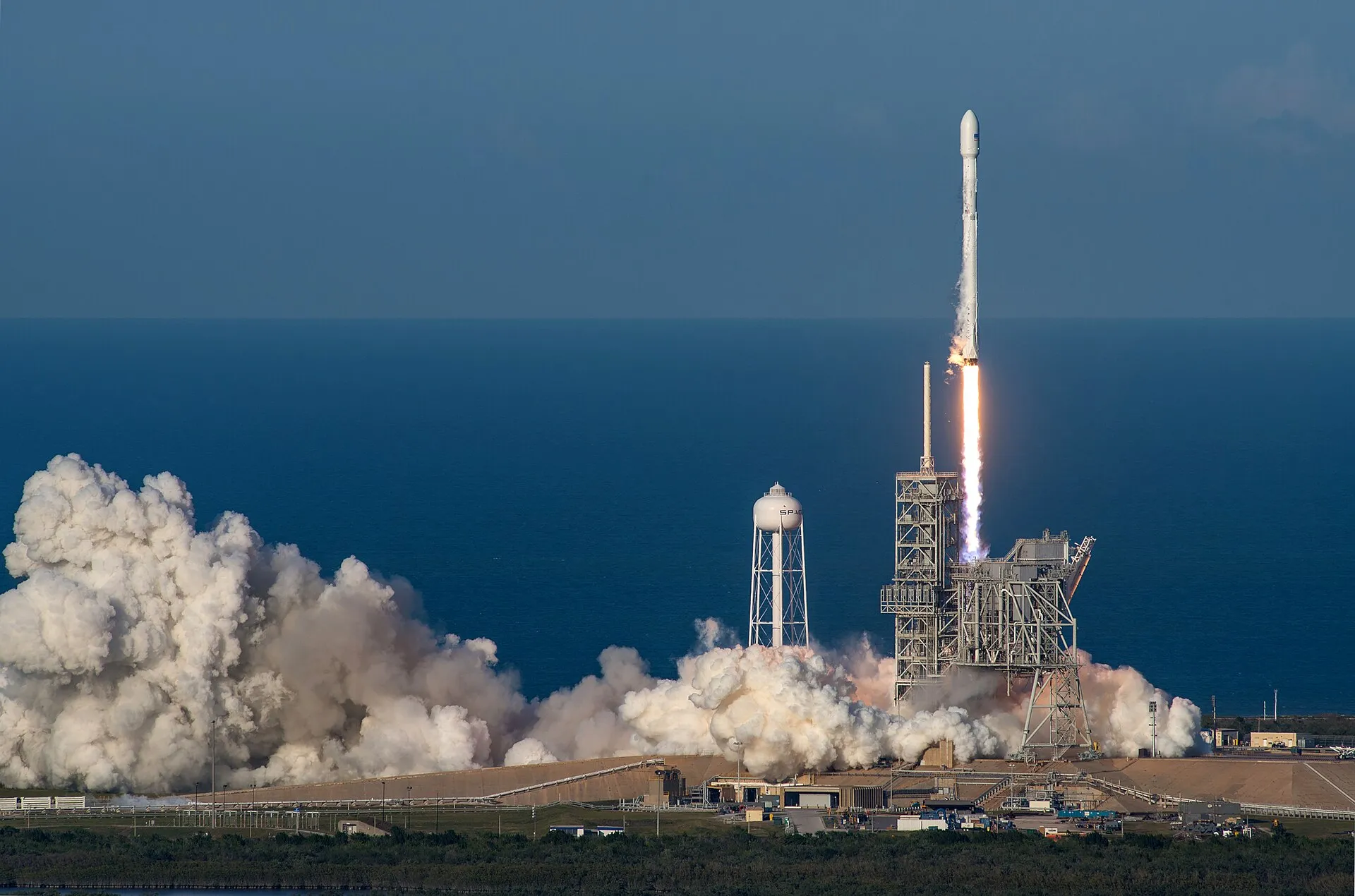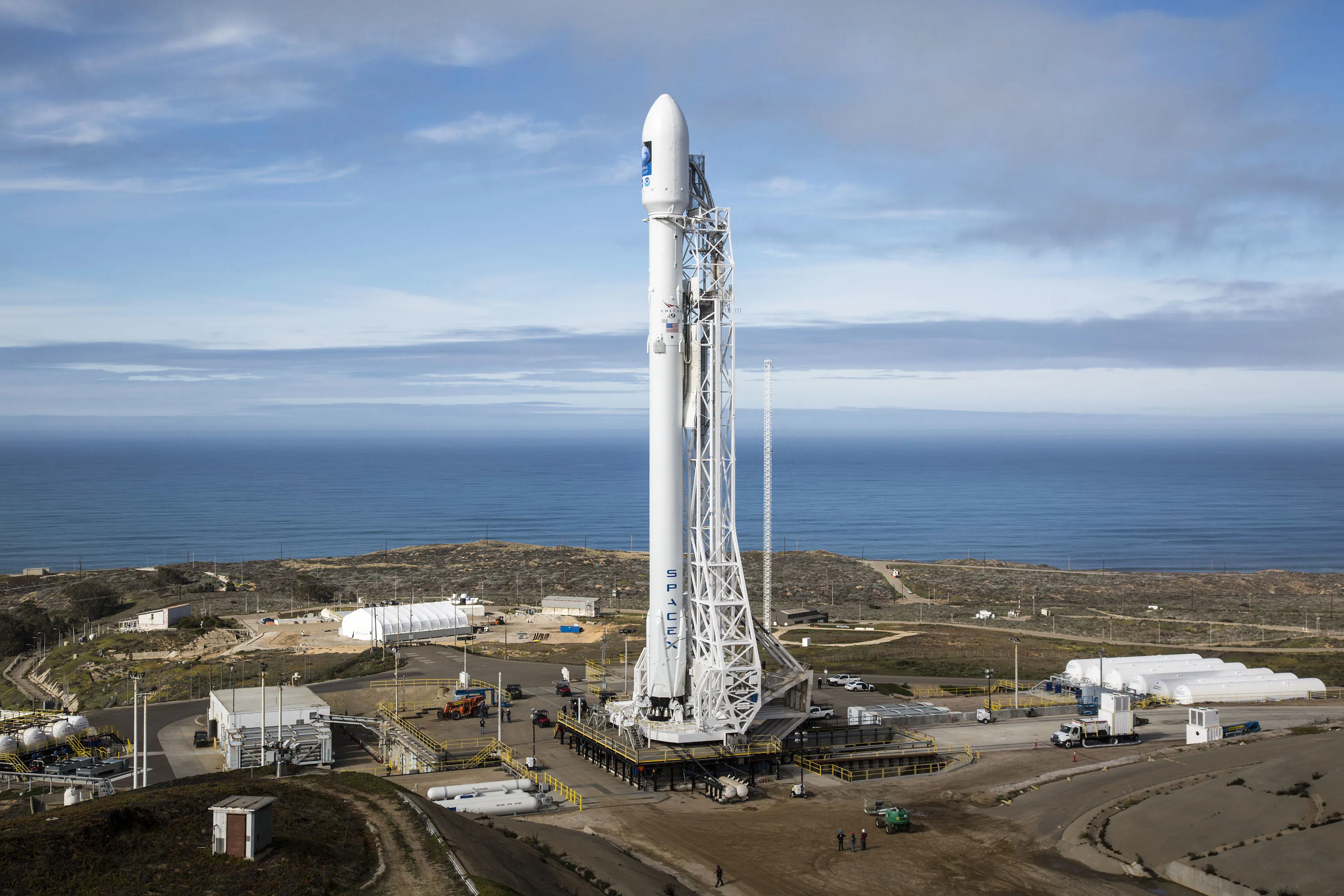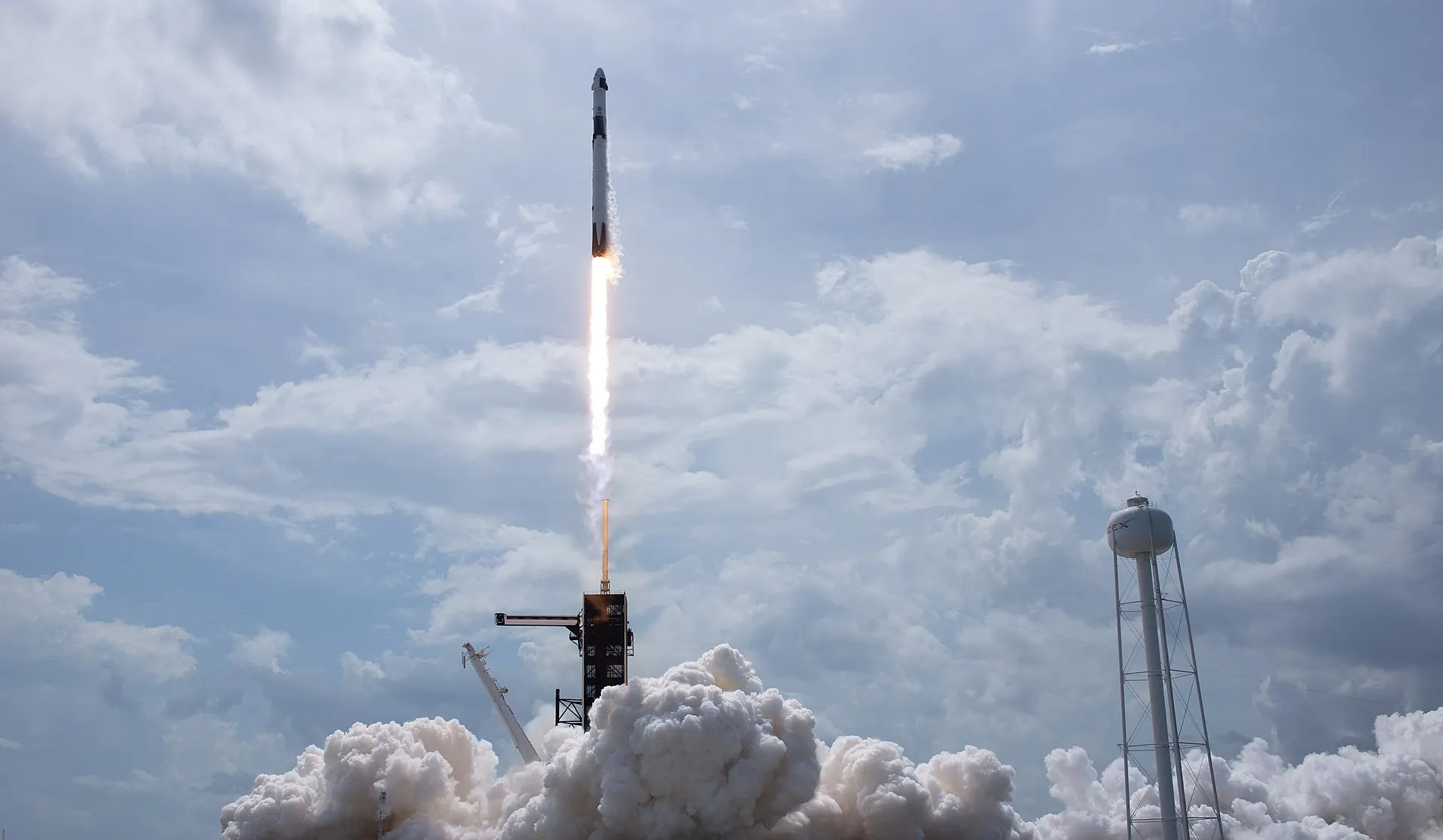
On June 11, SpaceX sold 555.6 million shares at $135 apiece and raised roughly $75 billion, the largest initial public offering in the history of capitalism. The numbers are staggering on their own. The company came to market valued near $1.8 trillion, listed on the Nasdaq, and handed Elon Musk, who still controls close to half the company, enough paper wealth to make him, by Bloomberg’s tally, the world’s first trillionaire. As an engineering and business story, it earns the superlatives. SpaceX builds rockets that land themselves and launches them more often than the rest of the planet combined.
But the celebration has buried the more important fact. A public offering is supposed to broaden ownership and dilute the founder’s grip. This one did neither in any way that matters. The shares sold represent a sliver of the company, Musk’s control is untouched, and the United States government (NASA, the Pentagon, the intelligence community) is now more dependent than ever on a single firm run by a single man whose interests don’t always align with the country’s. The IPO didn’t loosen that dependence. It put a $1.8 trillion price tag on it and called it a milestone.
The achievement is real, and that’s part of the problem
It would be a mistake to wave away what SpaceX has built. According to figures the company disclosed in its IPO prospectus and that were detailed by Via Satellite, SpaceX generated about $18.7 billion in revenue in 2025, up roughly a third from the year before. Starlink, its satellite-internet business, has become a genuine utility for millions of customers in places terrestrial providers never reached. The reusable Falcon 9 has driven launch costs down far enough that the rest of the industry is still trying to catch up.
That dominance is exactly why the dependence question is so hard to dismiss. When one company is the cheapest, most reliable, and in some cases the only option, customers stop choosing it and start needing it. NASA’s astronauts currently reach the International Space Station aboard SpaceX’s Crew Dragon because, for years, it has been the only American vehicle certified to fly them. National-security payloads ride Falcon rockets. Military and government communications increasingly lean on Starlink and its defense-oriented sibling. The market didn’t reward a scrappy challenger this week. It crowned an incumbent that the federal government cannot easily replace.
What makes that grip so hard to loosen is how thin the bench of alternatives has become. The other American effort to field a crewed capsule has been beset by delays and technical setbacks for years, leaving the country with effectively one home-grown way to put astronauts in orbit. Competing launch providers exist and are improving, but none yet matches the cadence or per-flight economics that made Falcon the default. When a buyer’s only realistic substitute is “wait” or “pay far more,” the buyer doesn’t have leverage. It has a vendor it can’t afford to anger. That is the position the U.S. government occupies, and a public offering does nothing to change it.
This is the recurring pattern of the AI-and-infrastructure age, where the firms that move first build moats the public sector then has to live inside. We’ve written before about how Washington’s “voluntary” AI commitments quietly hand the government enormous leverage over a handful of frontier labs. The SpaceX story runs the other direction: here, it’s the private company that holds the leverage, because the government has no comparable capability of its own.
Going public doesn’t mean sharing control
Here is the part that got lost in the confetti. An IPO that “made Musk a trillionaire” by definition did not transfer control away from him. He owned roughly half of SpaceX before June 11 and still controls close to half after, and founder-friendly share structures of the kind common in tech listings tend to give that stake outsized voting power. The new public shareholders bought a financial claim on the company’s profits. They did not buy a vote that can overrule the founder, redirect a launch, or switch off a satellite network during a foreign conflict.
That distinction stopped being academic some time ago. Musk has, by his own public account, made battlefield-relevant decisions about Starlink access in Ukraine. He has used his platforms to wage political fights, picked public quarrels with the agencies that regulate and fund him, and folded his artificial-intelligence venture, xAI, into SpaceX earlier this year, which means the same person who controls America’s dominant launch provider now also controls a frontier AI company inside the same corporate roof. The accountability problem with concentrated private power over public-interest systems is the same one we raised when Florida sued OpenAI and forced a messy but necessary fight over who answers for AI’s harms. A trillion-dollar valuation doesn’t resolve that question. It raises the stakes of getting the answer wrong.
The honest counterargument deserves a hearing. SpaceX earned its position by out-building everyone, not by lobbying for a monopoly, and competitors had every opportunity to keep pace and didn’t. A public listing arguably improves oversight: the company now files audited financials with the Securities and Exchange Commission, discloses its risks, and answers to a board and to markets in ways a private black box never did. All true. But transparency about revenue is not the same as competition, and quarterly disclosure is not the same as the government having an alternative when it needs one. The fine print of this IPO is that the public gained a look at the books while losing none of its dependence.
Why it matters now
The temptation is to treat the SpaceX debut as a one-off spectacle: a rich man got richer, the rocket company is worth a fortune, on to the next headline. It isn’t a one-off. PBS reported that SpaceX’s listing is one of a coming wave: OpenAI and Anthropic have both filed paperwork to go public, and each would arrive carrying the same structural feature, which is indispensable infrastructure, a founder who keeps control, and a government that has come to rely on the product faster than it built any backup. The dynamic that made this week historic is about to repeat across the technologies the next decade will run on.
That’s also visible closer to the ground, in the staggering scale of the data-center buildout now reshaping the power grid, where a few companies are quietly becoming load-bearing for the entire economy. The lesson of the SpaceX IPO is not that private enterprise shouldn’t be rewarded for excellence. It’s that “the market loves it” and “the public is dangerously exposed to it” can be true at the same time, and usually are.
What should follow is not envy and not nationalization. It’s a sober federal push for redundancy: a second certified crew vehicle, alternative launch capacity, and diversified satellite communications, so that the country’s access to space and to secure communications doesn’t hinge on the moods, finances, or politics of one person. The IPO proved SpaceX is too valuable to ignore. The job now is to make sure it never becomes too essential to question. Markets priced the company at $1.8 trillion this week. The price of having no alternative is the number nobody put on the prospectus.
Sources 6 cited
- SpaceX plans to raise up to $75 billion in an IPO that would be the largest ever and could make Elon Musk a trillionaire
- SpaceX blasts off with a record-breaking $75 billion IPO
- SpaceX Raises $75 Billion in Record-Breaking IPO, Valued at $1.8 Trillion
- SpaceX sets the stage for a record $75 billion IPO
- SpaceX's IPO Filing Gives First Look Into Company's Financials
- Elon Musk could become the world's first trillionaire with SpaceX's IPO
American Courant cites its sources and links to primary documents where they exist. How we report →