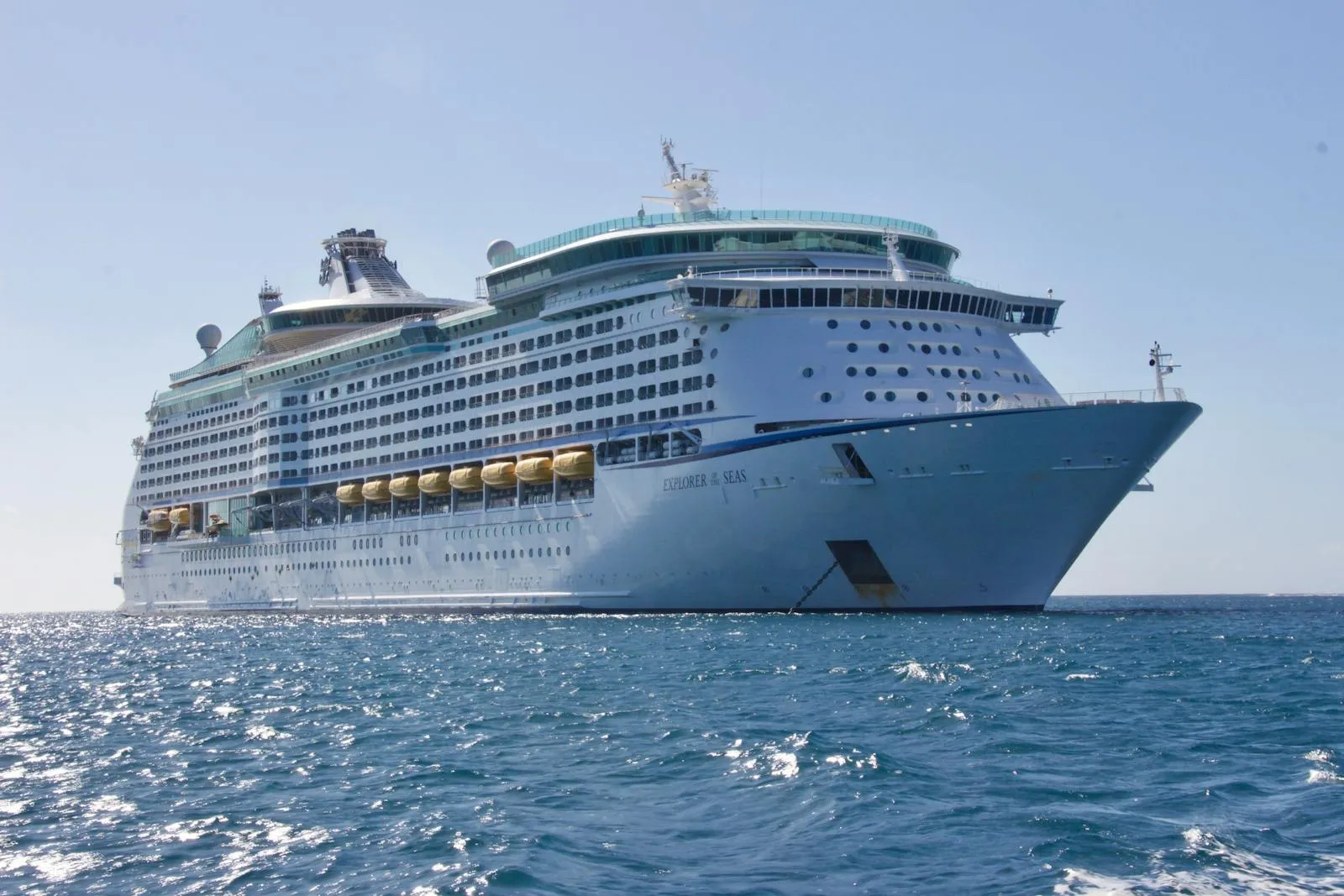
Eighteen Americans who were aboard the polar expedition cruise ship MV Hondius are in federal quarantine or active monitoring after the vessel became the center of the largest documented Andes virus outbreak outside South America. Three people have died. Eleven cases have been confirmed or identified as probable across passengers and crew from 23 countries. A physician who treated sick passengers throughout the six-week voyage has himself tested positive.
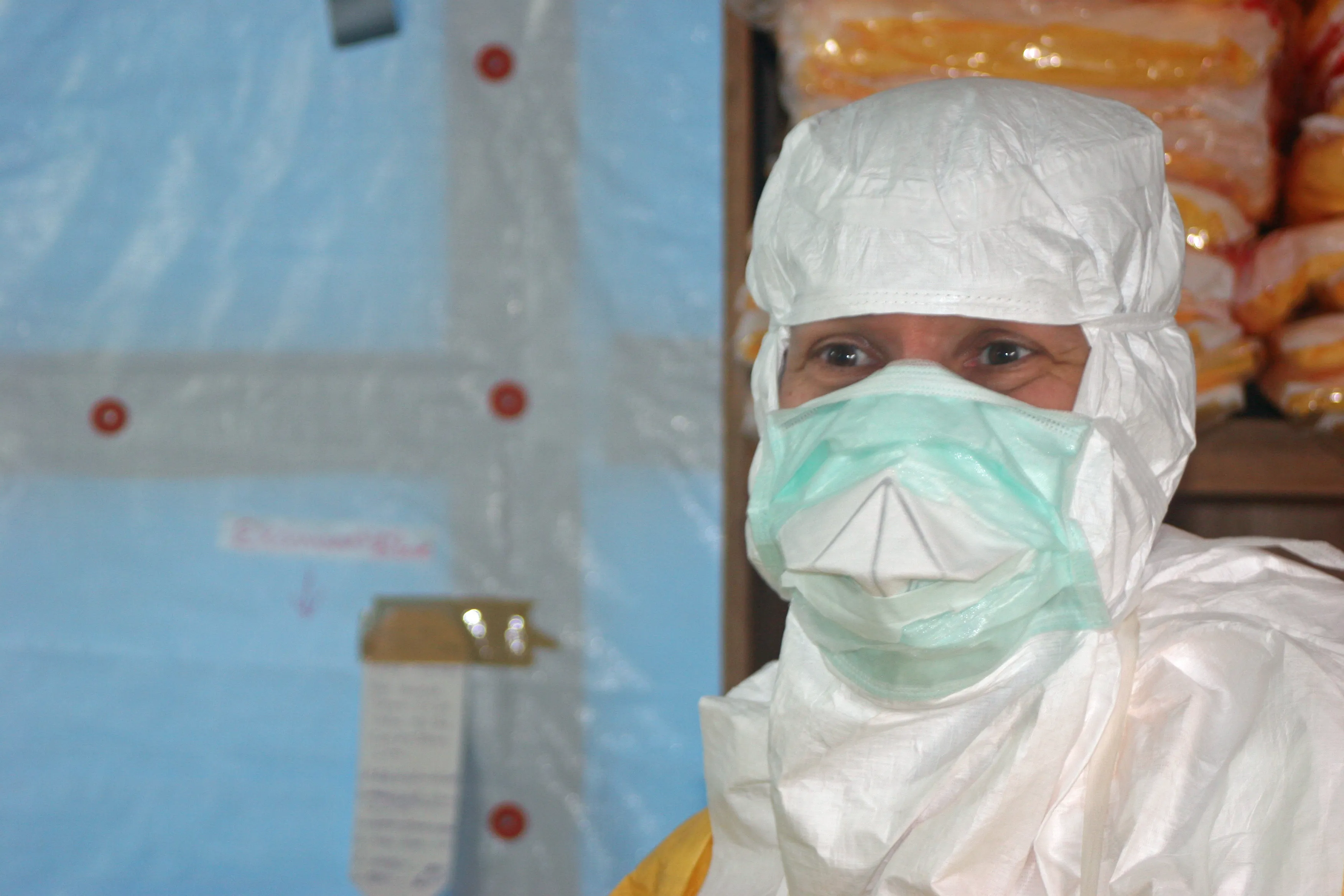
The outbreak has placed 16 of the Americans at the National Quarantine Unit of the University of Nebraska Medical Center in Omaha — the only federally designated quarantine facility for high-consequence infectious diseases in the United States. Two more are isolated at Emory University Hospital in Atlanta. Both facilities are the same specialized biocontainment units that received Ebola patients in 2014. The CDC has designated its response a Level 3 emergency — the agency’s highest internal alert designation — and issued Health Alert Network advisory HAN00528 to notify physicians and state health departments across the country.
A Virus Unlike Any Other Hantavirus
What makes Andes virus — the pathogen confirmed by laboratory testing on May 6 — categorically different from all other hantaviruses is a single epidemiological fact: it is the only hantavirus known to spread from person to person.
Every other hantavirus recognized in medicine, including Sin Nombre virus, the strain responsible for hantavirus pulmonary syndrome cases in the American Southwest, spreads exclusively from rodents to humans. Transmission typically happens through inhaling dust contaminated with the feces, urine, or saliva of infected rodents. Once a person is infected with Sin Nombre or any other hantavirus species, they cannot spread it to anyone else.
Andes virus breaks that rule. First identified in 1996 after an outbreak in Argentina and Chile, it has been documented in a small number of clusters where human-to-human transmission appears to have occurred, most likely through close, sustained respiratory contact — droplets or aerosols produced by an infected person in an enclosed space. That rare exception, estimated to account for fewer than 5 percent of all Andes virus cases historically, appears to be what transformed one traveler’s exposure into an eleven-case outbreak at sea.
The natural reservoir for Andes virus is the long-tailed pygmy rice rat, a small rodent native to Patagonia and the southern Andes region of Argentina and Chile. World Health Organization investigators believe the first patient contracted the virus before boarding the ship — most likely through exposure to contaminated material during travel in a rural area near Ushuaia, Argentina. That patient then embarked on the MV Hondius on April 1 alongside 85 other passengers and 61 crew members from 23 countries. The closed environment of the ship provided the proximity and duration of contact that Andes virus requires to spread between people.
There is no approved antiviral treatment for any hantavirus. Care is supportive — oxygen, mechanical ventilation for patients in respiratory failure, and extracorporeal membrane oxygenation for those whose lungs deteriorate despite ventilator support. Historical case fatality rates for Andes virus in South American outbreaks have ranged from 36 to 40 percent. The current outbreak’s fatality rate, with three deaths among eleven cases, stands at approximately 27 percent.
Six Weeks at Sea Before an Answer
The MV Hondius left Ushuaia, Argentina on April 1 bound for a multi-stop expedition through the South Atlantic: Antarctica, South Georgia Island, Tristan da Cunha, Saint Helena, and Ascension Island, before turning north. By early April, passengers were developing flu-like symptoms. The first death occurred on board around April 11. With no diagnostic capability at sea, a definitive cause could not be established.
On April 24, the ship stopped at Saint Helena. Thirty passengers disembarked. The body of the first victim and his wife, also gravely ill, were airlifted to a hospital in Johannesburg. She became the second death.
The WHO was formally notified on May 2 of a cluster of severe acute respiratory illness aboard a cruise ship in the Atlantic. When the MV Hondius reached Praia, Cape Verde on May 3, health authorities there determined they lacked the capacity to safely manage a potential hemorrhagic disease emergency. Spain approved the ship’s arrival in the Canary Islands. Andes virus was confirmed as the causative pathogen on May 6, through laboratory work coordinated by the National Institute for Communicable Diseases of South Africa, before the ship even arrived. A third death was confirmed by that point.
The MV Hondius docked at Tenerife on May 10. A CDC response team had already flown to meet the ship. All passengers disembarked on May 11. Eighteen Americans — 17 U.S. citizens and one British-American dual national — were placed on repatriation flights to the United States. Sixteen arrived at UNMC in Omaha. Two were transferred to Emory University Hospital in Atlanta due to capacity constraints at UNMC’s quarantine unit.
On May 12, CNN reported that Dr. Stephen Kornfeld, a physician who had been a passenger on the voyage and treated fellow passengers as they fell ill, had himself tested positive for Andes virus. He is isolated in UNMC’s biocontainment unit — a separate, higher-containment section of the facility distinct from the quarantine unit housing the 15 asymptomatic Americans. His case underscores how readily Andes virus spreads through the kind of sustained, close contact that characterizes both caregiving and life aboard a ship.
What 42 Days of Monitoring Means
The CDC is recommending a 42-day monitoring period for all passengers and crew who were aboard the MV Hondius, running from the May 11 disembarkation date to approximately June 22. That timeline corresponds to the outer edge of the documented incubation window for Andes virus: while most cases present within four to eight weeks of exposure, the 42-day period is set conservatively to catch any late-developing illness.
Critically, the quarantine is not a federal legal order. The CDC is asking, not compelling, passengers to remain under observation. Americans who returned to states other than those served by UNMC and Emory are monitoring at home under protocols coordinated between the CDC and their state health departments. As of May 14, Kansas is monitoring three individuals who had close contact with a confirmed case but were never on the ship. Minnesota is tracking one person who may have been exposed through a returned passenger.
Acting CDC Director Dr. Jay Bhattacharya, who has drawn scrutiny over the CDC’s institutional priorities in 2026, has taken a deliberately measured tone on the Hondius outbreak. “This is not Covid, Jake, and we don’t want to treat it like Covid,” he told CNN on May 10. “We don’t want to cause a public panic over this.” He described the risk to the general American public as “very, very, very low.”
The WHO and ECDC have reached similar conclusions. Andes virus requires close, sustained contact to spread between people. It does not transmit through brief shared air spaces, surface contact, or the kind of incidental proximity of daily life. A person monitoring at home under CDC guidance, without active symptoms, does not represent a meaningful risk to family members or neighbors.
The Facility Built for This
The National Quarantine Unit at the University of Nebraska Medical Center did not exist before 2014. It was built in the aftermath of the West African Ebola epidemic as part of a deliberate federal investment in high-consequence disease infrastructure — the recognition that the United States needed a small number of specialized facilities equipped with the negative-pressure isolation rooms, the HEPA filtration systems at 15 or more air exchanges per hour, and the staff training that routine hospitals lack.
UNMC’s separate biocontainment unit, the higher-security wing now housing Dr. Kornfeld, treated two Ebola patients in 2014 and has conducted regular exercises in partnership with the Department of Health and Human Services in the years since. The MV Hondius situation is precisely the kind of event those exercises prepared for: a sudden repatriation of travelers exposed to an unfamiliar pathogen, with a variable incubation period, arriving from international ports of entry.
Oceanwide Expeditions, the Dutch company that operates the MV Hondius and specializes in polar and remote-destination voyages, has published a detailed timeline of the medical events that unfolded aboard the ship and said it expects to announce by the end of this week when the vessel will resume operations.
The European Centre for Disease Prevention and Control is tracking contacts across six European countries whose nationals were among the passengers. The WHO’s Disease Outbreak News report, issued May 13, covers cases spanning 23 nationalities. For more on the broader international developments this story is part of, the world news section continues to track the outbreak as it unfolds.
The case count as of May 13 stands at eleven: eight confirmed, two probable, one pending. For the 18 Americans now in their fourth day of quarantine in Omaha and Atlanta, the monitoring window runs to mid-June. Whether it produces more confirmed cases, or whether the virus effectively ran its course within the ship’s closed population, will define how this outbreak is ultimately understood.
Sources 6 cited · 3 primary
- Health Alert Network — HAN00528: Hantavirus Cluster Linked to Cruise Ship Travel
- Disease Outbreak News: Hantavirus cluster linked to cruise ship travel — DON601
- Andes Hantavirus Outbreak Linked to Cruise Ship — Assessment and Recommendations
- Nebraska Medicine, UNMC Asked to Monitor U.S. Citizens from Cruise Ship Hantavirus Outbreak
- Hantavirus quarantine: Cruise ship passengers monitored in Nebraska
- Hantavirus cruise ship passenger, a doctor, tests positive and is in biocontainment
American Courant cites its sources and links to primary documents where they exist. How we report →