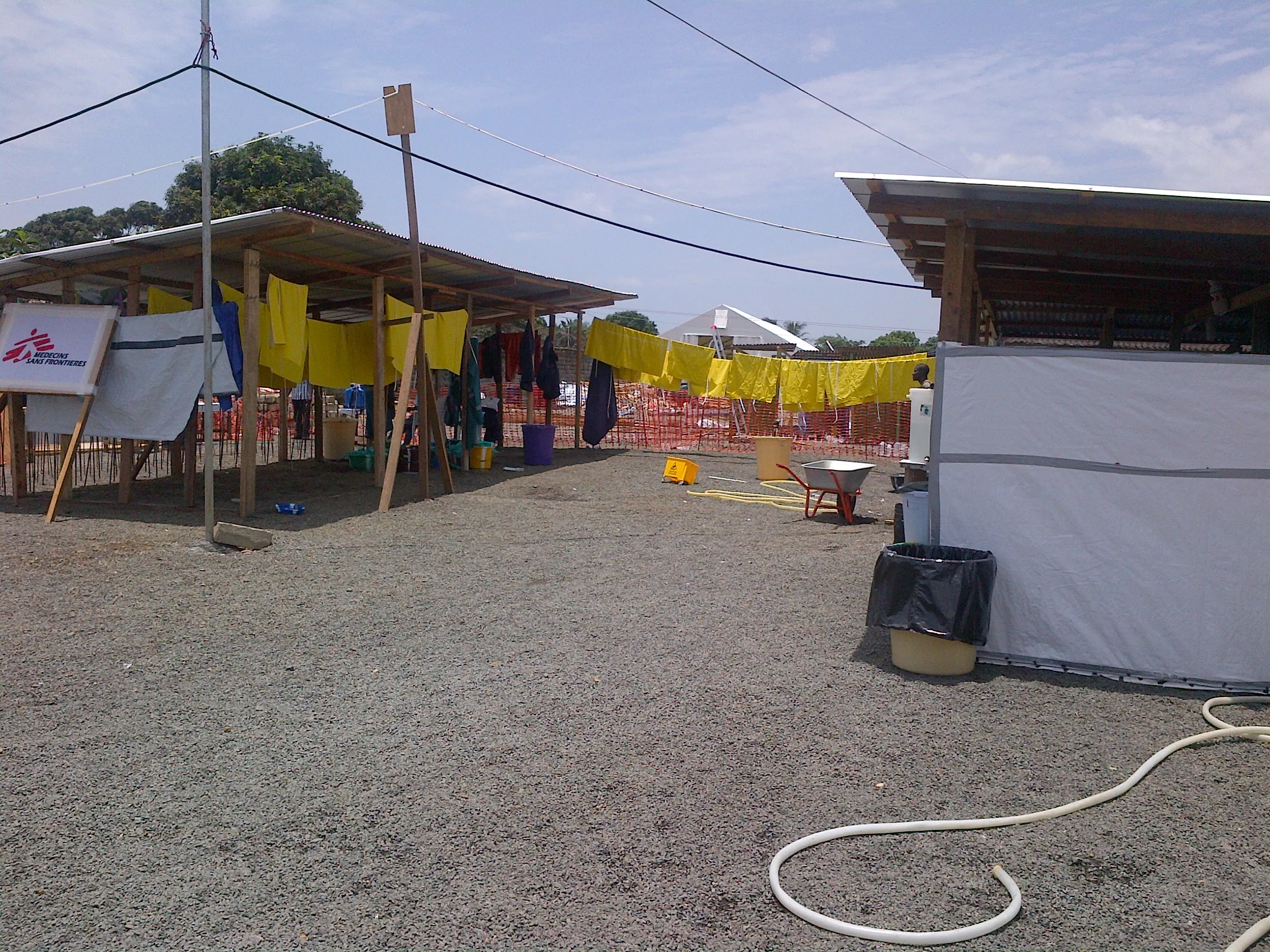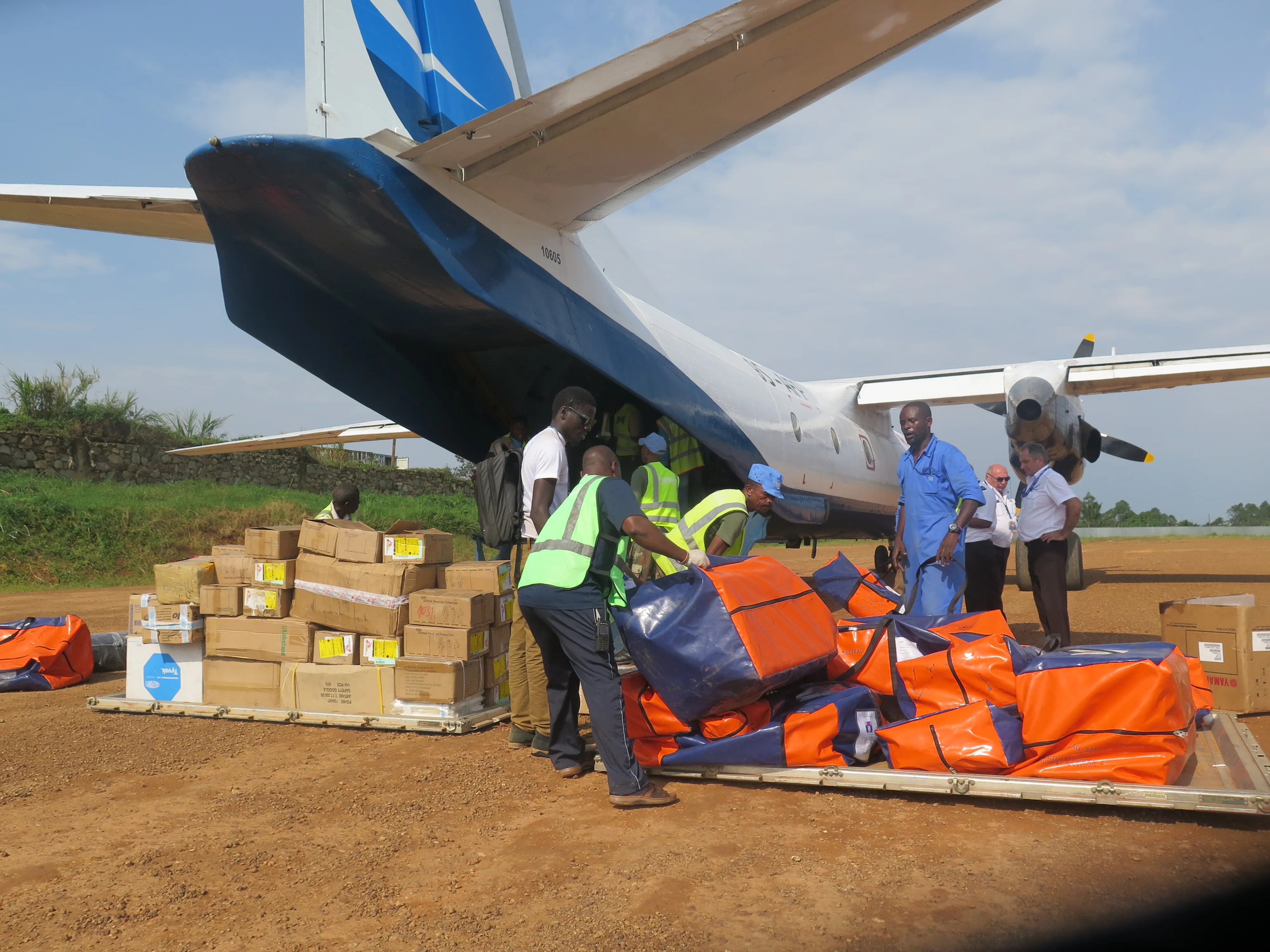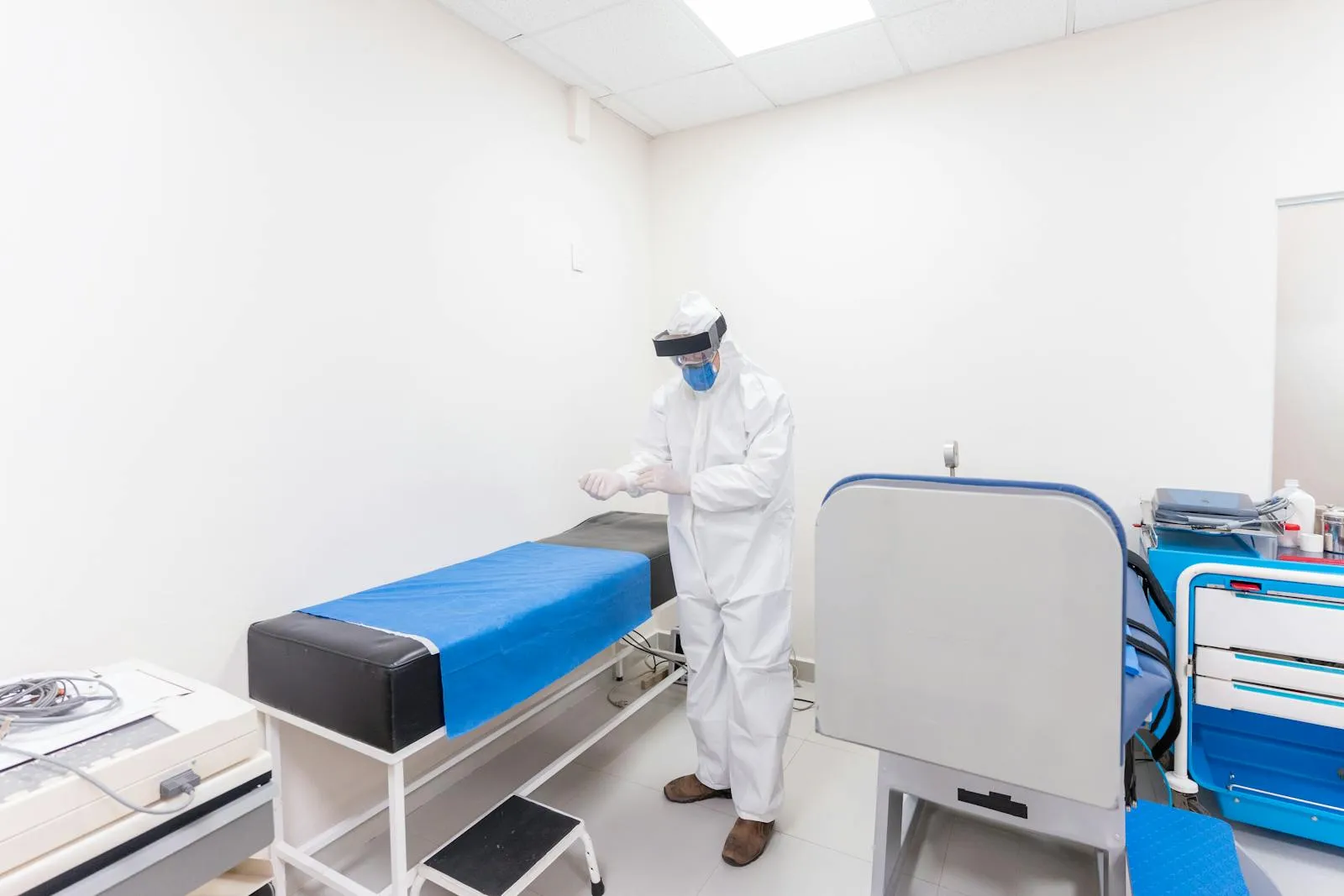
The Bundibugyo Ebola outbreak in the Democratic Republic of Congo reached 904 suspected cases and 119 suspected deaths as of Sunday, according to DRC’s Ministry of Health — a surge that public health officials attribute in large part to dangerous access delays caused by armed groups operating in the outbreak’s epicenter in Ituri Province and adjacent Nord-Kivu.
On the same weekend, Uganda’s Ministry of Health confirmed three additional infections, bringing the country’s total to at least seven confirmed cases. The new cases included a Ugandan driver who transported an infected Congolese national, a Ugandan health worker who treated that same patient before Ebola was suspected, and a Congolese woman who had been evaluated at a Kampala hospital, discharged on May 14, and later tested positive after returning to DRC. Africa CDC has now assessed 10 countries as being at heightened risk of spread.
The numbers represent a sharp escalation from the baseline at the time WHO declared a Public Health Emergency of International Concern on May 17. The case count has more than tripled in eight days.
A Disease Hidden Inside a War Zone
The Bundibugyo strain that emerged in Ituri Province in late April was unusually difficult to detect from the start. The first confirmed case was a nurse who began showing symptoms on April 24 in Bunia, Ituri’s provincial capital. But Ebola was likely spreading for weeks — or, in some estimates, months — before health authorities could confirm it.
That delay is not a coincidence. Much of Ituri Province and the adjacent Nord-Kivu Province is controlled in whole or in part by armed groups whose activities routinely prevent health workers, United Nations peacekeepers, and international aid organizations from operating. The Cooperative for the Development of Congo, known by its French acronym Codeco, is an armed militia that has carried out massacres of civilians and targeted health facilities in Ituri specifically. The Allied Democratic Forces, an Islamic State-linked group operating in Nord-Kivu, has attacked UN peacekeepers and international health workers on multiple documented occasions.
This pattern is not new. The 2018–2020 Ebola outbreak in North Kivu and Ituri — the second-largest Ebola outbreak in recorded history, with more than 3,470 cases and 2,287 deaths — was prolonged by more than a year in part because armed attacks on response teams disrupted contact tracing, blocked laboratory access, and drove communities to hide the sick rather than report them. Health workers were killed. Vaccination campaigns were suspended repeatedly. The outbreak that should have been controllable in months lasted nearly two years.
The current outbreak in the same geographic region is following the same pattern. In Ituri, armed group activity has prevented health workers from completing contact tracing in several affected health zones. Cases that should have been isolated were not, and exposure chains that should have been identified within days went unmonitored for weeks.
Community Distrust Is the Other Variable
Armed conflict is not the only obstacle. Reporting from Ituri Province has documented “widespread panic among the population, fueled by rumors of supernatural causes” for the deaths — a description that reflects a deep structural problem in any outbreak response in communities where previous health interventions have been associated with trauma, disruption, and at times violence from armed groups.
When communities distrust the stated explanation for illness and death — when the official response is perceived as threatening rather than helpful — they do not present sick family members to health workers. They do not report contacts. They do not comply with burial protocols that prevent the virus from spreading through funeral preparation and mourning practices. Ebola transmission is highest in exactly those moments: when a sick person is cared for at home rather than in isolation, and when the body of someone who died from the disease is handled without protective equipment.
The 2018–2020 response required years of sustained community engagement — with local traditional leaders, religious authorities, and trusted community members — to shift these dynamics in North Kivu. The same work must begin again in Ituri, in a security environment that makes sustained field presence dangerous for the health workers trying to do it.
Why the Bundibugyo Strain Makes This Harder
The Ebola Bundibugyo virus is a distinct species from the Ebola Zaire strain that drove the 2014 West Africa epidemic and the 2018–2020 North Kivu crisis. That distinction has direct consequences for the current response.
There are no licensed vaccines and no approved therapeutic drugs specifically developed for the Bundibugyo variant. The rVSV-ZEBOV vaccine, sold under the brand name Ervebo, was highly effective against Ebola Zaire and played a significant role in controlling the 2018–2020 North Kivu outbreak. It is not available for Bundibugyo. The mAb114 and REGN-EB3 monoclonal antibody treatments, which proved effective against Zaire, are also not cleared for Bundibugyo. Experimental candidates exist, but none has completed clinical trials sufficient for emergency authorization.
The WHO’s May 17 PHEIC declaration specifically cited the absence of effective countermeasures as a central factor in the determination. The outbreak therefore relies entirely on traditional Ebola control methods — isolation, contact tracing, safe burials, and community engagement — in a geographic and security environment that impedes all of them.
Uganda: Seven Confirmed, Health Worker Infected
Uganda’s case count has grown faster than many public health officials initially expected. The first confirmed cases — two Congolese nationals who traveled to Kampala — were identified in mid-May. By May 23, Uganda had confirmed three additional infections in Ugandan nationals.
The details of those three cases illustrate why Uganda’s situation demands close attention. A Ugandan driver tested positive after transporting one of the initial Congolese patients to a medical facility. A Ugandan health worker who treated that same patient was also confirmed infected — meaning that person received care that involved contact with an Ebola patient before anyone in the facility recognized the diagnosis. The health worker infection is the scenario outbreak responders most fear: a case inside a healthcare setting, with multiple unprotected staff contacts, potentially before isolation protocols were in place.
By Sunday, Washington Times reporting put Uganda’s total at seven confirmed cases, with contact tracing ongoing for dozens of additional potential exposures. The spread to a Ugandan health worker also creates follow-on risk across that worker’s patient contacts, colleagues, and household — chains of transmission that can multiply quickly if not identified.
The United States expanded Ebola airport health screening to Atlanta’s Hartsfield-Jackson International Airport in late May in part because of the confirmed Kampala cases. The CDC has characterized the risk to Americans as low, but it has not revised that assessment since Uganda’s case count began growing.
What Comes Next
The response strategy in DRC depends on two variables that are not medical. The first is security access. As long as Codeco, the ADF, and other armed groups retain operational control over portions of Ituri and Nord-Kivu, contact tracing will remain incomplete and isolation campaigns will reach only part of the affected population. There is no ceasefire in eastern Congo’s ongoing conflict, and no indication one is imminent.
The second variable is Uganda’s ability to cut its transmission chains quickly. Uganda has a substantially better-resourced public health system than Ituri Province and more experience responding to outbreaks at its borders. But at least one case in Kampala went undetected through multiple hospital contacts before the diagnosis was made, which means the contact lists are long and the tracing workload is significant.
For the first American infected — a missionary surgeon evacuated to Germany in mid-May — recovery was reported as ongoing. The U.S. entry ban covering DRC, Uganda, and two neighboring countries remained in effect Monday.
Africa CDC’s warning that 10 countries are now at heightened risk reflects the geography of the affected provinces. Ituri, Nord-Kivu, and Sud-Kivu — the three confirmed DRC provinces — share or nearly share borders with Rwanda, Burundi, South Sudan, the Central African Republic, Tanzania, Uganda, Republic of Congo, and others. The cross-border movement of traders, families, and laborers through those corridors creates multiple potential exit routes for the virus from the current containment zone.
The trajectory of this outbreak will not be determined in a laboratory. It will be determined by whether health workers can reach the people who need to be isolated — and whether those people, in communities with good reason to distrust outside intervention, allow them to.
Sources 6 cited · 2 primary
- Epidemic of Ebola Disease caused by Bundibugyo virus in the Democratic Republic of the Congo and Uganda determined a public health emergency of international concern
- Ebola Disease Outbreak in the Democratic Republic of the Congo and Uganda
- DR Congo Ebola cases rise amid distrust, armed conflict zone
- Uganda confirms three new Ebola cases as Africa CDC warns 10 countries 'at risk'
- Uganda confirms 3 new Ebola cases, as 10 more countries 'at risk' of virus
- Ugandan health officials report new Ebola virus infections, bringing cases to seven
American Courant cites its sources and links to primary documents where they exist. How we report →