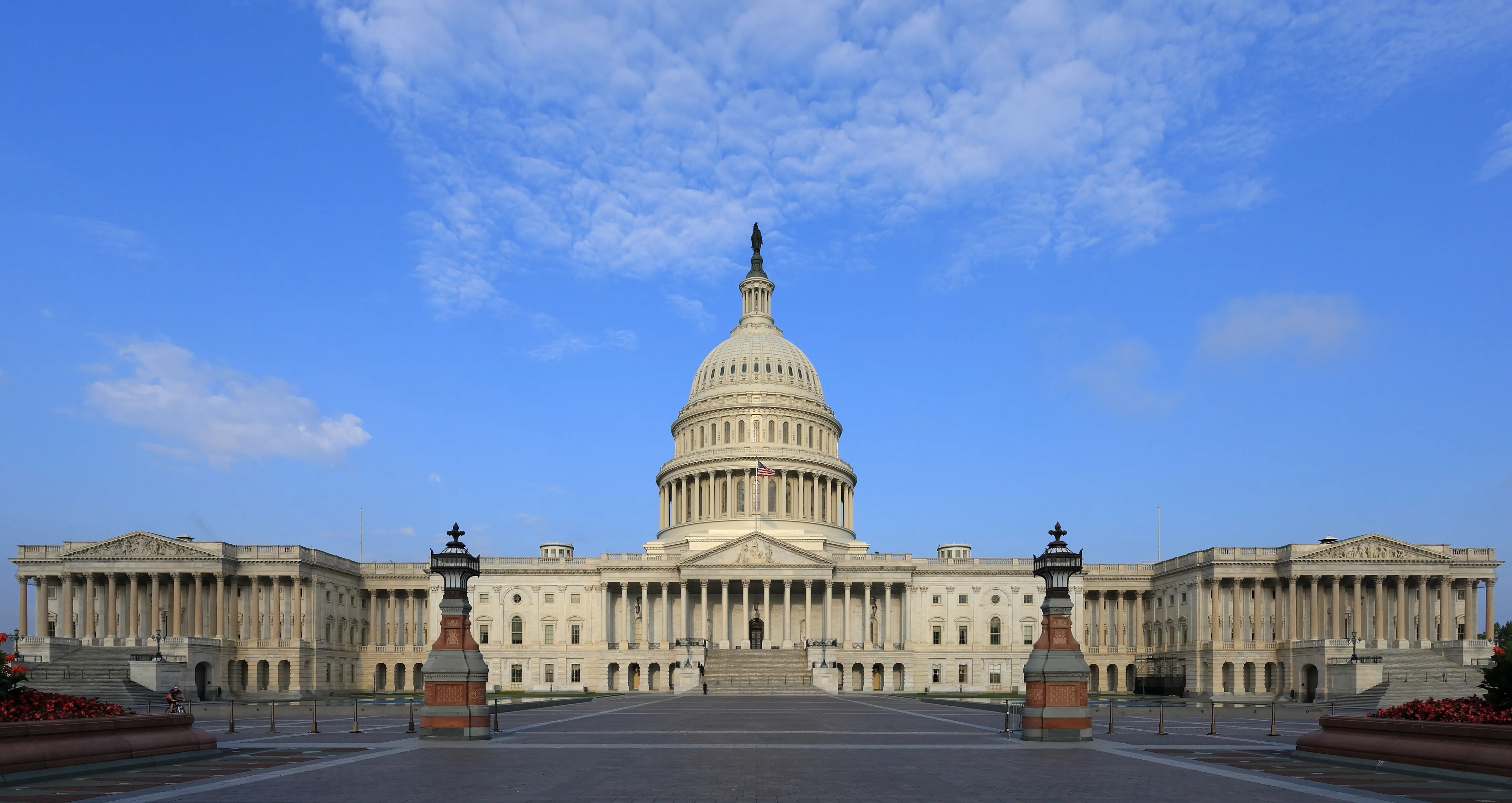
House Speaker Mike Johnson is working every remaining angle to reach 218 votes by Thursday. But the senators whose votes will determine whether the One Big Beautiful Bill Act ever becomes law have been publicly explicit about what they will not accept — and the list is long enough to guarantee a substantial rewrite regardless of what the House does this week.
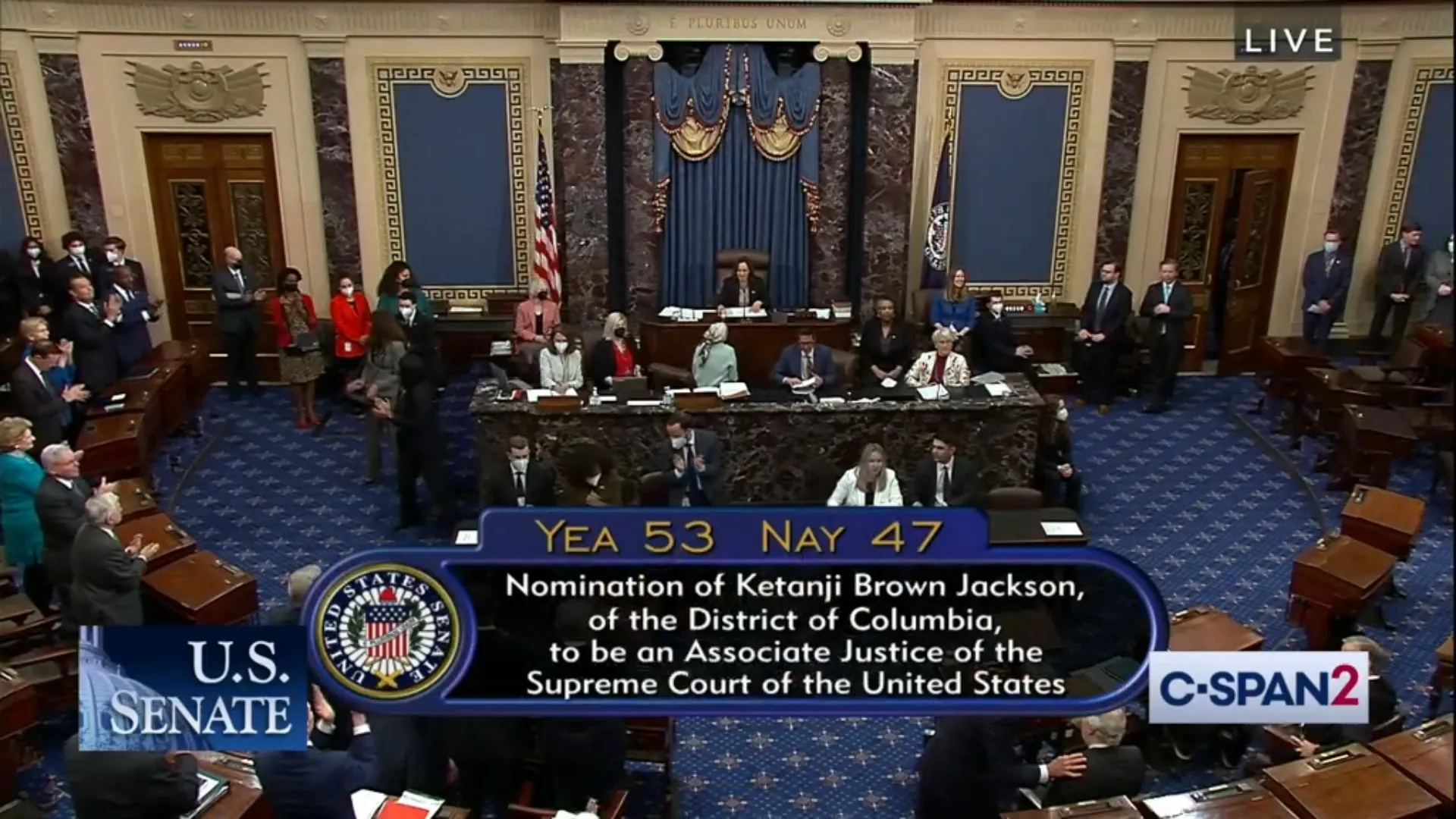
Republicans hold 53 Senate seats; with Vice President J.D. Vance breaking ties, they can absorb at most three defections. At least three Republican senators have raised concrete objections to the bill’s two largest spending-reduction provisions: Medicaid work requirements and SNAP benefit changes. Before any political negotiation can begin, the Senate Parliamentarian will also conduct a Byrd Rule review that could strip several House provisions entirely.
The Three Senators Who Have Named Their Concerns
Senator Susan Collins of Maine has been the most direct. Maine’s Medicaid enrollment rate is among the highest in the country relative to its population, and Collins has said the work requirement effective date of January 2029 — accelerated in Budget Committee negotiations over the weekend — is unacceptable for rural hospital systems in her state that depend on Medicaid reimbursement for financial stability. Collins has also flagged the bill’s cuts to the enhanced federal matching rate for Medicaid expansion states; Maine expanded Medicaid through a 2017 voter referendum. She has not said she will vote no on a final bill, but she has been clear the current text is not the final text.
Senator Lisa Murkowski of Alaska has two distinct objections. The SNAP provisions shift program costs to states, and Alaska’s food costs in remote communities run two to five times the continental baseline. Murkowski has also flagged the Medicaid cuts’ effect on Indian Health Service facilities: Alaska Native communities in areas without a private insurance market depend on IHS facilities reimbursed through Medicaid, and the House bill leaves those communities with no operational alternative.
Senator Josh Hawley of Missouri is the unusual case. Hawley comes from the populist-conservative wing of the Senate, and his objection is not about protecting swing-district moderates — it is categorical. He has argued that Medicaid work requirements, as designed, produce documentation churn rather than employment gains, and that the burden falls on working-class rural families who are already working. Hawley has called for the requirements to be removed from the bill entirely.
Three senators, three different objections, three different directions. Collins wants Medicaid cuts that are smaller or slower. Murkowski wants SNAP relief and frontier-community carve-outs. Hawley wants work requirements gone. Senate Majority Leader John Thune must find language that holds all three — or find replacement votes.
What the Byrd Rule Will Strip Separately
Before Thune can negotiate those political objections, the Senate Parliamentarian will review the House bill under the Byrd Rule — the standard established in Section 313 of the Congressional Budget Act of 1974 that governs what provisions can legally remain in a reconciliation bill. The Byrd Rule is procedural, not political, and it operates independently of whether senators like a given provision.
The Byrd Rule prohibits “extraneous” provisions — defined, in part, as those that do not primarily change revenues or outlays, or that produce only incidental budgetary effects relative to the regulatory or policy change they enact. Provisions that affect Social Security or that violate the Senate’s other procedural constraints are separately prohibited.
The most commonly cited Byrd Rule risk involves the bill’s immigration enforcement provisions: detention facility funding, immigration court appropriations, and enforcement operations whose primary purpose is regulatory, not fiscal. Immigration provisions have faced this challenge before — during the 2017 Tax Cuts and Jobs Act reconciliation, several such provisions were stripped. Senate Republican aides have flagged the immigration section as the most likely casualty, though the Parliamentarian has not yet begun formal review.
Those provisions were not the primary reason House conservatives voted for the bill. But their removal changes what Senate Republicans will be defending when they try to sell the amended text back to House members.
The Medicaid Math the Senate Cannot Avoid
The Medicaid savings in the House bill — approximately $800 billion over ten years per the CBO’s preliminary score released Monday night — are the single largest offset in the package. Without them, the bill’s $3.8 trillion net deficit impact grows substantially. Reducing those savings to satisfy Collins and Murkowski means either accepting a larger deficit number or finding equivalent cuts elsewhere — and both options carry their own political costs.
A higher deficit figure is harder to defend after the Moody’s downgrade that stripped the United States of its last AAA credit rating last week. Finding equivalent cuts in other mandatory programs — veterans’ benefits, rural housing, education — each comes with a separate set of Senate Republican objections.
One option discussed among Senate Republican aides is delaying the work requirements’ effective date from January 2029 to 2031 or later, which reduces the ten-year savings total modestly while keeping the provision intact. Collins has indicated a longer phase-in would be workable for states that need time to build documentation infrastructure. But that directly conflicts with what House conservatives demanded: Representatives Chip Roy, Ralph Norman, Andrew Clyde, and Josh Brecheen pushed for the accelerated 2029 timeline to ensure savings materialized within CBO’s scoring window. A Senate delay undercuts the concession that moved them from “no” to “present” in committee.
The SNAP changes that took effect in May under earlier executive action give the Senate debate a concrete reference point. That cutoff began removing benefits from veterans, foster youth, and older adults who met the underlying work standard but failed paperwork requirements. Murkowski’s staff has cited that record as evidence of what documentation requirements produce at scale — churn, not employment gains.
The Hawley Problem Is Structural
Collins and Murkowski’s objections are, at least in theory, amenable to a negotiated middle position — adjust the timeline, add frontier carve-outs, reduce the matching-rate cut for a subset of states. Hawley’s objection is not. He has argued that the policy instrument itself — work documentation requirements — does not achieve its stated purpose and imposes costs on the populations it claims to help. Timeline adjustments don’t address that argument. Carve-outs don’t address it either.
What Hawley would accept in return for a yes vote has not been spelled out publicly. He has said the requirements should be removed. Whether that is a negotiating posture or a hard line will become clearer when the Senate Finance Committee drafts its version of the bill.
What the Senate Calendar Actually Means
Senate Majority Leader Thune has indicated the Finance Committee — which has jurisdiction over Medicaid and tax provisions — will begin markup in June. Finance Chairman Mike Crapo of Idaho has confirmed the committee will act once the House completes its vote. That is where the Byrd Rule outcomes will be incorporated, Collins’ and Murkowski’s specific language will be negotiated, and the Senate’s position on the SALT cap will be resolved.
After Finance, the bill goes to the full Senate floor, where a vote is not expected before July. Any version that passes then requires either a House-Senate conference or a straight House revote on the amended text — the final step before the President’s desk.
Kevin Warsh, confirmed to lead the Federal Reserve by the narrowest margin in the position’s history, does not take positions on fiscal legislation. But the bond market does: the 10-year Treasury yield remains elevated after last week’s Moody’s downgrade, and the market’s read on whether Congress will ultimately close this fiscal gap — and in what form — will develop in real time alongside the Senate’s work.
The Fundamental Incompatibility
The deeper challenge for Senate leadership is that Collins, Murkowski, and Hawley do not want the same things, and what each wants conflicts specifically with what the House holdouts demanded.
Collins wants Medicaid cuts that are smaller in scope or slower in pace. Roy and the House conservative bloc demanded cuts that were larger in scope and faster in pace — the acceleration to 2029 was their concession, not their preference.
Murkowski wants smaller SNAP reductions. The House conservatives demanded larger ones to offset the SALT-cap increase for high-tax-state members.
Hawley wants Medicaid work requirements removed. The House conservatives required them to remain and to accelerate.
There is no text that simultaneously satisfies all of those positions. The Senate will produce a bill that makes enough changes to hold 50 senators — and that bill will then return to the House, where Johnson will need to determine whether the members who voted yes on the original text will vote yes on the Senate’s rewrite.
Thursday’s House vote settles one question. The harder one comes after.
Sources 6 cited · 2 primary
- Preliminary Estimate of the Budgetary Effects of H.R. 1, the One Big Beautiful Bill Act
- Congressional Budget Act of 1974, Section 313 — Limitations on Extraneous Matter in Reconciliation Legislation (the Byrd Rule)
- Collins statement on One Big Beautiful Bill: Medicaid timeline and rural hospital concerns
- Murkowski raises SNAP and Alaska Native community concerns on reconciliation bill
- Sen. Hawley letter to Senate leadership opposing Medicaid work requirements in reconciliation
- Senate Arithmetic on the Big Beautiful Bill: Byrd Bath and What Must Change
American Courant cites its sources and links to primary documents where they exist. How we report →