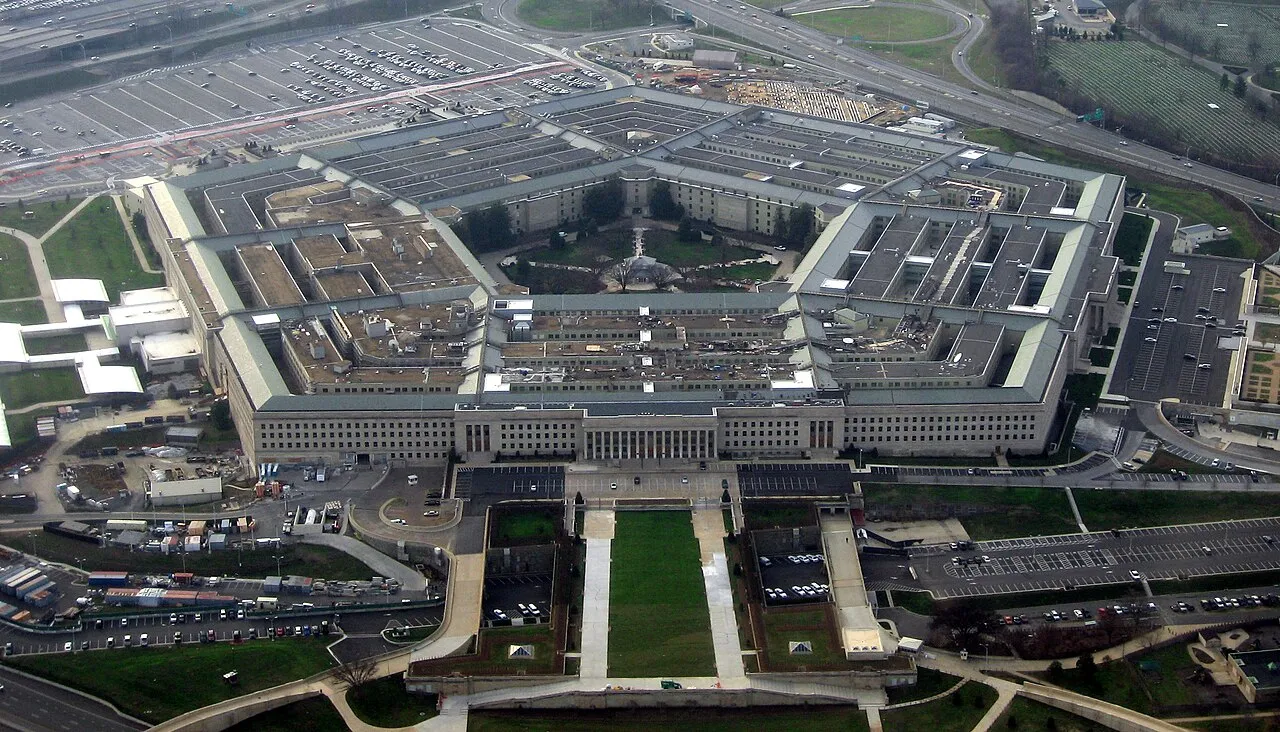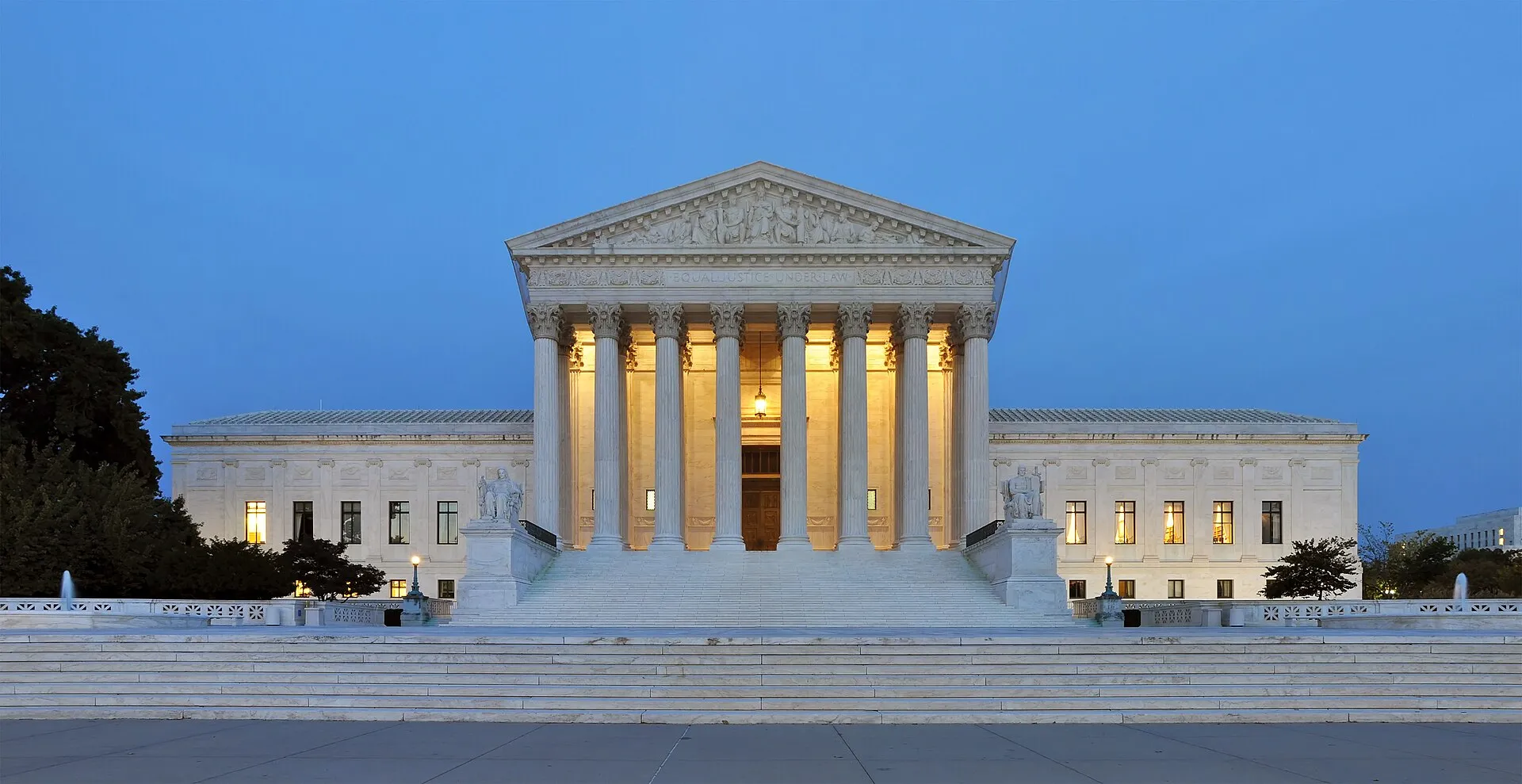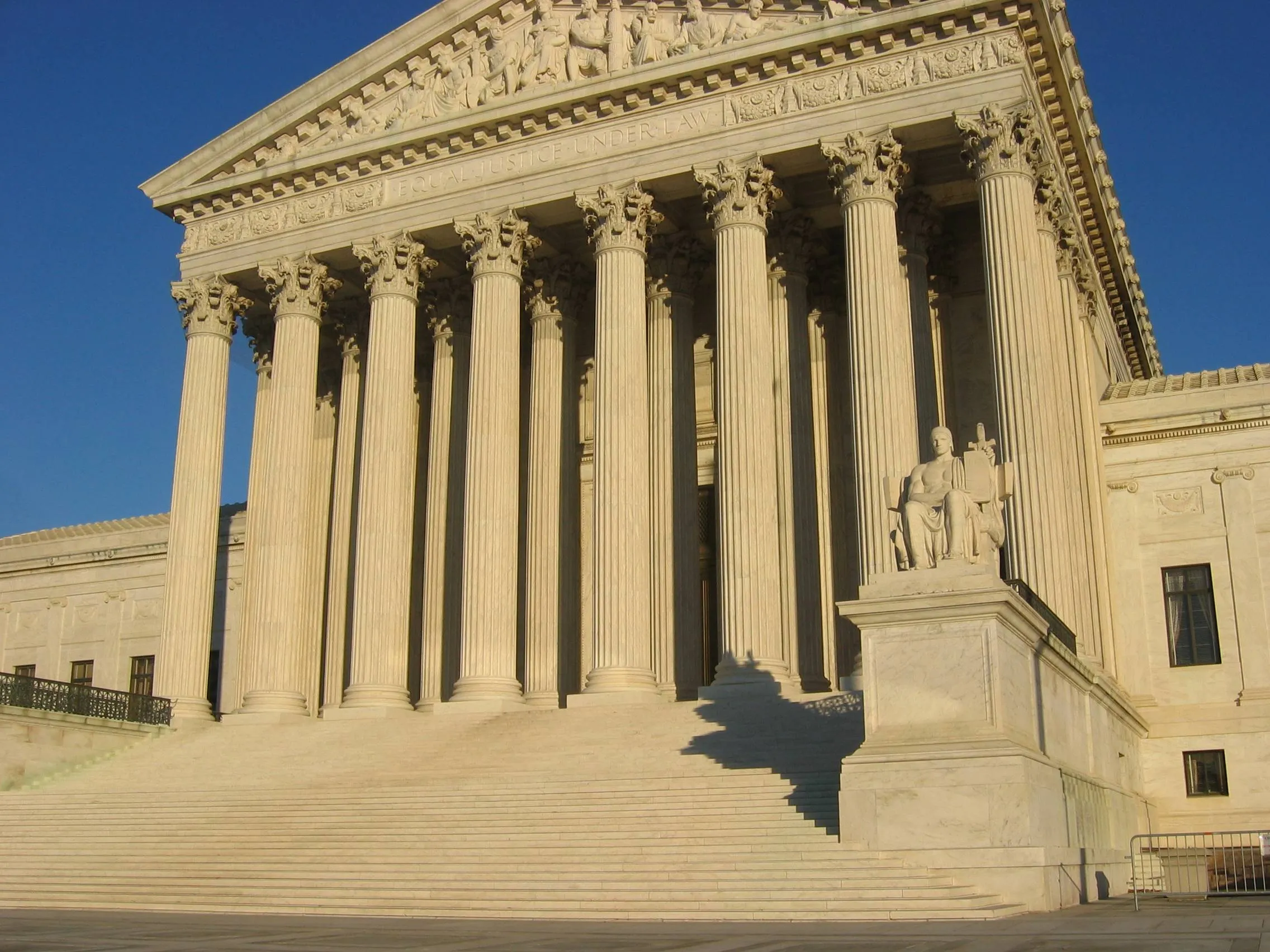
When a federal appeals court wants to strike down a government policy, it usually says the government got something wrong. It weighed the evidence poorly, or it skipped a required step, or it reached a conclusion the record could not support. That is the ordinary language of judicial defeat, and it leaves the losing side a path back: fix the reasoning, build a better record, try again.
On June 2, a divided panel of the U.S. Court of Appeals for the D.C. Circuit said something sharper about the Pentagon’s transgender military ban. It did not say the policy was merely mistaken. It said the policy was arbitrary and based upon animus. And it said the court did not have to guess at that animus or assemble it from circumstantial scraps. Writing for the 2-1 majority, Judge Robert Wilkins put it plainly: “We have direct evidence in this case that animus motivated the classifications in the Hegseth Policy.”
That word, direct, is the whole ballgame. Defense Secretary Pete Hegseth answered the ruling with three words on X: “See you at SCOTUS.” He is entitled to the confidence. But the finding he is carrying to the Supreme Court is not a close call about military readiness that the justices can resolve with a nod to executive deference. It is a finding that the government acted out of hostility to a class of people. That is a far harder thing to defend, and Hegseth’s bravado obscures how much the legal ground has shifted under him.
Animus Is Not a Synonym for “We Disagree”
In constitutional law, “animus” is a term of art, not an insult. It describes a government action whose real purpose is to harm or express disapproval of a particular group, rather than to advance any legitimate policy goal. When a court finds animus, it is not saying the policy is unwise. It is saying the policy is unconstitutional at its root, because bare hostility toward a group is never a permissible basis for state action.
The doctrine has a pedigree the current Court cannot easily wave away, and most of it was built by a justice the conservative legal movement once revered. In Romer v. Evans (1996), Justice Anthony Kennedy struck down a Colorado amendment that barred anti-discrimination protections for gay residents, writing that it “seems inexplicable by anything but animus toward the class it affects.” In United States v. Windsor (2013), Kennedy struck down the federal definition of marriage in the Defense of Marriage Act as “motivated by an improper animus or purpose.” And in Masterpiece Cakeshop v. Colorado Civil Rights Commission (2018), the Court found that a Colorado civil rights commission had acted with animus toward a Christian baker, ruling in his favor on that ground. The point of citing all three together is that the animus framework cuts in every ideological direction. The Court has used it to protect gay couples and to protect a religious baker. It is not a liberal trick. It is a settled tool the justices reach for when a government body lets its hostility show.
What makes the D.C. Circuit ruling formidable is that the majority did not have to infer the hostility. The executive order that triggered the ban declared that a transgender identity “conflicts with a soldier’s commitment to an honorable, truthful, and disciplined lifestyle.” District Judge Ana Reyes, who first reviewed the policy at the trial court level, had described it as “soaked with animus and dripping with pretext.” When the government writes its disapproval into the operative text, a court reviewing it is no longer reading tea leaves. It is reading a confession.
The Policy’s Own Design Is the Evidence
Animus findings are usually reinforced by how a policy is built, and here the structure tells its own story. The Hegseth policy was categorical. Anyone diagnosed with gender dysphoria was disqualified, with no individualized assessment of whether a particular service member could actually do the job. Active-component troops faced a 30-day window for separation, reserves a 60-day window. As of December 2024, roughly 4,200 active-duty troops carried a gender dysphoria diagnosis, including pilots, officers, and personnel with years of clean service records.
A military genuinely worried about readiness assesses readiness. It looks at deployability, at fitness, at the specific demands of a specific role. A policy that instead sweeps out everyone in a diagnostic category, regardless of performance, looks less like a readiness judgment and more like a verdict on who is allowed to wear the uniform. That mismatch between the stated rationale and the actual mechanism is precisely the kind of evidence courts treat as a tell.
This pattern appears in the broader arc of this Court’s term. In its ruling narrowing the reach of the Voting Rights Act in Louisiana, and in the Texas mid-decade gerrymander case, the recurring question has been how far the Court will defer to political branches when those branches act against disfavored groups. The transgender ban presents that question in its starkest form, because the lower court did not leave the motive ambiguous. The administration wrote the motive down.
The Strongest Case for Hegseth, Taken Seriously
Hegseth’s bet is not frivolous, and Judge Justin Walker’s dissent gives it real force. Walker, the sole Trump appointee on the panel, would have upheld the policy. He distilled the deference argument into a line: “We are judges, not generals.” The Supreme Court has long treated military personnel decisions as the province of Congress and the executive. In Rostker v. Goldberg (1981), the Court upheld male-only draft registration precisely because it would not second-guess the political branches on questions of military composition. The administration will argue that courts have no business overriding the Pentagon’s professional judgment about who can serve, and that a 5-4 majority of this Court already signaled sympathy when it granted an emergency stay in May 2025, letting the ban take effect while the merits were litigated.
That is the case at its best, and it should not be dismissed. The instinct against robed civilians overruling commanders is grounded in real institutional humility.
But deference has a limit the administration keeps brushing past. Courts defer to military judgments. They do not defer to animus. Even Rostker assumed Congress was pursuing a genuine military objective, not punishing a group it disliked. Once a court finds, on direct evidence, that hostility rather than readiness drove the policy, the deference framework does not apply in the ordinary way, because there is no genuine military judgment left to defer to. There is only the disapproval the executive order wrote down.
The May 2025 emergency stay does not rescue Hegseth either. It was unexplained and procedural — a decision about who bears the burden while litigation proceeds, not a ruling that the policy survives constitutional scrutiny on the merits. Reading a one-paragraph emergency order as a verdict on the merits is the kind of overreach that has tripped up litigants before this Court before. Walker’s dissent at least had the intellectual honesty not to do that. He argued deference applies regardless of animus; he did not argue the animus finding was wrong.
What “See You at SCOTUS” Doesn’t Resolve
The narrow scope of the ruling underscores what is actually at stake. The D.C. Circuit reinstated the injunction only for the named plaintiffs in Talbott v. USA. New recruits remain barred, and the broader policy stands for everyone else while the case moves forward. So the question heading to the justices is not abstract. It is whether the Supreme Court will look at a record the appeals court called direct evidence of animus and decide that this particular group does not get the protection Romer, Windsor, and Masterpiece Cakeshop extended to others.
To rule for Hegseth, the Court would have to do one of two things. It would have to hold that the animus doctrine it has applied for three decades simply stops at the door of a recruiting office. Or it would have to find that the D.C. Circuit was wrong about the evidence — that an executive order describing transgender service as incompatible with an “honorable, truthful, and disciplined lifestyle” is not evidence of hostility but of readiness analysis. Neither path is comfortable, and the second requires the justices to read the same words the lower courts read and reach the opposite conclusion about what they mean.
As American Courant reported Monday in its news coverage of the ruling, the practical effect for now is limited but real: named plaintiffs are protected from discharge while the injunction holds. For the 4,200 service members who were serving before the ban took effect, the legal picture remains uncertain.
Hegseth may still win. This is a Court that granted his stay once and may be inclined to finish the job. But he is not walking in with the easy argument he is performing on social media. He is walking in asking nine justices to look at a finding of animus, built on the administration’s own words, and call it something else. That is a harder argument than “See you at SCOTUS” suggests — and the D.C. Circuit made sure everyone knows it.
Sources 6 cited · 4 primary
- DC Circuit rules Pentagon policy banning transgender soldiers unconstitutional
- A Federal Appellate Court Just Blocked Trump's Military Ban, Stopping the Discharge of Transgender Servicemembers
- Hegseth says 'see you at SCOTUS' after appeals court rules Trump admin illegally banned active transgender troops
- Pentagon policy illegally banned transgender troops from military, appeals court rules
- Romer v. Evans, 517 U.S. 620 (1996)
- United States v. Windsor, 570 U.S. 744 (2013)
American Courant cites its sources and links to primary documents where they exist. How we report →