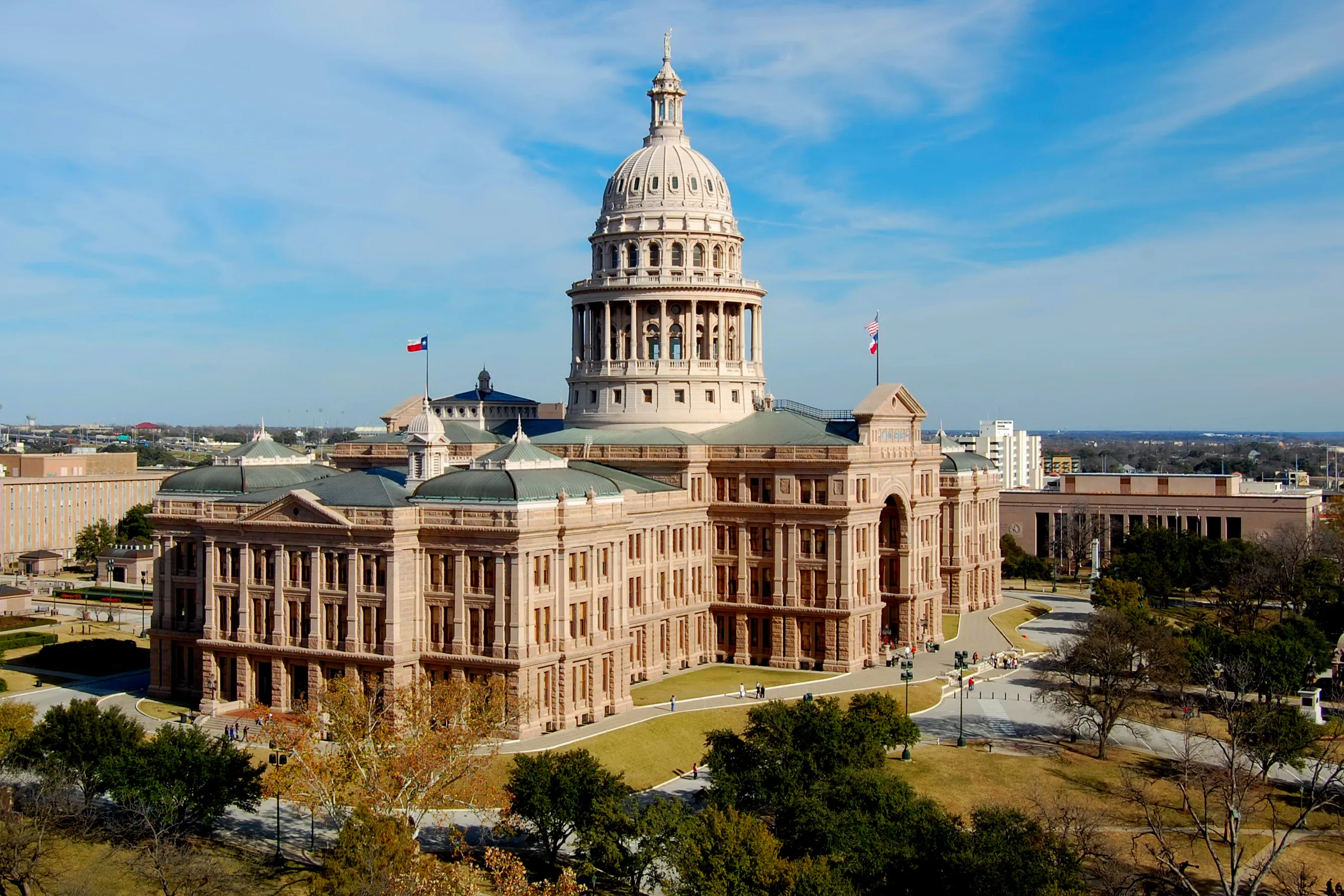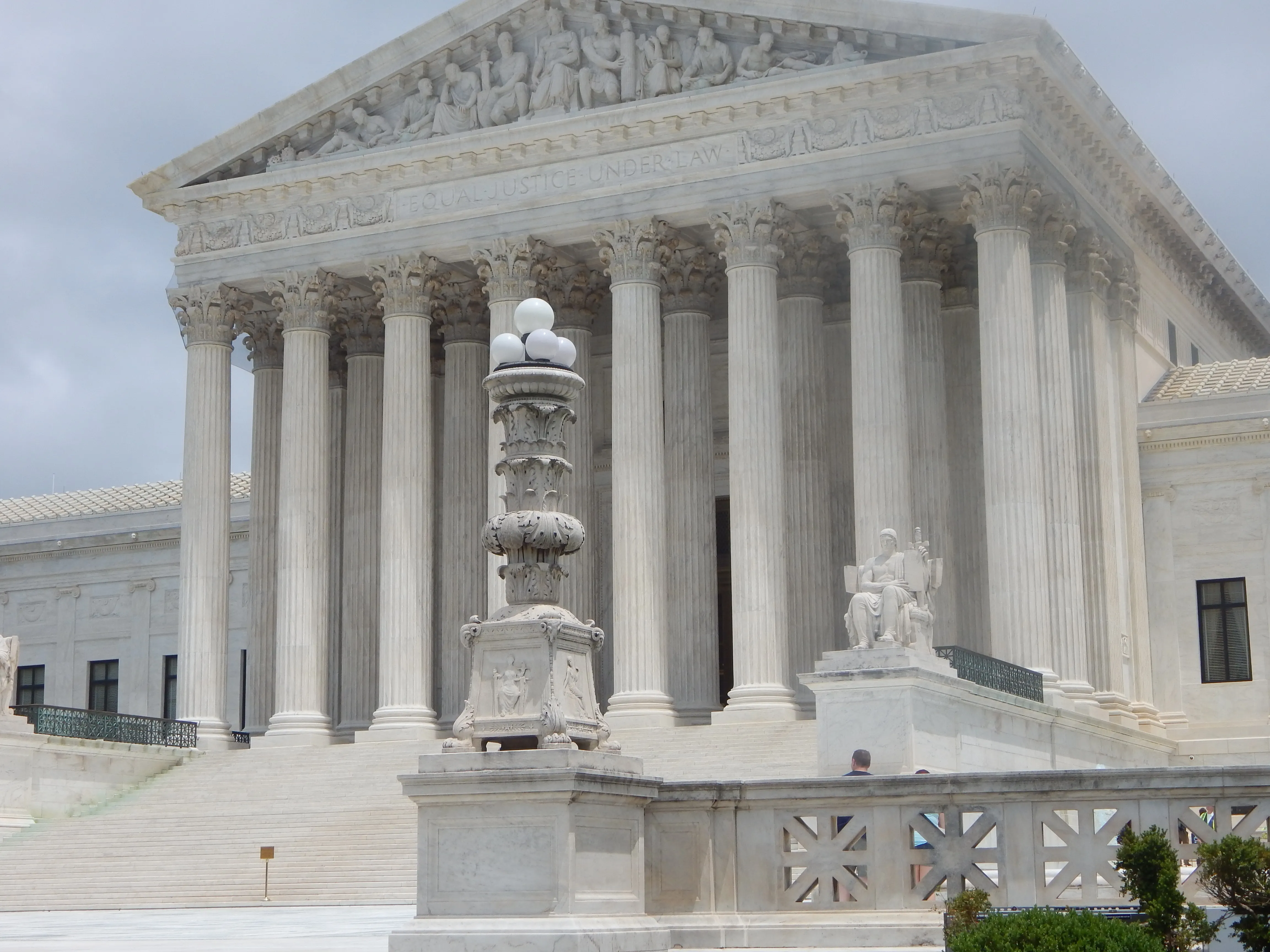
Editor’s note: This article surveys the state of the Texas congressional map fight as of late April 2026. The Supreme Court’s 6-3 emergency-docket order staying the lower-court injunction in Abbott v. League of United Latin American Citizens (No. 25A608) was issued December 4, 2025, and remains in force pending merits review. The litigation continues in the lower courts, with additional procedural filings during March and April 2026. See the Sources block for the SCOTUS order and case files.
The Supreme Court has cleared Texas’s redrawn congressional map to take effect, reversing a lower court injunction in a 6-to-3 emergency-docket order that split along ideological lines and could hand Republicans as many as five additional House seats heading into the 2026 midterms.
The conservative majority overturned a federal district court order that had blocked the map — drawn at Trump’s explicit urging last summer to shore up the GOP’s narrow House majority. The three liberal justices, Sonia Sotomayor, Elena Kagan, and Ketanji Brown Jackson, all dissented. Kagan filed a written dissent.
What the ruling allows
Texas can now use the redrawn map for the 2026 elections. The districts were designed to target five Democratic incumbents, most of them Black or Latino, whose constituencies were redrawn to make reelection difficult or impossible.
The litigation isn’t over. The underlying racial gerrymandering claims survive and will continue in the lower courts. A full Supreme Court review of the merits is expected during the court’s fall 2026 term, with a final ruling possible by June 2027. For now, though, the map stands and will determine which candidates appear on Texas ballots in November.
How the map was drawn
Texas’s Republican-controlled legislature passed House Bill 4 in August 2025, a mid-decade redraw of congressional boundaries outside the normal post-census cycle. The redraw was an unusual move: Texas wasn’t required to redistrict and hadn’t done so outside a census year in decades.
Democrats in the state House initially fled to deny a quorum — a tactic used in previous Texas redistricting standoffs — but eventually returned and the bill passed. Governor Greg Abbott signed it shortly after.
The legal dispute
A three-judge federal panel blocked the map in November, issuing a 160-page preliminary injunction. Judge Jeffrey Brown, who led the panel, found “substantial evidence” that Texas had “unjustifiably relied predominantly on race” in drawing the new districts, which would constitute unconstitutional racial gerrymandering under both the Constitution and the Voting Rights Act.
Texas argued the map was drawn for partisan reasons, not racial ones. The distinction matters. Under the Supreme Court’s 2019 ruling in Rucho v. Common Cause, federal courts cannot block maps drawn for partisan purposes, no matter how aggressive. Race-based maps remain challengeable. Texas, in effect, argued it was legally permitted to discriminate politically even if it couldn’t do so racially.
The court’s summary order in Abbott v. League of United Latin American Citizens, No. 25A608, accepted that framing, at least provisionally. The racial gerrymandering case will be relitigated on the merits.
What’s at stake for the House
Republicans currently hold the House by a narrow margin. Texas alone could add five seats if the new districts perform as drawn. Combined with other redistricting fights ongoing in other states, the outcome of this cycle could be decisive for control of the chamber through 2030. Two days after this Texas order, the Court issued a separate 6-3 ruling in Louisiana v. Callais that sharply narrowed Section 2 of the Voting Rights Act, reshaping the legal terrain for racial-gerrymandering challenges nationwide.
The map will be used through at least the next redistricting cycle regardless of how the Supreme Court eventually rules on the merits of the racial gerrymandering claims.
Sources 6 cited · 3 primary
- Abbott v. League of United Latin American Citizens (No. 25A608) — order
- Abbott v. League of United Latin American Citizens — case file
- LULAC v. Abbott (TX) — litigation tracker
- LULAC v. Abbott — case page
- MALDEF Statement on Supreme Court Order Allowing New Texas Redistricting Maps to be Used for 2026
- LULAC Statement on Supreme Court Allowing Texas to Use 2025 Redistricting Maps in 2026 Elections
American Courant cites its sources and links to primary documents where they exist. How we report →