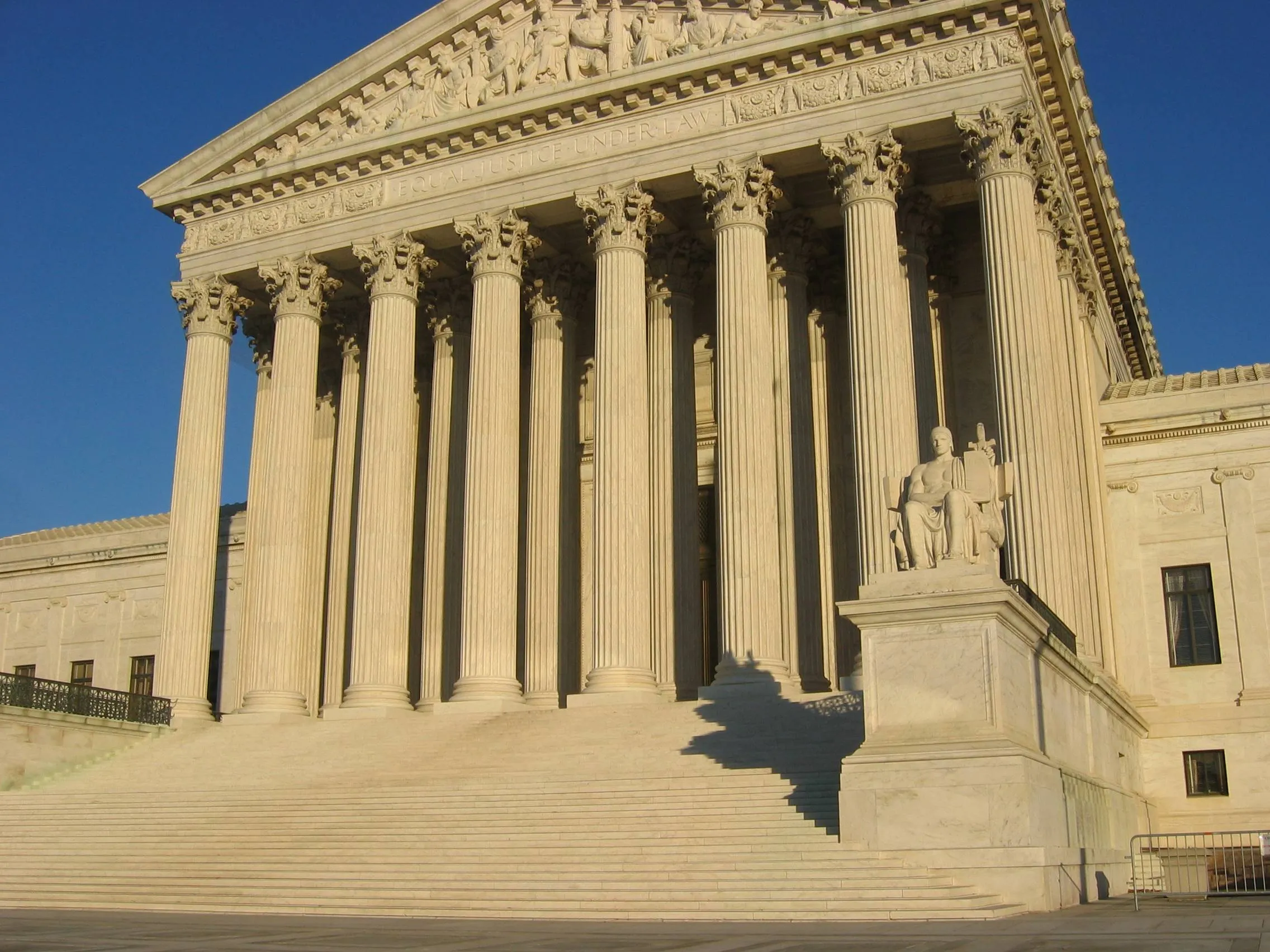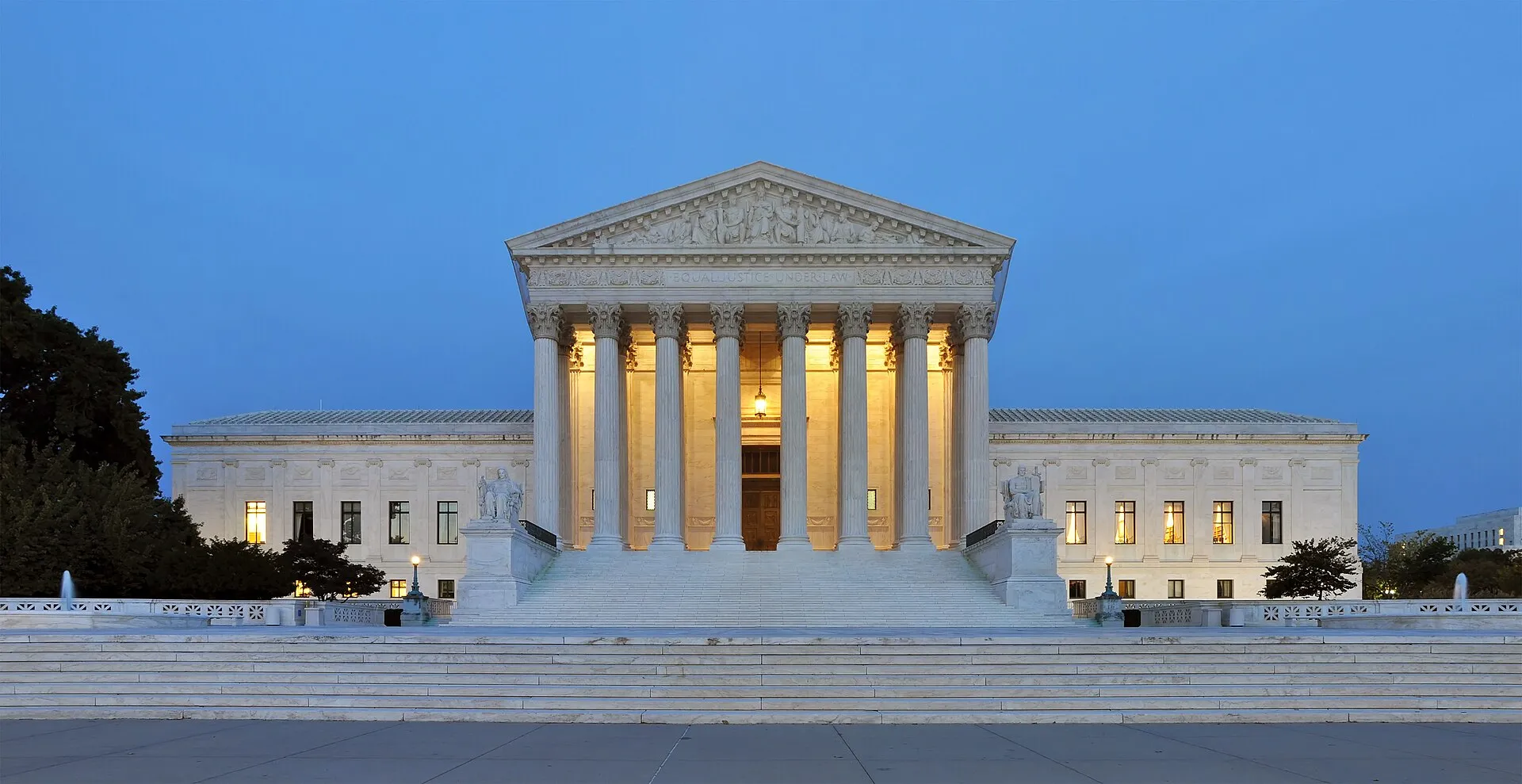
On Monday, the Supreme Court agreed to decide a question it has spent years avoiding: whether the government can hold someone for months or years while it tries to deport them, without ever giving that person a hearing to ask whether the detention is justified.
The case comes out of the Second Circuit, and it involves two men who make the principle hard to love. Both are lawful permanent residents, green-card holders, and both were convicted of assaults that immigration law classifies as aggravated felonies. One was held for seven months, the other for nearly two years, as their removal cases ground forward. Neither ever received a bond hearing. The appeals court ruled that detention that long, with no neutral review, eventually becomes “unreasonably prolonged” and violates the Constitution. The Trump administration appealed, and the justices will hear the case in the fall.
Hold onto one thing as this fight gets argued in the language of “criminal aliens” and border security: it is not about whether these two men go free. A bond hearing is not a release. It is a hearing, a chance to stand before an immigration judge who decides whether a particular person is a flight risk or a danger, and who can order continued detention if the answer is yes. The question the Court has to settle is narrower and more fundamental than anyone’s immigration politics. Before the government jails a person indefinitely, does anyone neutral ever have to look at the case? The answer should be yes.
What the Case Actually Asks
The statute at the center, 8 U.S.C. 1226(c), requires the government to detain noncitizens with certain criminal convictions while their removal proceedings run. For a short, predictable hold, that is uncontroversial. The trouble starts when “while their proceedings run” stretches into seven months, or two years, or longer, because immigration dockets are badly backlogged and a single appeal can extend a case almost indefinitely. At that point the detention stops resembling a brief administrative hold and starts resembling a sentence imposed without a trial.
In 2018, in Jennings v. Rodriguez, the Court held that the detention statutes do not, by their own terms, require the government to offer periodic bond hearings, and then handed the deeper constitutional question back to the lower courts without answering it. The Second Circuit has now answered it: due process imposes a limit. The administration is asking the justices to say it does not, or barely does. It is also challenging a second part of the lower-court ruling, which held that when the government does hold such a hearing, it must prove the person is dangerous or likely to flee by clear and convincing evidence, rather than the lighter standard the government prefers.
That second question is less abstract than it sounds, because the standard of proof decides who bears the risk of being wrong. Require the government to show by clear and convincing evidence that a person is dangerous or a flight risk, and the genuinely close cases tip toward a hearing and possible release under supervision. Let the government clear a lighter bar, and the same close cases tip toward continued confinement. With an immigration court backlog measured in the millions, “continued” can mean years. So the justices are not only deciding whether a hearing happens. They are deciding how much that hearing is allowed to mean once it does.
The Strongest Case for the Government
The government’s argument is not frivolous, and pretending otherwise does the principle no favors. Congress wrote mandatory detention into the law deliberately, after years in which noncitizens released during removal proceedings failed to appear for their hearings or committed new crimes while free. The two men in this case were not detained over a traffic ticket. They carry assault convictions serious enough to qualify as aggravated felonies, and the government’s interest in making sure people with violent records do not disappear into the country before they can be removed is genuine. Requiring individualized hearings for everyone in prolonged detention, the administration warns, will swamp an already overwhelmed system and hand release to the very people Congress wanted held.
That is a fair description of the cost. It is not a reason to abandon the principle, because the principle already absorbs it.
Why Process Is Not the Same as Release
Everything the government fears about flight and danger is exactly what a bond hearing exists to weigh. If a particular detainee really is a flight risk, the judge keeps him locked up. If he is dangerous, the judge keeps him locked up. The Second Circuit did not order anyone released. It ordered hearings. So the administration’s real position is not “dangerous people should stay detained,” because the hearing already delivers that outcome. Its position is that it should be able to detain people for years without anyone ever asking the question at all. That is a far harder thing to defend.
The Court has stood near this line before. In 2001, in Zadvydas v. Davis, it confronted the indefinite detention of noncitizens who had been ordered removed but could not actually be deported, and it warned that holding people with no end in sight raises serious constitutional doubts. Rather than let detention run forever, it read a reasonableness limit into the statute. That logic never depended on the detainee being sympathetic. It rested on a proposition older than the immigration code: in this country, the government does not get to imprison a person and then refuse to justify it to a neutral decision-maker. Citizens hold that protection without question. The case now before the Court asks whether a green-card holder with a record gets even the thinnest version of it, a single hearing, and the honest constitutional answer is that he does.
Why This Reaches Past Immigration
The case arrives at a moment that makes it larger than the two men in its caption. Congress has just funded a historic expansion of immigration detention, which means the number of people held for prolonged periods is about to grow, not shrink. A ruling that prolonged detention needs no hearing would not stay abstract. It would license holding tens of thousands of people for as long as the government likes, with no neutral check, as a matter of routine. It also fits a broader pattern in which the administration has tried to stretch immigration authority past its limits and dared the courts to stop it.
The principle does not actually belong to immigration law. Due process, the requirement that the government justify locking you up, is one of the few constitutional guarantees that reaches noncitizen and citizen alike, because it attaches to persons rather than passports. A Court that tells the executive it may detain a class of people indefinitely without review will have written a sentence that does not stay inside the immigration context. That is why the unsympathetic facts here are not a reason to wave the case through. They are the test. The Constitution is easy to honor when the person seeking its protection is someone we admire. It means something only when the person seeking it is someone we would rather not, and the justices should keep that in mind when they take the bench in the fall.
Sources 5 cited · 1 primary
- Supreme Court to decide if migrants detained for months must receive bond hearings
- Supreme Court will decide if 'criminal aliens' can be held indefinitely while they fight deportation
- Supreme Court to decide if migrants detained for months must receive bond hearings
- 8 U.S.C. 1226 — Apprehension and detention of aliens
- Supreme Court will decide if migrants detained for months must receive bond hearings
American Courant cites its sources and links to primary documents where they exist. How we report →