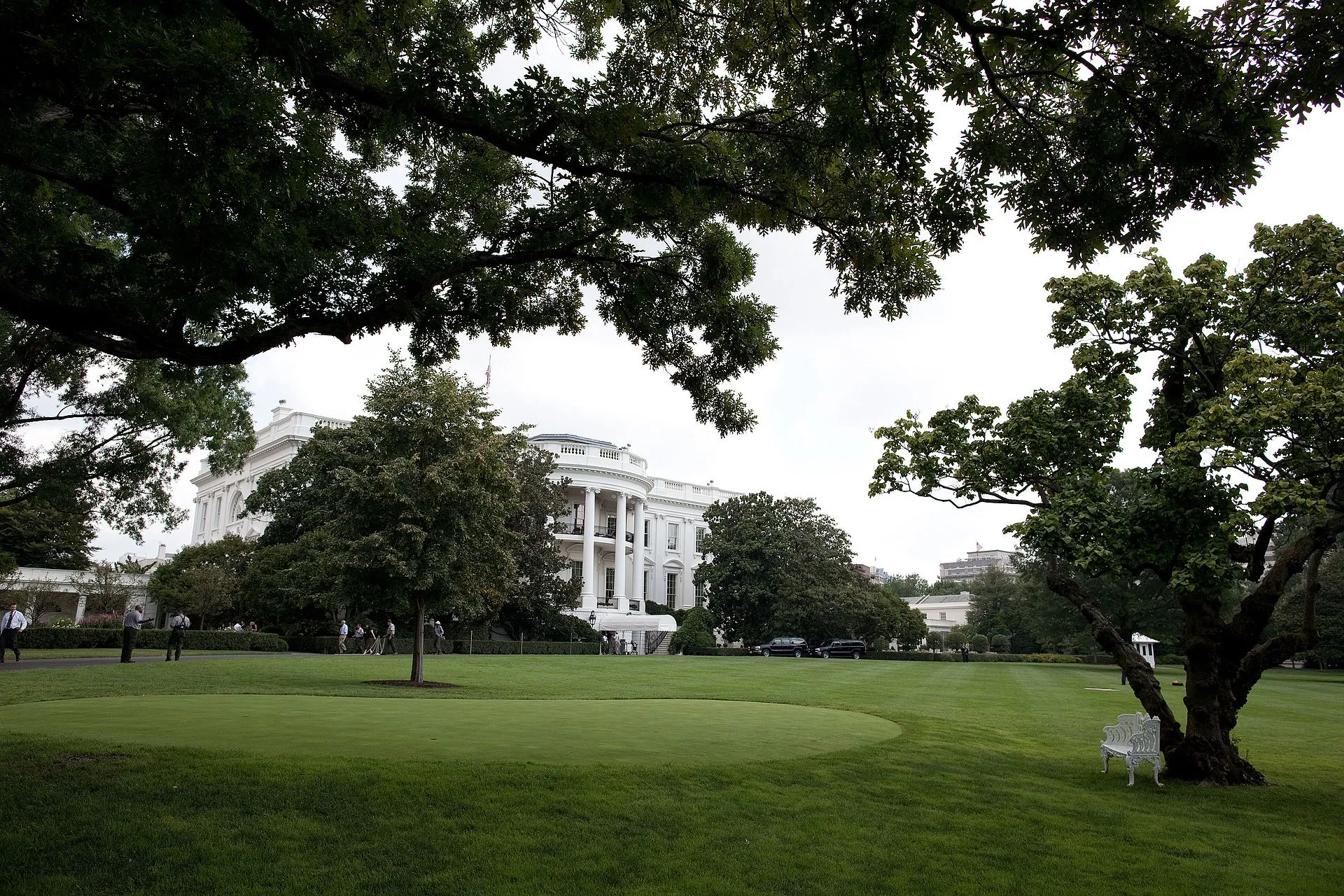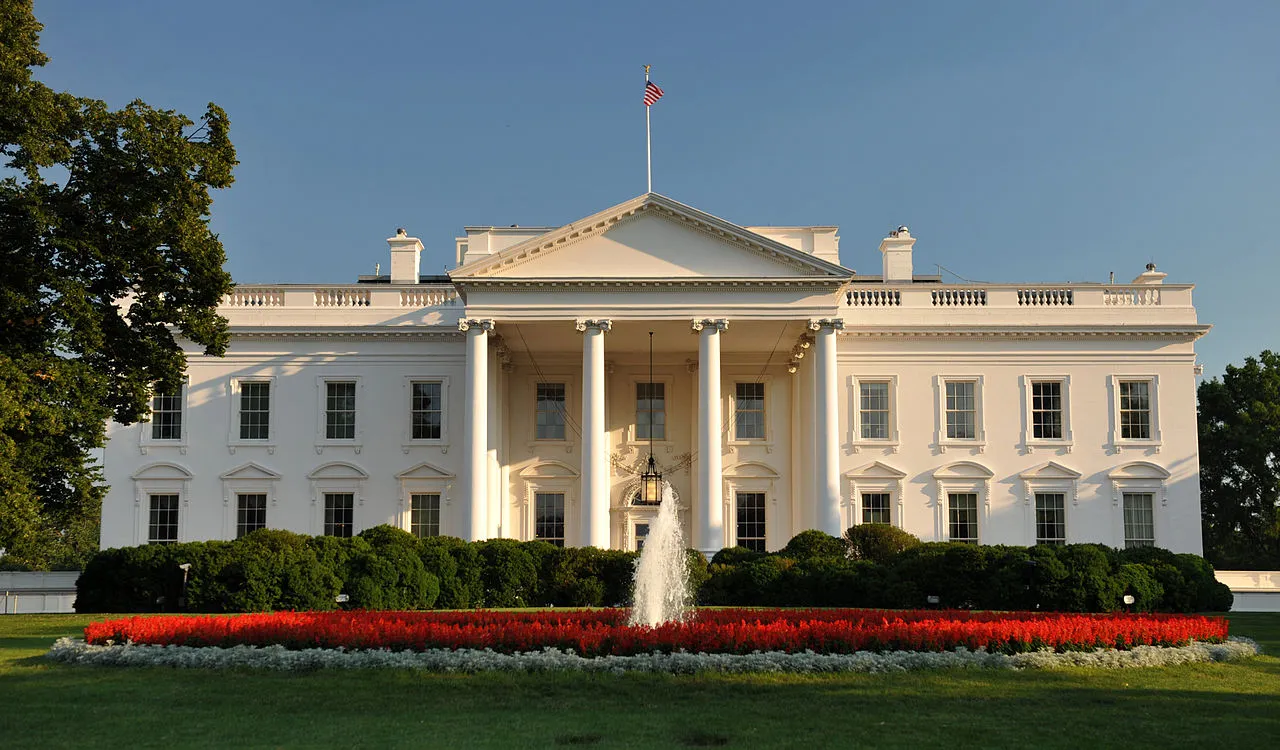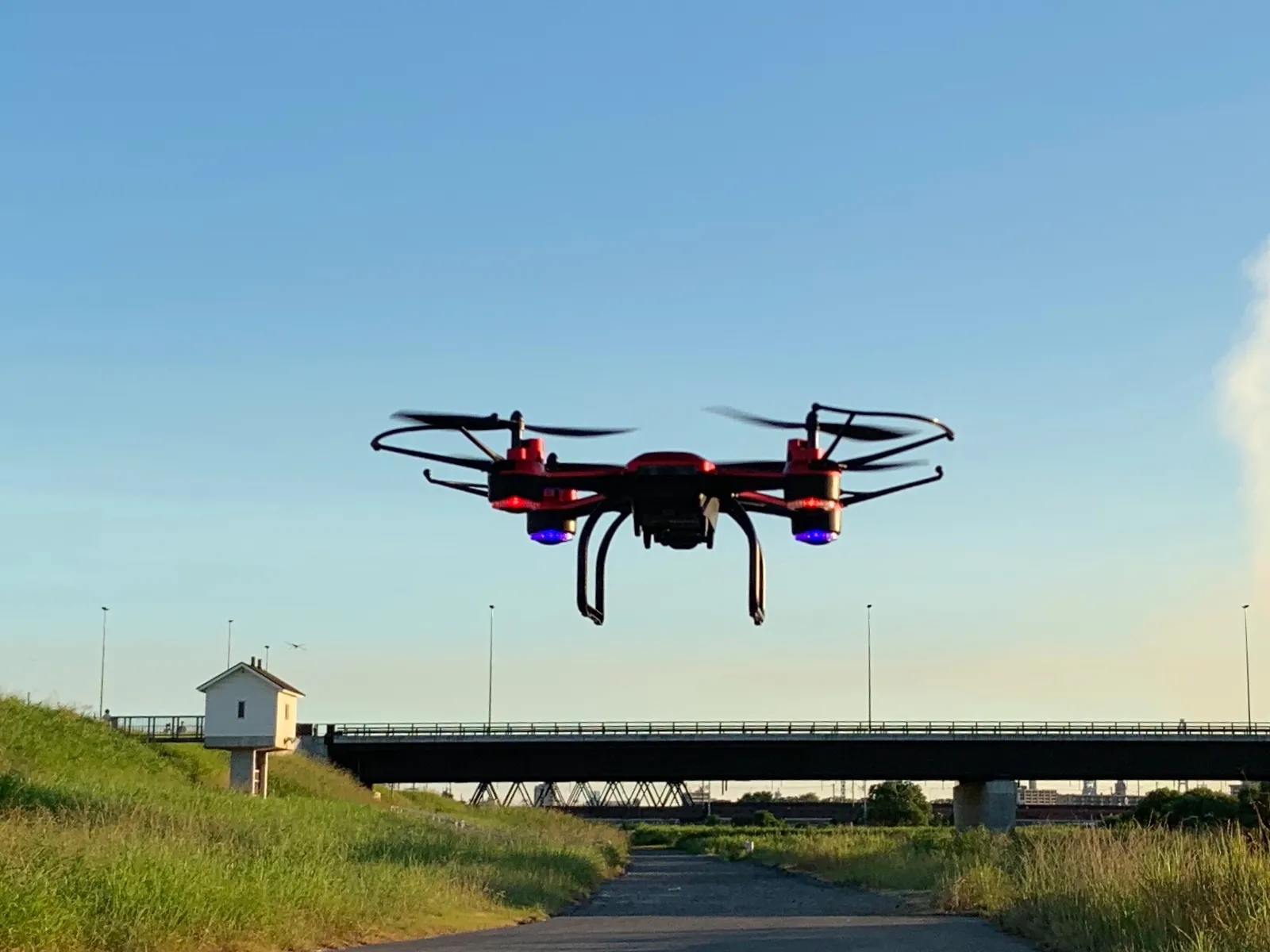
On Monday, the Justice Department announced charges against five men over what it described as a plot to attack a White House event with explosive-laden drones. According to the department, the group planned to strike the “UFC Freedom 250” fights held on the South Lawn on June 14, an event attended by President Donald Trump, roughly 4,300 ticketed guests and about 2,300 active-duty service members. Prosecutors allege the men intended to fly explosive drones into nearby buildings to trigger a mass evacuation, then hit a security checkpoint with a second wave as people fled.
The five charged are Tycen Proper of Ohio, Daniel Eskridge of Missouri, Abraham Hermosillo Alvarez of Nebraska, and Bryan Omar Roa and Michael Alan Thomas of California. They are charged, not convicted, and entitled to the presumption of innocence. But take the government’s account at face value for the purpose of the policy question it raises, because the policy question does not depend on the verdict. The plot, as charged, is the clearest sign yet that cheap, weaponized drones have become a credible mass-casualty threat on American soil, and the country’s legal framework for stopping them, even after a recent fix in Congress, still leaves the local police who guard most public events without the clear authority and equipment they need.
What the FBI Says It Stopped
By the Justice Department’s telling, the case is a story of fast, competent work. The FBI says it became aware of the threat on June 10, just four days before the event, and ran an investigation that ultimately spanned at least a dozen field offices. Investigators allege the participants coordinated over the encrypted messaging app Signal, including one chat of roughly 19 people, and that they were motivated by a belief that the United States had to be torn down in order to be rebuilt. FBI Director Kash Patel said the bureau and its partners moved across multiple states to take the suspects into custody and stop the planned attack before it could be carried out.
If that account holds up, it is a genuine success, and the agents involved deserve credit rather than second-guessing. But a near-miss is not a system working as designed. The threat was identified through investigation and human intelligence, four days out, against a target with the most concentrated security presence in the country. That is the easy version of the problem. The hard version is a drone launched a few hundred yards from a packed stadium in a city without a Secret Service perimeter, by someone who never typed a word into a group chat. For that version, the relevant question is not whether the FBI can investigate a conspiracy. It is whether anyone on the ground has the legal power to see the drone coming and bring it down.
The Threat Is Cheap. The Defense Is Tangled.
None of this is hypothetical. Drone incursions over U.S. military bases and other sensitive sites have been reported repeatedly in recent years, and officials have at times openly conceded they lacked the legal authority to do much more than watch and document. The hardware keeps improving and the price keeps falling, which means a weaponized drone is not a future scenario to war-game but a present one to manage.
Here the law has been a moving target. The authority for federal agencies to detect, track and disable threatening drones came from the 2018 FAA Reauthorization Act, which handed limited counter-drone powers to the Departments of Justice and Homeland Security. Crucially, it attached an expiration date. Those powers lapsed at midnight on September 30, 2025, after Congress failed to pass an extension during the budget fight that produced a government shutdown. For a stretch last fall, the federal government’s clearest legal authority to knock a hostile drone out of the sky over a power plant or an airport simply ran out.
Congress eventually patched the hole. The National Defense Authorization Act for fiscal year 2026 reauthorized federal counter-drone authority through 2028 and rewrote the underlying statute to let agencies act when it is “necessary to enforce the law, protect the public, or to mitigate a credible threat.” That was the right call, and it matters. But a stopgap buried in a defense bill is not a durable framework, and it does not resolve the deeper structural gap: the agencies with real counter-drone authority are a short federal list, while the officers who actually secure a county fair, a marathon, a political rally or a stadium are state and local police who have long operated in a legal gray zone. You cannot detect and defeat a threat everywhere with a handful of federal teams based in a handful of places.
That is the unfinished business. A bipartisan bill, the Counter-UAS Authority Security, Safety, and Reauthorization Act, cleared a House committee last fall precisely to reauthorize, reform and reasonably expand these powers, including coordination with state and local agencies and standards for training them. It has not become law. The White House plot is exactly the scenario its backers warned about, and it should end the slow-walking.
The Case for Going Slow
The counterargument is not frivolous, and pretending otherwise weakens the case for action. Counter-drone systems are not harmless. Jamming a drone’s control signal or its GPS can interfere with aircraft navigation, cellular networks and emergency communications, which is no small thing near a busy airport. The technology that lets an agency take over or down a drone also lets it intercept the data the drone is transmitting, which raises real Fourth Amendment and surveillance concerns. And handing that capability to thousands of local departments, with uneven training and oversight, could create new hazards even as it closes old ones.
Those are legitimate worries, and they are the reason the answer is a careful statute rather than a blank check. But they argue for writing the law well, not for leaving police powerless while the threat keeps getting cheaper. The privacy and aviation-safety questions are solvable with clear limits, certification requirements, audit trails and training standards, much of which the pending legislation already contemplates. What is not solvable is a security model that depends on the threat politely confining itself to the few places federal teams can cover.
Why This Can’t Wait
The timing is the part Congress cannot wave away. The country is in the middle of hosting the largest World Cup ever staged across North American stadiums, with weeks of matches still ahead and crowds in the tens of thousands gathering in city after city. The Fourth of July is two weeks out. And the White House plot is not the first sign that crowded American events have become targets. The armed breach at this spring’s correspondents’ dinner checkpoint that forced the president’s evacuation was a reminder that security gaps at marquee gatherings are being probed in real time.
A drone costs a few hundred dollars, fits in a backpack and does not care about a metal detector. The defense against it is not mysterious; it is detection, authority and trained people in the right places, and the main thing missing is the legal architecture to put all three together below the federal level. The country got the outcome it wanted this week because investigators were good and, in part, because they were lucky enough to be tipped off in time. Luck is not a homeland security strategy. Congress half-fixed this problem in a defense bill. It should finish the other half before the next plot is the one nobody saw in a group chat.
Sources 6 cited · 2 primary
- Five Men Arrested and Charged in Plot to Attack and Kill Government Officials and Others Attending the Ultimate Fighting Championship at White House
- FBI arrests 5 in alleged plot to attack White House UFC event with explosives-laden drones and guns
- Five arrested, charged with plotting to attack UFC event at White House, DOJ says
- NDAA FY 2026: Key Counter-UAS Provisions Explained
- Counter-UAS authority expires amid government shutdown
- H.R.5061 — Counter-UAS Authority Security, Safety, and Reauthorization Act
American Courant cites its sources and links to primary documents where they exist. How we report →