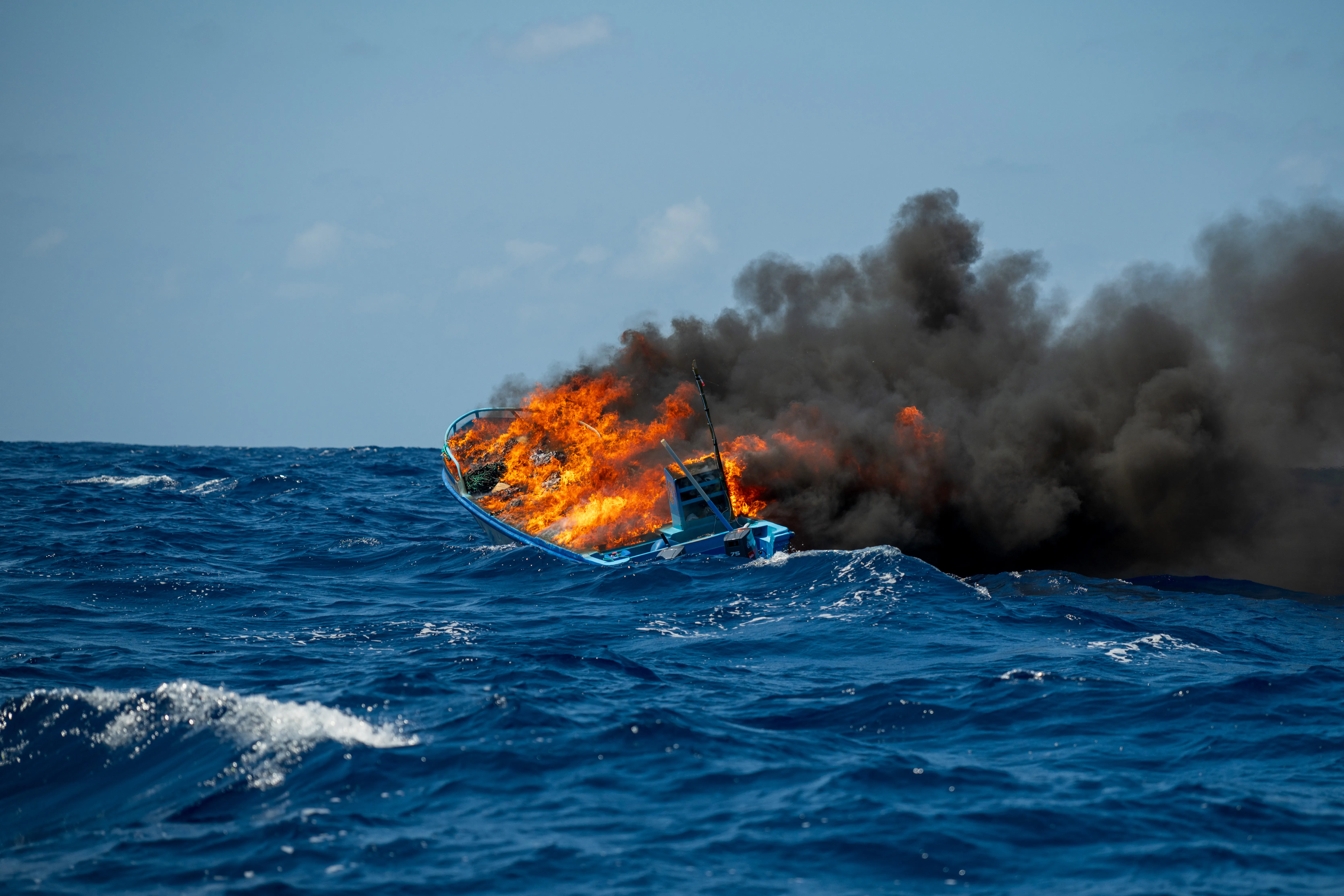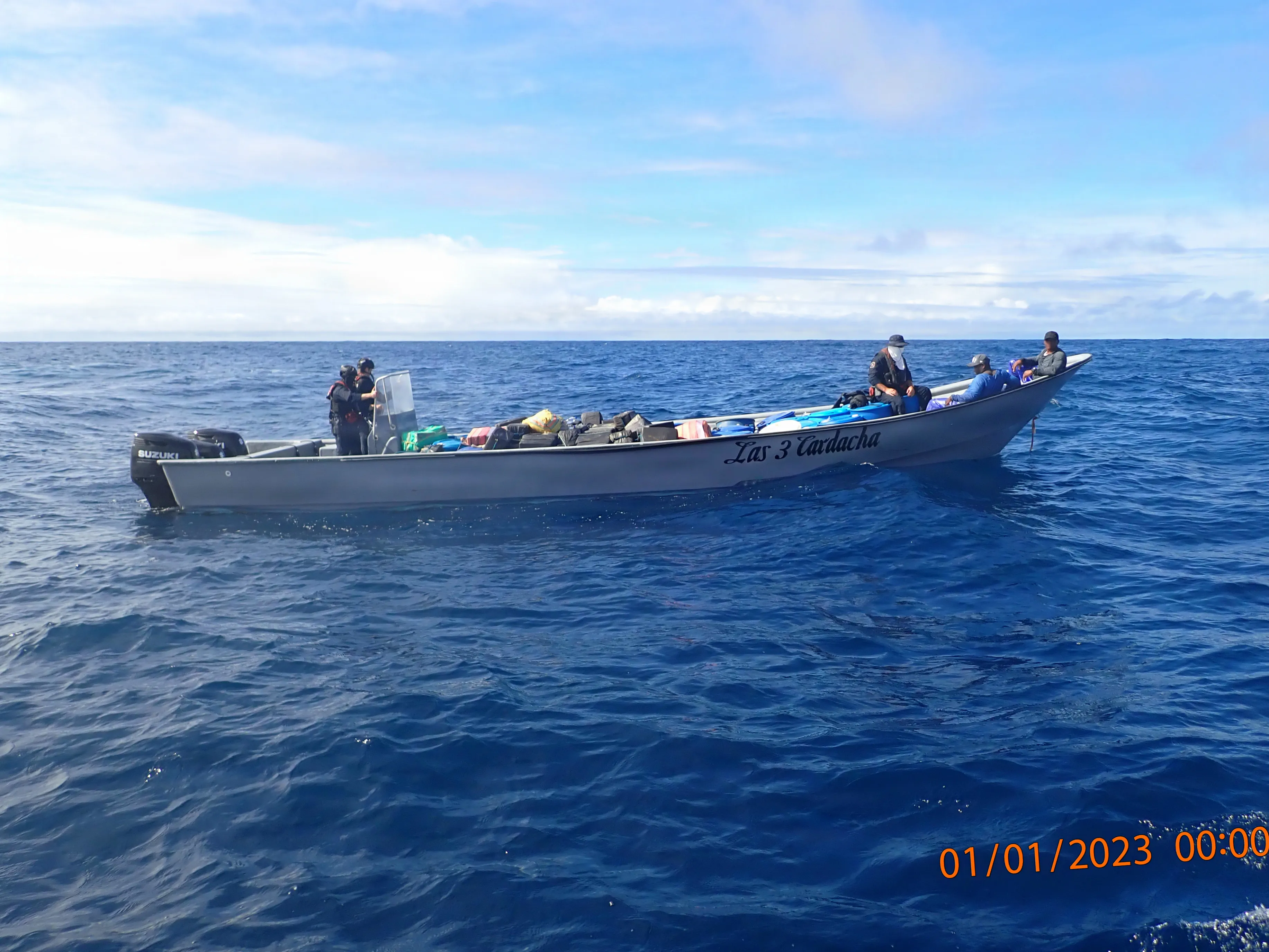
Two survivors of a U.S. military strike on an alleged drug-trafficking boat in the eastern Pacific Ocean have not been found, the military acknowledged this week, raising the total death toll from the nine-month campaign to at least 199 people.
The announcement marked a grim milestone for Operation Southern Spear, the Trump administration’s anti-cartel campaign that has conducted more than 60 strikes on vessels across the Caribbean Sea and eastern Pacific since September 2025. At least 22 of those killed had survived an initial strike, only to be struck again or die at sea in the hours and days that followed.
The latest deaths come as the Pentagon’s inspector general is examining whether commanders followed proper targeting procedures when selecting vessels for lethal attack — and as independent investigators have concluded that many of those killed cannot be linked to drug trafficking at all.
The Strike That Added Two More to the Toll
On May 26, U.S. Southern Command announced what it described as a “lethal kinetic strike” against a vessel operated by what it called “Designated Terrorist Organizations” in the eastern Pacific. The command said one person was killed and two others survived the attack.
In its press release, SOUTHCOM said it had immediately notified the U.S. Coast Guard to begin search-and-rescue operations for the two survivors. Two days later, those survivors had not been located.
That outcome — strike, initial survivors, then no rescue — has become a recurring pattern in the campaign. According to a tally by the Associated Press, at least 22 people who initially survived strikes later died or disappeared at sea. That includes three individuals who survived two separate strikes in May alone: people who endured one attack, remained in the water, and were struck again.
SOUTHCOM says it notifies the U.S. Coast Guard of any survivors following attacks. However, reporting from multiple outlets indicates those notifications are frequently passed on to countries in the vicinity of the strike rather than resulting in active American rescue operations.
Nine Months of Strikes
Operation Southern Spear was formally unveiled by Secretary of War Pete Hegseth on November 13, 2025, after SOUTHCOM had already been conducting strikes for more than two months. The campaign began with a September 2, 2025 airstrike in the Caribbean that killed all 11 people aboard a Venezuelan vessel — the first of what would become an ongoing series of lethal interdictions.
In its early weeks the operation was confined to the Caribbean. By October 2025, strikes had expanded to the eastern Pacific, stretching the campaign’s reach along major drug-trafficking corridors off the coasts of Central and South America.
As of late May 2026, SOUTHCOM has struck more than 60 vessels — at least 15 in the Caribbean and more than 31 in the eastern Pacific. The command’s press releases describe every vessel hit as operated by “Designated Terrorist Organizations” and every occupant as a “narco-terrorist.” The agency has not released evidence — surveillance footage, drug seizures, or other documentation — linking specific individuals to those organizations in the cases where people were killed rather than captured.
What the Watchdog Is Looking At
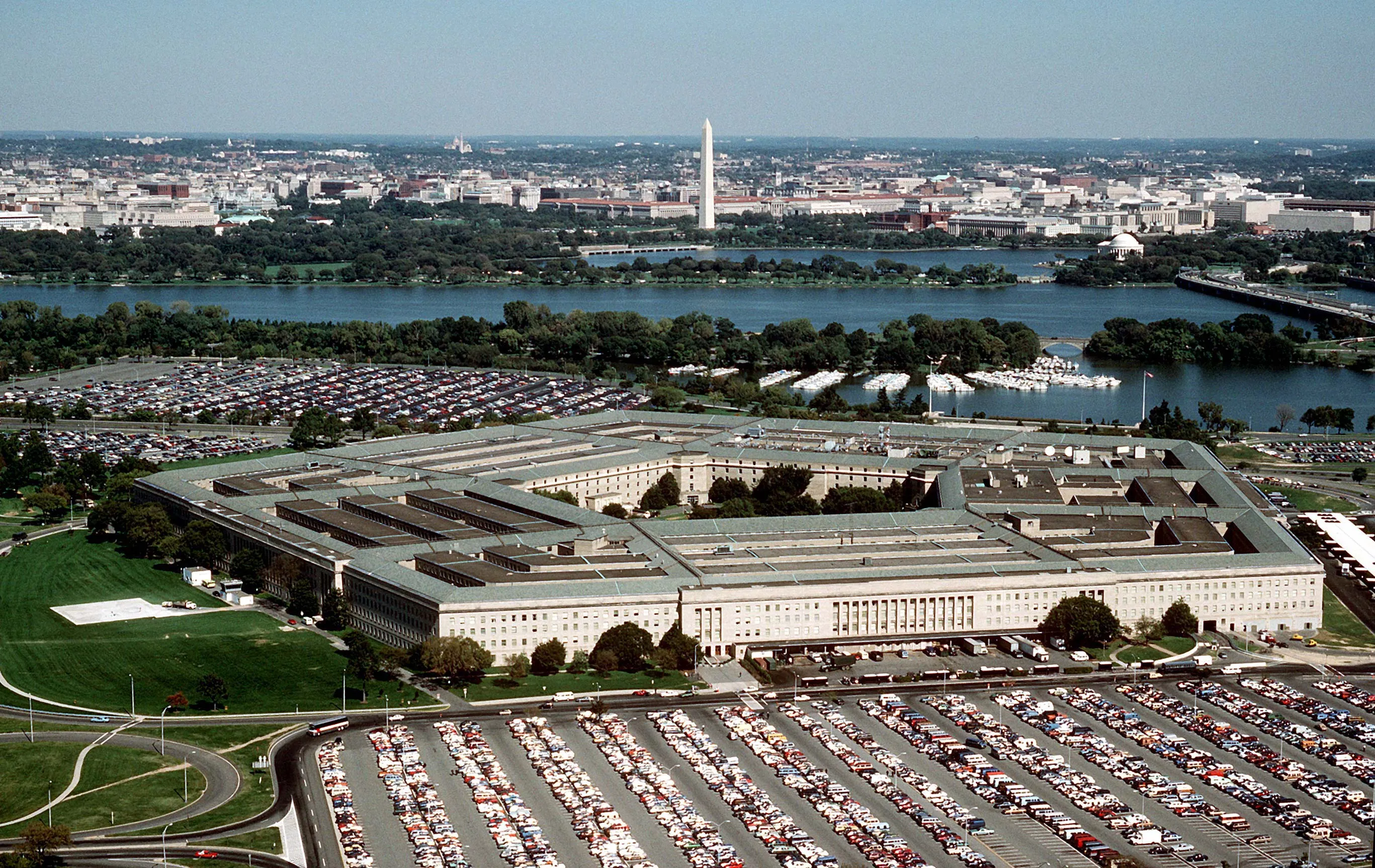
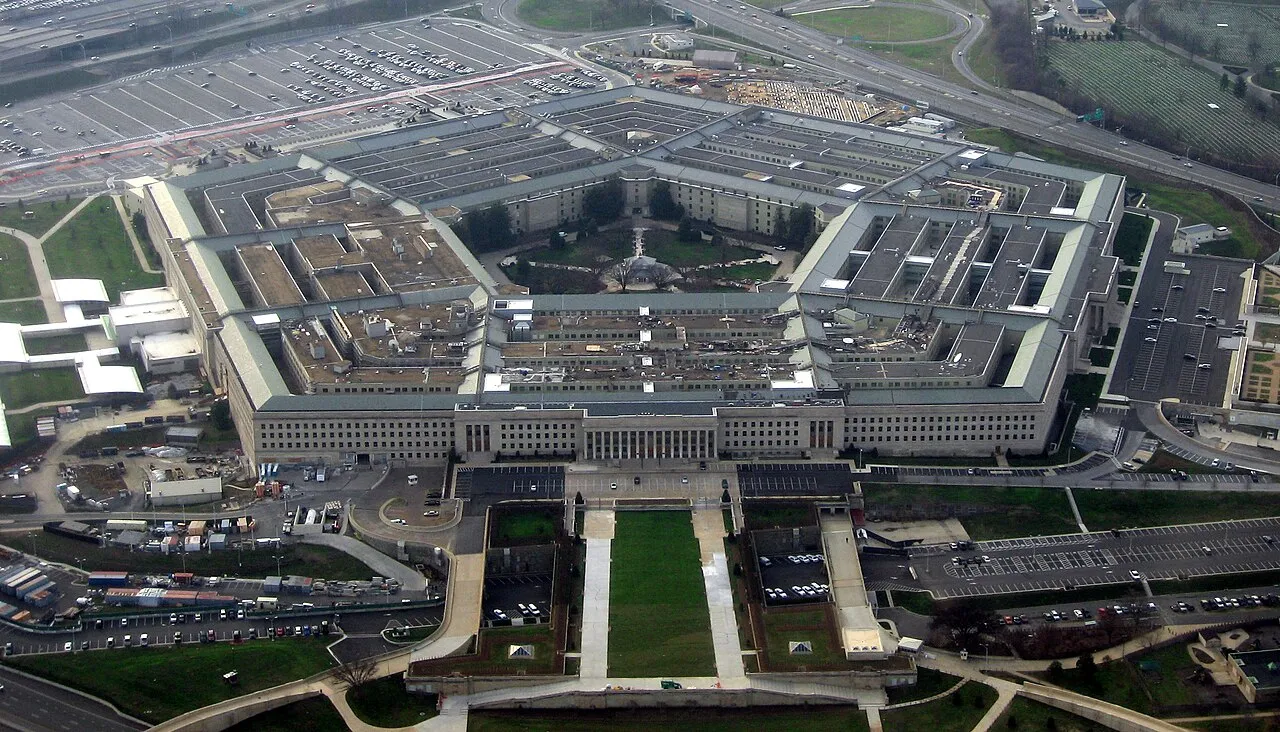
On May 19, the Defense Department’s Office of Inspector General announced it had opened an evaluation of U.S. Southern Command’s operations under Operation Southern Spear.
The review, initiated by the watchdog itself rather than in response to any congressional request, is examining how targets were selected. Specifically, it will assess whether SOUTHCOM followed the six-phase Joint Targeting Cycle — the Pentagon’s established framework for identifying, vetting, and approving targets before a lethal strike.
The evaluation does not explicitly examine the legality of the strikes under international or domestic law. Legal experts and members of Congress have pressed for exactly that question to be answered, but the inspector general’s office has framed its inquiry more narrowly: did commanders follow their own procedures?
The probe is not the first time the Pentagon’s civilian harm programs have drawn scrutiny this year. An inspector general report released in May found that the Department of War’s Civilian Harm Mitigation and Response program had effectively gone dormant, with meetings stopped, funding cut, and staff reassigned — even as lethal operations expanded.
Who Is Actually Being Killed
In mid-May, a Guardian investigation identified 13 of the 199 people killed and said it found no evidence that any of those individuals were involved in drug trafficking. The report described the victims as coming from poor families across Latin America and the Caribbean — many with backgrounds as fishermen or migrant workers.
That finding is consistent with accounts gathered from the governments of affected countries, including Ecuador, Colombia, and Venezuela, whose nationals have died in the strikes. Those governments have publicly stated that they believe many of the dead were civilians.
SOUTHCOM has maintained that all targeted vessels were operating along known drug-trafficking routes and displaying behaviors — speed, night-time travel, evasive maneuvers — consistent with drug smuggling. The command has said it conducts pre-strike intelligence reviews in all cases.
Pentagon officials have reaffirmed that SOCOM, the special operations command, specifically called for second strikes on at least one vessel after survivors were observed in the water — a detail that drew sharper criticism from legal advocates. The administration argues that combatants in an armed conflict do not lose their status as lawful targets simply by surviving an initial strike.
The Legal Questions Congress Hasn’t Resolved
The Trump administration formally notified Congress on October 1, 2025, that the United States had entered what it described as a “non-international armed conflict” with what it called “unlawful combatants” involved in drug trafficking. That declaration, issued under the War Powers Resolution, was intended to provide the legal basis for continued strikes without an explicit authorization of military force from Congress.
Critics, including legal scholars at Lawfare and Just Security, have argued the claim does not hold up. Countries are not permitted under international law to attack vessels in international waters except in narrow circumstances — hot pursuit out of a nation’s territorial waters, or legitimate acts of self-defense. The drug boats, these critics argue, do not meet the threshold for lawful military targets under any of those theories.
In 2025 and again in 2026, the Republican-controlled Senate twice voted down resolutions that would have invoked the War Powers Act to limit the administration’s authority to continue the strikes. Both resolutions fell short of the majority needed to advance.
Congressional Democrats — and a smaller number of Republicans — have raised public concerns about the lack of transparency around how targets are designated, how intelligence is gathered, and what process exists to prevent civilian deaths. To date, the administration has not released a single case file documenting the evidence that led to a specific strike.
The Trump Anti-Cartel Framework
The strikes are part of a broader administration policy rooted in treating drug cartels as national security threats equivalent to terrorist organizations. In May, President Trump signed a new counterterrorism strategy that named drug cartels as the nation’s highest security priority — above al-Qaeda and ISIS for the first time since September 11.
That strategy explicitly endorses military force as a tool in the counternarcotics campaign and frames cartel-connected individuals as legitimate military targets. Administration officials have pointed to the strategy as legal cover for the strikes, arguing that designating cartels as terrorist organizations provides the same targeting authority the U.S. uses against groups like al-Shabaab or the Islamic State.
The counterargument — advanced consistently by international law scholars — is that even under a terrorism-targeting framework, the U.S. must demonstrate that specific individuals pose an imminent threat before using lethal force in international waters. Firing on boats along a known trafficking route, they argue, does not meet that standard.
What Comes Next
The Pentagon inspector general’s evaluation of Operation Southern Spear targeting procedures does not have a publicly announced completion deadline. Watchdog evaluations of active operations typically take months to produce final reports, meaning results are unlikely to emerge before the campaign reaches its one-year mark in September.
In the meantime, SOUTHCOM has shown no sign of slowing the pace of strikes. May 2026 has been one of the most active months of the campaign, with strikes reported on May 6, May 8, May 9, May 26, and May 27 alone. The campaign’s stated goal — deterring drug trafficking through the Caribbean and eastern Pacific — remains unverified. The total amount of narcotics seized, rather than destroyed at sea, has not been publicly disclosed.
The two survivors from the May 26 strike have still not been found.
Sources 6 cited · 2 primary
- Lethal Kinetic Strike, May 26, 2026
- Recent survivors of US boat strikes haven't been found, bringing overall death toll to 199
- Pentagon watchdog evaluating US military's strikes on alleged drug boats
- US strike on alleged drug boat in Eastern Pacific kills 1, leaves 2 survivors
- Operation Southern Spear: Why the Crews, Drugs, and Boats are Not Targetable
- Pentagon's internal watchdog to probe U.S. strikes on alleged drug boats
American Courant cites its sources and links to primary documents where they exist. How we report →