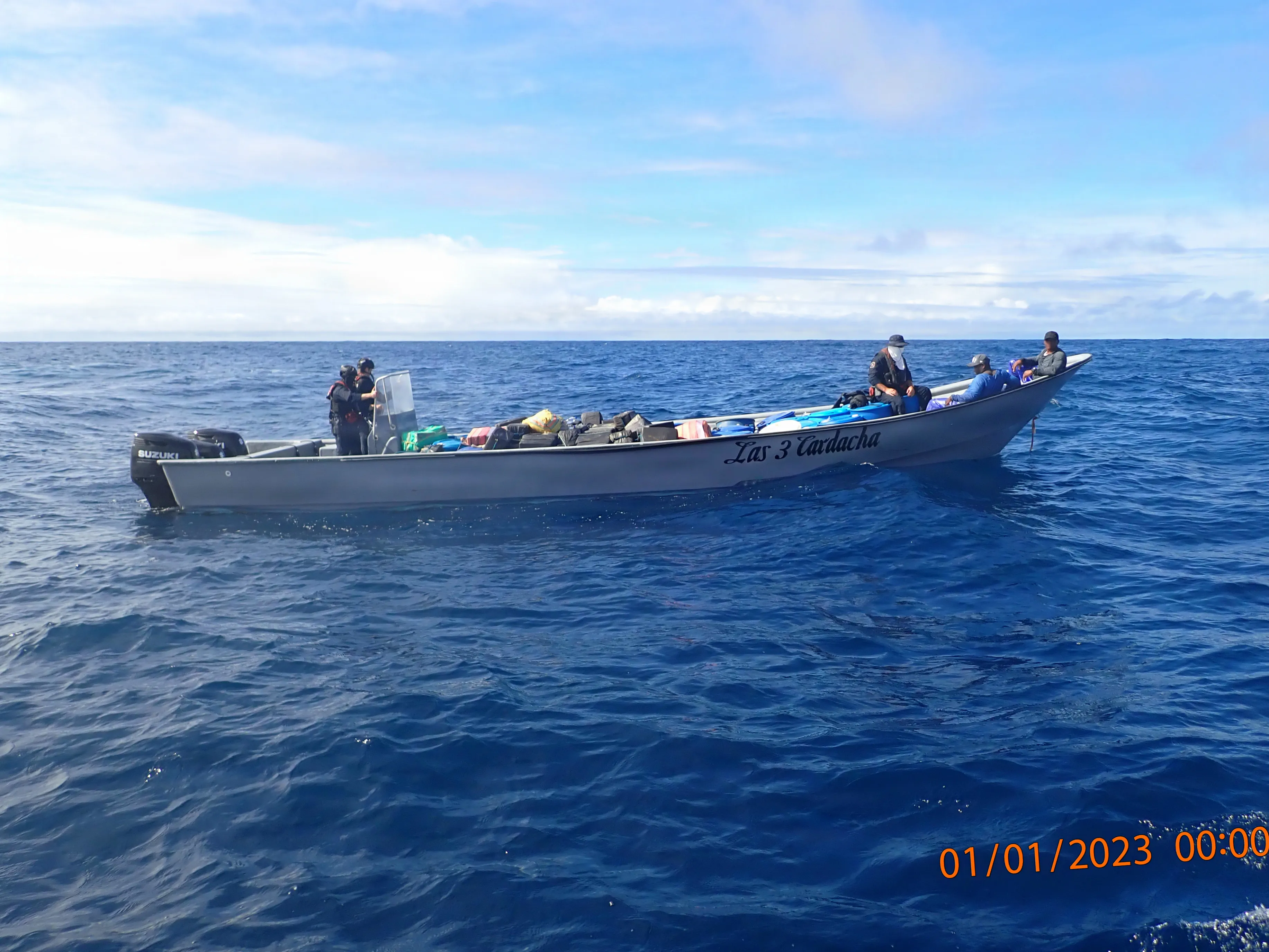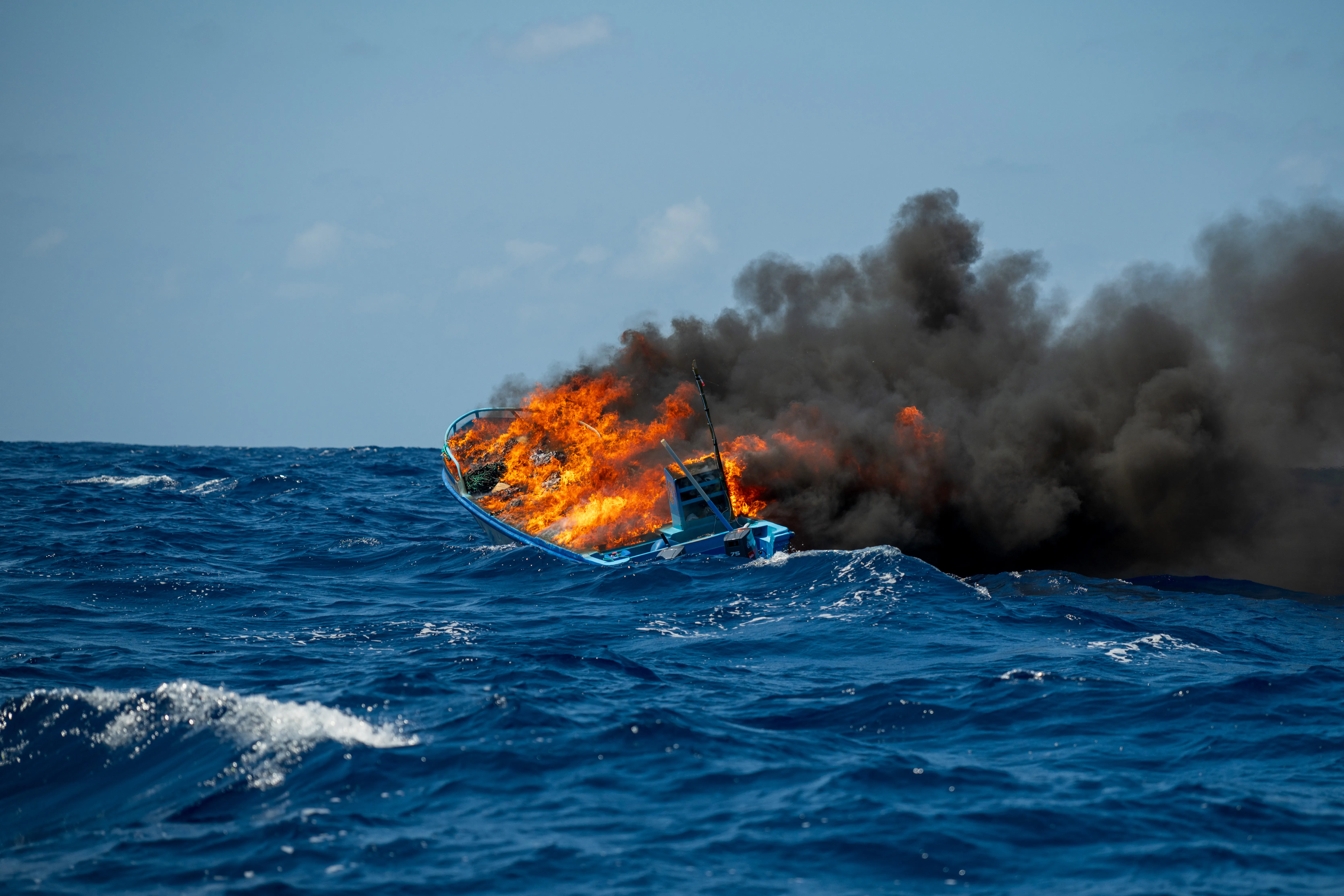
In nine months of operations, the U.S. military has struck more than 60 vessels in the eastern Pacific Ocean and the Caribbean Sea under Operation Southern Spear, the Trump administration’s anti-cartel campaign. The total death toll has reached 199 people. In every case, U.S. Southern Command has described the people killed as members of “Designated Terrorist Organizations” — narco-terrorists, in the command’s language, who forfeited their legal protections by participating in transnational drug trafficking.
That is the government’s account. It is unverified.
The families of many of the dead tell different stories. Journalists who have investigated the identities of the victims have found that most cannot be linked to any drug trafficking organization through any public record. The governments of Ecuador, Colombia, and Venezuela — whose nationals appear among the dead — have raised formal objections, contending that some of those killed were civilians. And the Pentagon’s own inspector general opened an evaluation in May 2026 to determine whether SOUTHCOM followed its own targeting procedures before authorizing each strike. That evaluation has not concluded.
Whether U.S. military commanders collected and documented sufficient intelligence to designate 199 people as lawful military targets — and whether the available evidence actually linked those individuals to drug trafficking organizations — is a question neither the Pentagon nor any independent body has publicly answered.
What Is Confirmed
U.S. Southern Command has published press releases for each of the strikes conducted under Operation Southern Spear. Those releases confirm the operational basics of each attack: the date, the general geographic area (eastern Pacific or Caribbean), the outcome (number killed, any survivors), and the command’s characterization of the targeted vessel as operated by “Designated Terrorist Organizations.” The press releases are the only public documentation SOUTHCOM has released about individual targeting decisions. No intelligence assessments, vessel identification records, or biographical information about any of the 199 dead have been publicly disclosed.
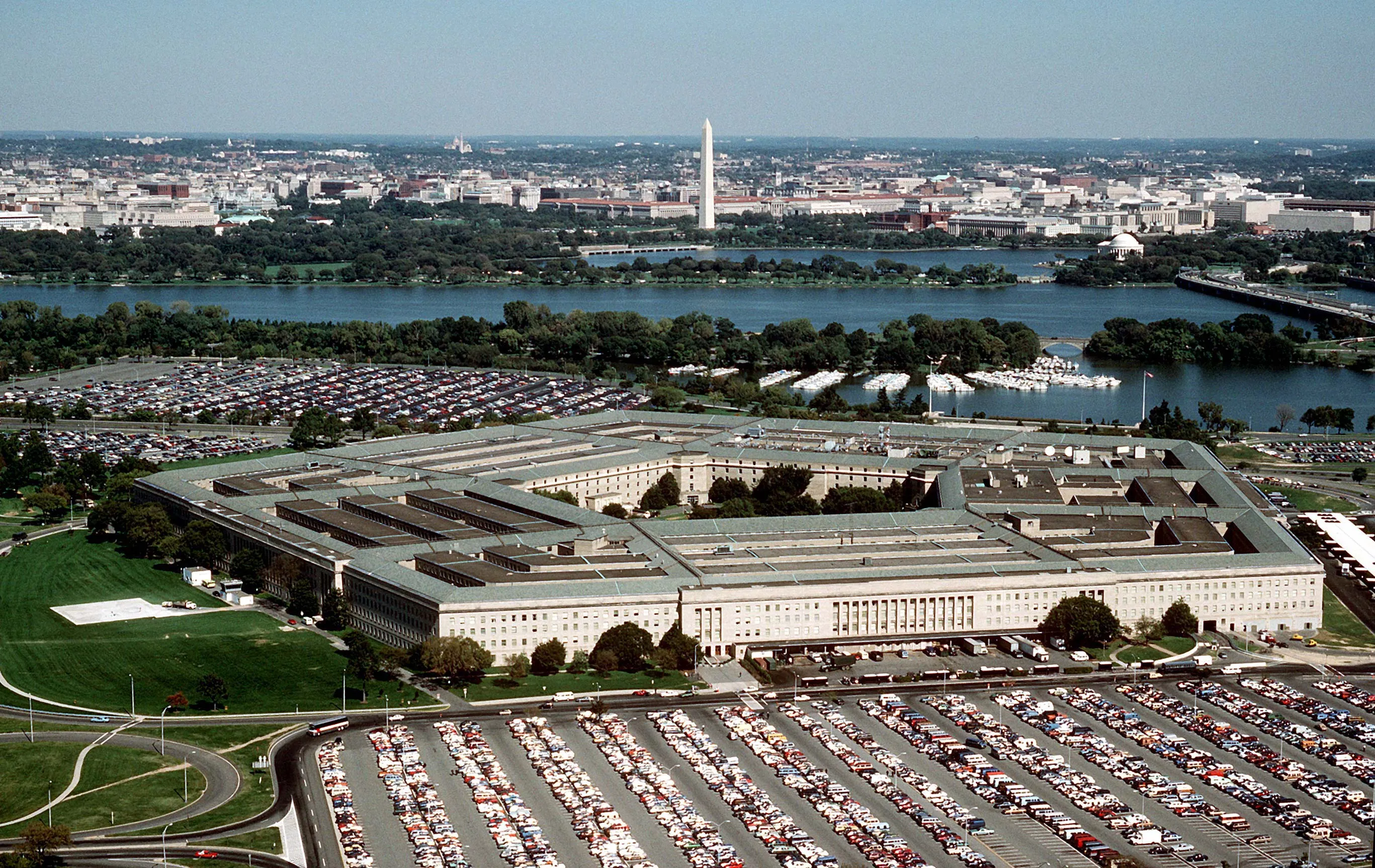
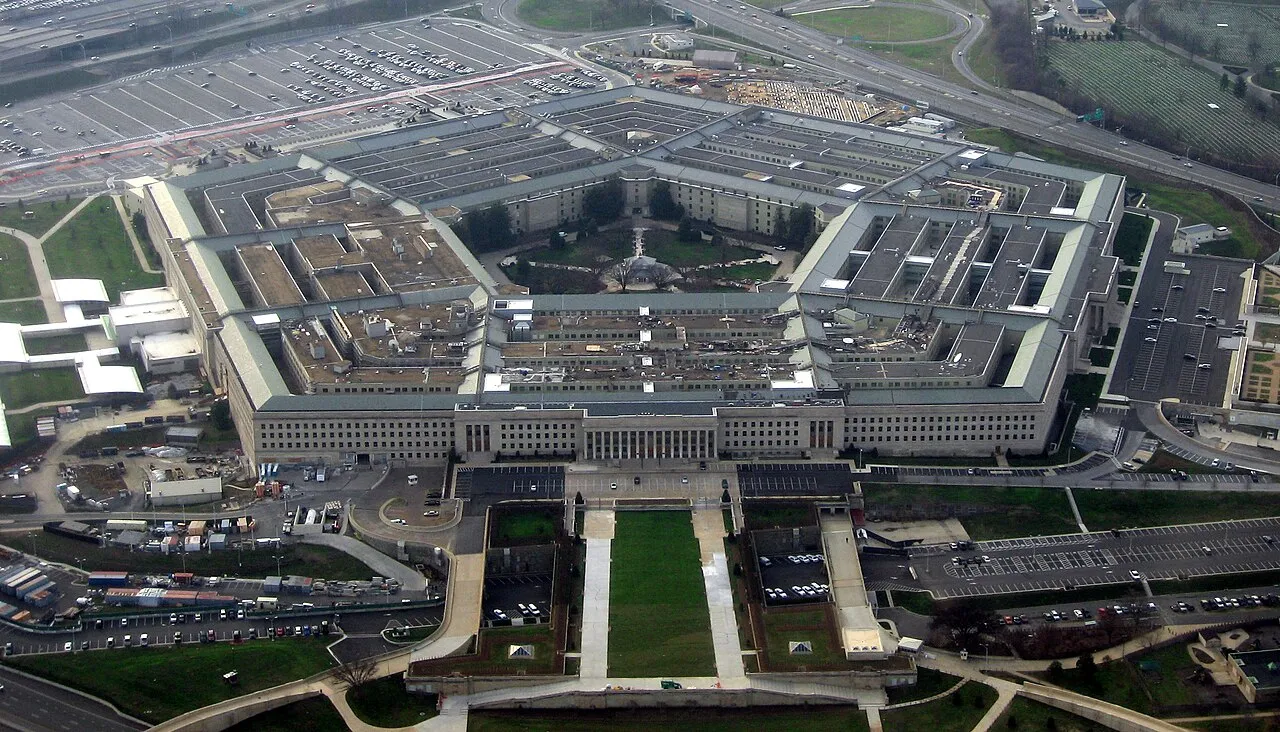
The Pentagon’s Office of Inspector General announced on May 19, 2026, that it had opened an evaluation of Operation Southern Spear targeting procedures. The evaluation is examining specifically whether SOUTHCOM commanders followed the Joint Targeting Cycle — the Defense Department’s established six-phase process for identifying, vetting, and approving targets before a lethal strike. The IG has not announced a completion deadline for the evaluation. The agency launched the review on its own initiative; no congressional committee requested it.
On October 1, 2025, the Trump administration issued a notification to Congress under the War Powers Resolution declaring that the United States had entered a “non-international armed conflict” with what it called “unlawful combatants” involved in drug trafficking. That declaration is the legal foundation the administration has offered for the continued strikes.
According to reporting by the Associated Press, at least 22 people who initially survived strikes later died at sea or disappeared without being found. In at least one documented instance, special operations forces authorized a second lethal strike on a vessel after survivors were observed in the water. The Pentagon has defended that action by arguing that combatants in an armed conflict do not lose their status as lawful targets simply by surviving an initial strike.
Where the Accounts Diverge
SOUTHCOM’s account: Every person killed in Operation Southern Spear was an affiliated member of a “Designated Terrorist Organization” — primarily the Sinaloa Cartel or the Gulf Cartel — and every strike was conducted following a valid intelligence review. The command has said vessels are identified through surveillance as operating along known drug-trafficking corridors and exhibiting behaviors consistent with trafficking operations, including nighttime travel, high speed, and evasive maneuvers. No strike was conducted without an advance targeting assessment, according to the command’s public statements. Pentagon officials have also argued that the War Powers notification provides the legal authority to treat cartel members as military combatants in the same manner as designated terrorist groups such as al-Shabaab.
The Guardian’s investigation: In mid-May 2026, The Guardian reported that it had identified 13 of the 199 people killed and found no evidence that any of those individuals were involved in drug trafficking. The outlet described the victims as coming from poor communities across Latin America and the Caribbean, with work histories as fishermen or migrant laborers rather than known associates of cartel organizations. The Guardian’s investigation was the first attempt to independently identify individuals among the dead using public records, family accounts, and reporting from affected communities.
Affected governments: Ecuador, Colombia, and Venezuela have publicly stated that they believe some of the people killed in Operation Southern Spear strikes were civilians. All three countries have raised concerns through diplomatic channels. None has provided a comprehensive public accounting of its nationals’ deaths in the campaign, and none has taken formal international legal action as of early June 2026.
Legal scholars: Analysts at Just Security — a national security law journal affiliated with New York University School of Law — published an analysis in March 2026 arguing that the Operation Southern Spear strikes are not legally supported under either international law or the domestic legal framework the administration has claimed. Their central argument: even under a counterterrorism targeting framework, the United States must demonstrate that specific individuals pose an imminent threat before using lethal force in international waters. Traveling through a known trafficking corridor does not satisfy that standard; fishing vessels, migrant boats, and smugglers operating in the same waters face the same behavioral profile but do not lose their legal protection as civilians. The SOUTHCOM press releases, the analysts wrote, describe observable vessel behaviors — not individualized threat assessments.
The Pentagon has not responded publicly to the specific victims identified in The Guardian’s reporting. SOUTHCOM has not released targeting documentation for any individual strike.
The Timeline
September 2, 2025: U.S. forces conduct the first known kinetic strike under what will become Operation Southern Spear. A Venezuelan vessel in the Caribbean is struck; all 11 people aboard are killed. SOUTHCOM attributes the occupants to “Designated Terrorist Organizations.”
September–October 2025: Strikes continue in the Caribbean. SOUTHCOM press releases follow the same template for each attack.
October 2025: Operations expand to the eastern Pacific, extending the campaign’s reach along trafficking corridors off the coasts of Central and South America.
October 1, 2025: The Trump administration formally notifies Congress under the War Powers Resolution of an ongoing “non-international armed conflict” with drug trafficking organizations. The notification is the administration’s stated legal basis for the strikes.
November 13, 2025: Secretary of War Pete Hegseth publicly announces Operation Southern Spear by name, though strikes had been ongoing for ten weeks. The formal announcement describes the campaign’s goal as dismantling cartel logistics.
Early 2026: Ecuador, Colombia, and Venezuela begin raising formal diplomatic objections over the deaths of their nationals. None initiates international legal proceedings.
March 2026: Just Security publishes its legal analysis of the strikes, arguing that the behavioral indicators SOUTHCOM uses to designate vessels — trafficking route, speed, nighttime travel — do not support lawful military targeting under international law.
Mid-May 2026: The Guardian publishes its investigation identifying 13 of the 199 victims and reporting that none of the identified individuals can be linked to drug trafficking through public records.
May 19, 2026: The Pentagon’s Office of Inspector General announces it has opened a formal evaluation of Operation Southern Spear targeting procedures, specifically examining whether the Joint Targeting Cycle was followed for individual strikes.
May 26–28, 2026: SOUTHCOM strikes a vessel in the eastern Pacific, kills one, and reports two survivors. Two days later, the survivors have not been found. The Associated Press tallies the campaign’s death toll at 199. Earlier coverage tracked the milestone and the IG announcement in detail.
What Remains Unknown
The questions at the center of the Operation Southern Spear targeting dispute are either unanswered or withheld from public view.
Whether the Joint Targeting Cycle was applied in any individual strike is the specific question the IG evaluation was designed to answer. The six-phase process requires intelligence collection, target development, capabilities analysis, commander’s decision, mission planning, and force execution — with documentation at each phase. Whether SOUTHCOM maintained that documentation, and whether it supported the lethal designation of specific individuals aboard targeted vessels, has not been publicly disclosed.
What evidence existed before each strike linking the occupants of a specific vessel to a “Designated Terrorist Organization” is not part of any public record for any of the 60-plus attacks. SOUTHCOM has described observable vessel behaviors as its indicators. It has not released warrants, surveillance records, informant reports, or any document that identifies any of the 199 dead as a confirmed cartel operative prior to a strike.
Who the 199 people were. The Guardian’s investigation reached 13 of the dead. The other 186 have not been publicly identified. The nationalities of most victims have not been officially disclosed. SOUTHCOM has not released names.
Whether second strikes on survivors complied with international humanitarian law. At least one vessel was struck a second time while survivors were observed in the water. Whether that action was consistent with both Defense Department targeting rules and the laws of armed conflict is a question the IG evaluation may or may not address — the announced scope focuses on procedural compliance, not legal interpretation.
Whether the War Powers notification of October 2025 provides a valid basis for the strikes under international law. The administration says it does. Legal scholars and the governments of affected countries say it does not. No federal court has ruled on the question, and no congressional resolution challenging the strikes has advanced to a vote.
The civilian harm monitoring program that would ordinarily track potential mistakes in strikes like these effectively went dormant this year, according to a separate inspector general report — a finding that underscores the accountability gap the OIG evaluation is attempting to fill.
What Comes Next
The Pentagon IG evaluation of Operation Southern Spear targeting procedures has no publicly announced completion date. Watchdog evaluations of active operations typically take months; the campaign reaches its one-year mark in September 2026.
Senate Democrats introduced War Powers resolutions in both 2025 and 2026 that would have limited the administration’s authority to continue strikes without explicit congressional authorization. Both fell short of a majority. No additional legislative action is currently scheduled.
SOUTHCOM has given no public indication that the pace of operations will change. At least five strikes were conducted in May 2026 alone. The campaign’s stated objective — disrupting cartel drug logistics through the eastern Pacific and Caribbean — has not been independently measured; the administration has not disclosed total drug seizures attributable to Operation Southern Spear.
The governments of Ecuador, Colombia, and Venezuela have raised concerns bilaterally but have not filed a formal complaint with any international tribunal as of early June 2026. The identities of the 186 remaining victims have not been reported.
The two survivors from the May 26 strike have still not been found.
Sources 6 cited · 3 primary
- Lethal Kinetic Strike, May 26, 2026
- Pentagon watchdog evaluating US military's strikes on alleged drug boats
- Pentagon's internal watchdog to probe U.S. strikes on alleged drug boats
- Operation Southern Spear: Why the Crews, Drugs, and Boats are Not Targetable
- Recent survivors of US boat strikes haven't been found, bringing overall death toll to 199
- US strike on alleged drug boat in Eastern Pacific kills 1, leaves 2 survivors
American Courant cites its sources and links to primary documents where they exist. How we report →