For two years, the explanation for why a 24-year-old with a fresh diploma can’t find work has been a single tidy villain: artificial intelligence. The story writes itself. Companies bought chatbots, chatbots do entry-level tasks, and so the bottom rung of the career ladder is being sawed off in real time. It is a clean narrative, it confirms what everyone already fears about the technology, and according to a study the Federal Reserve Bank of New York published on June 1, it is mostly wrong.
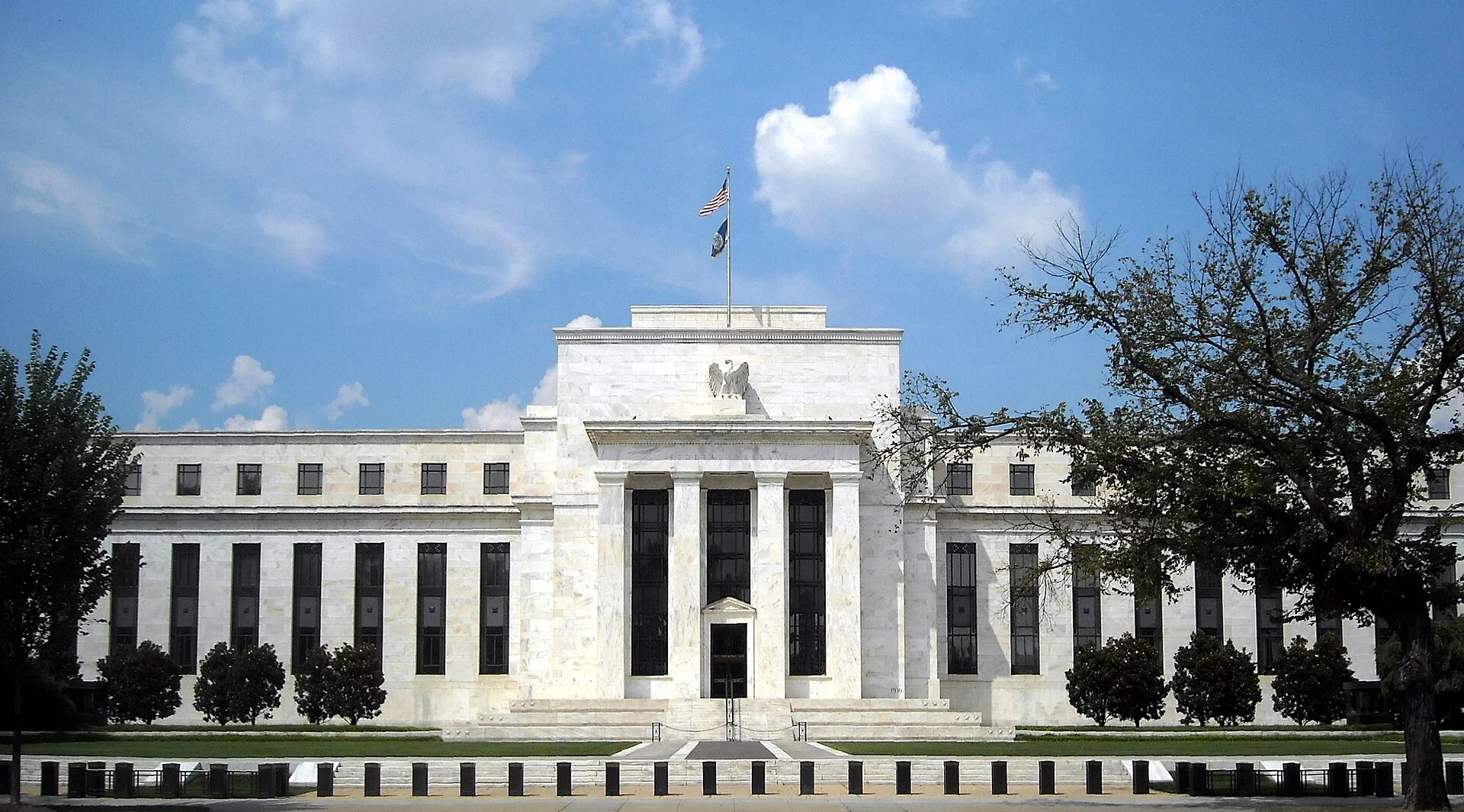
The study, written by Natalia Emanuel, Emma Harrington, and Amanda Pallais and posted on the New York Fed’s Liberty Street Economics, estimates that remote work — not AI — explains roughly 64 percent of the increase in unemployment among college graduates under 29 compared with pre-pandemic levels. The mechanism is unglamorous to the point of being boring. When a company’s experienced staff work from home, there is no one in the room to train and mentor a new hire, so the company stops hiring new hires. The robots aren’t taking the jobs. The empty desks are. And if that is true, the policy response is far simpler, and far less apocalyptic, than the AI panic implies.
The data points at the office, not the algorithm
Start with the shape of the problem. The unemployment rate for recent college graduates sat around 5.7 percent in the first quarter of 2026, well above the national rate, while the jobless rate for older college graduates actually drifted slightly lower over the same window. That divergence is the puzzle. Whatever is happening, it is hitting the young specifically.
The AI explanation fails the most basic test the New York Fed economists applied to it. If generative AI were eating entry-level college jobs, you would expect the damage to concentrate among young workers in AI-exposed, white-collar fields. Instead, both young college graduates and young workers without degrees have seen unemployment climb over the past three years — even though their exposure to AI is wildly different. When a force is supposed to be surgical and the wound shows up everywhere, the force is probably not the cause. The Economic Policy Institute reached a parallel conclusion in its Class of 2026 labor-market analysis, pinning the weakness on a depressed hiring rate rather than mass displacement.
Remote work, by contrast, fits the evidence precisely. The unemployment rate for young college graduates in “remotable” jobs rose by about a percentage point from the 2017–2019 period to 2022–2024, while older workers in those same fields saw their jobless rate slip. Same industries, same job categories, opposite outcomes by age. That is exactly what you would expect if the missing ingredient were on-the-job training — the thing the young need and the experienced don’t.
The researchers found a tidy natural experiment inside a single Fortune 500 technology company. As it leaned into remote work, its hiring tilted away from young graduates and toward workers roughly a decade older, on average — people who could be productive without a manager three feet away. Then the company imposed a strict return-to-office policy, and it started hiring new graduates again. The on-ramp reopened the moment the office did.
Why the AI story stuck anyway
It is worth being honest about why the AI explanation became the default, because the reasons are not flattering and they have nothing to do with the data. AI is the most visible new thing in the economy, so it became the prime suspect for every economic anxiety, the way “automation” or “offshoring” did in earlier decades. It also lets a lot of people off the hook. If a faceless technology is to blame, then no manager’s calendar, no real-estate decision, and no hybrid-schedule compromise has to be re-examined. The machine did it.
There is also a genuine, unresolved debate underneath all this, and it deserves acknowledgment rather than dismissal. AI is plainly changing what entry-level work looks like, and over a longer horizon it may well compress the bottom of the ladder in specific functions — junior coding, first-draft copywriting, basic analysis. The New York Fed study is about the recent past, the 2022–2024 stretch, not a forecast of 2030. Its authors do not claim AI will never displace young workers; they claim it has not been the main driver of the displacement we have already seen. Those are different statements, and the louder commentary has been conflating them. The fear about the future is legitimate. Using it to explain a past it did not cause is not.
The fix is mundane, and that is the good news
Here is why this study should land as a relief rather than a footnote. A jobs crisis caused by AI is a structural problem with no obvious off-switch; you cannot un-invent the technology, and the policy menu runs to retraining schemes and speculation about universal basic income. A jobs crisis caused substantially by remote work is something employers can address on Monday morning, because they control the variable directly.
The mechanism the Fed identified is mentorship, and mentorship is a choice a company makes about how it organizes work. A firm that wants to keep hiring graduates does not need an AI strategy. It needs new hires in proximity to the people who can teach them — through in-office days, structured apprenticeship, deliberate pairing of juniors with seniors, or hybrid schedules built around shared anchor days rather than everyone choosing their own. The 2026 return-to-office wave at firms like Amazon, JPMorgan Chase, and Goldman Sachs has been framed mostly as a power struggle over employee autonomy, and on that front the criticism is fair. But the New York Fed data suggests one unintended consequence cuts in the workers’ favor: the firms physically present enough to train a 23-year-old are the firms still willing to hire one. Notably, surveys cited alongside the study find younger workers are already more willing to come in than older ones — they are not the obstacle to their own onboarding.
None of this means employers should torch remote work, which delivers real gains in flexibility, retention, and access for caregivers and disabled workers. The honest reading is narrower: fully distributed teams are structurally bad at absorbing inexperienced talent, and companies that value both remote work and a healthy hiring pipeline have to engineer the on-ramp on purpose instead of assuming it will reassemble itself.
The broader labor market gives this argument room to breathe. This is not a story of an economy in freefall — the April jobs report showed hiring still grinding forward even amid federal cuts, and the high-profile layoffs that grabbed headlines, like Meta’s eight-thousand-job reduction, were concentrated in specific firms restructuring rather than a broad collapse in demand for young workers. The youth-unemployment problem is real, but it is specific and addressable, not a symptom of the machines winning.
Stop blaming the robots
The most useful thing about the New York Fed study is that it returns agency to the people who actually have it. The AI narrative tells a recent graduate that an unstoppable technological tide has washed away the entry-level economy and there is nothing to be done but adapt or despair. The remote-work finding tells a different and truer story: the door closed because the room emptied out, and rooms can be filled again.
That is not a reason to drag every worker back to a cubicle five days a week, and the firms using this data as cover for blanket mandates will be selling a justification the research does not actually provide. But it is a reason to stop reaching for the apocalyptic explanation when the boring one fits the evidence better. A generation of graduates was told the robots took their jobs. The more honest answer is that no one was in the office to show them how to do the work — and that is a problem with a solution.
Sources 6 cited · 2 primary
- Remote Work Leaves Younger Workers Sidelined
- The Labor Market for Recent College Graduates
- Remote work — not AI — has sidelined recent college graduates, research finds
- Remote work is worsening youth unemployment, New York Fed finds
- New Fed study shows remote work, not AI, is driving higher unemployment in younger workers
- Class of 2026: A depressed hires rate is a major cause of labor market weakness for young college graduates
American Courant cites its sources and links to primary documents where they exist. How we report →