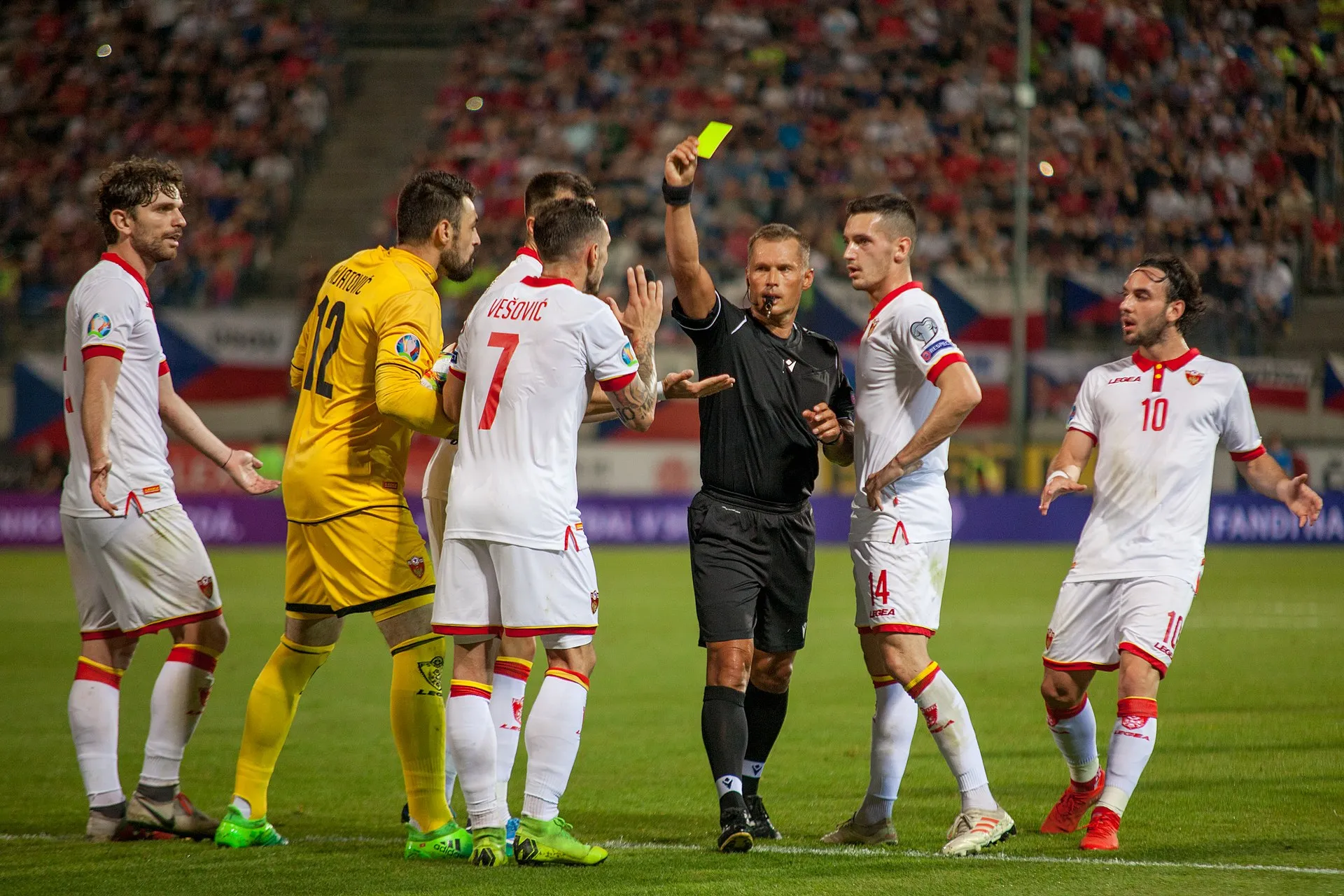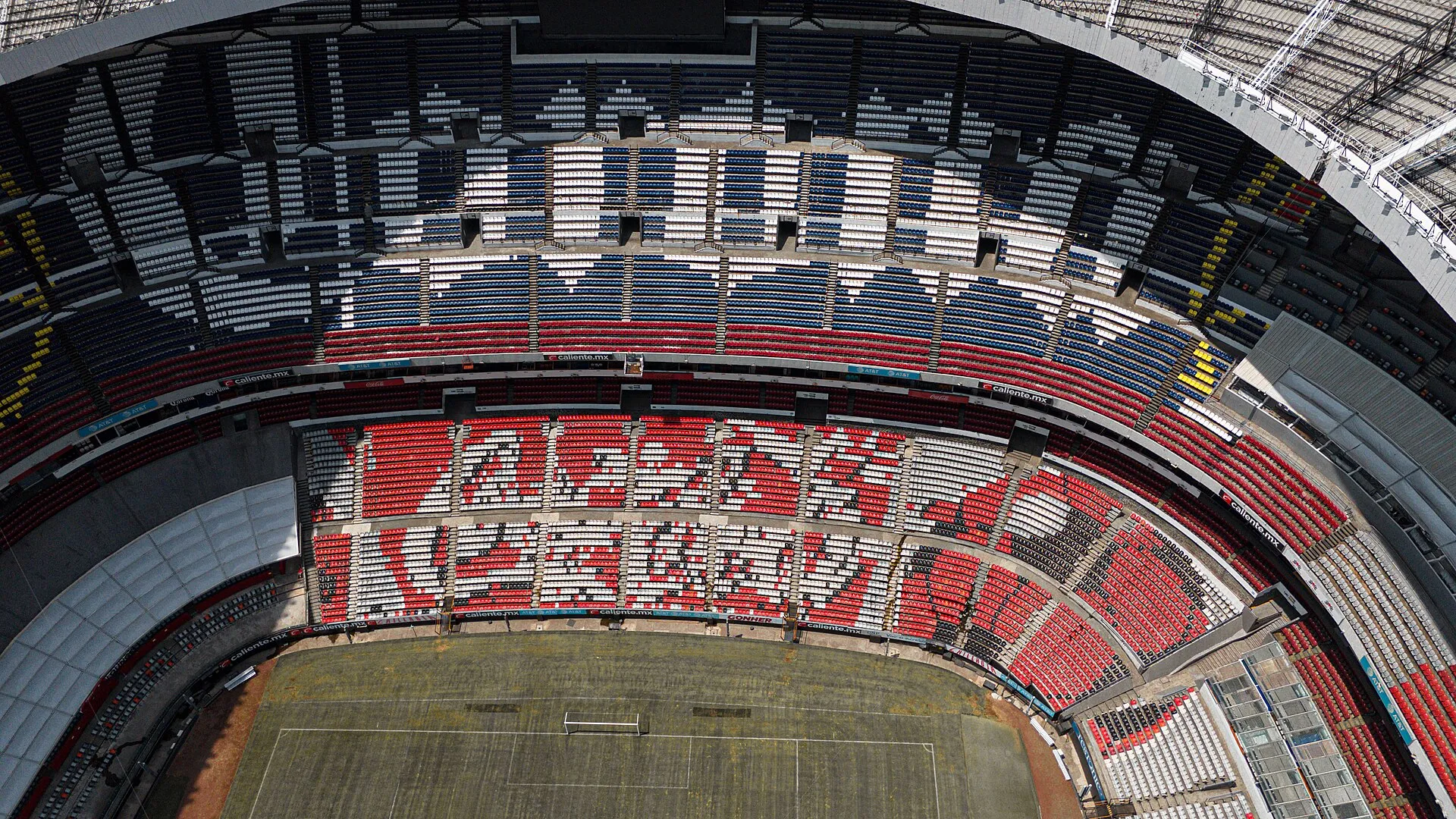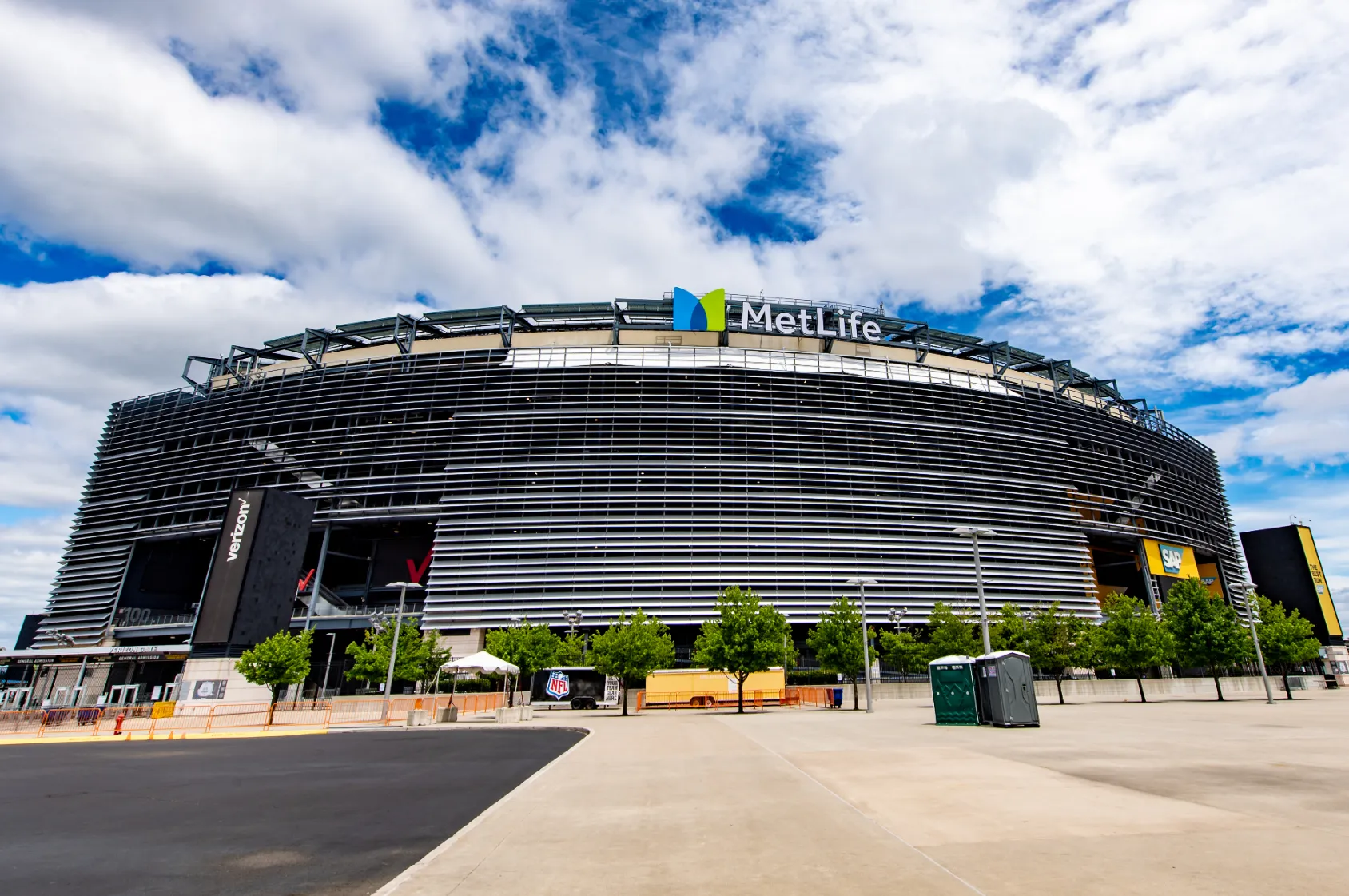
When the 2026 World Cup kicks off Thursday in Mexico City, it will be the largest in the sport’s history: 48 teams, 104 matches, and the United States hosting 78 of them, including the July 19 final at MetLife Stadium in New Jersey. America won the right to co-host by selling FIFA on a simple promise: come here, and bring the world with you. Then America spent the year making sure much of the world can’t come.
A travel ban that now covers 39 countries, tourist-visa suspensions, consular wait times measured in months, and an active war with Iran have combined to wall off exactly the global audience the tournament exists to gather. The athletes are exempt. The fans, mostly, are not. That is not a security policy with an unlucky side effect on soccer. For the showcase event the United States chose to host, it’s a self-inflicted wound, and the bill comes due in empty seats, diverted supporters, and a story the rest of the planet will tell about whether America actually wanted them here.
Who actually gets shut out
Start with the fans whose teams qualified and who still can’t follow them. Four nations in the field are caught by Trump’s travel restrictions: Haiti and Iran face full entry bans, while Côte d’Ivoire and Senegal face partial ones. The proclamation carves out an exemption for “any athlete or member of an athletic team,” their coaches and immediate relatives, so the squads play. But the State Department has acknowledged that only “a small subset of travelers” qualifies, which means ordinary supporters, journalists and sponsors from restricted countries are largely barred. The B-2 tourist visa, the document most fans would use, is off the table for them.
The restrictions didn’t arrive overnight, but they hardened as the tournament neared. The administration’s original June 2025 proclamation named 19 countries; in December it widened the list to 39, with 19 facing full visa suspensions and another 20 facing partial ones, and the additions taking effect January 1, 2026, barely five months before kickoff. The qualifying draw and the visa wall were tightening at the same time.
The result is surreal. Iran’s team will play its group-stage games on U.S. soil after FIFA confirmed its place and Trump waved it through, and Iranian fans will watch from home, because the same government that cleared the team has barred its citizens. Al Jazeera reported that a group of roughly 150 Ghanaian fans had their U.S. visa applications rejected last month; the application fee alone, about $185, is comparable to a month’s per-capita income there. Multiply that across the dozens of countries on the list and you get the picture: a “world” cup with large parts of the world legally excluded from the stands.
A visa wall even for the welcome
The ban is only the hard edge. Fans from countries facing no restrictions at all are running into a softer one. Many U.S. consulates have visa-interview wait times stretching months, and World Cup appointment slots fill almost as fast as they open. A supporter in a friendly country who decided in the spring to attend a June match may simply have run out of calendar. The bottleneck doesn’t discriminate by goodwill; it just quietly subtracts attendees the system can’t process in time.
The administration has made one genuine accommodation: in May it waived the visa “bonds” that ticket holders from certain countries might otherwise have owed to enter the country. That’s a real concession. It also doesn’t manufacture interview appointments, and it doesn’t touch the ban. Meanwhile Canada and Mexico, which together host 26 of the 104 matches, impose no equivalent restrictions, so fans who can’t clear the U.S. gate are rerouting to games across the borders instead. The tournament’s American leg becomes the part of the world’s party with a bouncer at the door.
The honest counterargument
There’s a fair case on the other side, and it deserves a straight hearing. The travel ban predates the World Cup; the underlying June 2025 proclamation is framed as a national-security and vetting measure, not a soccer policy. A sovereign country sets its own entry rules. And because the teams are exempt, the sporting competition itself is intact: the matches will be played, the trophy will be lifted.
All true. But the United States bid to host the world’s tournament knowing its own policy, and you don’t get to invite the planet and then treat the planet’s arrival as the problem. The “small subset” exemption language is the giveaway: the government understands perfectly well that fans are being excluded, and decided to host anyway. That’s a choice, not an accident, which means the consequences are owned, not merely suffered.
Why it matters beyond soccer
A World Cup is not only a sporting event; it’s a month-long advertisement for the host. With the opening match in Mexico City and the 2028 Los Angeles Olympics on the horizon, the United States is in the middle of a multi-year audition before a global audience. The thing being judged is openness: whether this is a country the world is welcome to visit.
There’s a concrete cost, too, beyond the symbolism. Visiting fans are the people who fill hotel rooms, restaurants and bars in the host cities for a month, and the ones who buy the most tickets to fixtures that don’t involve their home team. A tournament that turns away foreign supporters doesn’t just look less welcoming; it leaves money on the table in the very cities that lobbied to host. And the policy choices made now set the template for what comes next: the 2028 Los Angeles Olympics will test the same machinery, with the same banned-country list and the same consular backlog, on an even larger global stage.
Empty seats and diverted fans are the visible cost. The reputational one is bigger and lasts longer than any tournament. For years, the lasting image of America’s World Cup may not be a goal or a final whistle. It may be the supporters who saved for a once-in-a-lifetime trip, bought into the promise, and were told at the consulate window to stay home.
The teams will be on the field Thursday. The matches will go on. America asked for this tournament, and it can stage every game and still lose the thing it actually bid for: the picture of a country the world wanted to come see. You can host the world’s game. You cannot also tell the world to stay home and expect the stands to fill themselves in.
Sources 6 cited · 1 primary
- US visa rejections, war on Iran keep fans away from World Cup
- The U.S. Is Co-Hosting the World Cup, but Much of the World Can't Attend
- Iran and Haiti qualified for the World Cup but face U.S. travel bans, affecting fans
- What the Trump travel ban means for the 2026 World Cup and 2028 Olympic Games
- Foreign ticket holders from World Cup teams' countries won't have to pay bonds to enter U.S.
- Presidential Proclamation: Restricting the Entry of Foreign Nationals to Protect the United States
American Courant cites its sources and links to primary documents where they exist. How we report →