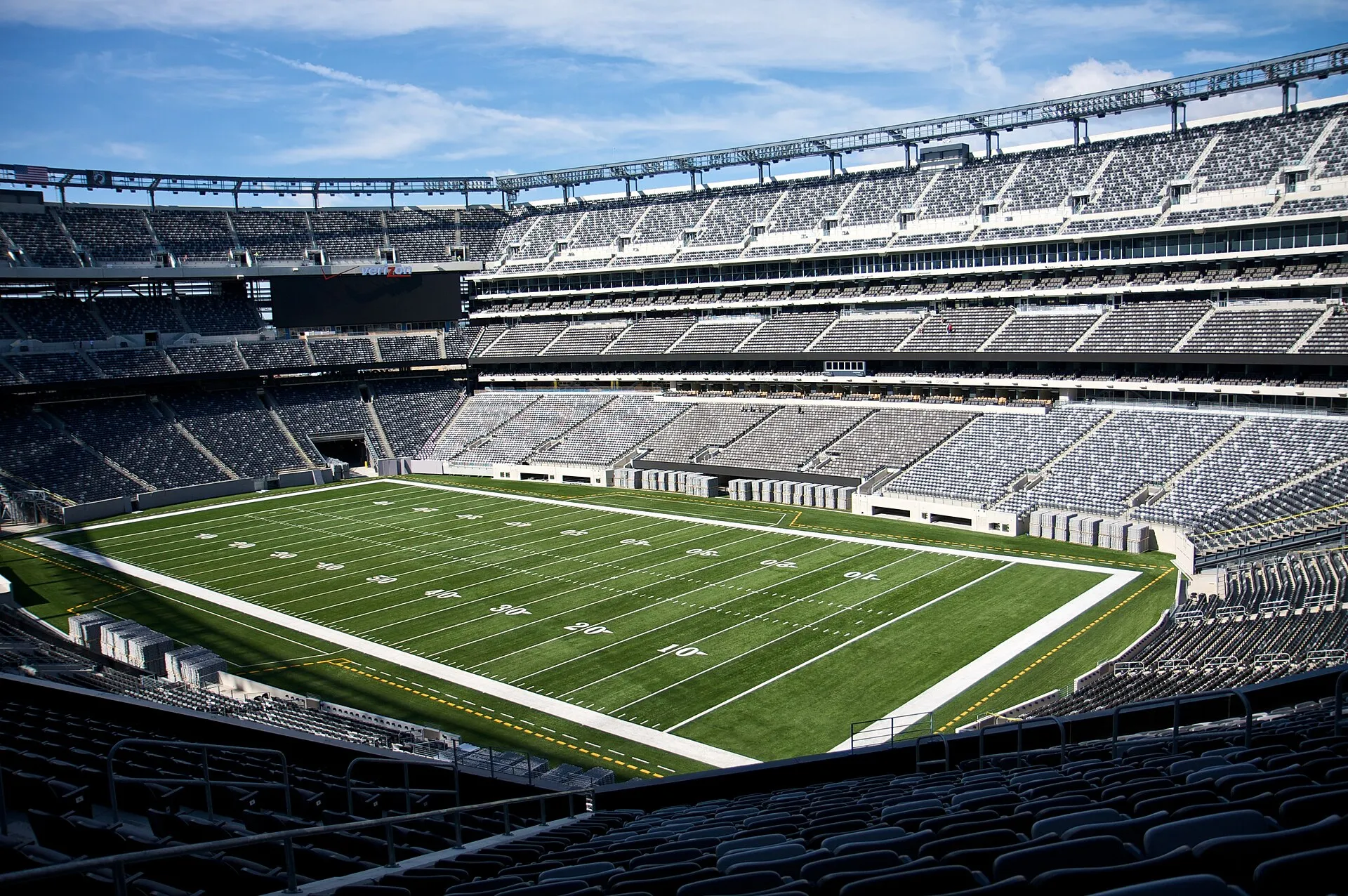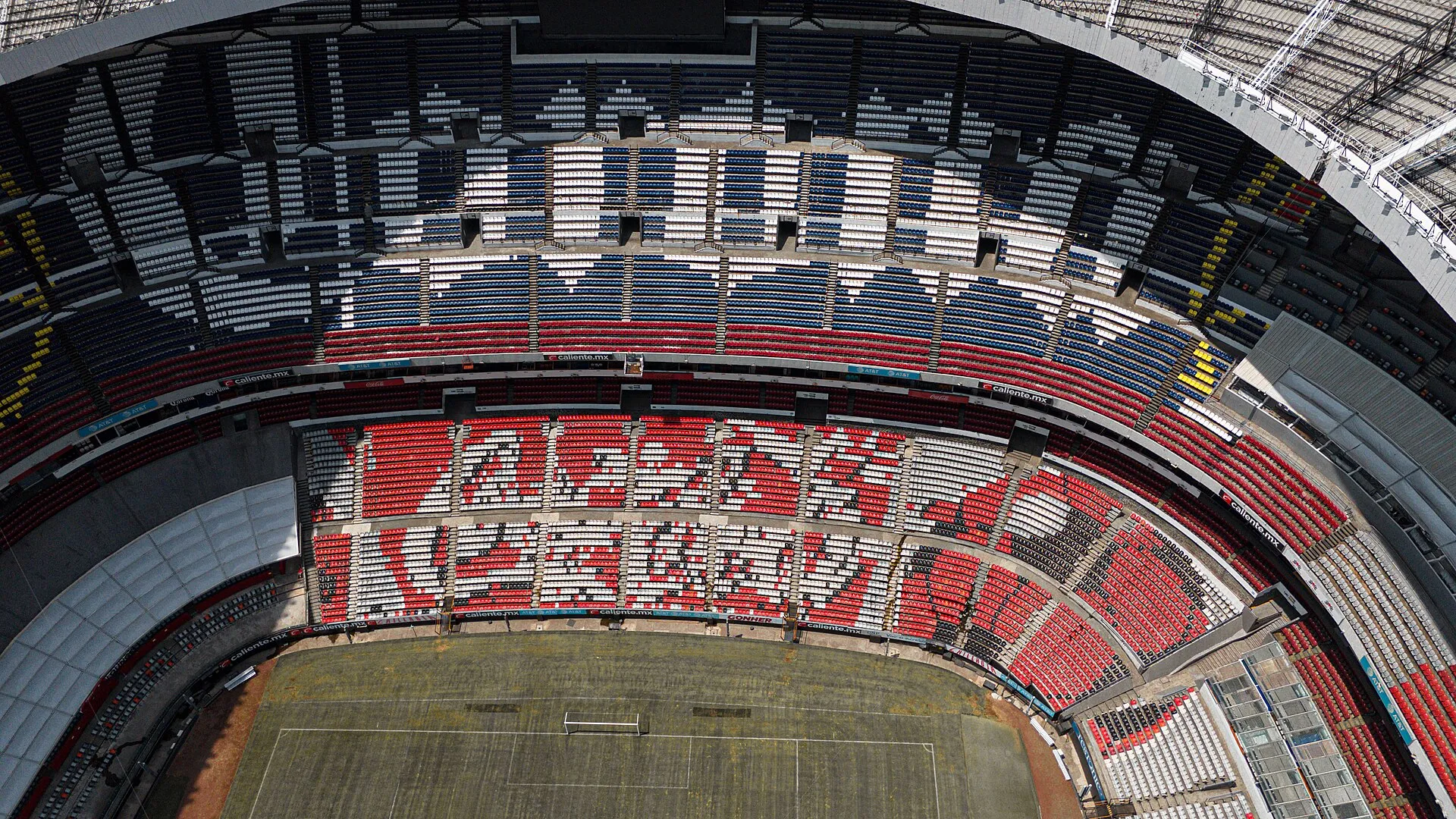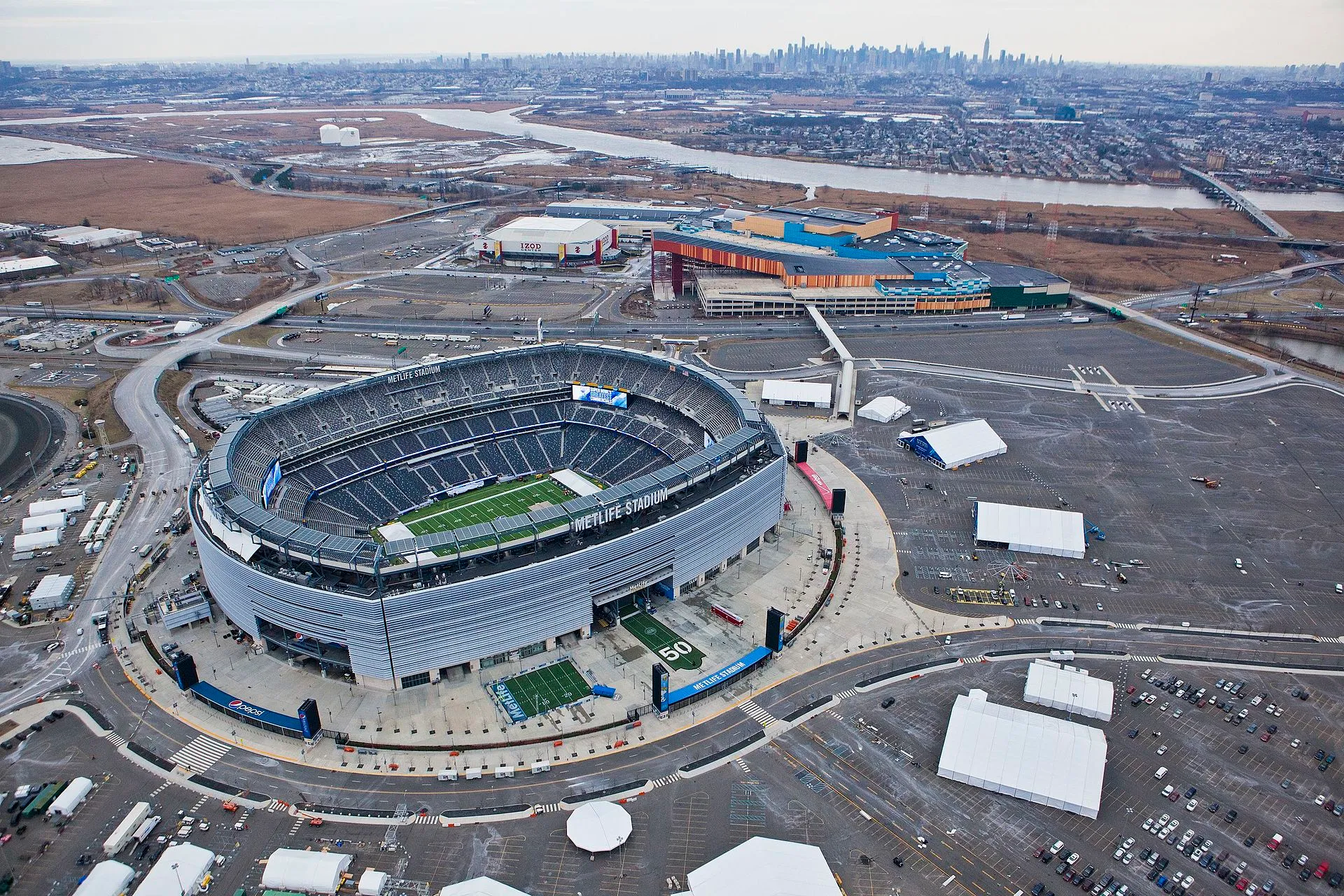
The 2026 World Cup is six days old, and its defining controversy is not a red card or an upset. It is a question of arithmetic: how can FIFA insist its matches are drawing record, near-capacity crowds when broadcast cameras keep finding stretches of empty seats?
The gap between what FIFA says and what viewers see has turned the tournament’s opening week into a dispute over credibility. After images circulated of sparse sections at the South Korea–Czech Republic match in Guadalajara and visible gaps in the stands during Canada’s 1-1 draw with Bosnia and Herzegovina, FIFA pushed back, defending its attendance numbers and blaming the optics on how fans move around the venue rather than on unsold tickets.
It is an unusual fight for the world’s most popular sporting event to be having in its first week — and it traces directly back to the way FIFA chose to sell the tickets.
What FIFA Is Claiming
FIFA’s position is that the tournament is a commercial blockbuster. In a press conference, FIFA President Gianni Infantino said the organization had “sold until today over 6 million tickets,” and described demand as “unprecedented … by a factor of 10 or more.” The body expects more than five million fans to attend across the tournament’s 104 matches in 16 host cities, a figure that would break the in-person attendance record set when the United States hosted in 1994.
Confronted with the empty-seat footage, FIFA drew a careful distinction between tickets sold and seats visibly occupied at any given moment. “Official attendance figures reflect the number of tickets scanned and spectators present within the stadium footprint, rather than visual assessments of seating occupancy at any given moment during the match,” the organization said in a statement. In plain terms: fans who bought tickets but were standing in concourses, waiting in concession lines or arriving late still count as present, even if their seats look empty on camera.
That explanation may be partly true. It is also self-serving, because it cannot be independently checked. “Tickets scanned” is a number only FIFA holds, and the public has no way to reconcile it against the rows of bare seats on its screens.
The Business Behind the Empty Seats
The more revealing story is why those premium sections may be going unsold or unused in the first place — and that is a story about pricing.
For the first time at a men’s World Cup, FIFA adopted dynamic pricing, the airline-and-hotel model in which the cost of a ticket floats with demand. Prices have ranged from about $60 for the cheapest group-stage seats to roughly $6,730 for the most sought-after matches. The approach was designed to capture maximum revenue, but it carries an obvious risk: price the best seats high enough and some of them simply will not sell, leaving expensive sections half-empty even as cheaper areas fill.
That risk was flagged before the tournament began. In May, the attorneys general of New York and New Jersey subpoenaed FIFA over its World Cup ticketing practices, citing the record prices that dynamic pricing produced. Critics have argued that FIFA holds a uniquely powerful position to set whatever prices it wants: no rival sells World Cup tickets, and there is no substitute product, so the normal market discipline that keeps prices in check does not apply.
The empty seats, in that reading, are not a contradiction of FIFA’s record-revenue claims. They are a byproduct of them. Squeezing the maximum price out of every seat and filling every seat are not the same goal, and this World Cup is exposing the difference in real time.
There is also a structural quirk in how the early matches were sold. Many group-stage games pair smaller national teams in some of the largest stadiums in North America — venues built for 60,000 or more — so even a strong turnout can leave whole upper tiers visibly bare. Dynamic pricing magnifies the effect: when the cheapest seats sell first and the priciest sit unsold, the gaps tend to cluster in the premium sections the cameras frame most often. The optics problem and the pricing strategy are, in that sense, the same problem viewed from two angles.
Why Fans Are Paying Attention
For supporters, the dispute lands on a sore spot. Many have spent the past year watching ticket costs climb out of reach for the kind of traveling fan who has long defined the World Cup’s atmosphere. The visible empty seats — often in the most expensive areas — read to those fans as proof that pricing decisions kept real supporters out while corporate and premium inventory went unused.
That frustration has spilled into politics. Petitions and public pressure have called on FIFA to abandon dynamic pricing; in one widely reported example, New York mayoral candidate Zohran Mamdani urged FIFA to reverse the policy, cap resale prices and reserve a share of tickets for local residents at a discount. Whether or not those demands go anywhere, they reflect a broader sense that the tournament’s pricing has prioritized revenue over the fans who give the event its energy.
There is also a competitive dimension fans notice. A stadium that looks half-full on television undercuts the spectacle FIFA is selling to sponsors and broadcasters, and a flat atmosphere can affect the players on the field. The opening run of matches, which included the tournament’s kickoff at a packed Estadio Azteca in Mexico City, set a standard that the patchier crowds elsewhere have struggled to match.
What Changes Now
FIFA has shown no sign of adjusting its pricing model mid-tournament, and with the group stage still unfolding, the organization is betting that knockout-round demand will fill the seats that early matches left bare. The deeper the tournament goes, the more likely marquee fixtures are to sell out at any price, which could quiet the empty-seat narrative on its own.
But the credibility question will not disappear as easily. By defining attendance as tickets scanned rather than seats filled, FIFA has chosen a metric that protects its record claims while ensuring the dispute cannot be settled by anyone outside the organization. As long as the cameras keep finding empty rows, the gap between FIFA’s numbers and the public’s eyes will remain the tournament’s most persistent storyline off the field.
What Comes Next
The World Cup runs through July 19, and the attendance debate will track the schedule. Group-stage matches between smaller nations in larger stadiums are the most exposed to visible gaps; the latter rounds, concentrated in the biggest U.S. venues, are the ones FIFA is counting on to deliver the full houses its marketing promised.
The legal pressure is the variable to watch. The New York and New Jersey subpoenas remain open, and how FIFA answers questions about its pricing and attendance accounting could shape not just this tournament’s reputation but the template for how the sport’s biggest event is sold the next time it comes to North America.
Sources 6 cited · 1 primary
- Attorney General James and Attorney General Davenport Subpoena FIFA Over World Cup Ticketing
- FIFA backs official World Cup attendance figures despite rows of empty seats
- FIFA says World Cup games almost at full capacity, empty seats cast doubt
- No empty seats, FIFA says amid attendance dispute
- The ticket price fiasco for the men's FIFA World Cup has been a spectacular own goal
- Zohran Mamdani demands FIFA reverse dynamic pricing for 2026 World Cup, reserve tix for locals
American Courant cites its sources and links to primary documents where they exist. How we report →