The United States men’s national team walked into its second home World Cup match missing the player it has leaned on for a decade, and walked out with a result that has eluded American soccer for nearly a century. The U.S. beat Australia 2-0 in Seattle on Friday without the injured Christian Pulisic, clinched a place in the knockout round with a game to spare, and — once results elsewhere fell into place — won Group D outright.
It was, by the program’s own modest standards, a landmark night. The win was the United States’ second in a row at a World Cup, something the American men had not managed since 1930, the very first edition of the tournament. A crowd of 66,925, heavily American and loud from the opening whistle, watched a team that has spent years promising more finally string together the kind of run a host nation is supposed to produce.
The victory means the U.S. has already done what it came to do in the group stage. It will play its round-of-32 match on July 1 in Santa Clara, California, and because it topped Group D rather than scraping through, it lands on what is, on paper, the friendlier side of the bracket.
No Pulisic, No Problem
The story before kickoff was who would not play. Pulisic, the captain and the most important attacking player the U.S. has, was ruled out with a nagging left calf injury he picked up the previous Friday. For a team whose biggest games have so often run through him, his absence read as a real test rather than a footnote.
It did not play out that way. Head coach Mauricio Pochettino started Ricardo Pepi on the left in Pulisic’s place and asked the rest of the side to absorb the load, and the U.S. controlled the match without its talisman. The opening goal arrived in the 11th minute and carried an Australian fingerprint: striker Folarin Balogun whipped in a cross, and Australia defender Cameron Burgess turned it into his own net under pressure. Just before halftime, Alex Freeman doubled the lead, finishing off a Sergiño Dest shot that deflected its way to him in the 43rd minute.
Freeman, a young defender who entered the tournament as a depth option, was named among the standout performers, with ESPN handing him a 7-out-of-10 match rating for a display that helped shut Australia out. Pochettino, who spent the spring daring his squad and his country to expect more, kept his postmatch verdict simple. “We build the victory in our attitude,” he said.
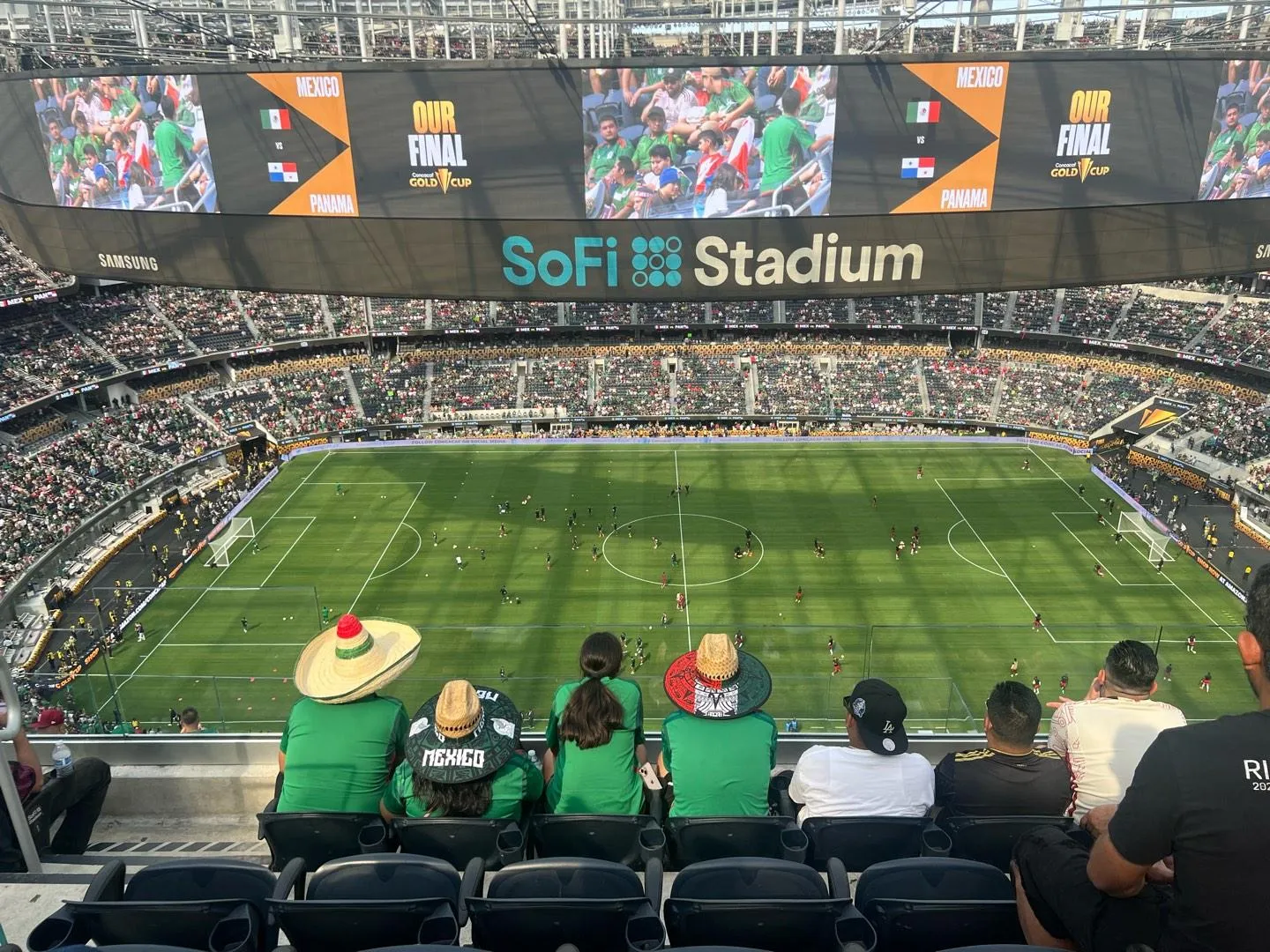
The clean sheet mattered as much as the goals. Australia, a disciplined and physical side, never found a clear path back into the game, and the U.S. saw it out without the late wobble that has undone American teams in tournaments past. It was the second straight controlled performance after their 4-1 demolition of Paraguay at SoFi Stadium in the opener — two wins, six goals scored, one conceded.
How the Group Fell the Americans’ Way
The knockout berth was secure the moment the final whistle blew, but the group title needed a second result. Later on Friday, Türkiye failed to beat Paraguay, and that combination of outcomes handed the United States first place in Group D. Topping the group is not a cosmetic distinction. Group winners are routed into a softer corner of the knockout bracket, and the U.S. round-of-32 opponent — a third-place finisher from another group, still to be determined — is the kind of draw a host nation wants.
For a tournament the U.S. is co-hosting with Mexico and Canada, the difference between surviving the group and winning it shapes the entire month ahead. A team that wins its group keeps home crowds engaged, sells the bracket as a real run rather than a brief cameo, and buys itself a more favorable path toward the latter rounds. The U.S. has now given itself all of that with a match still to play in the group stage, an unfamiliar position of comfort.
The atmosphere has been part of the story too. The 66,925 who filled the Seattle stadium turned the match into a home event in a way American soccer rarely gets to enjoy, a contrast with the empty seats and attendance disputes that have dogged other corners of the tournament. When the host nation is winning and the building is full, the World Cup feels like the cultural event organizers promised; when it isn’t, the gaps in the stands tell their own story.
Why the Country Is Paying Attention
American men’s soccer has spent decades as a sport that flickers into the national conversation every four years and then recedes. The 2026 tournament was always going to be different simply because the games are here, but a team that loses early can squander a home World Cup as quickly as a team that wins can seize it. Two matches in, the U.S. has chosen the second path.
What makes the moment land culturally is the manner of it. The team did not survive on a fortunate bounce or a single star bailing it out — it won comfortably, twice, and the second time without that star at all. That is the kind of result that pulls in casual viewers who do not follow qualifiers or friendlies, the audience a home World Cup is built to capture. Back-to-back World Cup wins for the first time since 1930 is the sort of historical marker that travels beyond the soccer pages and into the broader sports conversation.
There is also the figure of Pochettino, a high-profile manager hired to drag expectations upward, now able to point at the scoreboard instead of the locker room. His “why not us?” framing in the build-up sounded like bravado when the team had won nothing. Through two games, with a group title in hand and a star player rested for the knockouts, it sounds closer to a plan.
What Comes Next
The immediate calendar runs through July 1 in Santa Clara, where the U.S. will face a yet-to-be-named third-place qualifier in the round of 32. The most pressing question between now and then is Pulisic’s calf. A captain held out of a group finale with qualification already locked is a captain being protected for the knockout round; whether he is fit and sharp by July 1 will shape how far this run can go.
The U.S. still has its final group match to play, but with first place secured, Pochettino can treat it as a chance to rest legs and manage minor knocks rather than a must-win. For a program used to sweating every result, that is the luxury this week bought. The harder tests are still ahead — knockout soccer is unforgiving, and a single bad night ends everything. But for the first time in a long time, the U.S. men have given their home country a reason to keep watching deep into the summer.
Sources 5 cited · 1 primary
- USA vs. Australia (Jun 19, 2026) — Match Result, knockout-stage report
- No Pulisic, no problem: U.S. tops Australia 2-0 in World Cup despite missing its star
- USA defeats Australia 2-0 to advance to knockout round despite Christian Pulisic absence
- USMNT clinch World Cup knockout round with 2-0 win over Australia
- USMNT player ratings: Surprise star Freeman's 7/10 performance stonewalls Australia
American Courant cites its sources and links to primary documents where they exist. How we report →