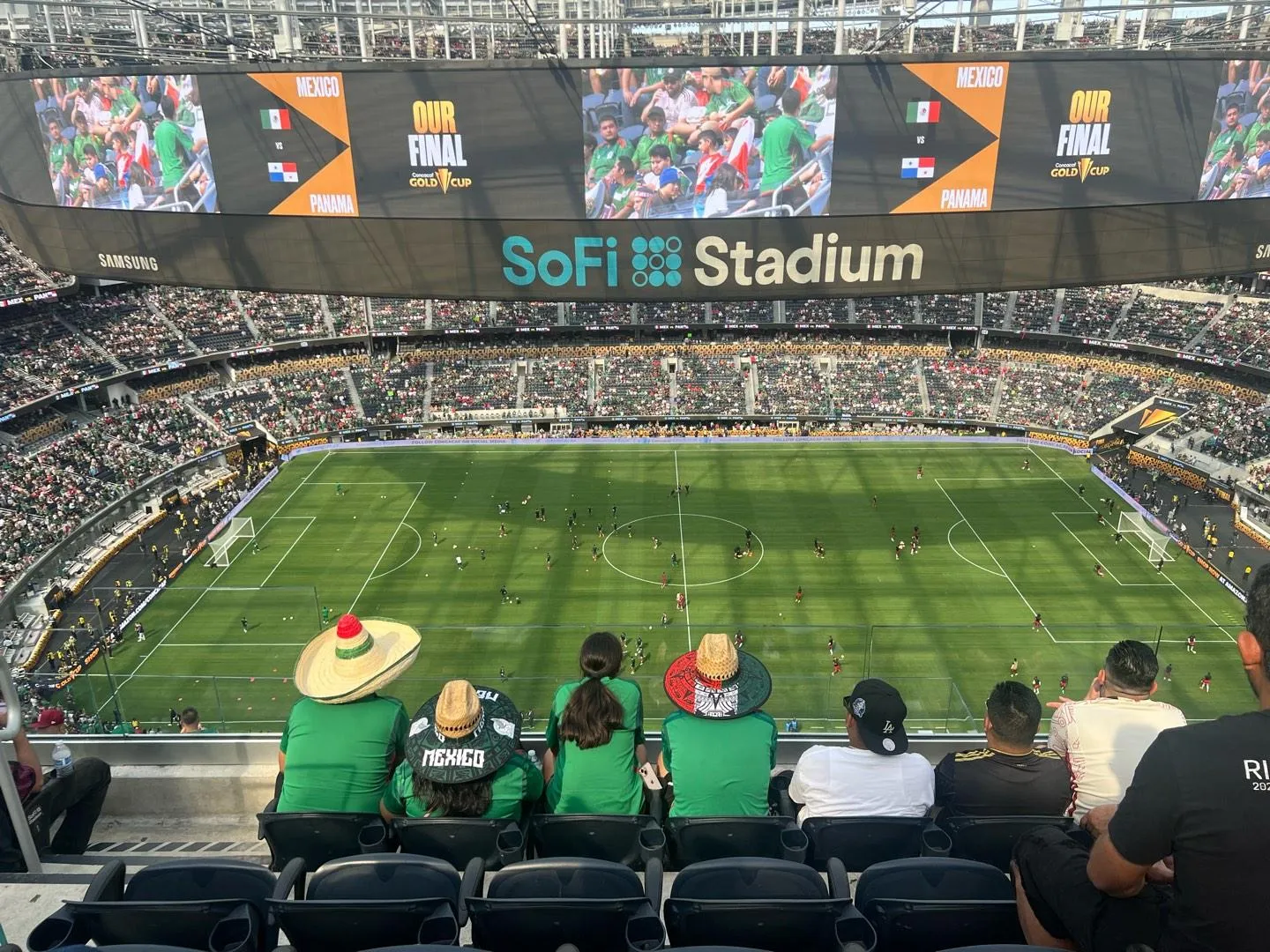
The United States needed seven minutes to take the lead in its home World Cup, and a single first half to do something it had never done in nearly a century of trying. By the time the whistle blew at SoFi Stadium on Friday night, the U.S. men had beaten Paraguay 4-1, scored four goals in a World Cup match for the first time in the program’s history, and given a sold-out crowd in Inglewood the kind of opening night American soccer has spent decades waiting for.
It was the first World Cup match played on U.S. soil since 1994, and the hosts treated it like a statement rather than a ceremony. Folarin Balogun scored twice before halftime, an own goal opened the floodgates, and Giovanni Reyna added a stoppage-time flourish to finish a result that was effectively decided by the break. The margin was the widest the United States has produced at a World Cup since 1930, the first edition of the tournament.
For a team that arrived under a manager who spent the spring daring his players and his country to believe, the night answered the question he kept asking. “Why not us?” head coach Mauricio Pochettino had pressed in the run-up. Ninety minutes at SoFi made the case better than any speech could.
A First Half That Got Away From Paraguay
The opening goal came in the seventh minute and carried Paraguay’s fingerprints on it. Pressure from the American front line forced a scramble in the box, and the ball ended up in Paraguay’s own net off defender Damián Bobadilla — an own goal that set the tone and loosened a crowd that had been waiting all week for a reason to roar.
Balogun made it 2-0 in the 31st minute, finishing a move that ran through Christian Pulisic, who tormented the Paraguayan back line for long stretches. The striker’s second arrived deep into first-half stoppage time, in the 45th-plus-fifth minute, this time set up by midfielder Tyler Adams. Three goals, one half, and a 3-0 lead that left Paraguay with no clean way back into the match.
Pulisic, who has carried the weight of American expectations for the better part of a decade, was blunt about how it felt afterward. “All in all, just an incredible start,” he told reporters. The performance was the kind of all-around display — pace on the flanks, control in midfield, ruthless finishing — that the U.S. has flashed in qualifying and friendlies but rarely strung together on the sport’s biggest stage.
Paraguay finally answered in the 73rd minute, a consolation goal that briefly quieted the home crowd without threatening the outcome. The U.S. had the final word in the eighth minute of second-half stoppage time, when Reyna struck from distance to make it 4-1 and send SoFi into one more eruption before the players left the field.
Balogun’s two goals carried their own subplot. The striker came through Arsenal’s academy and was eligible for England, but chose to commit to the United States in 2023 — a decision that drew skepticism when his early international form was uneven. On the night the U.S. most needed a finisher, he delivered a brace on the World Cup stage, the kind of performance that tends to settle a long-running debate over a player’s ceiling.
A Record That Stood for Nearly a Century
The U.S. men had never scored four goals in a World Cup match before Friday — not in 1930, not in 1994, not across any of the tournaments in between. Three had been the ceiling. Breaking it on home soil, in the first home World Cup match since the country last hosted in 1994, gave the night a historical weight beyond the three points.
That 1994 tournament is widely credited with seeding the modern American game; Major League Soccer launched two years later, and a generation of players has since come up through a deeper, more competitive domestic system. The contrast with Friday was the point. This was not the cautious, counter-punching U.S. side that has shown up at past World Cups hoping to steal a result. It was a host nation playing like one.
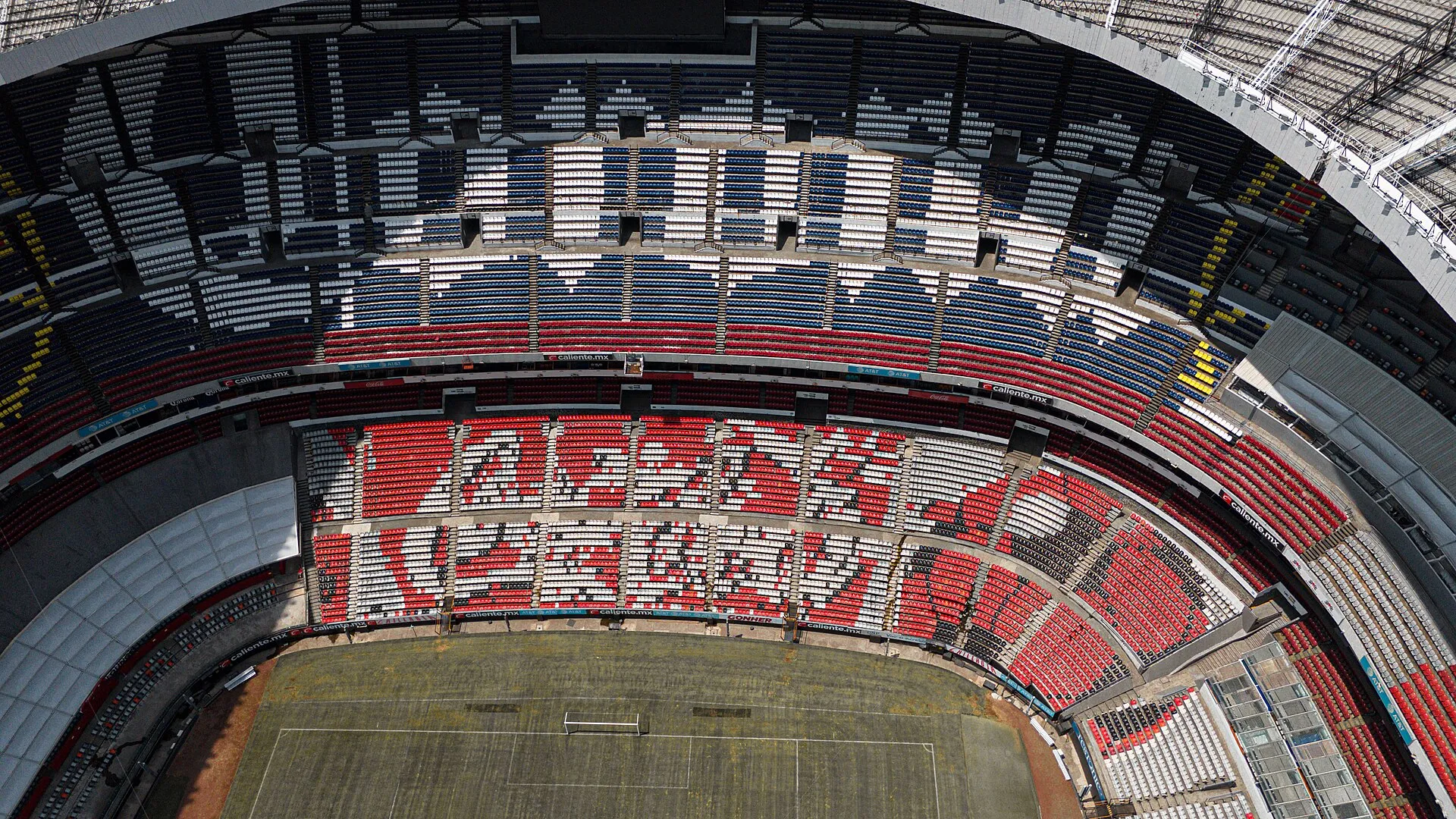
The tournament itself had already kicked off days earlier at Estadio Azteca in Mexico City, the opening match of the first World Cup spread across three countries and 48 teams. But for American fans, Friday was the real beginning — the first time the home team took the field in a competition that will run for more than a month across 16 host cities, 11 of them in the United States.
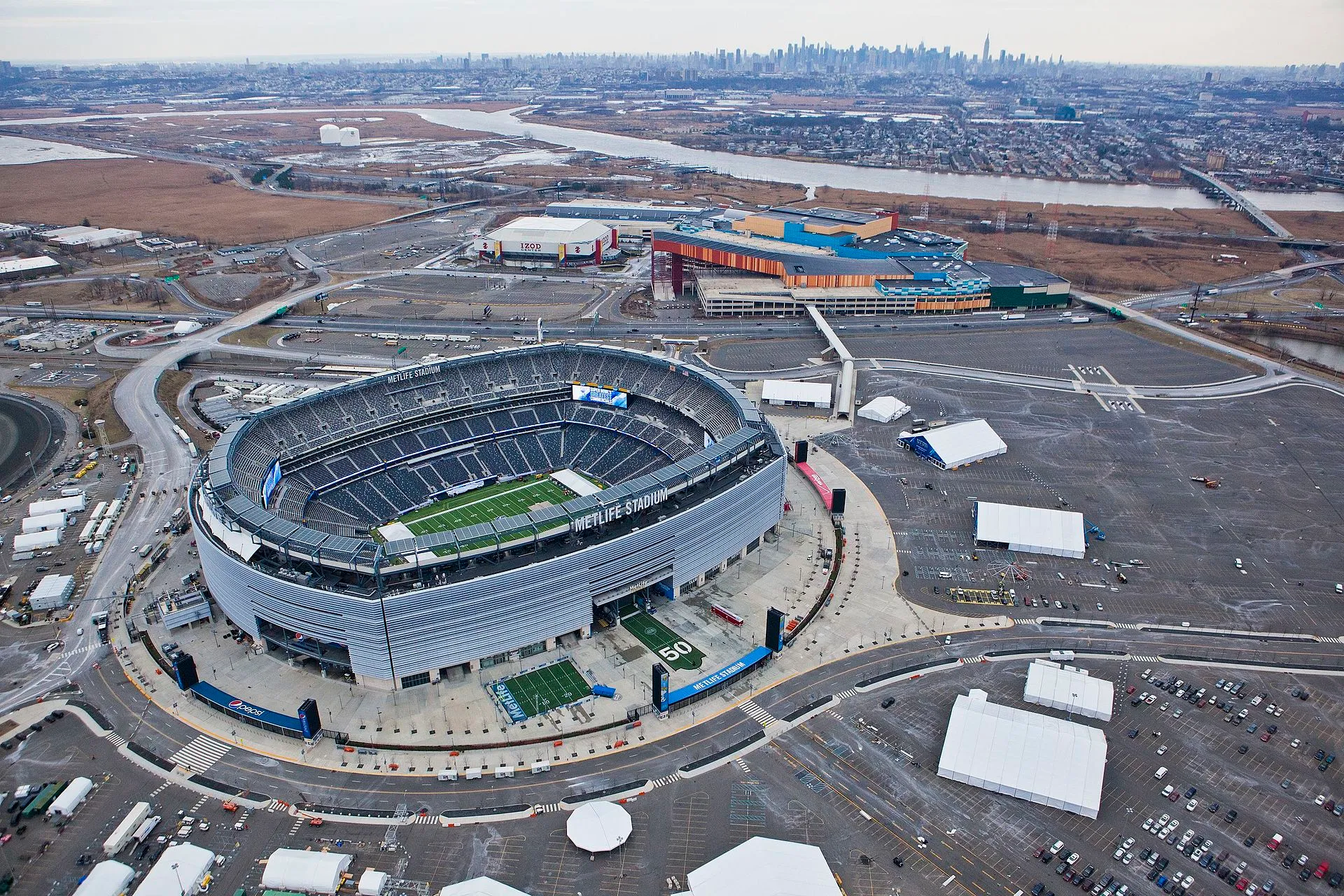
The buildup had not been free of friction. The cost of attending drew enough scrutiny to pull FIFA into a subpoena fight over ticket pricing in New York and New Jersey, and there were real questions about whether some foreign fans would be able to get into the country at all. None of that was visible inside SoFi on Friday, where the configuration for soccer brought the venue’s World Cup capacity to roughly 69,650 and the stands filled with a partisan home crowd.
What Changes Now
One win does not settle a group, and Pochettino’s side still has work to do to reach the knockout rounds. The U.S. sits in Group D, and the path forward runs through two more matches that will decide whether Friday was a launching point or a high-water mark.
The next test comes June 17 against Australia at Lumen Field in Seattle, a 3 p.m. ET kickoff that moves the team to the Pacific Northwest and a different kind of home crowd. The group stage closes June 25 back at SoFi against Turkey, a 10 p.m. ET match that could determine seeding for the round of 32. Win or draw against Australia and the math gets simple in a hurry; the four-goal cushion in goal difference from Friday is the kind of margin that can decide tiebreakers in a tight group.
The expanded format gives the U.S. more margin for error than past tournaments did. With 48 teams split into 12 groups of four, the top two from each group advance to a new round of 32, joined by the eight best third-place finishers. A team that wins its opener by three goals has effectively banked both points and goal difference, the two currencies that matter most when those third-place spots are sorted out. It is a cushion Pochettino — the Argentine hired in 2024 after stints managing Tottenham, Paris Saint-Germain and Chelsea — will want to protect rather than spend.
The bigger shift is harder to measure. A host nation that opens its tournament with a dominant, record-setting win changes the temperature around the team — for players, for a manager who spent months insisting belief was the missing ingredient, and for a casual American audience that tends to arrive late and stay only if there’s a reason. Friday gave them one. Whether the U.S. can hold it depends on what happens in Seattle and at SoFi over the next two weeks, but for one night in Inglewood, the home World Cup started exactly the way the hosts wanted it to.
Sources 6 cited · 1 primary
- USA 4-1 Paraguay (Jun 12, 2026) — Match Result and Box Score
- The U.S. dazzles in its World Cup opener, dominating Paraguay 4-1
- USMNT vs. Paraguay score: USA start World Cup with dominant 4-1 behind two Folarin Balogun first-half goals
- USA Makes History With Its First Four-Goal Performance At Men's World Cup
- See the full U.S. men's soccer schedule for the 2026 World Cup
- Pochettino: Time for speeches is over ahead of U.S. World Cup opener
American Courant cites its sources and links to primary documents where they exist. How we report →