A week before the world’s largest sporting event arrives on American soil, the story dominating the run-up isn’t a team, a player, or a draw. It’s the price of getting in the door.
FIFA’s decision to sell 2026 World Cup tickets using dynamic, demand-based pricing — a first for the tournament — has pushed costs to record highs, infuriated fans who waited years for the event to come to North America, and triggered a formal investigation by the attorneys general of New York and New Jersey. The two officials have subpoenaed FIFA over how it priced, sold, and reassigned seats at the stadium slated to host the July 19 final. With the opening match set for June 11, the controversy has become the tournament’s first scandal, and it is unfolding off the field.
The fight matters beyond soccer. The 2026 World Cup is the biggest edition ever staged — 48 teams, 104 matches, 16 host cities across the United States, Mexico, and Canada, with the U.S. alone hosting 78 games. It was sold to American sports fans as a once-in-a-generation chance to see the world’s game in their own backyards. The question now hanging over the buildup is who, exactly, will be able to afford a seat.
How the Prices Climbed
The mechanism behind the backlash is one American consumers already know from booking flights: prices that move in real time with demand. For the first time, FIFA abandoned fixed face values and let World Cup ticket costs float, climbing as interest surged for marquee matches.
The result was steep and broad. Between October 2025 and April 2026, FIFA raised prices for more than 90 of the tournament’s 104 matches, with the three main ticket categories rising an average of 34%, according to figures cited in the New York and New Jersey investigation. The most expensive seats for the final were initially listed at $6,730 — already well above the roughly $1,600 top price at the 2022 World Cup in Qatar — and by the spring sales windows the same category had reached $10,990. Even an upper-tier seat to the U.S. men’s national team’s opener against Paraguay was running close to $1,940 in May.
Those are face prices from FIFA’s own platform, before the resale market. On secondary sites, tickets for some matches have appeared for thousands of dollars more, and observers tracking the listings have flagged entire rows and large contiguous blocks of seats showing up at once — a pattern that suggests bulk inventory moving through third-party channels rather than individual fans reselling spares.
FIFA President Gianni Infantino has defended the approach, framing the higher prices as an adjustment to the North American market, where major sports and concerts routinely use demand-based pricing. That argument has done little to quiet the criticism, in part because the World Cup has long marketed itself as a tournament for ordinary supporters, not just corporate hospitality buyers.
Why Two States Subpoenaed FIFA
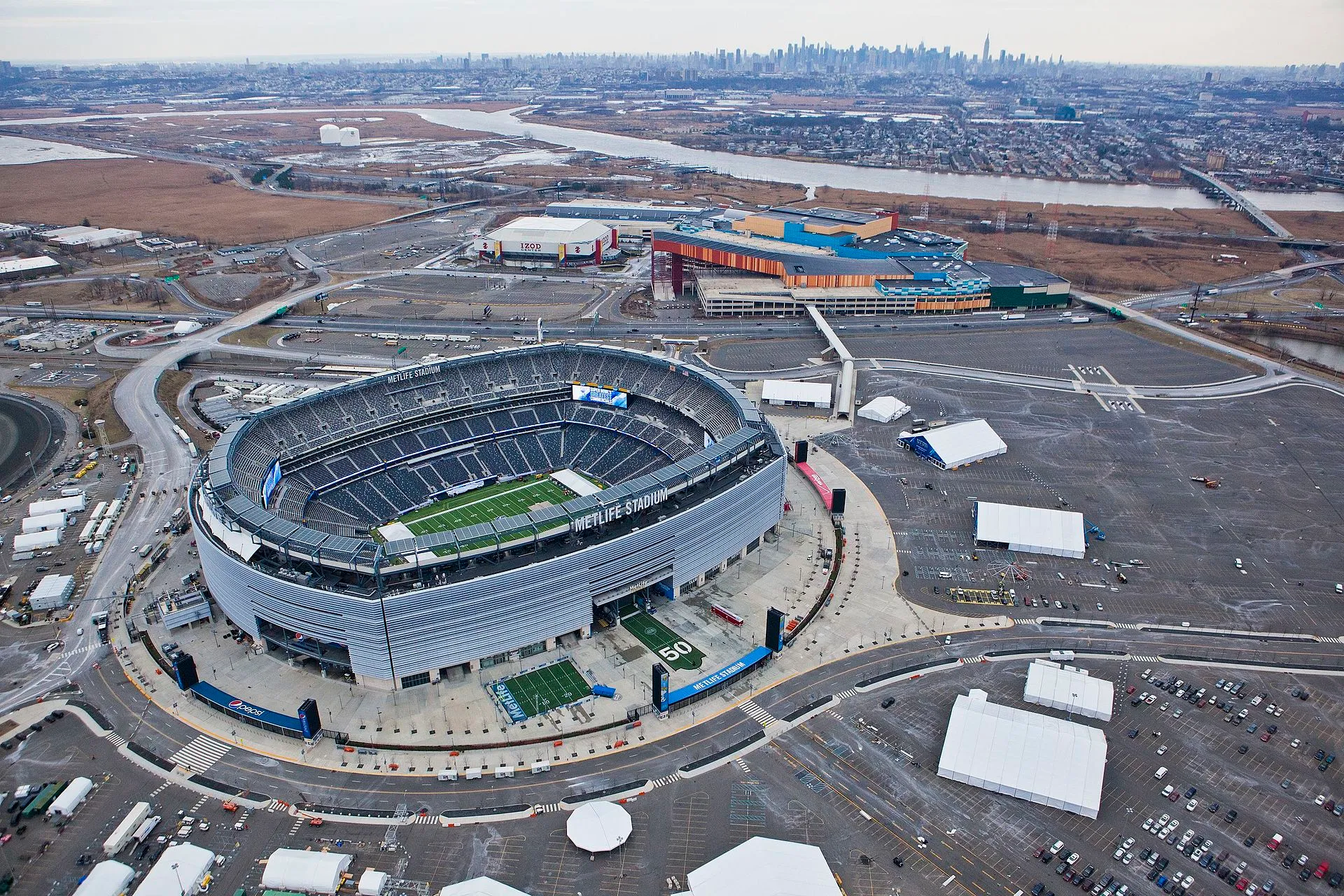
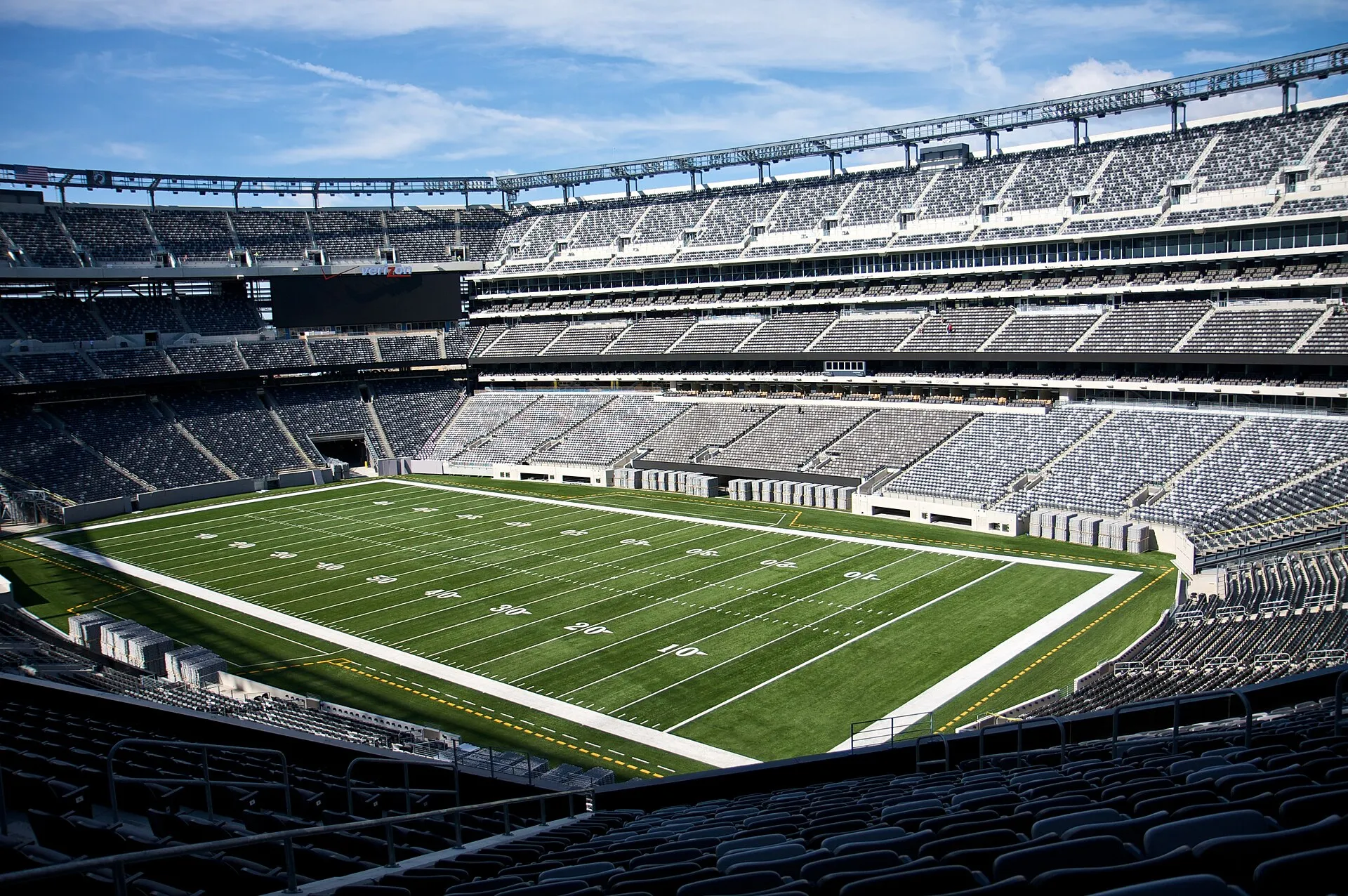
On May 27, New York Attorney General Letitia James and New Jersey Attorney General Jennifer Davenport jointly announced subpoenas demanding documents from FIFA about its pricing and seating practices. Their focus is MetLife Stadium in East Rutherford, New Jersey — renamed New York New Jersey Stadium for the tournament — which will host the final and sits in both officials’ shared metropolitan jurisdiction.
The investigation centers on two grievances. The first is price: the regulators want to know whether fans were steered toward inflated costs through what Davenport called “fake scarcity.” The second is arguably more concrete. After ticket sales began, officials say, FIFA changed the stadium’s zone maps, creating new seating categories and adding a front section in each tier. Buyers who thought they had purchased seats in a particular zone were, in some cases, excluded from those seats and reassigned to less desirable locations — far from the field or behind the goals — without a clear remedy.
“New Yorkers have been waiting years for the World Cup to come to their backyard, and they deserve a fair shot at affordable tickets,” James said in announcing the subpoena. “No one should be manipulated into paying sky-high prices for seats, and fans should be able to trust that the tickets they purchased will be the ones they receive.”
Davenport was blunter about the stakes. “Being honest about ticket sales is not complicated,” she said. “But FIFA has turned buying a ticket to the World Cup into a gauntlet of confusion, fake scarcity and impossibly high prices. It is an honor to host the World Cup, but the event is not an invitation to exploit our residents and visitors.”
A subpoena is an investigative step, not a finding of wrongdoing, and FIFA has not been charged with violating any law. But the move puts a global sports body under the scrutiny of two U.S. consumer-protection regulators just as its showcase event reaches the cities they oversee.
What’s Really at Stake for Fans
The deeper issue is what dynamic pricing does to an event that has always sold itself as universal. Demand-based pricing is efficient for sellers: it captures the maximum a buyer is willing to pay and squeezes out the gap between face value and resale that scalpers usually pocket. But it also pushes the cost of access toward whoever can pay the most, in real time, which tends to mean corporate buyers and wealthier fans rather than the supporters who plan trips months ahead on a fixed budget.
That tension is sharpened by timing. American households are already navigating stubborn prices on the basics, with shoppers trading down to discount retailers as budgets tighten. Against that backdrop, a four-figure ticket to a single group-stage match reads less like a splurge than an impossibility for most families — and that is the gap between the World Cup’s populist branding and its checkout page that has driven the anger.
There is also a credibility cost for FIFA at a moment when it can least afford one. The organization spent years promoting the 2026 tournament as a celebration that would knit together three host nations and pull in casual American fans who don’t normally follow soccer. A pricing model that leaves seats visibly empty, or fills them only with resellers and sponsors, undercuts that pitch. As Fortune noted in early June, dynamic pricing aimed at maximizing revenue can backfire when it prices out the very fans whose noise and color make the broadcast worth watching.
The ticket fight is not the only off-field cloud over the opener. In Mexico City, where the tournament kicks off, a teachers’ strike has paralyzed parts of the capital and threatened the inauguration itself — a reminder that staging an event of this scale across three countries means absorbing each host’s politics along with its crowds.
What Comes Next
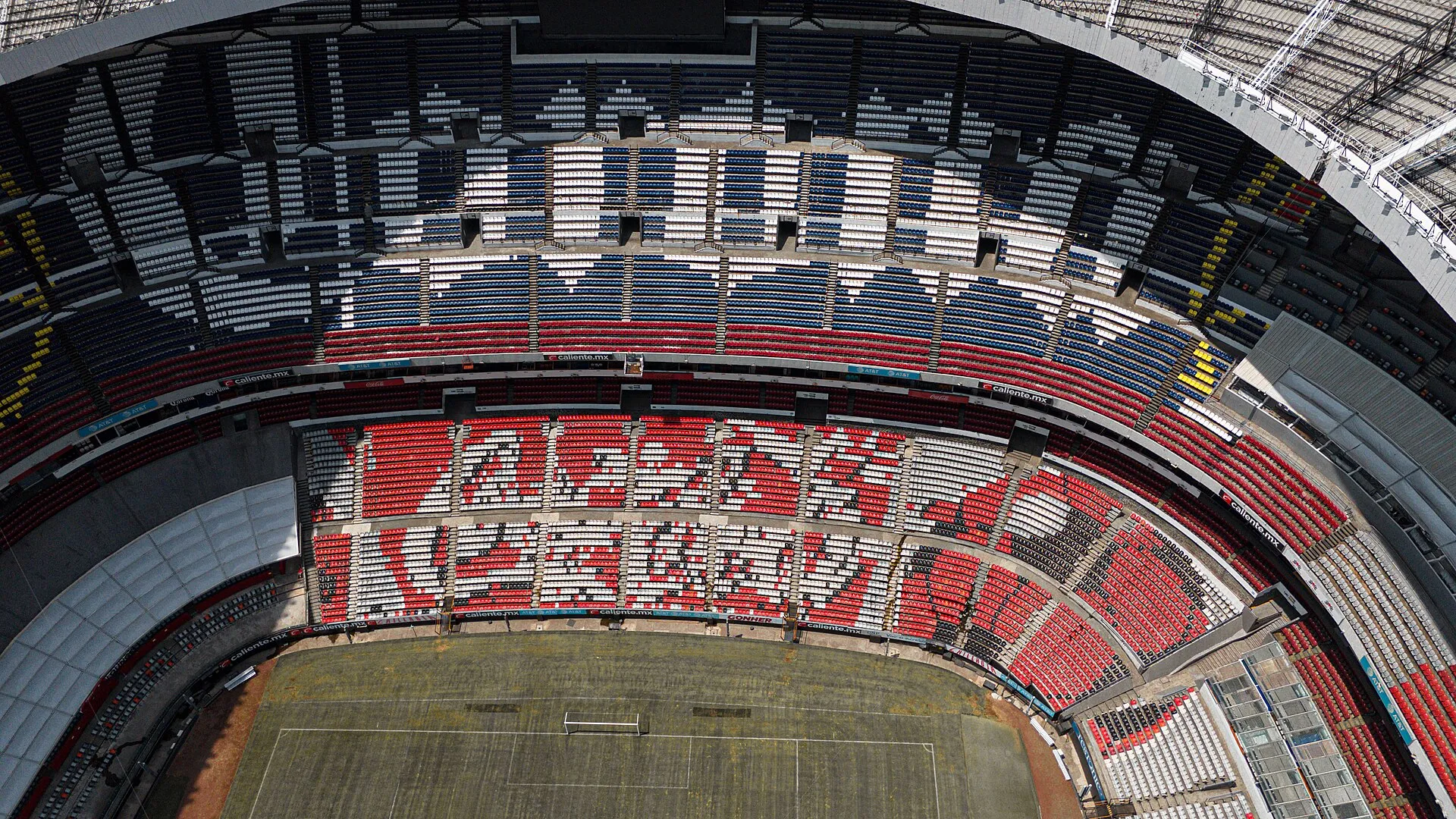
The tournament will go ahead on schedule. Mexico opens against South Africa on June 11 at Estadio Azteca in Mexico City; Canada begins June 12 in Toronto; and the United States plays Paraguay later that day in Los Angeles. The knockout rounds start June 28, and the final is July 19 at the New Jersey stadium now at the center of the pricing probe.
What’s unresolved is whether the investigation forces any change before then. The New York and New Jersey attorneys general have asked FIFA for records on its pricing and seat-assignment decisions, and the organization will have to respond. FIFA could adjust how it handles the disputed seat reassignments, offer remedies to affected buyers, or simply weather the criticism through the month-long tournament. More than five million of an expected six-million-plus tickets had already sold by late spring, which gives the organization little financial incentive to retreat — even as the question of who fills those seats becomes part of the story the tournament tells about itself.
For now, the most-watched scoreboard in the run-up to the World Cup is the price chart. And the early returns have turned the celebration FIFA promised into a fight over access — one that has already reached beyond the stadium gates and into two attorneys general’s offices.
The 2026 World Cup runs June 11 through July 19 across the United States, Mexico, and Canada.
Sources 6 cited · 1 primary
- Attorney General James and Attorney General Davenport Subpoena FIFA Over World Cup Ticketing
- Sky-high World Cup ticket prices spark investigation by NY and NJ attorneys general
- FIFA's World Cup ticket sales outraged fans. Now they are under investigation
- World Cup sticker shock: The ugly cost of the beautiful game's grand event
- FIFA's dynamic pricing risks keeping actual fans from the World Cup and may be backfiring
- 2026 FIFA World Cup
American Courant cites its sources and links to primary documents where they exist. How we report →