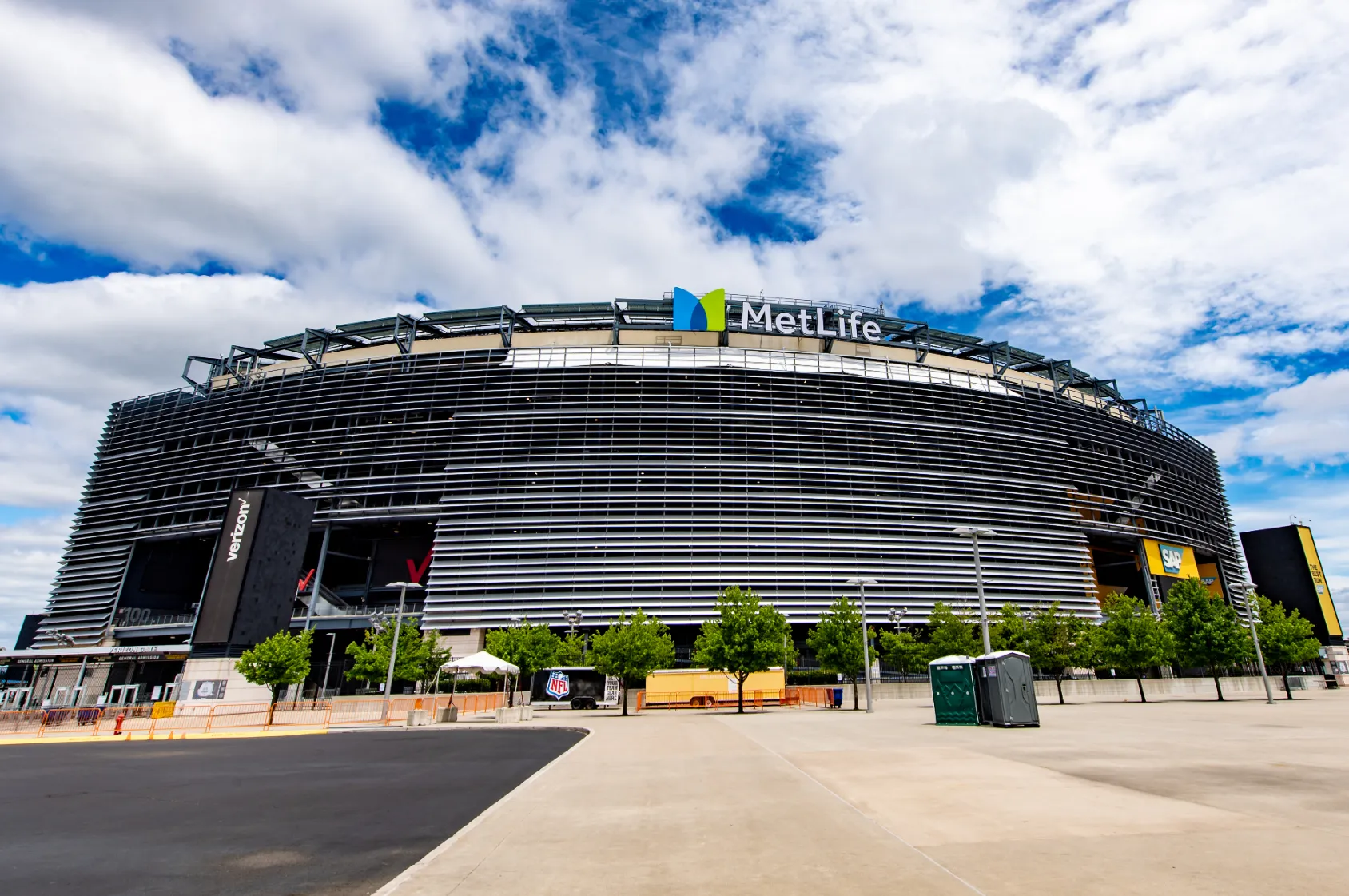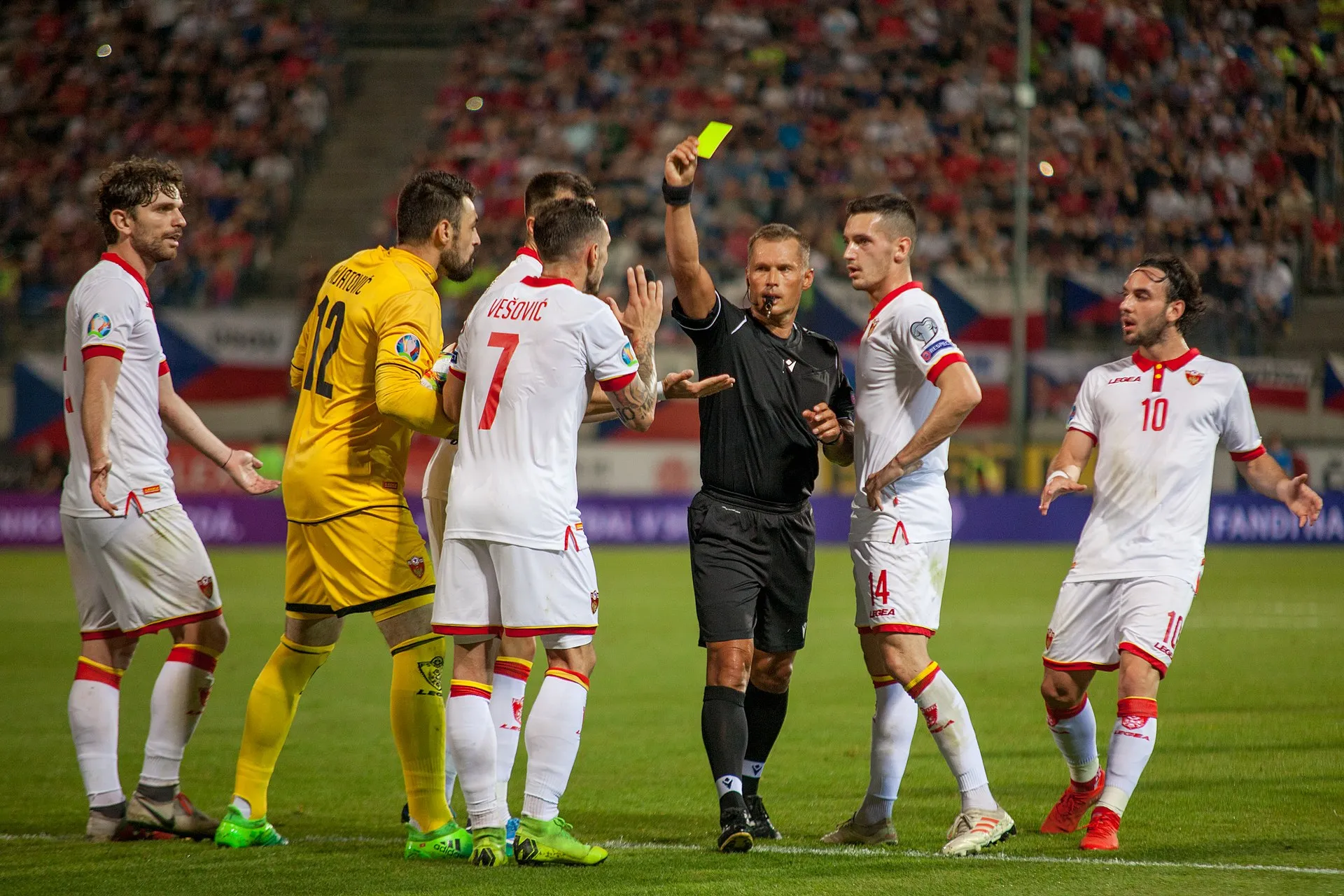
The largest World Cup ever staged kicks off Wednesday, June 11, when Mexico meets South Africa in Mexico City to open the first 48-team tournament, a month of soccer spread across eleven American host cities, three in Mexico and two in Canada. Tens of millions of people in the United States will watch their first serious soccer in four years, and a great many of them will bet on it. In at least three states, they will be allowed to wager on a play that the sport’s own U.S. league considers so corruptible it banned two players for life over a single version of it.
That play is the yellow card. And the decision by Mississippi, New Jersey and Oregon to keep yellow-card betting on the board through the World Cup, after everything the last year has taught about how easily that bet is rigged, is a small regulatory failure with an outsized risk attached. It should be fixed before kickoff, not studied after the fact.
The one bet built for cheating
A yellow card is the perfect instrument for manipulation, and that isn’t a hunch. It’s the structural reason match-fixers love it. A booking is something a single player can produce on purpose (a late lunge, a deliberate handball, a few words at the referee) without affecting who wins the match. The final score stays clean. The fix hides inside a caution that looks, to everyone watching, like an ordinary moment of frustration in a physical game. A veteran international betting consultant told ESPN it is “the easiest market to manipulate of them all.”
The money makes the target irresistible. H2 Gambling Capital estimates roughly $60 billion will be wagered on the 2026 World Cup at regulated sportsbooks worldwide, with about 10% landing on markets that don’t depend on the final result, such as bookings and corners. That is billions of dollars riding on events a corrupt player can manufacture alone, in a tournament where one yellow card changes nothing on the scoreboard and everything on a betting slip.
This is not a theoretical worry dressed up as a real one. It is the exact mechanism behind the scandal that hit American soccer this spring.
Soccer’s own cops already ruled on this
In March, Major League Soccer handed lifetime bans to Derrick Jones and Yaw Yeboah, two players it found had bet extensively on soccer, including on their own teams, across the 2024 and 2025 seasons. In one instance the league flagged, both men wagered on Jones to draw a yellow card in a league match, and Jones was duly booked. MLS found no evidence that the outcome of any game was changed. That’s the point worth sitting with: the bet doesn’t need to change a result to pay off. It only needs a player willing to earn a caution he was going to risk anyway.
The league did not treat this as a gray area. MLS Commissioner Don Garber said the league would “advocate for the elimination of yellow card wagering in all states to protect the integrity of our competition for clubs, players, and fans.” When the governing body that runs professional soccer in the United States, with full access to the evidence, concludes that an entire betting market should not exist, that is about as clear a verdict as a regulator is ever going to get. The expertise has already been applied. The states permitting the bet are overruling it.
Nor is this an American peculiarity. Yellow-card manipulation has surfaced in Australia’s A-League and across European football. Brazil international Lucas Paquetá spent two years under investigation by English authorities over whether he deliberately collected yellow cards while playing for West Ham, and was ultimately cleared, but the case ran for two years precisely because the bet is so plausible a vehicle for a fix that even an innocent pattern of bookings demands a full inquiry. The market generates suspicion as a matter of course. That alone is a reason to keep it off the table at the highest-profile event the sport will hold on U.S. soil in a generation.
The honest counterargument
There’s a case for leaving it alone, and it deserves a straight answer. Legal sportsbooks argue, with some force, that they are the best line of defense against fixing, not the cause of it. Regulated operators monitor betting patterns, flag suspicious surges, and share data with leagues and integrity units in a way the offshore and illegal markets never will. Ban a popular bet at licensed books, the argument goes, and you don’t kill the demand; you push it to shops that report nothing to anyone. FIFA’s own integrity unit has been meeting on exactly these monitoring questions ahead of the tournament. By that logic, yellow-card betting is safer inside the regulated tent than outside it.
It’s a real point, and it’s why the answer isn’t to pretend gambling will vanish. But monitoring is a tripwire, not a lock. It tells you a fix may have happened after the bets are already down; it does not stop a single player from drawing a caution on cue. Some bets are worth offering because the surveillance around them is genuinely protective. A market this cheap to rig, this invisible to the scoreboard, and this already proven as a fixing tool fails that test. You don’t keep selling the lock that’s been picked just because you can watch it being picked in higher resolution.
What the states should do before Wednesday
None of this requires a new law or a moral crusade against sports betting, which is legal, popular, and not going anywhere. It requires three state gaming regulators to do something narrow and specific: suspend yellow-card and other booking-based player-discipline markets for the duration of the World Cup, the way other jurisdictions already have. It is the smallest possible intervention: a single bet type, on a single event, for a single month.
The expansion of legal wagering in the United States has run far ahead of the guardrails, a gap visible everywhere from stadium sportsbooks to the prediction markets now taking bets on events that have nothing to do with sports. The World Cup is going to test those guardrails harder than any event in American betting history. The country is already straining to host this thing well, from a visa backlog shutting fans out to a ticket-pricing scandal that drew state subpoenas. The integrity of the matches themselves is a harder thing to repair once it’s gone, and a far worse story to be telling in July.
Soccer’s own league looked at the yellow-card bet, saw what it was, and threw two players out of the game forever. Three states have until Wednesday to take the same evidence as seriously as the people who actually run the sport already have.
Sources 6 cited · 1 primary
- Derrick Jones and Yaw Yeboah Issued Lifetime Suspensions from MLS for Betting on MLS Matches
- 'The easiest market to manipulate': Why yellow cards could be an issue at the World Cup
- MLS Issues Lifetime Bans to Derrick Jones, Yaw Yeboah For Betting Scandal
- Major League Soccer bans two former players for 'extensive gambling' on matches
- The A-League yellow card scandal might be the tip of the iceberg when it comes to gambling-related corruption
- 2026 FIFA World Cup: tournament dates, hosts, and format
American Courant cites its sources and links to primary documents where they exist. How we report →