On February 20, the Supreme Court told the president he cannot set tariffs on his own. On May 7, a federal trade court told him the workaround he reached for that same afternoon was unlawful too. As of this week, Americans are still paying both sets of duties on nearly everything that crosses a U.S. border, and Congress, which the Constitution assigns the tariff power in the first sentence of Article I, Section 8, has not held a single vote on whether any of it should continue.
That is the state of play, and it is not a legal puzzle. It is a choice. The administration has spent three months treating two adverse court rulings as a routing problem to be engineered around rather than a verdict to be obeyed. The deadline that finally forces the question arrives July 24, when the temporary statute now holding the tariff wall together expires by its own terms. Congress should not let that date pass by reflex. It should vote.
The court said no. The same day, the policy moved to a different statute.
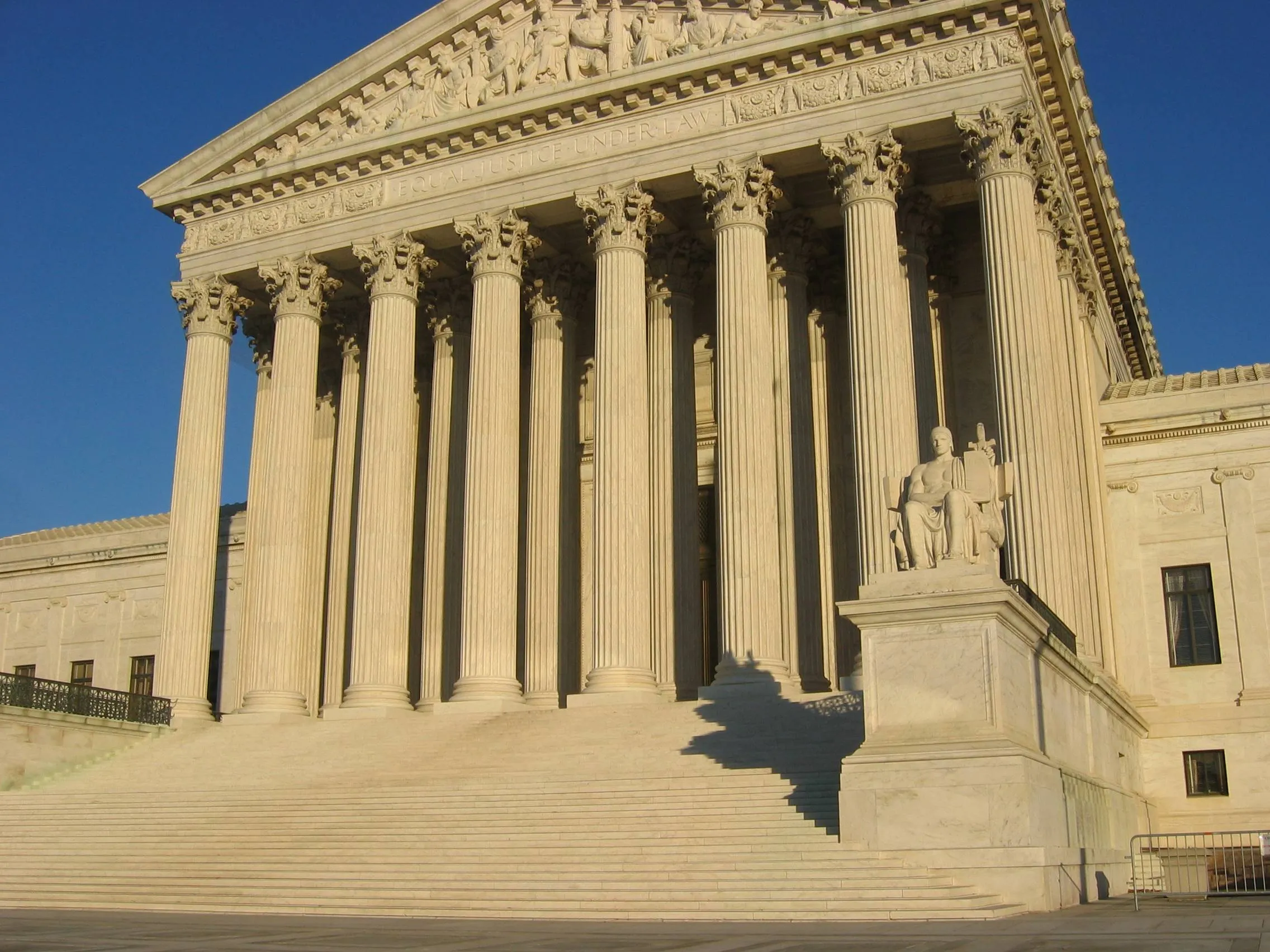
In Learning Resources, Inc. v. Trump, decided 6-3 with Chief Justice John Roberts writing for the majority, the Court held that the International Emergency Economic Powers Act of 1977, the law the administration had used to impose its “reciprocal” and trafficking tariffs, does not authorize tariffs at all. The phrase the government leaned on, the power to “regulate … importation,” does not stretch to taxing it. Justices Sotomayor, Kagan, Gorsuch, Barrett and Jackson joined; Justices Thomas, Kavanaugh and Alito dissented. The Congressional Research Service’s summary of the ruling lays out the holding in plain terms: IEEPA was the wrong tool, and the tariffs built on it could not stand.
Within hours, the president signed Proclamation 11012, imposing a flat 10 percent surcharge on virtually all imports under Section 122 of the Trade Act of 1974, a provision that lets a president address “large and serious United States balance-of-payments deficits” with temporary import measures of up to 15 percent. The duties took effect February 24. And Treasury Secretary Scott Bessent told reporters the same day that, by stacking Section 122 on top of the existing Section 232 metals-and-autos tariffs and Section 301 China tariffs, 2026 revenue would be “virtually unchanged.”
Read that back. A Treasury secretary, on the day the Supreme Court invalidated the legal basis for the tariffs, announced that the dollar figure would not change because the policy would simply move to other statutes. That is not compliance with a ruling. It is the open admission that the ruling was treated as a formality.
A second court has now said no to the second statute, too.
The Section 122 maneuver did not survive contact with the courts either. On May 7, the U.S. Court of International Trade, in Slip Opinion 26-47, held that Proclamation 11012 exceeded the president’s authority. The two-judge majority, Chief Judge Mark Barnett and Judge Jane Kelly, found that the measures the government cited, the current-account balance and the goods-trade deficit, were not the kind of “balance-of-payments deficits” Congress meant when it wrote Section 122 in 1974. The statute, the court reasoned, requires a real payments crisis, not a standing trade gap recharacterized to fit.
Here is the part that should bother anyone regardless of where they land on trade policy: the relief reaches almost no one. The court limited its order to the named plaintiffs: the State of Washington and two importers, Burlap and Barrel and Basic Fun. Everyone else kept paying. And on May 12, the Federal Circuit granted a temporary stay while it weighs the government’s appeal, so even the plaintiffs are paying again for now.
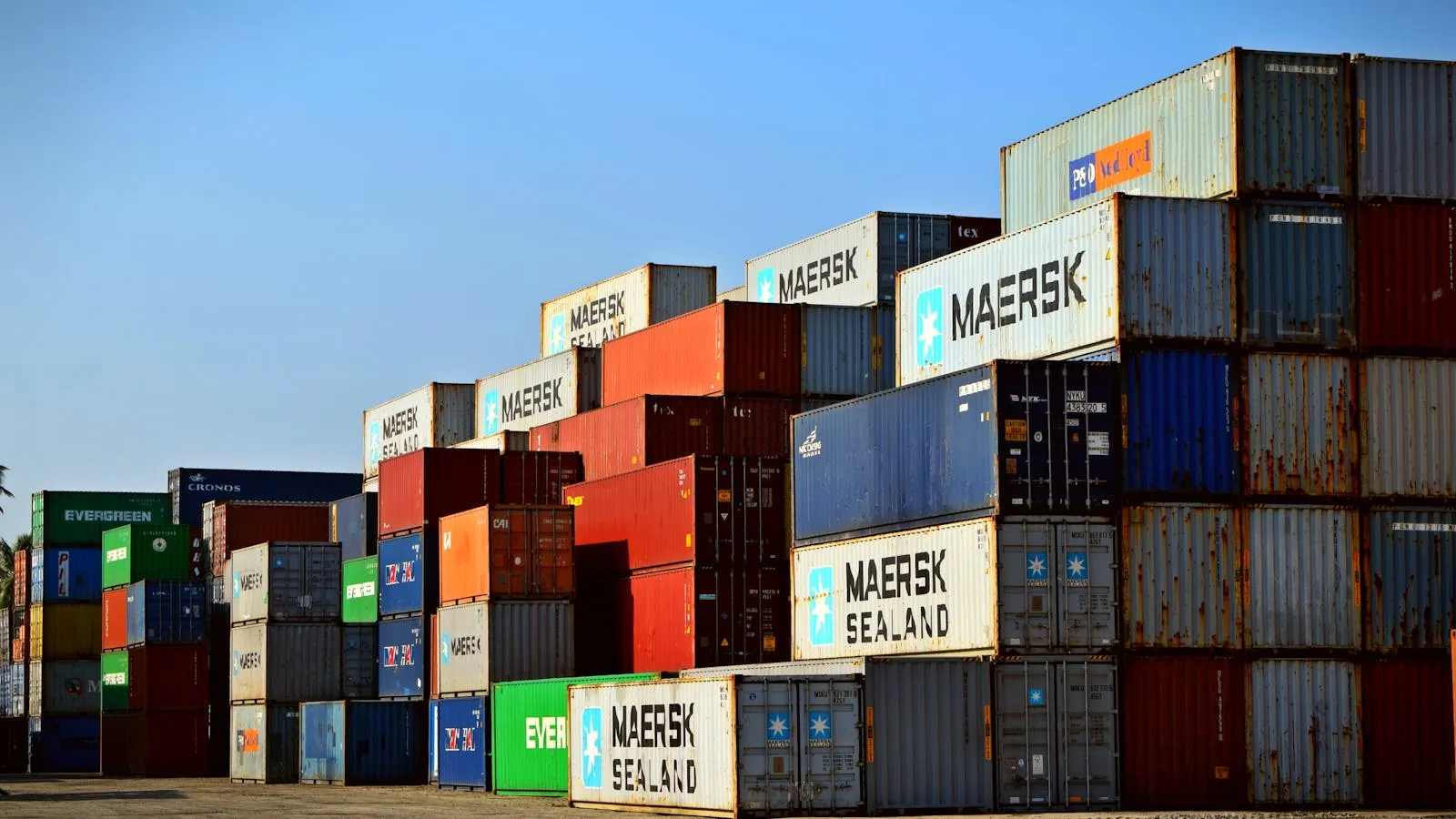
So the practical situation in late May is this. Two courts have ruled the tariff authority unlawful, one of them the highest court in the country. The duties are still being collected from every importer who didn’t personally win a lawsuit. The cost flows downstream into the price of cars, appliances, building materials, toys, and groceries, the same way it always has, because a tariff is a tax paid at the border and recovered at the register. The legal verdicts and the checkout receipts are pointing in opposite directions.
The refund mess shows what “win in court” is actually worth right now.
If you want to measure how little a favorable ruling buys against a determined executive, look at the IEEPA refunds. The tariffs the Supreme Court struck down were collected for the better part of a year, and Customs and Border Protection is now running a dedicated process to return them, roughly $166 billion in disputed duties. CBP stood up its consolidated refund system in late April; the first payments began trickling out in mid-May. Importers have filed tens of thousands of declarations covering millions of entries.
But the president said publicly he expected refunds to be “locked up in litigation for years,” and Bessent characterized the money as merely “in dispute.” Senate Democrats led by Finance Committee Ranking Member Ron Wyden of Oregon introduced the Tariff Refund Act of 2026 precisely because they did not trust the refunds to flow without a statutory command. The bill would force CBP to return all IEEPA duties, with interest, within 180 days, and prioritize small businesses. That a refund bill is necessary at all, after the Supreme Court has already ruled, tells you that winning the legal argument and getting the money back are two very different things.
This is the real cost of governing by statute-shopping. Even when the courts agree with you, you spend a year paying an unlawful tax and then fight for years to get it back. The businesses that can least afford the float, the small importers without trade lawyers on retainer, are the ones who carry it longest. This is the same fiscal sleight-of-hand that lets the budget math assume revenue that may not survive a courtroom: collect now, litigate later, and let the uncertainty sit on someone else’s balance sheet.
The honest counterargument, and why it lands on Congress anyway
The strongest case for the administration is that trade policy needs speed and that a president buried in 30-day statutory clocks and congressional votes cannot respond to a fast-moving global economy. There is something to that. Tariffs as a negotiating instrument lose force if every move requires a floor vote, and the hard bargaining that produced the Beijing trade understanding this spring would have been harder to run through a committee markup. A president does need some flexible authority on trade, and Congress has in fact delegated plenty of it over the decades.
But that argument cuts toward Congress, not away from it. The whole point of Section 122’s 150-day limit is that the framers of the 1974 Trade Act anticipated exactly this: a president who needs to act fast, paired with a legislature that must ratify the action before it becomes permanent. The statute gives the executive a running start and then demands a vote. The 10 percent surcharge expires July 24 unless Congress extends it. That is not a loophole or an accident. It is the design working as intended.
If lawmakers believe a broad tariff is good policy, they can vote to keep it, own the price increases, and answer to their constituents. If they believe it is bad policy or unlawfully imposed, they can let it lapse. What they cannot honestly do is what they have done so far: let the executive collect a contested tax for months, let two courts do the work the legislature was assigned, and then claim there was nothing to be done. It is the same avoidance Congress showed when it advanced a multitrillion-dollar spending bill days after Moody’s stripped the country’s last AAA rating: a willingness to let hard fiscal choices happen by default rather than by recorded vote. The Constitution did not make tariffs hard to impose by accident. It made them a tax, and it gave the taxing power to the branch that has to face voters every two years.
July 24 is the test.
The date is approaching, and the path is clear. The Federal Circuit will rule on the stay. The IEEPA refunds will keep crawling out of CBP. The Section 232 and 301 tariffs, which rest on different and sturdier legal footing, will stay in place regardless. But the 10 percent Section 122 wall — the one a court has already called unlawful, the one the administration reached for as a same-day substitute — does not survive past July 24 on its own.
Congress should treat that deadline as what it is: the moment it can no longer outsource a core constitutional duty to the judiciary. A vote, either way, would restore the accountability the system was built to require. Silence would confirm that the tariff power has quietly migrated from the Capitol to the Oval Office, and that two courts saying otherwise changed nothing at all.
Sources 6 cited · 4 primary
- Learning Resources, Inc. v. Trump (No. 24-1287), slip opinion
- Supreme Court Rules Against Tariffs Imposed Under the International Emergency Economic Powers Act (IEEPA)
- Slip Op. 26-47, United States Court of International Trade
- International Emergency Economic Powers Act (IEEPA) Duty Refunds
- US Trade Court Strikes Down Section 122 Tariffs, but Ruling's Fate Is Uncertain and Practical Impact Is Limited
- Scott Bessent Says 2026 Tariff Revenue 'Virtually Unchanged' After SCOTUS Ruling
American Courant cites its sources and links to primary documents where they exist. How we report →