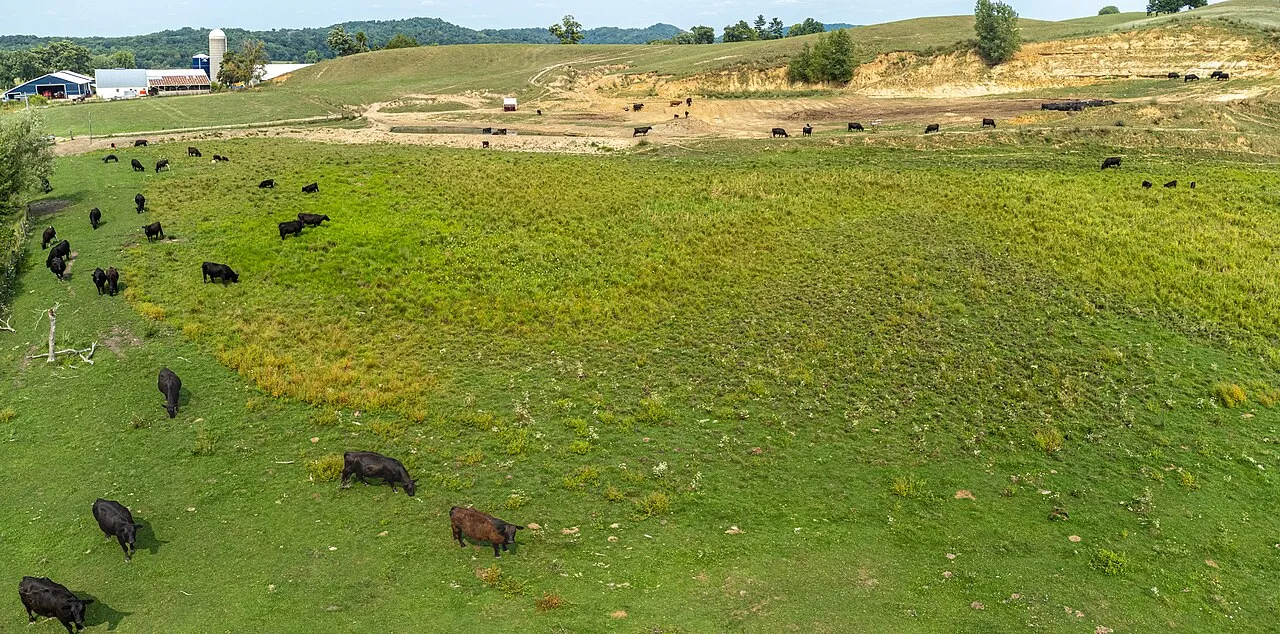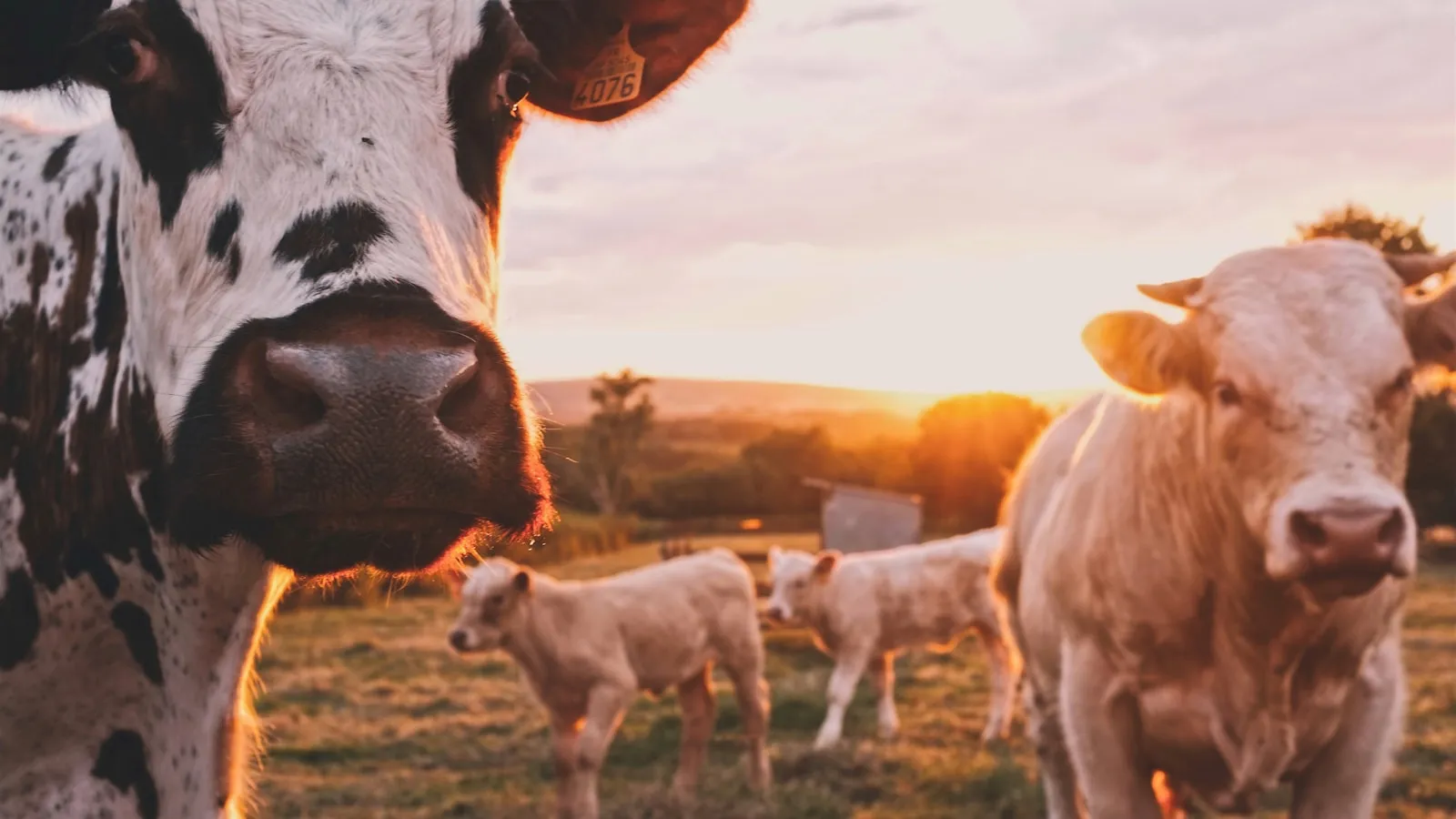
On June 3, a three-week-old calf on a ranch in Zavala County, Texas, was found with larvae burrowed into its umbilical area. Laboratory testing confirmed the worst: New World screwworm, a flesh-eating parasitic fly that the United States eradicated from its soil in 1966 and had not seen in Texas since. The U.S. Department of Agriculture announced the detection that evening and activated its emergency response playbook within hours.
The calf is the only confirmed case so far. But the location — roughly 60 miles from the Mexican border — and the timing have livestock officials bracing for what could become a serious outbreak at the worst possible moment. Ground beef hit a record $6.89 per pound in May, the highest price since the government began tracking it in 1984. The U.S. cattle herd is the smallest it has been in 75 years. An unchecked screwworm infestation, experts warn, could drive both numbers further in the wrong direction.
What the Screwworm Actually Does
The New World screwworm — Cochliomyia hominivorax, Latin for “man-eater” — is not the ordinary blowfly. Most fly larvae feed on dead tissue. The screwworm feeds on living flesh, burrowing deeper as it grows, opening wounds that invite additional flies and secondary infection. A heavily infested animal can die within days without treatment.
Cattle aren’t the only target. The fly attacks any warm-blooded animal with a wound: deer, dogs, pets, livestock of all kinds, and in rare cases, humans. Young animals are especially vulnerable because the umbilical wound left after birth is a common entry point — which is precisely how the Zavala County calf was infected.
The fly is also prolific. A single female lays 200 to 400 eggs at a time in a wound. Larvae hatch within 12 hours in warm weather. At summer temperatures common across South Texas, a screwworm population can double every few weeks.
Before the eradication campaign began in the 1950s, the screwworm cost U.S. producers tens of millions of dollars annually. In 1935 alone, Texas ranchers lost an estimated 180,000 head of cattle to infestations. The economic damage in today’s dollars would run to hundreds of millions for a single bad year.
A Threat That Was Supposed to Be Gone
The American screwworm eradication program is one of the quiet triumphs of 20th-century agriculture. Starting in the late 1950s, USDA scientists deployed what became known as the Sterile Insect Technique: they bred male screwworm flies in laboratory facilities, sterilized them with low-dose radiation, and released hundreds of millions of them each week into infested areas. Sterile males still competed with wild males for mates. Females that mated with sterile males produced no viable eggs. Over years of sustained releases, the wild population crashed.
By 1966, the screwworm was gone from the continental United States. The eradication line was pushed further south through Mexico and Central America over the following decades, eventually reaching the Darien Gap in Panama, which now serves as the permanent barrier maintained through continuous releases.
That system never fully solved the problem in Mexico. As of this week, more than 26,000 screwworm cases have been identified across Mexico, with roughly 2,700 cases still active. The USDA has been fighting the pest’s northward drift for more than a year. In May 2025, the agency shut down the southern border to live animal imports from Mexico — a step intended to slow the spread — which itself contributed to tighter U.S. cattle supplies and higher prices.
The most recent U.S. outbreak before this week’s Texas detection was a 2016 infestation in the Florida Keys, where screwworm larvae killed a significant number of Key deer, an endangered species. That outbreak was contained within a year using sterile fly releases over the islands. But the Keys are a peninsula with defined borders. South Texas is cattle country without natural barriers.
Texas Cattle Are Already Under Severe Pressure
The screwworm threat lands on an industry that has few reserves left. The U.S. cattle herd has been shrinking for years, driven by prolonged drought in the Southern Plains that forced ranchers to liquidate breeding stock faster than they could rebuild. Rebuilding a beef herd takes years, not months: cows don’t reach breeding age until they’re roughly two years old, and the cycle from breeding decision to new market cattle runs 18 months or longer.
Budget-conscious shoppers are already trading down at discount retailers amid rising grocery costs, a pattern that shows up in earnings reports and consumer surveys alike. Beef, once considered recession-resistant, has become a genuine trade-off item for many households.
The stakes specific to Texas are substantial. Texas’s cattle industry generates roughly $15 billion in annual economic activity. According to estimates from Texas A&M University’s agricultural economists, a significant screwworm outbreak in the state could cost the cattle sector $2.1 billion in livestock losses and related costs, and as much as $9 billion when the impact on the hunting and wildlife industries is included.
The USDA’s own modeling puts a statewide outbreak cost at $1.8 billion in livestock deaths, labor, and treatment expenses. Those figures assume a scenario where the pest establishes itself broadly. Whether that happens depends largely on what the next several weeks look like in Zavala County.
The Federal Response
USDA Secretary Brooke Rollins testified before the House Committee on Agriculture Thursday morning, outlining the department’s response. She said the USDA has invested nearly a billion dollars since taking office to prevent exactly this situation, including building surveillance infrastructure along the border and supporting eradication operations in Mexico and Central America.
The immediate containment measures include a 12-mile infested zone around the Zavala County detection site, with quarantines and movement controls on livestock within that perimeter. The Texas Animal Health Commission is coordinating with federal officials on the ground, and an Incident Command Team has been established.
On the biological side, USDA deployed four million sterile screwworm flies via ground release in the infested zone immediately following confirmation. An ongoing aerial release program in the region was already dispersing four million sterile flies per week. The problem is scale: containing a serious outbreak requires roughly 400 million sterile flies per week, and current production capacity is nowhere near that level.
A new sterile fly production facility is being constructed in Mission, Texas. According to USDA, it will not reach full production capacity — the roughly 100 million flies per week needed for a meaningful buffer — until spring 2027. An Edinburg, Texas, dispersal facility opened in February is operational but feeds only local release operations.
Rollins said she met virtually with about 50 Texas cattle ranchers following the confirmation and is in direct contact with Governor Greg Abbott and Texas House Speaker Dustin Burrows. As of Thursday, no additional screwworm cases had been detected beyond the Zavala County calf.
What Comes Next
Summer is the worst time for this kind of detection. Screwworms breed faster in heat, and South Texas in June and July routinely reaches temperatures that compress the fly’s reproductive cycle. Ranchers in the region are being advised to inspect livestock daily for signs of infestation, treat all wounds promptly with approved insecticides, and report any suspicious cases to state animal health officials immediately.
The next several weeks will reveal how contained the outbreak actually is. One calf in one county is a very different scenario than a population that has established itself across the brush country. The sterile fly releases in the area represent a meaningful first response, but the gap between current capacity and what full containment requires is measured in the tens of millions of flies per week.
Federal emergency programs have faced persistent capacity and staffing challenges this year, and the screwworm response will test how quickly USDA can surge resources to a biological threat that is simultaneously rare enough to catch the industry off guard and serious enough to require an immediate, sustained, large-scale technical operation.
The screwworm arrival follows other disease and pest challenges testing U.S. defenses in 2026. The broader lesson, for both public health and agricultural authorities, is that eradication programs require continuous maintenance — and that the line between “contained” and “returned” can close faster than anyone expects.
For now, the ranchers in Zavala County are watching their herds, and livestock officials across South Texas are checking traps. The screwworm was supposed to be history. It isn’t anymore.
Sources 6 cited · 2 primary
- USDA Confirms New World Screwworm in Texas
- New World Screwworm Confirmed in Zavala County Calf
- New World screwworm case detected in Texas calf, threatening U.S. cattle
- Texas Screwworm Case Raises Risks for US Cattle Supply and Beef Prices
- First New World Screwworm Case in Texas Since 1966 Triggers Major USDA Response
- New World screwworm confirmed in Texas, stoking fresh cattle fears
American Courant cites its sources and links to primary documents where they exist. How we report →