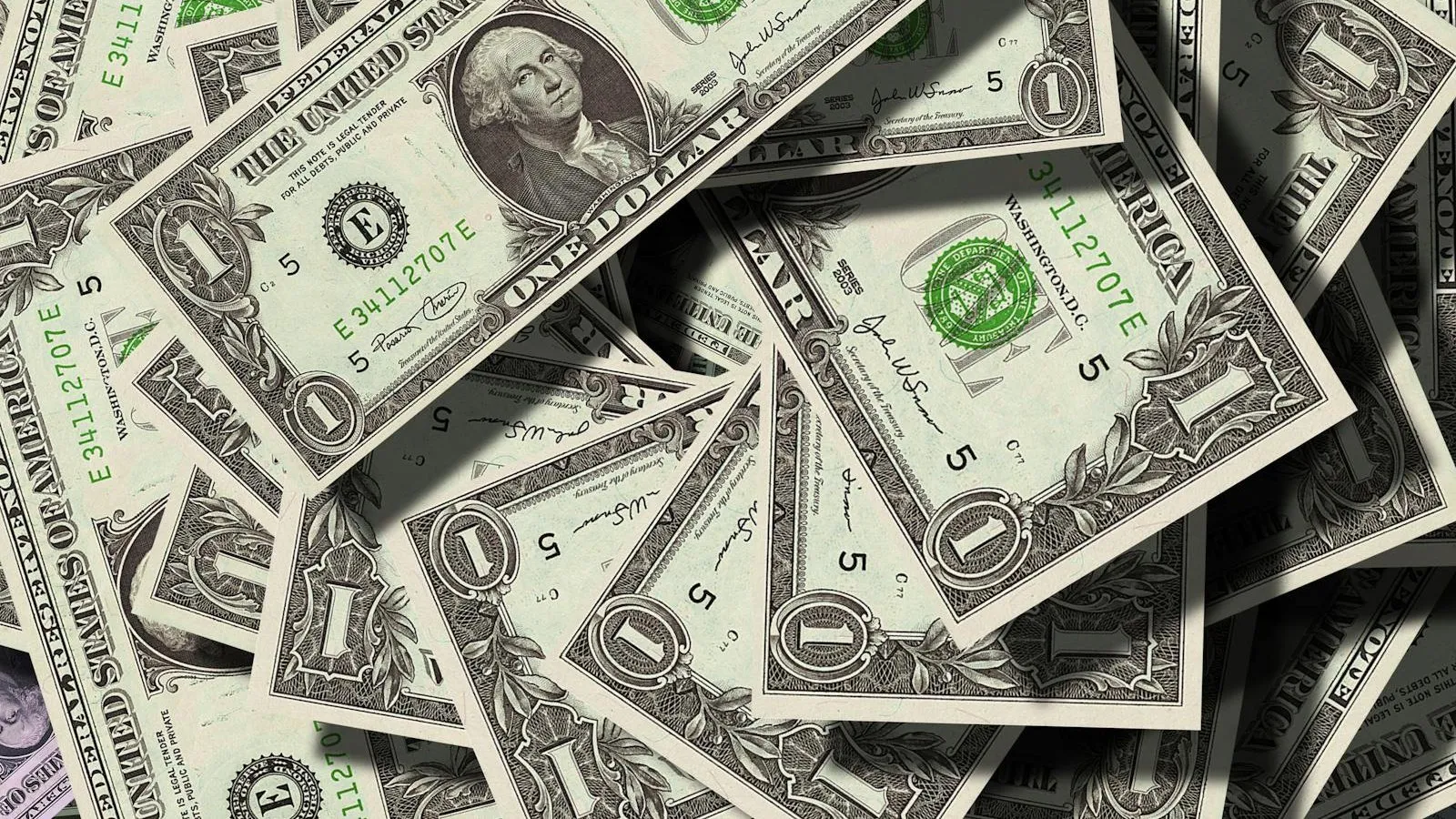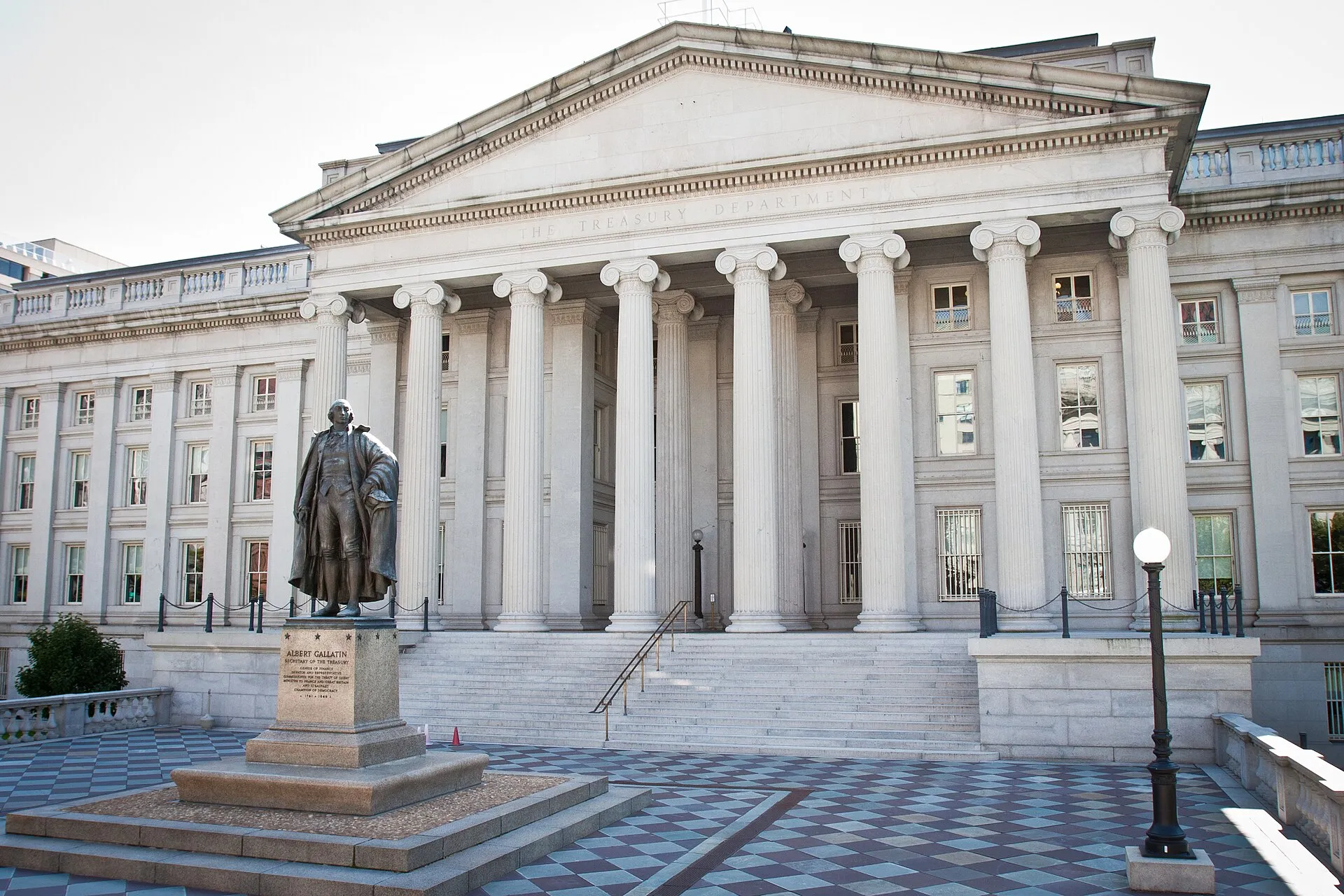
There is a tidy debate to have about whether a living president belongs on American money, and a less tidy one about what happens to the people who say no. The Treasury Department has handed the country both at once. On May 28, the department confirmed it had taken what it called limited steps toward producing a $250 bill bearing President Donald Trump’s face, a commemorative note timed to the nation’s 250th anniversary in July. The next day, Treasury Secretary Scott Bessent confirmed the design already exists: Trump’s portrait, a semiquincentennial logo, and, in a break from every bill in your wallet, Trump’s signature.
The vanity is the part everyone wants to argue about. It’s the wrong part. The bill cannot legally be printed today, and Bessent says so himself, framing it as contingent on Congress. The thing that should worry Americans of any party isn’t the portrait. It’s that, according to multiple accounts, political appointees pushed a career agency to prepare currency the law forbids, and the senior official who told them it wasn’t authorized was abruptly moved out of her job.
A 160-year-old rule, and why it exists
Start with the law, because it isn’t ambiguous. Federal statute is explicit: “Only the portrait of a deceased individual may appear on United States currency and securities.” That language traces to an 1866 measure, the Thayer Amendment, passed after a living Treasury official named Spencer Clark put his own face on a five-cent note. Congress’s reaction was not subtle. It banned the likeness of any living person on the country’s money, bonds, and securities. The rule was a guardrail built for exactly one purpose: to keep the government from turning legal tender into a billboard for whoever currently holds power.
That history matters because it reframes what’s being asked. Rep. Joe Wilson, a South Carolina Republican, has introduced legislation that would carve a hole in the 1866 rule, adding an exception for anyone who is or has been president and directing the Bureau of Engraving and Printing to design the Trump $250 note. The bill has languished in committee. So the request on the table isn’t merely “let’s honor the founding.” It’s “let’s repeal a 160-year-old anti-self-promotion law so the sitting president can be the first living American on a banknote in a century and a half.” Stated plainly, the proposition sells itself less well.
The personnel move is the tell
Here is where the story stops being about taste and starts being about process. According to reporting in The Spokesman-Review and a Snopes review of the claims, two political appointees, U.S. Treasurer Brandon Beach and his senior adviser Mike Brown, pressed the Bureau of Engraving and Printing to get the note ready. The bureau’s director, Patty Solimene, and her staff repeatedly explained that there were legal and procedural obstacles, that the agency was not authorized to move forward, and that the project would take years longer than the appointees imagined.
Solimene was reassigned from her post on April 27. In an email to colleagues, she wrote that she was leaving with a “heavy heart” and that the choice was “not her own.” The adviser who championed the bill, Mike Brown, is now the bureau’s acting director.
Reassignments happen. Agencies reshuffle leadership for all kinds of ordinary reasons, and no court has found that anyone broke the law here. But sequence is meaning. A career official raised a legal objection to a project favored by her political superiors, and shortly after, she was out and the project’s champion was in her chair. Even read charitably, that is the government preparing to do something current law prohibits, and removing the person whose job was to say when it can’t. The lesson it teaches every other civil servant watching is the dangerous part, and it doesn’t depend on whose face is on the bill.
This is not an isolated reflex. The administration has shown a pattern across government of treating career guardrails as obstacles to route around rather than constraints to respect, from the way it moved to gut the nation’s intelligence office to its push against the appropriations limits that are supposed to bind executive spending. A $250 bill is a smaller thing than either. The instinct it reveals is the same one.
Notice, too, the one design choice that has no precedent and no anniversary rationale: the signature. Every other portrait on U.S. currency is a dead statesman rendered at a respectful remove; the Treasury secretary’s signature, not the honoree’s, is what appears on today’s bills. Adding Trump’s own autograph to a $250 note converts a commemorative gesture into something closer to a personal artifact: the difference between a stamp honoring a founder and a founder signing the stamp. That isn’t illegal. It’s a tell about whose project this really is, and it’s why “we’re just marking the semiquincentennial” strains under its own weight.
The honest counterargument
There’s a fair case on the other side, and it deserves a straight hearing. Commemorating the semiquincentennial with a special note is not, by itself, outrageous; countries mint anniversary currency all the time. Nothing illegal has actually been printed; the design sits in a drawer pending a vote that may never come. Bessent has insisted there’s nothing “untoward” about it and that authorization is squarely Congress’s call. He told reporters the department built the design only because “we have to be prepared.” By that logic, preparing for a contingency is prudence, not abuse.
Take the point seriously, then look at what it concedes. “We have to be prepared” is an admission that the agency invested public work in producing a banknote that is, as of today, unlawful to issue, on the assumption Congress will retroactively bless it. Preparing a thing you’re not allowed to do, while sidelining the official who flags that you’re not allowed to do it, is not the same as honoring an anniversary. It’s deciding the answer first and treating the legal obstacle as a staffing problem.
Why it should bother everyone
The cleanest evidence that this isn’t a partisan complaint comes from Trump’s own coalition. A YouGov survey reported by Axios found that just 48% of self-identified MAGA Republicans approve of putting Trump’s face on the $250 bill, with 26% opposed and 26% unsure. That is from a base that gives the president 91% approval overall. When even your most loyal supporters split down the middle on the vanity, the vanity was never the strongest argument for the project. Something else is driving it.
That something is worth naming. The norm against living people on currency is small and easy to mock until you notice what it protects: the idea that the instruments of the state (its money, its seals, its official imagery) belong to the public and not to the incumbent. It’s a low, boring wall. Low, boring walls are the ones that get stepped over first, precisely because defending them sounds petty. The $250 bill may never be printed. The precedent of preparing it anyway, and moving the civil servant who objected, is already real. That’s the part to keep an eye on after the anniversary bunting comes down — and the part that will still matter when the face on the proposed bill belongs to someone else.
Sources 7 cited · 2 primary
- 31 U.S. Code § 5114 — Engraving and printing currency and security documents
- H.R.1761 — Donald J. Trump $250 Bill Act, 119th Congress
- Scott Bessent confirms a $250 bill with Trump on it has a prepared design
- Treasury Department confirms it has taken limited steps toward a $250 bill featuring Trump
- Trump appointees push $250 banknote with his portrait
- Was Treasury official fired for opposing $250 bill featuring Trump's face?
- MAGA isn't sold on Trump's face on the $250 bill
American Courant cites its sources and links to primary documents where they exist. How we report →