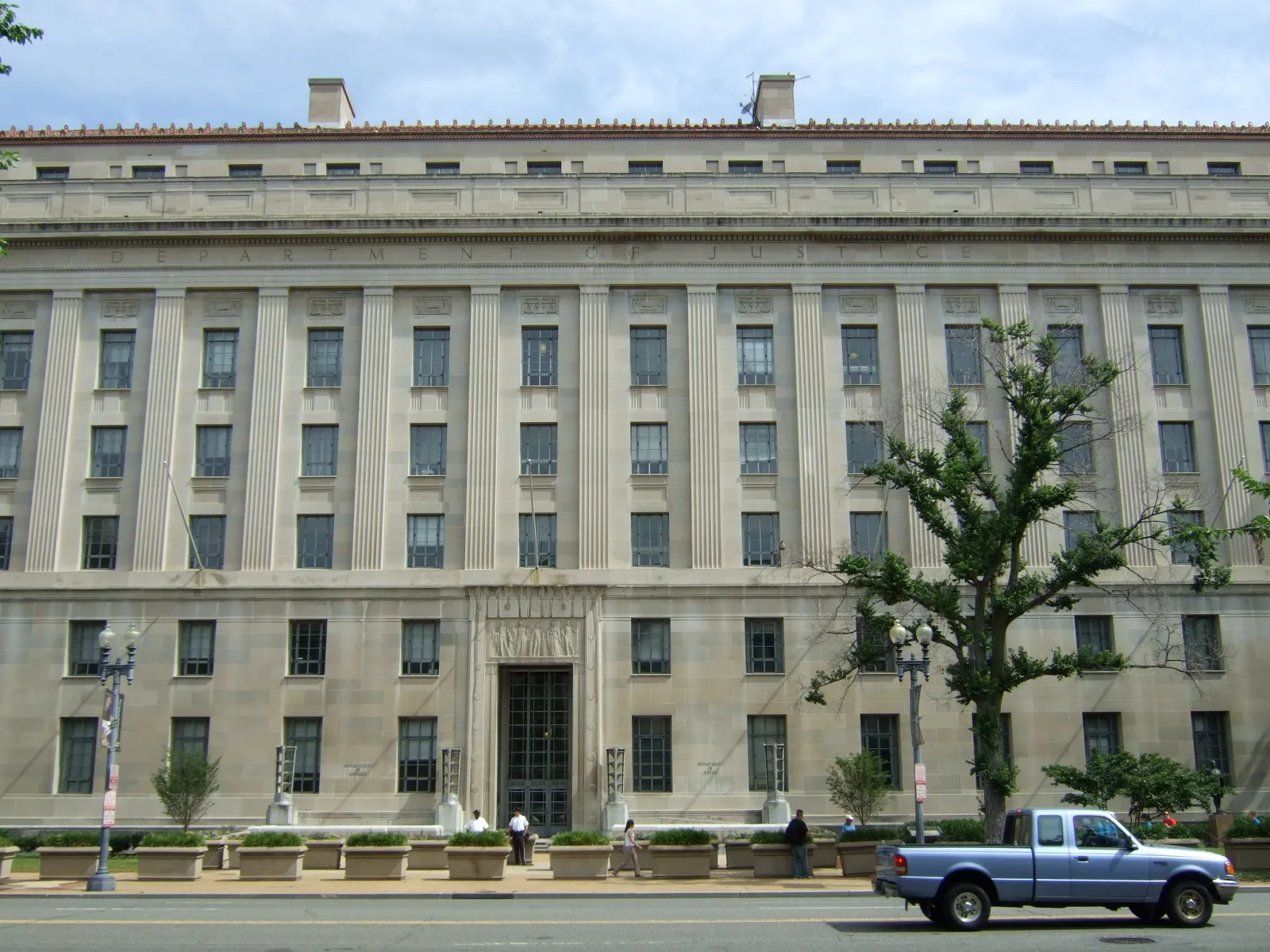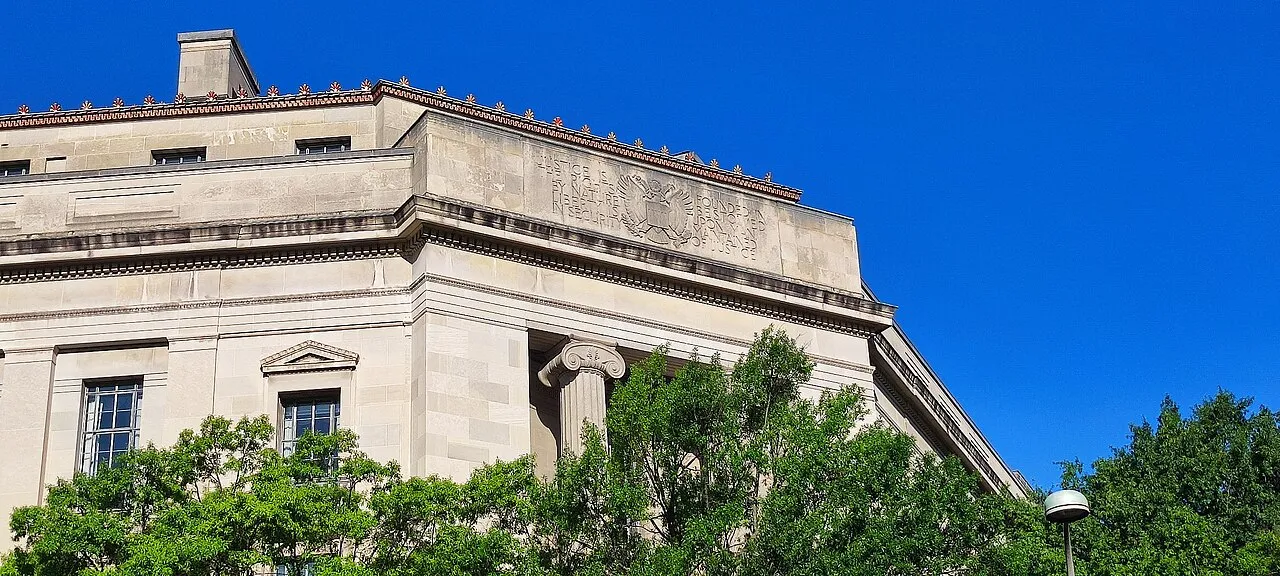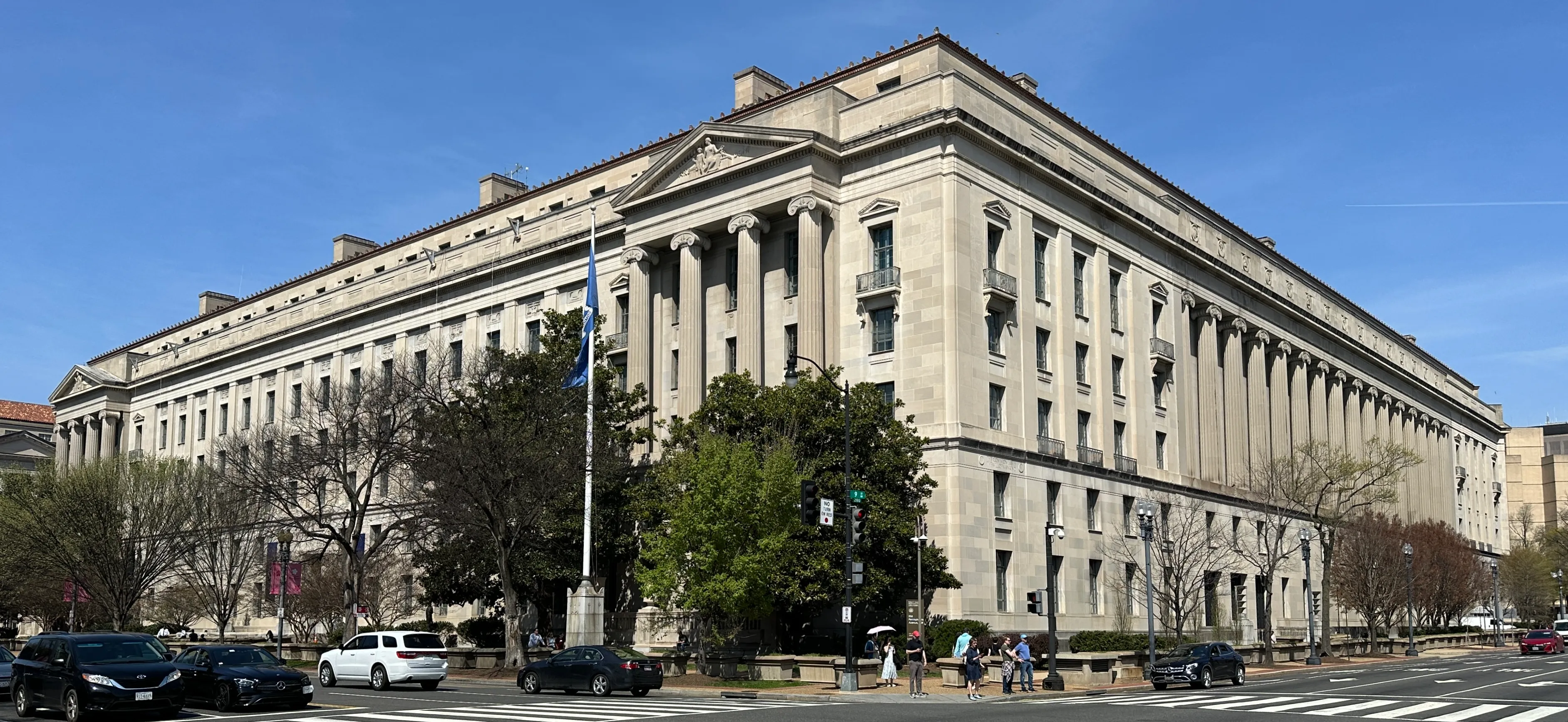
The Justice Department announced on Monday that it is creating a $1.776 billion “Anti-Weaponization Fund” to pay people who say the previous administration unfairly targeted them. The money will come out of the Judgment Fund, a standing Treasury appropriation that normally pays off lawsuits the government loses. A five-member commission appointed by the attorney general will decide who qualifies and how much they get. The fund exists because President Trump dropped a personal $10 billion lawsuit against the IRS over the leak of his tax returns, and the settlement of that suit became the vehicle for the payout pool.
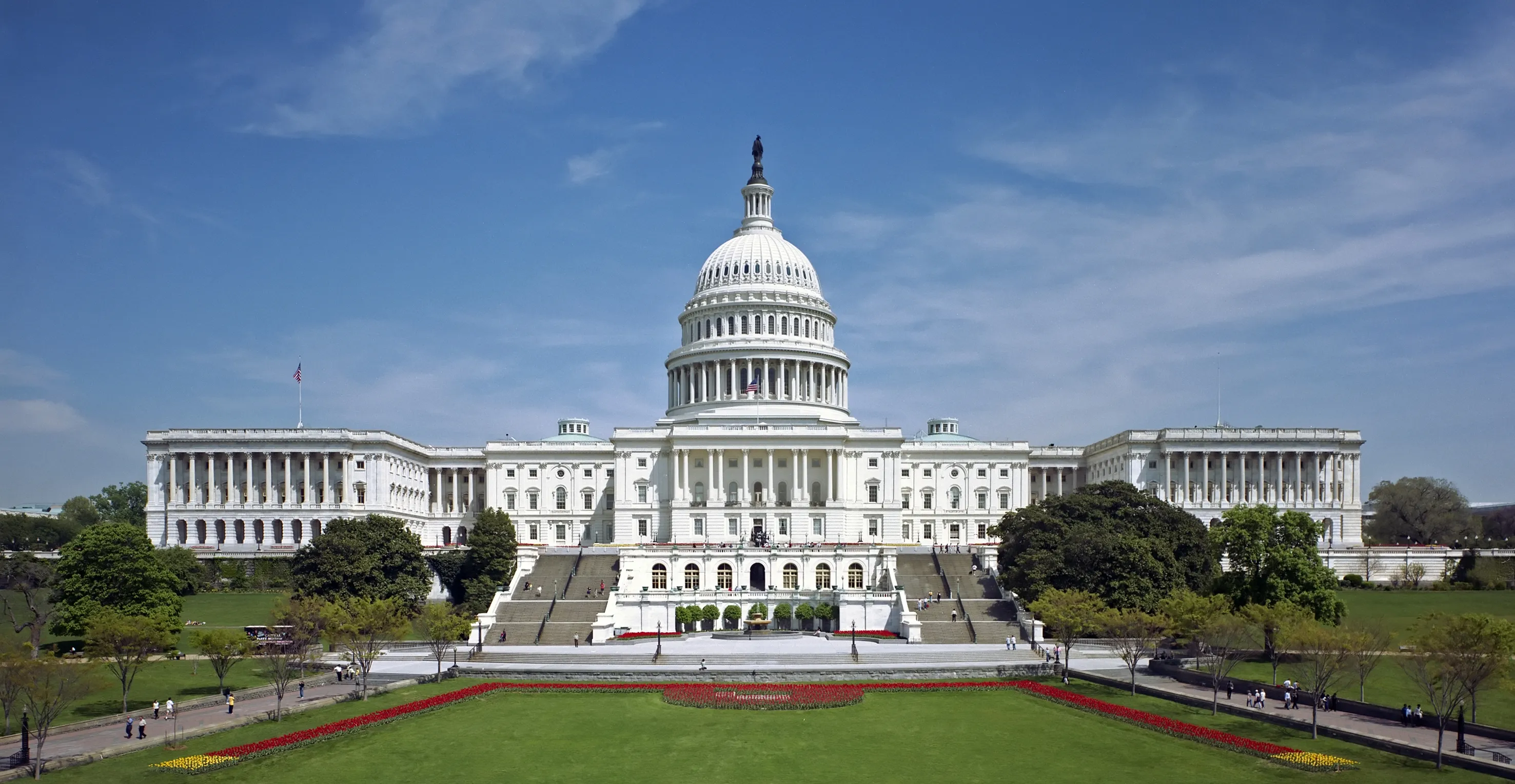
Strip away the branding and what remains is a nearly $2 billion fund, controlled by the executive branch, that Congress never authorized and never appropriated. That is the problem, and it is not a partisan one. The Constitution assigns the spending power to the legislature for a reason, and the Anti-Weaponization Fund is built to route around it.
The clause that says no
The Appropriations Clause is short and unglamorous. Article I, Section 9 provides that “No Money shall be drawn from the Treasury, but in Consequence of Appropriations made by Law.” The Library of Congress’s own Constitution Annotated describes it as the textual basis for Congress’s “power of the purse” — the principle that the executive cannot spend a dollar the legislature has not directed it to spend.
That rule is not a technicality. It is one of the load-bearing walls of the separation of powers. The framers handed spending to the branch that has to stand for election most often and in the smallest districts, precisely so that the power to reward and punish with public money would never collapse into a single set of hands. A president who can decide on his own which citizens receive Treasury funds has the most direct tool of patronage there is.
The administration’s answer is that the Judgment Fund is a “perpetual appropriation” — Congress already authorized it, so no new vote is required. But the Judgment Fund was created to satisfy specific judgments and settlements the government actually owes after losing or conceding a case. Converting it into a standing pool that a commission will dole out to future claimants, on eligibility rules the executive branch writes itself, is a different thing entirely. David Super, a Georgetown University law professor, told reporters the arrangement relies on “collusive litigation, which the Supreme Court has repeatedly condemned,” and that it “eliminates Congress’s role in controlling public funds.” When the plaintiff suing the government is the sitting president, and the settlement he negotiates with his own Justice Department creates a fund his appointees will administer, the word “settlement” is doing work it cannot honestly do.
A bipartisan flinch
The clearest sign that this is a structural concern and not a tribal one is who is uneasy about it. Rep. Jamie Raskin of Maryland, the ranking Democrat on the House Judiciary Committee, put the objection plainly: “Only Congress has the power to appropriate money, and Congress never voted on creating this $1.7 billion political slush fund at the Department of Justice, and Congress would never pass that.” That is the predictable opposition response, and on its own it would be easy to discount.
Harder to discount is Senate Majority Leader John Thune, a Republican. Asked about the fund on Tuesday, Thune said he is “not a big fan” of it, adding, “I am not sure exactly how they intend to use it. I don’t see a purpose for that.” Thune is not a man given to public breaks with his own administration. When the leader of the president’s party in the Senate says he cannot identify the purpose of a $1.776 billion fund, the burden is on the people who created it to explain why the answer isn’t the obvious one: that the purpose is to spend money Congress would not have appropriated, on terms Congress did not set. That a Republican leader will say so out loud is notable in a Congress where, as we have argued before, a conscience vote increasingly costs a member their seat.
The defense from the executive branch has not helped. Pressed on whether people who attacked police officers at the Capitol on January 6, 2021, could collect from the fund, acting Attorney General Todd Blanche would not rule it out. Vice President JD Vance also declined to bar January 6 defendants, saying, “I’m not committing to giving anybody money or committing to giving no one money,” while insisting the administration was “not trying to give money to anybody who attacked a police officer.” A fund whose own administrators cannot say who is and isn’t eligible is a fund without rules, which is exactly what an appropriation is supposed to supply.
The precedent is the point
Defenders of the fund will note that the underlying grievance is real. Charles Littlejohn, a former IRS contractor, was sentenced to five years in prison for stealing and leaking the tax records of Trump and thousands of other Americans. People whose confidential information was exposed by a government employee have a legitimate claim against the government, and the ordinary legal system already provides a route to press it: file a suit, prove the harm, collect a judgment a court has approved. That route runs through judges and, where Congress has spoken, through statutes. It does not run through a commission that answers to the president and writes its own eligibility list.
That distinction is the whole game. Concede the mechanism here and you have conceded it everywhere. A future administration of either party could sue an agency it controls, settle the suit it brought against itself, and stand up a Treasury-funded pool to pay whichever citizens it decides were wronged — no committee markup, no floor vote, no appropriations rider. The reconciliation fight playing out in Congress this spring, in which lawmakers are arguing line by line over a budget bill the CBO scored at $3.8 trillion in new deficits, is the messy, accountable version of how public money is supposed to move. That same week, Moody’s stripped the United States of its last AAA credit rating over exactly the kind of unaccountable fiscal drift this fund embodies. The Anti-Weaponization Fund is the tidy version, and the tidiness is the warning. Spending that no one had to vote for is spending no one can be held responsible for.
This is the same instinct that should trouble anyone who watched the Justice Department’s recent turn toward prosecuting the president’s named critics, including the indictment of former FBI Director James Comey on threat charges. Whether the tool is a prosecution or a payout, the through-line is an executive branch deciding on its own who deserves the government’s favor and who deserves its weight. Congress built the appropriations process to keep the second half of that equation — the favor, the money — out of any one official’s hands.
There is a clean fix, and it is the constitutional one. If the administration believes victims of government misconduct deserve compensation, it can send Congress a bill, name the amount, define eligibility in statute, and let the people’s representatives vote. If the case is as strong as Blanche says, the votes should be there. The reason to avoid that path is the same reason the path exists: a fund that has to survive a vote is a fund the public can see, debate, and reject. The Anti-Weaponization Fund was designed so that none of that has to happen. That is precisely why it should not stand.
Sources 7 cited · 2 primary
- Justice Department Announces Anti-Weaponization Fund
- Trump administration creates $1.776 billion fund for allies of the president after he drops lawsuit against IRS
- DOJ creates an 'anti-weaponization fund' as part of Trump IRS settlement
- Blanche won't rule out Jan. 6 rioters getting Trump DOJ fund payouts
- DOJ's 'Anti-Weaponization' Slush Fund Creates a 'Profound Loophole' in the Congressional Appropriations Process
- Overview of Appropriations Clause
- DOJ creates nearly $2 billion 'anti-weaponization fund': What to know
American Courant cites its sources and links to primary documents where they exist. How we report →