Fox Corporation agreed on Monday to buy Roku for roughly $22 billion — $160 a share in a mix of cash and stock — and Wall Street’s first reaction was to mark Fox down. The stock fell on the news. Investors are entitled to that judgment; maybe Fox overpaid for a company that has long struggled to turn its enormous reach into profit. But the price is Fox’s gamble to win or lose, and shareholders can punish a bad bet on their own.
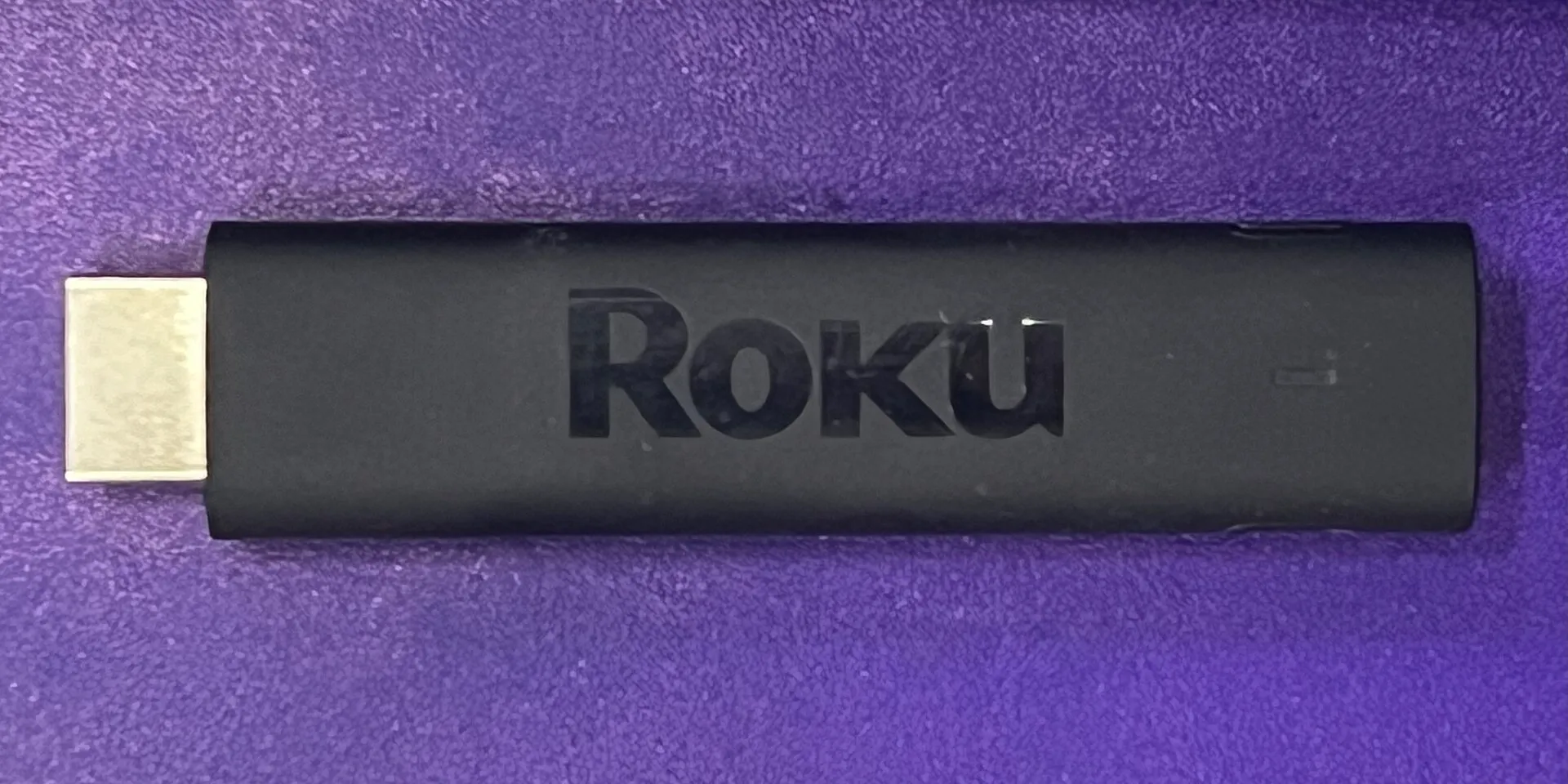
The part that should concern people who don’t own a single share is different. Fox is not just buying a streaming service. It is buying the screen — the operating system, the home page, the remote — that more than 100 million households worldwide use to reach everything they watch, including Fox’s competitors. A company that makes news and sports and runs the free service Tubi would now control the front door to Netflix, Disney, Amazon and the rest. That is the issue regulators should be weighing, and it is not the same issue as the stock price.
The price is Fox’s problem. The platform is everyone’s.
Roku’s value was never really its modest slate of original content. It is the layer underneath: the connected-TV platform that decides what you see when the television turns on, which apps sit on the top row, what the search bar surfaces first, and which titles the home screen pushes. Fox’s own chief executive, Lachlan Murdoch, described the logic plainly, calling the deal a way of “bringing together the most valuable live content portfolio in video consumption with the preeminent streaming platform through which America watches it.”
Read that again. “The platform through which America watches it.” Fox is telling you, in its own words, that it is buying the thing people watch through — not just more to watch. When the company that owns a major content library also owns the shelf, it has every incentive to arrange the shelf in its own favor. That conflict is structural. It exists the day the deal closes, whether or not anyone at Fox ever sends an email about tilting the home screen toward Tubi.
This is the distinction antitrust law calls vertical integration: a firm buying up the distribution channel for its own products. It is a different animal from two studios merging to get bigger. It is about control of the road, not the size of the truck.
What self-preferencing looks like on your TV
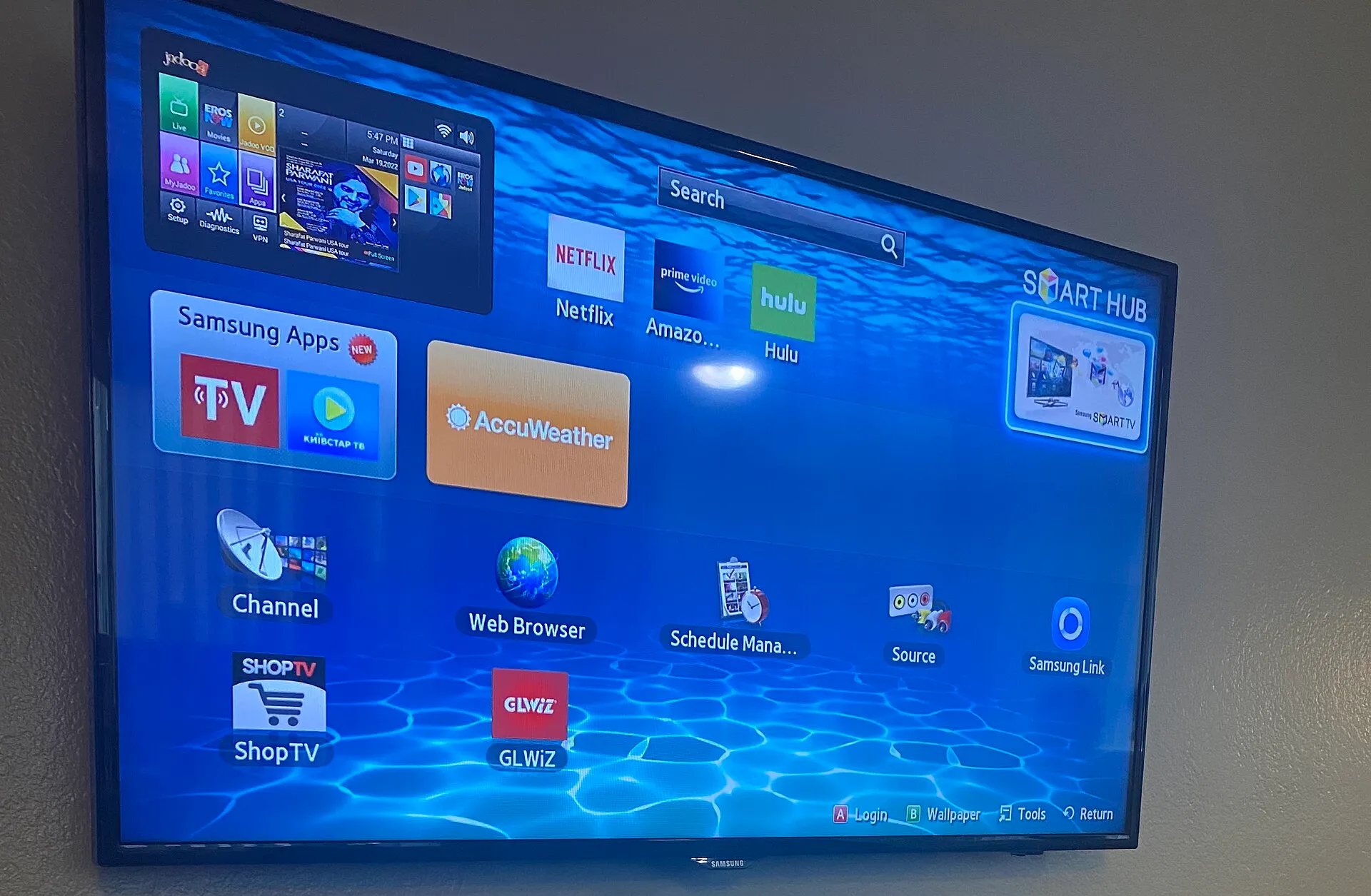
The worry isn’t abstract or futuristic. The connected-TV home screen is already a commercial battlefield. Streaming services pay for prominent placement. The default app, the pre-loaded button on the remote, the title that auto-plays a trailer when you pause on it — those are decisions worth enormous money, and Roku makes them.
Now imagine the entity making those decisions also owns Tubi, Fox News, Fox Sports and the rights to live games people will reorganize their evenings around. The temptation to nudge a viewer toward the corporate sibling and away from the rival is not a conspiracy theory; it is ordinary business incentive. Put Tubi on the top row. Make a competitor’s app one click harder to find. Let Fox’s live sports own the home-screen banner during a rival’s premiere. None of it requires villainy. It requires only that Fox behave like a company that owns both the content and the counter it sits on.
Viewers would have a hard time even noticing. A home screen that quietly favors one company’s shows doesn’t announce itself. It just feels like the apps you wanted were a little easier to reach and the others were a little more buried.
Why this deserves a harder look than the last deal
There is reason to doubt the deal will get the scrutiny it warrants. Only days ago, federal and state regulators cleared the Paramount–Warner Bros. combination, a sign that the current appetite for blocking media mergers is thin. You can read the full terms of the Fox–Roku agreement and see why both boards approved it unanimously: on paper it is a clean strategic fit.
But Paramount–Warner was largely a horizontal deal — two content makers becoming one bigger content maker. Fox–Roku is the kind that has historically given regulators more pause, because it joins content to the pipe that carries everyone’s content. The combined company would become the third-largest player in American television by share of viewing, and it would hold something neither Paramount nor Warner does: the gatekeeping software inside tens of millions of living rooms. If the standard for clearance is simply “the market still has other competitors,” then nothing about owning the gate gets examined. That would be a mistake. Regulators are right to be circling platform power — from app stores to social media, where governments are already moving to constrain what platforms can do — and a content company buying a TV operating system belongs in that same conversation.
The honest counterargument
The strongest case for the deal is that it might actually be good for viewers, and it deserves a fair hearing.
Roku has spent years unable to fully monetize its reach. Fox brings capital, advertising muscle and a deep content library that could make the free Roku Channel and Tubi genuinely better — more to watch, at no cost, on a platform that has always leaned ad-supported. Anthony Wood, Roku’s founder, chairman and chief executive, who will join Fox’s board after the deal closes in 2027, framed it as a chance to “scale faster and innovate more aggressively for viewers.” That is not nothing.
And the connected-TV market is not a monopoly. A household that dislikes how Fox runs Roku can buy a Google TV, an Amazon Fire device, an Apple TV box, or a Samsung or Vizio set with its own software. Competition at the device level is real, and it is a genuine check.
But that check is weaker than it sounds. People do not swap out their television’s operating system the way they switch browsers. The home screen they were handed is the home screen they keep, often for the life of the TV. Switching costs are real, defaults are sticky, and self-preferencing is notoriously hard to detect and harder to prove after the fact. “Just buy a different device” is a fine answer for the engaged few and a poor one for the tens of millions who will never think about it. The existence of alternatives is a reason to allow the deal with conditions — not a reason to wave it through and hope.
What to watch
The right outcome here probably isn’t to block the deal outright. It is to attach enforceable terms: commitments to neutral search results, non-discriminatory placement for rival apps, transparency about how the home screen ranks what it shows. Behavioral remedies are imperfect, but they are the tool built for exactly this situation — a useful combination paired with a real conflict of interest.
So when this deal goes before the FTC and the Justice Department, the question that matters is not whether Fox paid too much. It is whether a company that profits when you watch its own shows can be trusted to run, fairly, the screen you use to find everyone else’s. Fox has told us it is buying the platform America watches through. The least we should ask is what it intends to do with the dial.
Sources 6 cited · 2 primary
- Fox Corporation to Acquire Roku, Inc. (press release)
- Fox Corp — Form 8-K (FY2026), acquisition agreement and exhibits
- Fox to Acquire Roku in $22 Billion Deal
- Fox Corp. to buy streaming pioneer Roku in a $22 billion deal
- Fox Is Buying Roku in $22 Billion Deal
- Fox stock sinks after it agrees to buy streaming pioneer Roku in a $22 billion deal
American Courant cites its sources and links to primary documents where they exist. How we report →