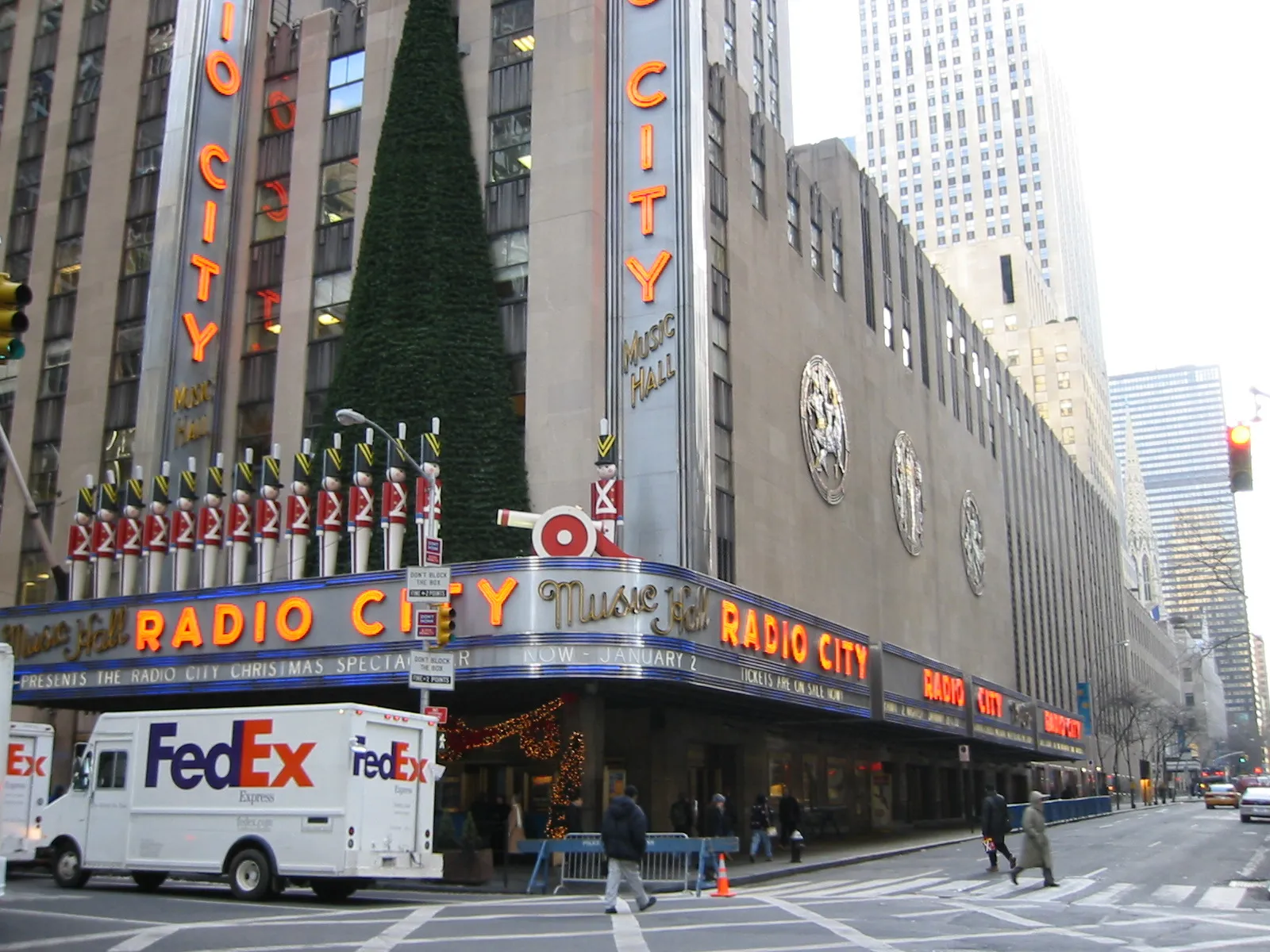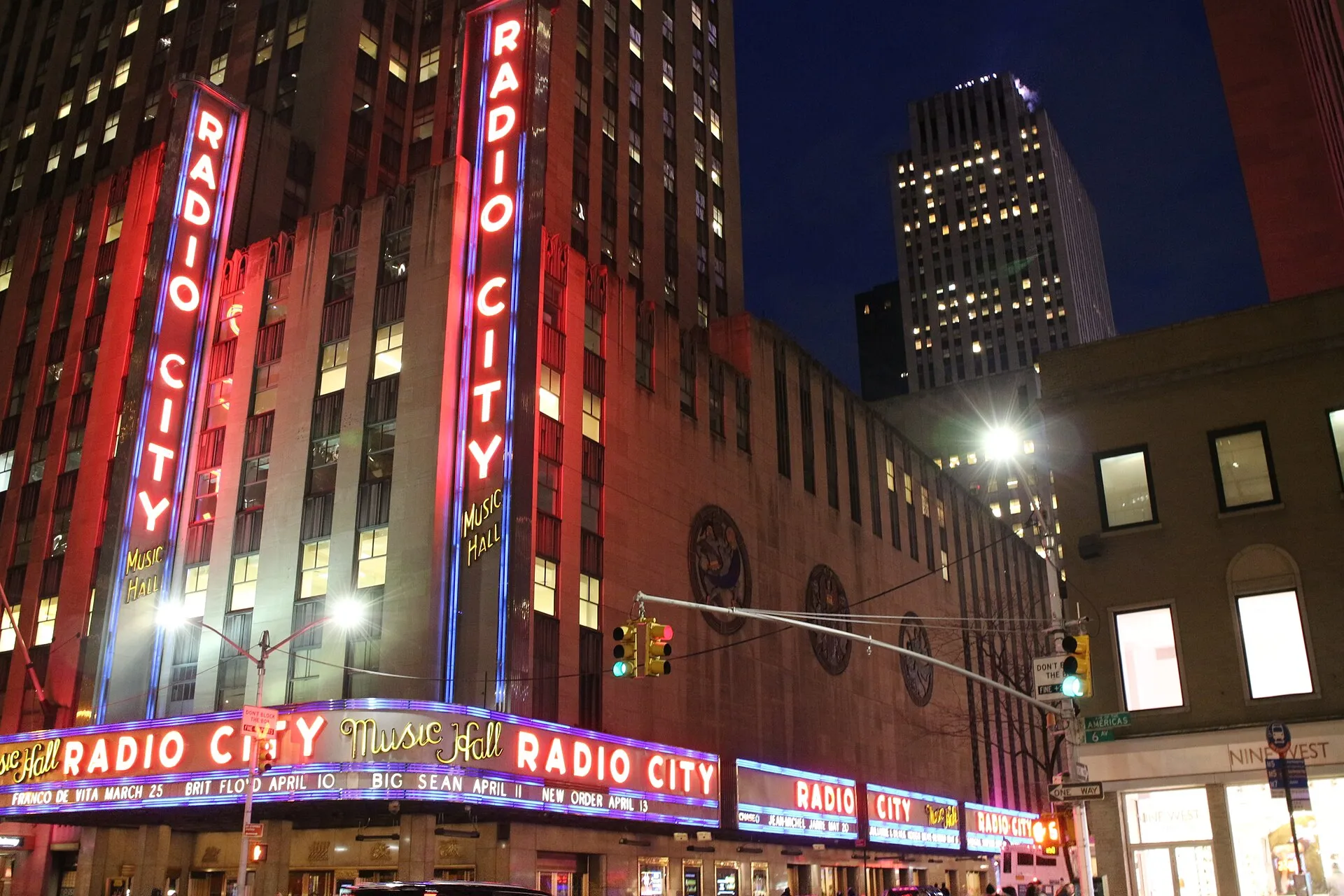
The biggest prize in American theater went on Sunday night to a musical about teenage vampires in a California beach town. The Lost Boys — a stage adaptation of the 1987 Warner Bros. cult film — won Best Musical at the 79th Tony Awards, capping a ceremony at Radio City Music Hall that doubled as a referendum on how Broadway is choosing what to put on its stages.
The answer, on the evidence of the night, is: things audiences already recognize. The Lost Boys is a movie adaptation. The musical that beat it for Best Original Score, Schmigadoon!, is drawn from a streaming series. And nearly every other major trophy went to a revival of a show that has been performed for decades. In a year when Broadway grossed more money than in any season in its history, the industry’s marquee awards rewarded the familiar.
The ceremony, hosted for the first time by the pop star Pink and broadcast live on CBS and Paramount+, spread its top honors across a handful of productions rather than crowning a single sweep. The Lost Boys took Best Musical along with prizes for its scenic and lighting design and a featured-actress award for Shoshana Bean. Bess Wohl’s Liberation won Best Play — the rare new, original work to claim a top prize on a night dominated by older material.
What Won
The clearest story of the evening was the strength of the revivals. Lincoln Center Theater’s production of Ragtime, the sweeping turn-of-the-century musical, won Best Revival of a Musical and carried its two leads to victory: Joshua Henry won Best Leading Actor in a Musical and Caissie Levy won Best Leading Actress in a Musical. A new staging of Arthur Miller’s Death of a Salesman won Best Revival of a Play, with Joe Mantello winning Best Direction of a Play and Laurie Metcalf winning Best Leading Actress in a Play for her turn as Linda Loman.
John Lithgow won Best Leading Actor in a Play for Giant. And Cats: The Jellicle Ball — a radical reimagining of Andrew Lloyd Webber’s Cats set in the world of underground ballroom — won Best Direction of a Musical for Zhailon Levingston and Bill Rauch. The production also produced one of the night’s historic moments: Qween Jean won Best Costume Design of a Musical, becoming the first openly transgender woman to win a Tony Award in any category.
Schmigadoon!, the stage version of the Apple TV+ comedy, went in tied with The Lost Boys for the most nominations of the season at 12 apiece. It converted several of them into wins for its writing and music, including Best Original Score and Best Book of a Musical, but lost the top prize to the vampires.
The most notable outlier was Bess Wohl’s Liberation, which won Best Play. In a field where the night’s energy ran toward adaptations and revivals, Liberation was a wholly original work — proof that a new American play can still take the top dramatic prize against material with decades of name recognition behind it. Pink, the chart-topping pop star, hosted the telecast for the first time, anchoring a broadcast that leaned on big musical numbers to sell Broadway to the living-room audience CBS and Paramount+ were trying to reach.
Why Old Stories Keep Winning
The pattern is not an accident, and it is not new. Mounting a Broadway musical now routinely costs well north of $20 million, and a straight play can run into the millions. With that much capital at risk, producers increasingly reach for titles that carry a built-in audience — a hit movie, a beloved cast album, a streaming property, or a show that grandparents and grandchildren already know by name.
A recognizable title does work that marketing budgets otherwise have to buy. It gives a tourist scanning the TKTS board a reason to choose one marquee over another, and it gives a revival a head start on the years of word-of-mouth that built the original. That logic is the same one driving Hollywood’s reliance on sequels and reboots, a dynamic visible this spring when a long-dormant comedy franchise posted a surprise box-office record. The theater is running a version of the same play.
What makes 2026 striking is that the bet paid off at the box office and at the podium simultaneously. The Lost Boys arrived with name recognition baked in and walked away with the industry’s highest honor. Three of the night’s other big winners — Ragtime, Death of a Salesman and the reinvented Cats — were revivals of material first performed years or generations ago. Liberation’s win for Best Play was, in that context, the exception that defined the rule: an original drama breaking through a field built largely on the already-known.
The Business Behind the Moment
The Tonys landed days after Broadway closed the books on a record-shattering year. The Broadway League, the trade association for producers and theater owners, reported that the 2025–2026 season grossed $1,910,903,835 — the highest in recorded history, edging past the prior season’s $1.89 billion. Theaters drew 14.6 million attendances across 13,416 performances and filled 90.8% of available seats over a season that ran from late May 2025 through late May 2026 and featured 74 productions.
Those numbers explain a great deal about the choices on stage. Broadway is healthy, but the growth is incremental — the League noted the season roughly tracked inflation, with attendance and average ticket prices each rising only modestly on a comparable-weeks basis. In a market that is full but not booming, the marginal show that gets greenlit is the one with the safest path to filling 90% of its seats. CNBC framed the record haul as part of a broader pattern of consumers spending on live experiences even as they trade down elsewhere, the same impulse fueling concert tours and, increasingly, the premium prices fans are paying for major live events.
The awards matter commercially, too. A Best Musical Tony is the single most valuable marketing line a show can put on its posters, historically translating into a measurable bump in ticket sales and a stronger case for a national tour. For The Lost Boys, the win converts a recognizable title into a certified one — exactly the kind of durable asset producers are chasing.
What Comes Next
The immediate effect will show up at the box office in the coming weeks, as the winners — particularly The Lost Boys and the Ragtime revival — ride the post-Tonys attention into the summer tourist season, Broadway’s most lucrative stretch. Touring productions, which is where much of a hit’s lifetime revenue is eventually earned, will be shaped by which titles emerged from Sunday with hardware.
The longer-term signal is for the producers deciding what to capitalize next. A season in which a movie adaptation wins the top prize, a streaming-series adaptation wins the score, and revivals sweep the acting categories is a green light for more of the same. Expect the development pipeline to keep favoring titles audiences already know, with original work continuing to fight for the narrow lane Liberation just proved still exists. For more on the money and culture shaping entertainment, see our Culture & Media coverage.
The risk in that strategy is the one every IP-driven business eventually confronts: a catalog of familiar names is finite, and an industry that mostly reanimates old hits can struggle to grow the next generation of them. For now, though, Broadway has the receipts to argue its caution is working — a record year, full houses, and a top prize handed to a story that first found its audience nearly four decades ago.
Sources 5 cited · 2 primary
- Broadway's 2025–2026 Season Wraps with 14.6 Million Attendances and Grosses of $1.91 Billion
- Winners
- The 2026 Tony Award winners list
- Tony Awards 2026 Winners — Updating Live
- Broadway's $1.9 billion season is the latest sign of consumers splurging on experiences
American Courant cites its sources and links to primary documents where they exist. How we report →