Russell Wilson announced Wednesday that he is retiring from the NFL after 14 seasons, ending a career that delivered a Super Bowl title, a decade of stardom in Seattle, and a long, uneven final act spent searching for a fit with three more teams. He confirmed the news in a roughly three-minute video posted to his social accounts under the title “Thank You, Football.”
He will not be away from the sport for long. In the same breath as his retirement, Wilson confirmed that he is joining CBS Sports as an analyst on The NFL Today, the network’s Sunday pregame show. The 37-year-old steps directly from the field into one of the most coveted seats in sports television — and he does so without missing a single broadcast season.
That speed is the real story. A quarterback who took his final NFL snap last season will be on a studio set this fall, and the lane he is following is now well worn. The path from franchise quarterback to network face has become one of the most reliable second careers in American sports, and the competition among networks to lock down the biggest names has rarely been more intense.
A 14-Year Career Across Four Franchises
Wilson’s résumé is a Hall of Fame argument, even if the ending complicates it. A third-round pick out of Wisconsin in 2012, he was supposed to be too short to run an NFL offense. Instead he won a starting job as a rookie and never gave it back, anchoring a Seattle Seahawks team that reached back-to-back Super Bowls.
The first ended in a championship. In Super Bowl XLVIII, Wilson and the Seahawks dismantled the Denver Broncos 43-8, delivering the franchise its first and only title. The second ended in one of the most replayed moments in NFL history — a goal-line interception in the closing seconds of a loss to the New England Patriots that denied Seattle a repeat. Both games came before Wilson turned 27.
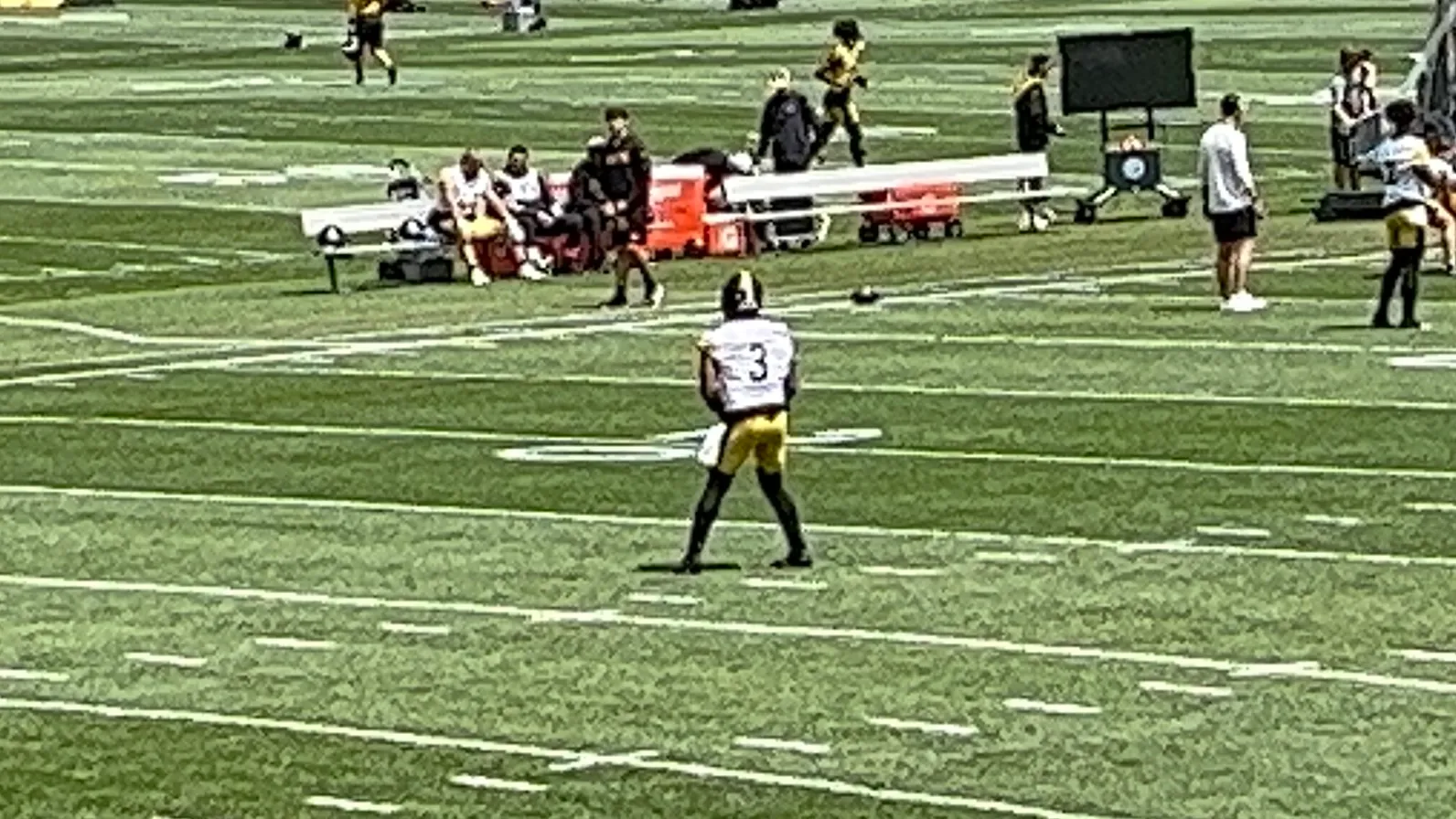
He spent 10 seasons in Seattle (2012-21), then two in Denver (2022-23), one in Pittsburgh (2024), and a final year with the New York Giants in 2025. The numbers across all four stops are substantial: nearly 47,000 passing yards, 353 touchdown passes against 114 interceptions, a career passer rating of 99.3, and more than 5,500 rushing yards. He made the Pro Bowl 10 times.
The later years were harder. The blockbuster trade that sent him to Denver in 2022 never produced the offense the Broncos paid for, and his stops in Pittsburgh and New York were bridge jobs rather than long-term plans. By retiring now, ahead of what would have been his 15th season, Wilson closes the book before another team had to decide whether to open it.
Why CBS Wanted Him Now
For CBS, the appeal is straightforward. The NFL Today is the network’s flagship football property, and the pregame show is where networks build the on-air personalities that carry their coverage across a season. Wilson joins a set that includes host James Brown, Nate Burleson, and former Steelers coach Bill Cowher — a lineup built on recognizable names and easy chemistry.
A recently retired star quarterback brings something the show can’t manufacture: a credible voice on the position that defines modern football, plus a built-in audience of fans who watched him play for more than a decade. Networks have learned that the quickest way to freshen a studio is to add a name viewers already know, and Wilson clears that bar before he says a word.
The move also fits a broader pattern in how CBS is spending its programming attention. As the network has wound down a defining era of its late-night franchise, it has leaned harder into the live, appointment-viewing content that still reliably draws a mass audience — sports chief among it. Live football is the most valuable inventory on television, and the talent that frames it is part of the investment.
The Quarterback-to-Booth Pipeline
Wilson’s hire is less an event than a continuation. The pipeline from elite quarterback to network broadcasting has become so established that a marquee retirement now reads as a job announcement.
The economics explain why. The NFL’s media-rights deals are worth more than $100 billion across the league’s broadcast partners, and the booths and studios attached to those games have become premium real estate. Networks have responded by paying enormous sums for the biggest names — most visibly the deal that put Tom Brady in Fox’s lead game booth — on the theory that star power helps justify the underlying rights costs and differentiate one broadcaster’s coverage from another’s.
For the players, the appeal runs both ways. Broadcasting offers a way to stay close to the game, keep a public profile, and earn at a level that rivals a veteran’s playing salary, all without the physical toll. The transition has gotten so smooth that the gap between a final snap and a first broadcast has nearly closed. Wilson is not waiting a year to ease in; he is starting in the fall.
The handoff is not guaranteed to work, which is the part the announcements tend to skip. The booth has humbled plenty of accomplished players. Analyzing a game in real time, building chemistry with a desk full of co-hosts, and saying something a viewer hasn’t already heard are skills distinct from playing the position, and networks have quietly moved on from former stars who never found the rhythm. Wilson arrives with obvious advantages — a decade of name recognition, a quarterback’s command of the position, and a comfort with the camera he cultivated throughout his playing career — but he will be measured against the same standard as anyone else on the set: whether viewers want to hear from him on a Sunday morning when he is no longer the story.
That frictionless handoff is what makes this hire culturally telling. A generation ago, a retiring quarterback faced an uncertain second act. Now the second act is arranged before the first one is even formally over, and the biggest names skip the line entirely. The live audience that makes marquee sports broadcasts so valuable is the same audience networks are betting these familiar faces can hold.
What Comes Next
Wilson will debut on The NFL Today when CBS’s NFL coverage returns in September. His on-air partnership with Brown, Burleson, and Cowher will be tested the way every new studio addition is — by whether viewers find him sharp, candid, and worth listening to when the games he is breaking down no longer include him.
His Hall of Fame case, meanwhile, moves into the hands of voters. The Super Bowl ring, the longevity, the rushing-and-passing production, and the 10 Pro Bowls form a strong foundation; the diminishing returns of his final seasons will be part of the debate. Eligibility begins five years after a player’s final game, which puts Wilson’s first appearance on the ballot in the early 2030s.
For now, the more immediate transition is the one playing out this week: a quarterback closing a 14-year career on Wednesday and, the very same day, confirming he already has Sunday mornings booked. The era ended and the next job started in the same announcement — which, increasingly, is how the biggest names in football leave the field.
Sources 5 cited · 1 primary
- Russell Wilson Career Stats
- Russell Wilson Announces Retirement
- Russell Wilson, 10-time Pro Bowler and Super Bowl champ, finalizing deal to become CBS Sports analyst
- Russell Wilson Officially Retires From NFL After 14 Seasons, Will Join CBS Sports as Analyst
- Russell Wilson Stats, Height, Weight, Position, Draft, College
American Courant cites its sources and links to primary documents where they exist. How we report →