One of the most recognizable names on the Las Vegas Strip is about to leave the public markets. Caesars Entertainment has agreed to be acquired by Fertitta Entertainment, the private holding company of billionaire Tilman Fertitta, in an all-cash transaction valued at roughly $17.6 billion including assumed debt — a deal both sides describe as the largest casino acquisition in U.S. history.
Under the agreement, disclosed in a May 28 securities filing and a company press release, Caesars shareholders will receive $31.00 in cash for each share, a 49% premium over the stock’s unaffected price as of February 25. The figure includes about $11.9 billion of Caesars’ existing debt that Fertitta’s company will absorb. Caesars’ board unanimously approved the transaction and is recommending shareholders vote in favor.
What gives the deal its unusual edge is the identity of the buyer. Fertitta is not only one of the country’s biggest hospitality operators — he is also the sitting U.S. Ambassador to Italy and San Marino, a post he has held since presenting his credentials in May 2025. That means the largest gaming buyout in American history is being executed by a member of the current administration’s diplomatic corps, a wrinkle that hangs over every question about how, and how quickly, regulators will sign off.
The Deal
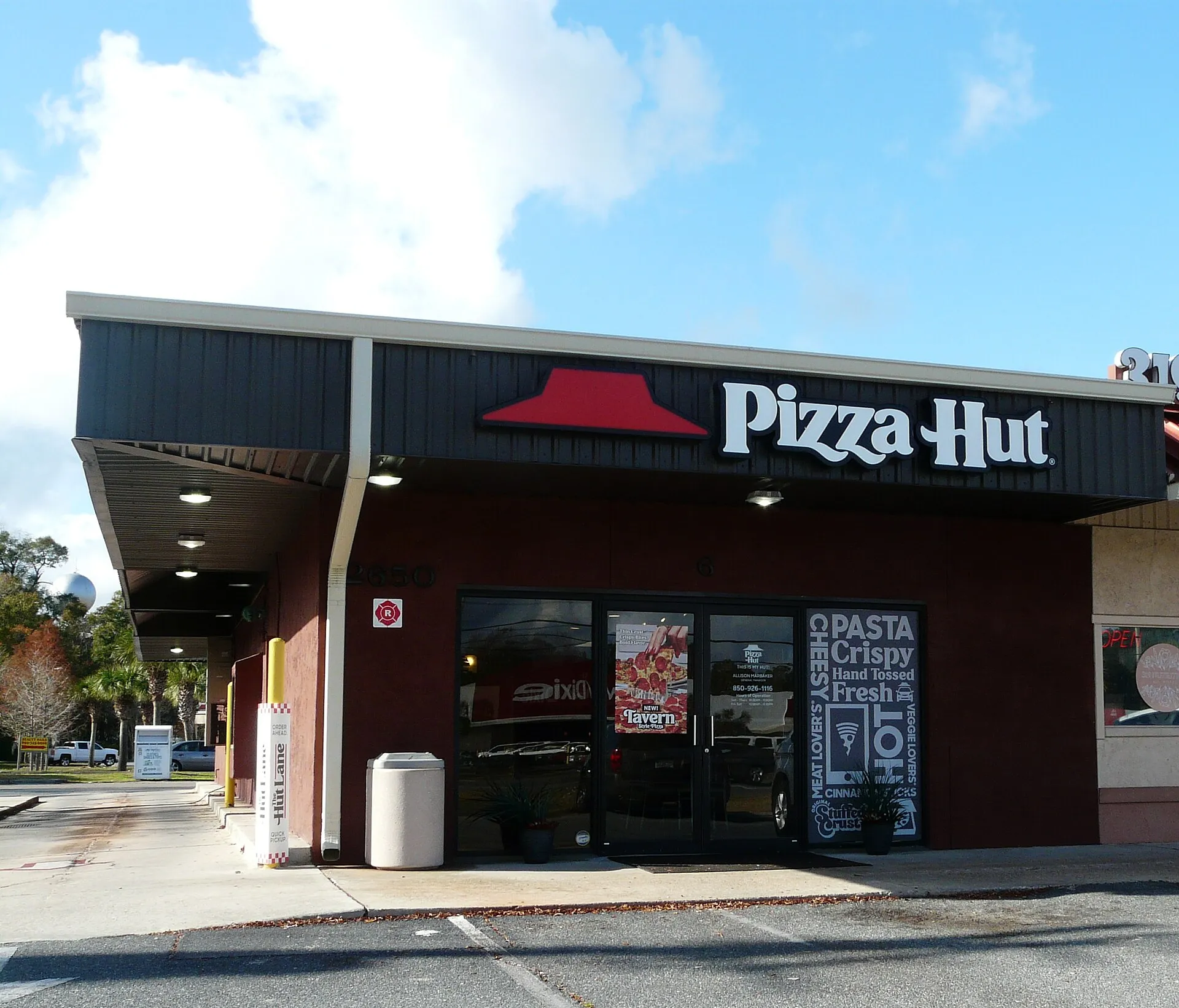
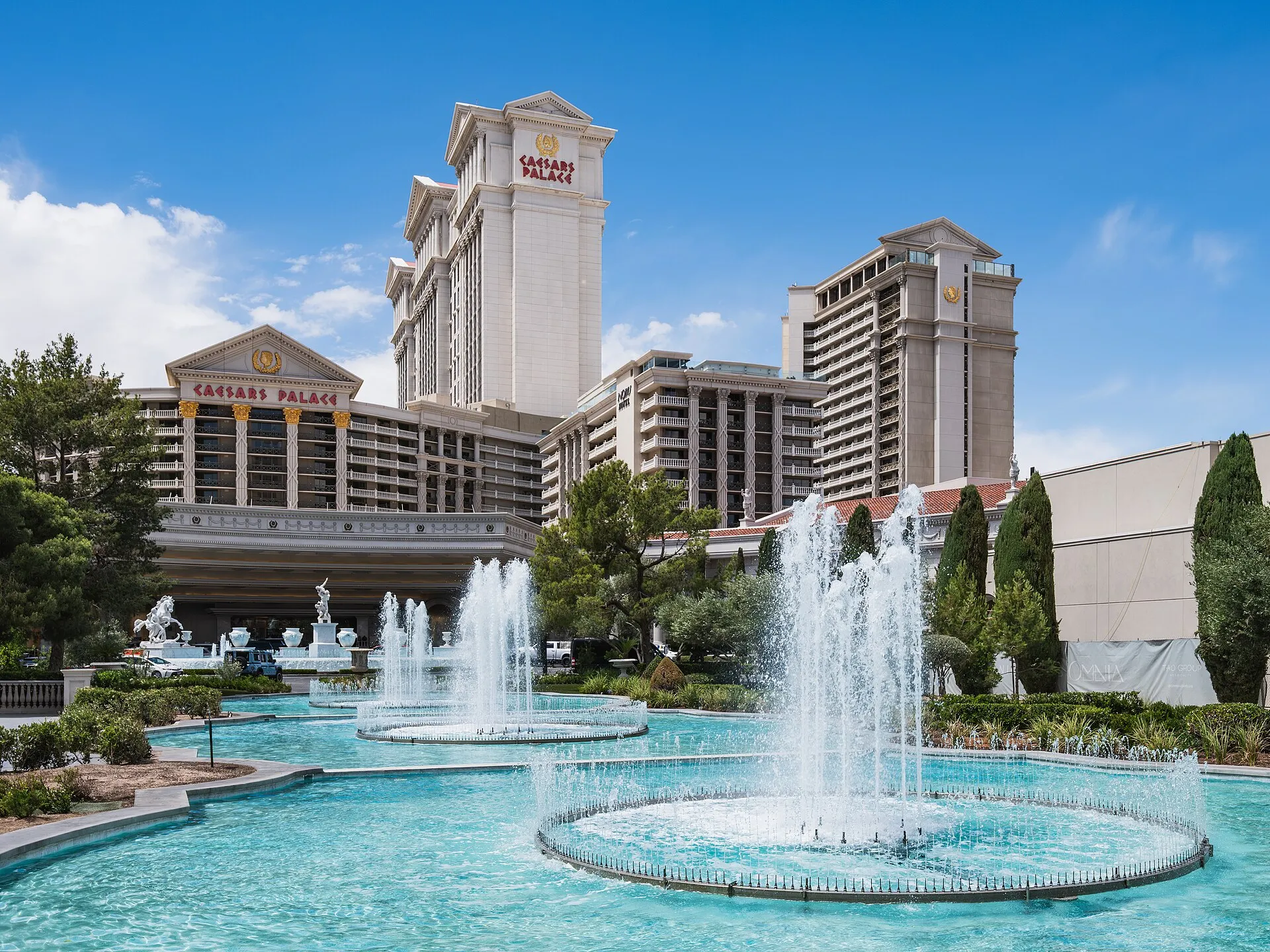
The structure is straightforward in form and enormous in scale. Fertitta Entertainment, which already owns the Golden Nugget casinos, would fold Caesars into a portfolio that the companies say would span more than 60 casino resorts across the United States. Caesars operates one of the most extensive footprints in American gaming, anchored by Caesars Palace and a national network of regional properties and a widely used loyalty program.
The agreement includes a “go-shop” period running through approximately July 11, during which Caesars and its advisers may solicit and weigh competing offers. Such windows rarely produce a higher bid, but they exist to give the board legal cover that it tested the market. The transaction still requires approval from Caesars shareholders and a gauntlet of state and federal gaming regulators, and the companies expect it to close later in 2026 or in early 2027.
Caesars carries that debt for a reason. The modern company is the product of a 2020 merger in which the regional operator Eldorado Resorts acquired the older Caesars and kept the more famous name, a deal that loaded the combined business with heavy borrowing it has spent years working down. A balance sheet like that is part of what makes a take-private attractive: a single owner with patient capital can manage leverage without the quarterly scrutiny public markets apply, but only if the underlying cash flow holds up.
For Caesars investors, the premium is the headline. For the broader gaming sector, the more interesting signal is that a marquee operator with billions in debt was worth more to a private owner than to public shareholders — a recurring theme in a year of large take-private bets. The wager echoes the appetite for big acquisitions seen across corporate America this spring and the broader deal-making and capital-markets activity reshaping the economy.
A Sitting Ambassador’s Casino Empire
Fertitta built his fortune well before his diplomatic appointment. He is the sole owner of Fertitta Entertainment, whose holdings include the restaurant company Landry’s, the Golden Nugget hotels and casinos, and the NBA’s Houston Rockets, with more than 600 properties across dozens of states and several countries. In March, he bought the WNBA’s Connecticut Sun and announced plans to relocate the franchise to Houston.
His political proximity is the part analysts keep circling. Fertitta was nominated by President Trump and confirmed by the Senate in an 83–14 vote, and his longstanding relationship with the president has prompted speculation that the regulatory path could prove smoother than it might for an outsider. TD Cowen analyst Lance Vitanza captured the prevailing view, telling clients that “the deal appears more likely than not to receive the necessary approvals given Fertitta’s role in the current administration.”
That is an observation about probability, not a finding of impropriety, and Fertitta’s gaming credentials are real regardless of his title. But the optics are genuinely novel: a confirmed ambassador, still in office, orchestrating a record purchase of a heavily regulated industry his own government oversees. Ethics specialists have flagged that gaming approvals run through state commissions as well as Washington, which complicates any simple story about influence. The companies have not detailed how Fertitta will wall off his diplomatic duties from a transaction of this size.
What It Means for Gamblers and Las Vegas
For customers, take-private deals usually arrive quietly and then show up in the fine print. Caesars’ loyalty program, room rates, comps and resort fees are the levers a debt-laden private owner tends to pull to service borrowing. Whether the combined company keeps Caesars Rewards intact or merges it with Golden Nugget’s system is the kind of detail that will matter to millions of regular players long after the deal headlines fade.
The timing is worth noting. The deal arrives as consumers across income brackets pull back and trade down on spending, a pattern that does not spare leisure travel and discretionary gambling. A bigger, privately held casino group is a bet that the American appetite for resorts, sports betting and the Strip holds up even in a cautious spending environment — and that scale will help the company weather any softening that does come.
For Las Vegas and the regional markets where Caesars is a major employer, consolidation cuts two ways. A bigger, privately held operator can move faster on renovations and marketing without quarterly earnings pressure. It can also look for cost savings — and the overlap between two large casino portfolios is exactly where those savings tend to come from. Earlier reporting noted that activist investor Carl Icahn, a veteran of Caesars’ turbulent recent history, had been watching the situation, a reminder that the company’s ownership has been contested terrain for years.
What Comes Next
The near-term calendar is defined by three gates: the go-shop window closing around July 11, a shareholder vote, and the regulatory review across multiple state gaming commissions and federal agencies. Any one of them could slow the timeline, though a unanimous board endorsement and a 49% premium make a shareholder rejection unlikely.
The regulatory piece is the genuine variable. Casino ownership is licensed state by state, and Caesars operates in many of them, which means Nevada, New Jersey and a long list of other gaming commissions will each have to clear the transfer of control to Fertitta’s company. Those reviews scrutinize a buyer’s finances, background and suitability, and they do not move on a single national timetable. For a buyer who is also a sitting federal official, each of those state-level findings becomes its own potential headline — and its own potential delay.
The deeper story to watch is the conflict-of-interest question. A sitting ambassador buying a casino giant is unprecedented enough that how regulators handle it — whether they treat it as a routine gaming transfer or apply extra scrutiny — will itself be news. If the approvals come quickly and quietly, expect renewed debate over the lines between public office and private business under the current administration. If they drag, the largest casino deal in American history could become a test case for how those lines get drawn.
Sources 6 cited · 2 primary
- Caesars Entertainment Enters Into Agreement to Be Acquired by Fertitta Entertainment (Form 8-K, Exhibit 99.1)
- Caesars Entertainment Enters Into Agreement to Be Acquired by Fertitta Entertainment
- Hospitality baron Fertitta expands leisure push with $18 billion Caesars buyout
- Caesars, Fertitta make big bet, but are all the cards on the table?
- Ambassador Tilman J. Fertitta
- Fertitta in weekend deal talks to acquire Caesars, while billionaire Carl Icahn waits in the wings
American Courant cites its sources and links to primary documents where they exist. How we report →