Senate Republicans on Monday night released the full legislative text of their $72 billion immigration enforcement package, the most detailed bill the party has produced for ICE and border funding since Trump’s second term began. Near the bottom of the Judiciary Committee’s portion of the text: a $1 billion line for the Secret Service to carry out “security adjustments and upgrades” at the White House’s East Wing.
The White House, as it happens, is currently under active construction.
The funding would go toward the East Wing Modernization Project, Trump’s planned ballroom expansion, which broke ground in September 2025. The bill text covers “above-ground and below-ground security features” and explicitly bars spending on “non-security elements” of the project. That language tracks closely with an April federal court ruling that restricted the project to below-grade construction until Congress weighs in.
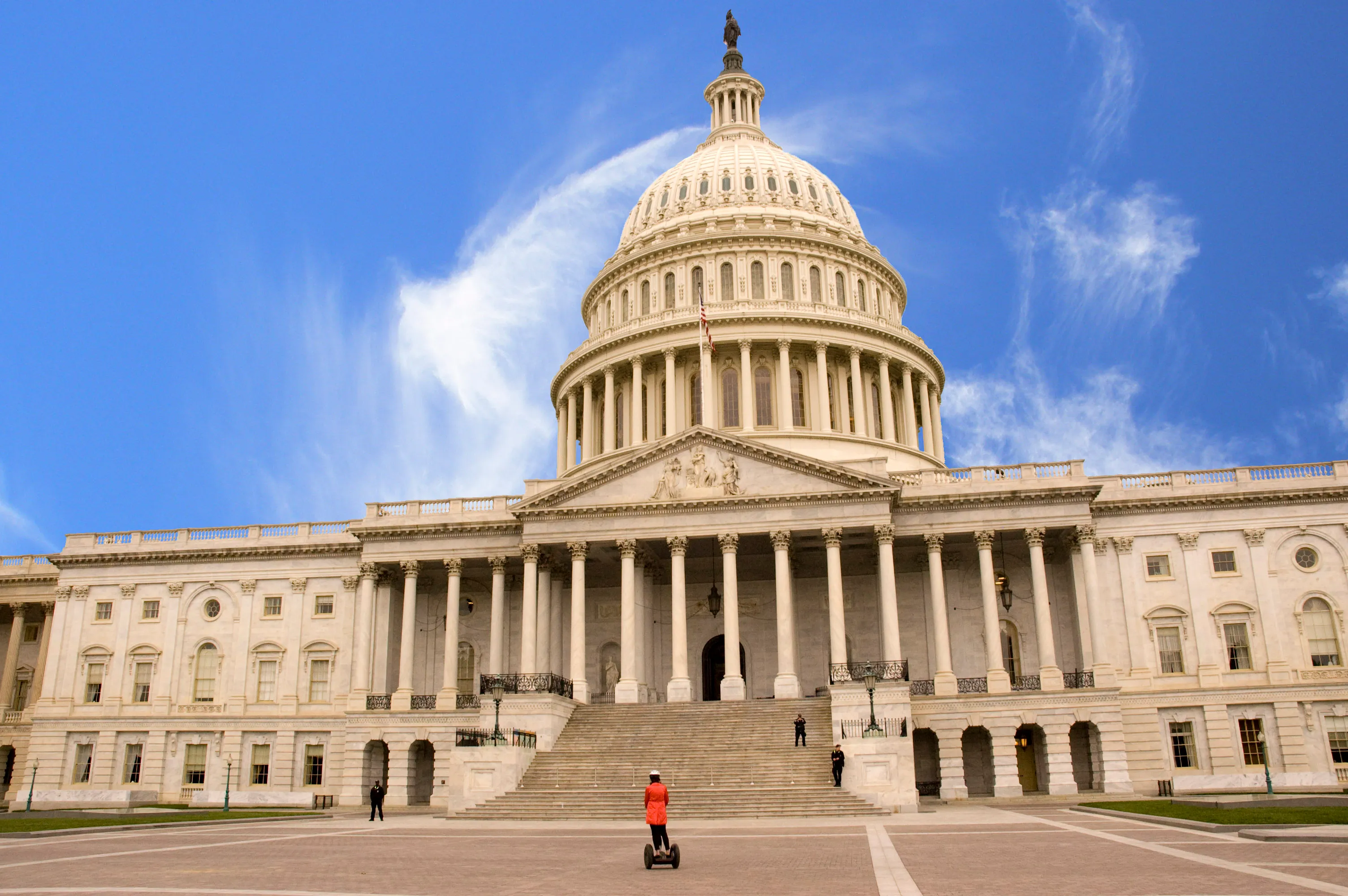
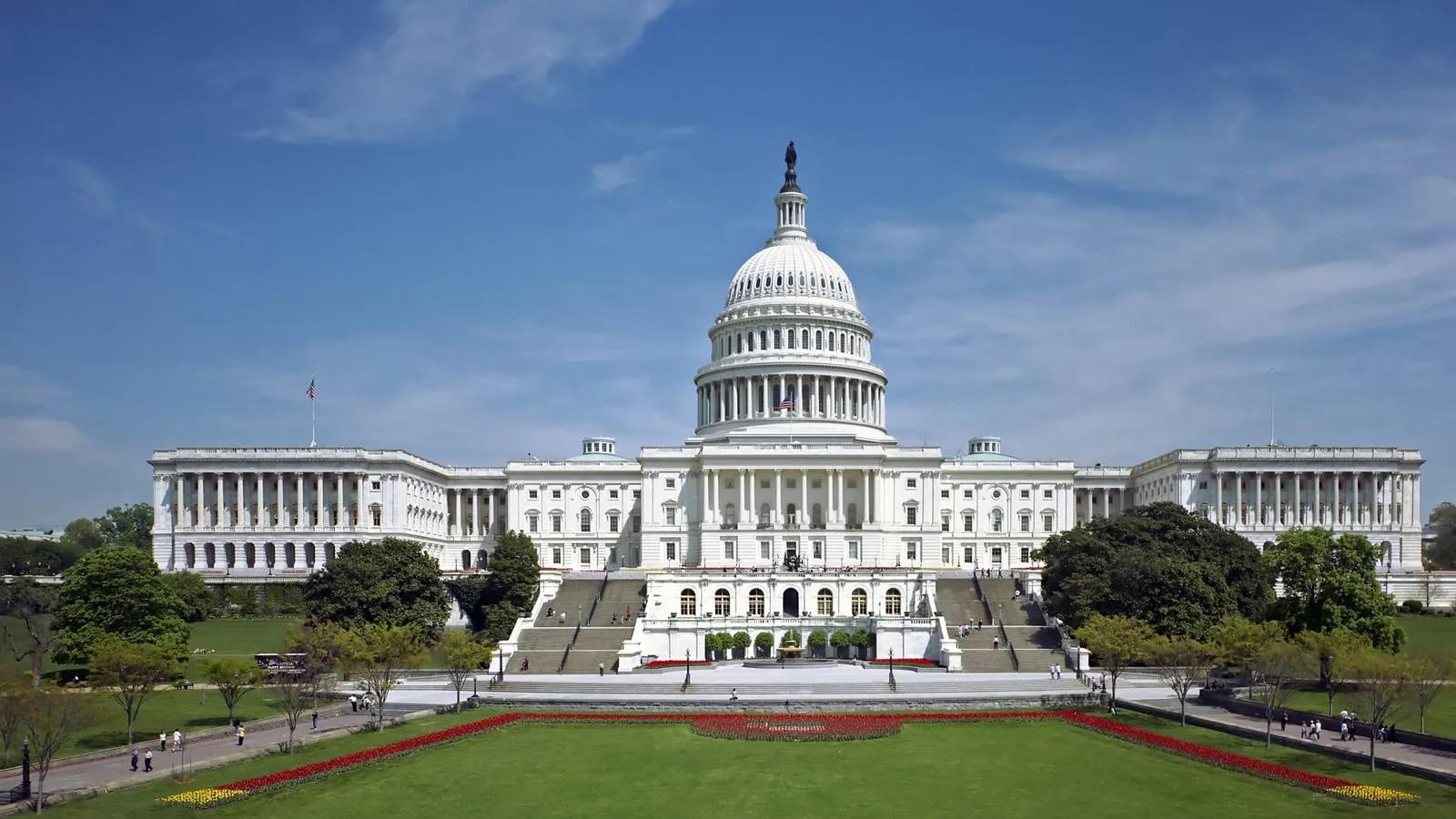
The Senate Judiciary Committee, led by Chairman Chuck Grassley, and the Senate Homeland Security Committee released their portions of the reconciliation package late Monday. Together the two committees cover the core of the immigration enforcement spending blueprint. Senate GOP leaders have set the week of May 18 as the target for a floor vote.
What the $72 billion would buy
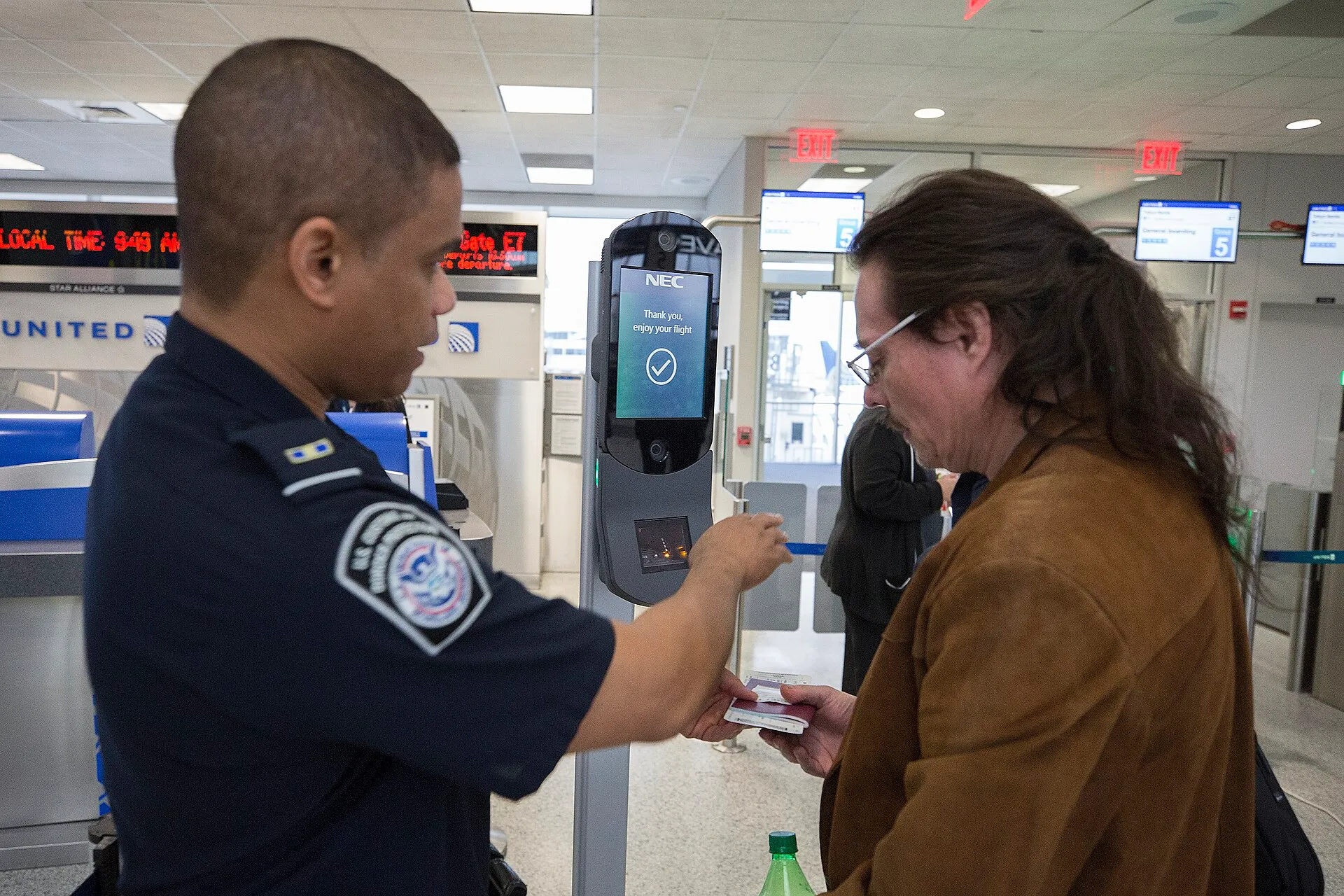
The bulk of the money would come from the Judiciary Committee: more than $30 billion to fund ICE hiring, salaries, training, and equipment through fiscal year 2029. The Homeland Security Committee’s text adds more than $22 billion for Customs and Border Protection personnel over the same window. Combined with Department of Justice and DHS administrative funding, the full package totals roughly $72 billion.
That four-year authorization is the point. ICE has roughly 20,000 officers and agents, and Republicans have argued the agency has been chronically underfunded relative to the enforcement mission they want it to carry out. Structuring the spending as a multiyear authorization, rather than a single-year appropriation, protects it from the annual budget fights that have repeatedly left DHS agencies short of funds mid-year.
Emergency DHS funds that had been keeping the Secret Service and TSA agents on the payroll were running dry as of early May, the consequence of a government funding gap that stretched into its second month without a deal. The reconciliation bill is positioned as the durable fix: a four-year authorization that doesn’t evaporate when a continuing resolution lapses.
The ballroom and what’s underneath it
Trump originally announced the East Wing Modernization Project at a cost of around $200 million. By October 2025, the estimate had climbed to $300 million. The project eventually expanded to include a new below-grade military and security complex on the East Wing site, replacing the Presidential Emergency Operations Center that was dismantled during site preparation. Trump told reporters the facility would include bulletproof windows and drone-proof infrastructure.
The private-public split on the project has been blurry. Trump has said private donors and corporations will pay for the ballroom itself, while the military separately funds the underground facility. The Secret Service line in the reconciliation bill would provide federal funding for the security infrastructure, the portion Republicans describe as distinct from the ceremonial ballroom construction.
That distinction has legal stakes. In April, a federal district judge ruled that only below-grade construction could proceed without Congressional approval. A Circuit Court appeal is pending, with a hearing scheduled for June 5. If the reconciliation bill passes before then, Congress would have explicitly appropriated $1 billion for the Secret Service’s work on the project — a development that could factor into how the courts weigh the approval question, though neither party has yet briefed the appellate court on that angle.
Republicans began tying the project explicitly to presidential security after the April 25 shooting at the White House Correspondents’ Dinner, when a California man armed with three handguns was arrested at the event perimeter and later charged with attempting to assassinate the president. The security environment around the presidency became a centerpiece of Republican justifications for the East Wing work in the weeks that followed.
The reconciliation math
Because the package moves through the budget reconciliation process, Republicans can advance it with a simple Senate majority, bypassing the 60 votes needed to break a filibuster. The Senate passed the budget resolution unlocking reconciliation 50-48 in late April, on a straight party-line vote with all present Democrats opposed.
That procedural path also subjects the bill to the Byrd rule, which bars provisions that don’t directly affect the federal budget from hitching a ride through reconciliation. Straightforward spending lines like the ICE personnel funding and the Secret Service allocation clear that test easily. Policy riders like enforcement mandates or operational directives will face closer scrutiny from the Senate parliamentarian.
Senate Minority Leader Chuck Schumer responded to the bill text’s release with pointed floor remarks. “Republicans looked at families drowning in bills and decided what they really needed was more raids and a Trump ballroom,” he said. During the late-April vote-a-rama on the budget resolution, Schumer put forward an amendment that would have redirected funds toward lowering out-of-pocket health care costs. It failed 48-50.
Democrats have also argued that reconciliation is being used to rush through spending priorities that would otherwise require bipartisan negotiation. Under normal order, immigration enforcement funding would require 60 votes for cloture, a threshold Republicans haven’t reached with their 53-seat majority.
What comes next
Senate GOP leaders have roughly two weeks before the target floor date. In that window, the Judiciary and Homeland Security committees need to finalize their texts, leadership needs to merge competing committee drafts into a single package, and the parliamentarian needs to complete the Byrd rule review. Trump has set a June 1 deadline for completing the broader reconciliation process, a timeline some Republican members have called tight given the competing demands from multiple committees working in parallel.
If the bill clears the Senate, it still faces the House, where Republican leaders have their own reconciliation priorities. The two chambers would need to reconcile their versions, and provisions like the $1 billion ballroom security line will receive scrutiny in a House conference. Whether that line survives is a separate question from whether the Senate passes it.
For now, Monday’s text release marks a concrete step: the bill exists in writing for the first time, with specific dollar amounts, authorization timelines, and legislative language. For 18 months, Republicans had promised an immigration enforcement investment of this scale. Senate committees have now put a number on it.
Sources 6 cited · 2 primary
- Reconciliation bill text would fund ICE, CBP, ballroom security
- Senate GOP unveils $72 billion proposal to fund ICE, Border Patrol through 2029
- Senate GOP Seeks $1 Billion for Secret Service, Trump Ballroom
- Senate GOP eyes $1 billion for Trump ballroom security as part of ICE, border patrol package
- Leader Schumer Floor Remarks Denouncing Senate Republicans' Efforts To Pass A Partisan Reconciliation Bill That Prioritizes Trump's Demands Over The Needs Of American Families
- Trump's ballroom fight sheds new light on an underground White House bunker
American Courant cites its sources and links to primary documents where they exist. How we report →