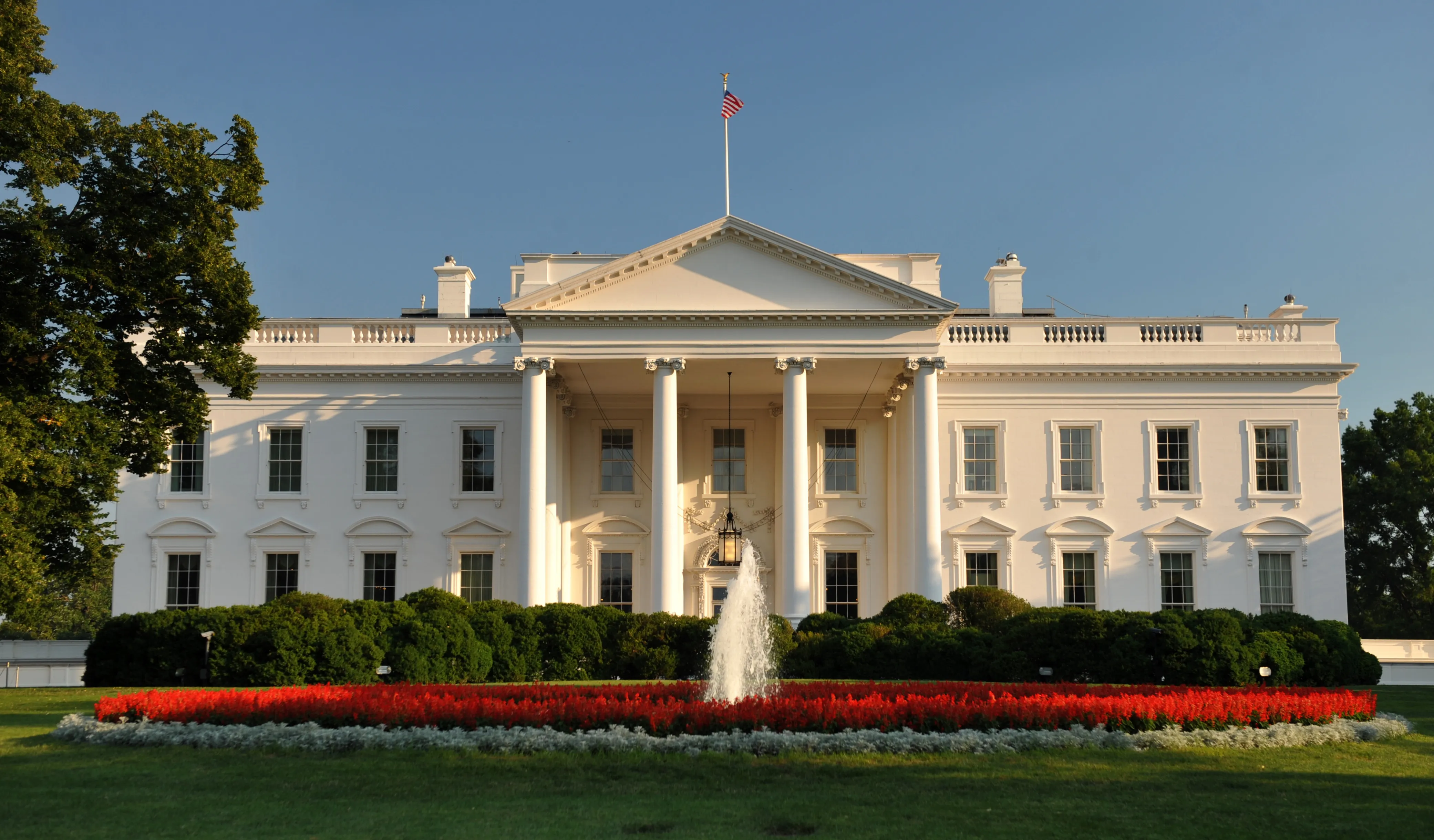
A 21-year-old Maryland man with a prior arrest at a White House security post and an outstanding bench warrant for a missed court hearing opened fire Saturday evening on Secret Service officers at an outer perimeter checkpoint at 17th Street and Pennsylvania Avenue NW, setting off a brief but intense exchange of gunfire that left him dead and a bystander hospitalized, the Secret Service confirmed.
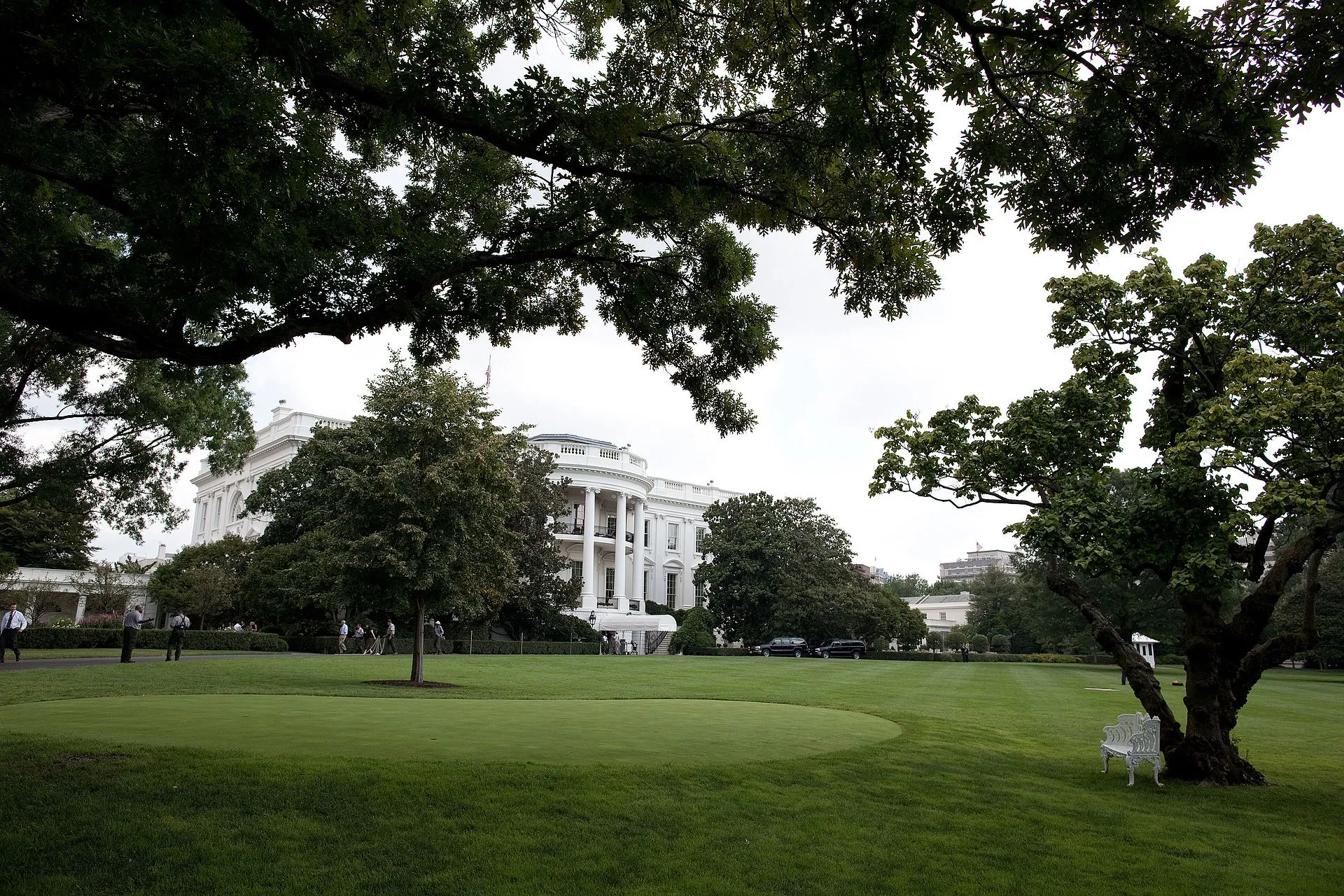
The shooting took place shortly after 6 p.m. Eastern time at a checkpoint adjacent to the Eisenhower Executive Office Building, one of several outer security barriers ringing the White House complex. The man, identified by federal law enforcement officials as Nasire Best of Maryland, removed a weapon from a bag and began shooting at posted officers. Approximately 15 to 30 shots were fired, according to officials briefed on the incident. Secret Service officers returned fire, striking Best, who was transported to a Washington-area hospital and later died.
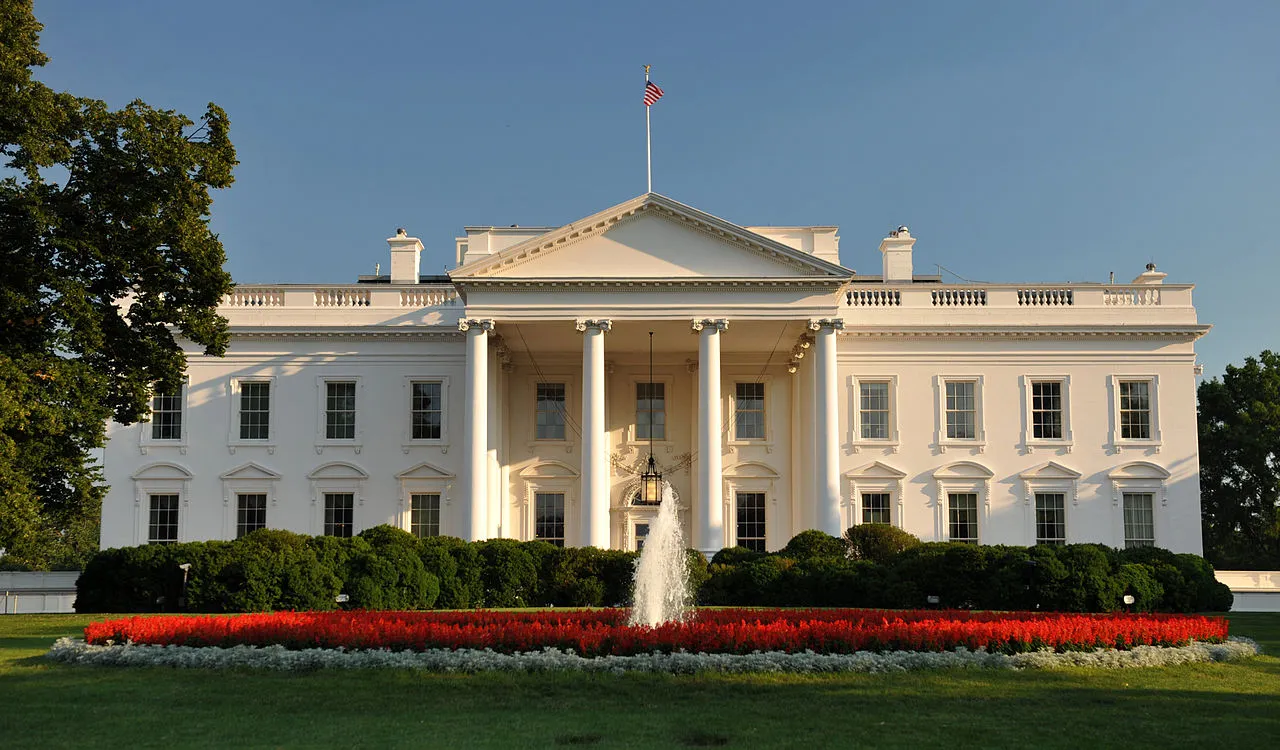
No Secret Service officers were hospitalized; several were evaluated at the scene. President Trump was inside the White House at the time and “was not impacted,” a Secret Service spokesperson said. The incident was the third exchange of gunfire in the vicinity of Trump in a single month.
The Sequence of Events
According to the Secret Service’s preliminary investigation, Best approached the 17th Street and Pennsylvania Avenue checkpoint in the early evening and “removed a weapon from his bag and began firing at posted officers.” The checkpoint sits at the edge of the White House complex near the intersection of two of Washington’s busiest public corridors, a location used by tourists, federal workers, and D.C. commuters throughout the day.
The burst of gunfire prompted an immediate lockdown of the surrounding blocks, including portions of Pennsylvania Avenue, Lafayette Square, and the adjacent stretch of 17th Street. The White House complex was secured. Multiple agencies responded, including uniformed and plainclothes Secret Service personnel and officers from the Metropolitan Police Department of the District of Columbia.
Officers returned fire and struck Best. He was transported by emergency medical services to a nearby hospital, where he died from his wounds.
One bystander was struck by a round during the exchange. Law enforcement officials said the young male was rushed to a Washington hospital in serious condition and underwent surgery Saturday evening. Whether the round that struck him was fired by Best or by a Secret Service officer remained unclear in the preliminary investigation; officials said they were reviewing security camera footage and witness accounts.
Trump had no public engagements on Saturday evening. The White House released no statement beyond the confirmation that the president was not in danger.
Who Was Nasire Best
Best, 21, had lived in the Washington, D.C., area for approximately 18 months at the time of Saturday’s shooting. He had two documented prior contacts with law enforcement at the White House, contacts that together raised immediate questions about how he was able to return to the area with a weapon and reach an active security post.
The first contact occurred on June 26, 2025, when Secret Service agents detained Best near the White House after he approached officers and made unspecified threats. That incident did not result in a formal criminal charge but established Best in agency records as an individual of concern.
Less than a month later, in July 2025, Best returned to a different White House checkpoint and attempted to enter without authorization. He failed to comply with officers’ commands to stop. According to District of Columbia court records reviewed by law enforcement officials, Best told officers he was Jesus Christ and said he wanted to be arrested. He was taken into custody and subsequently committed to a psychiatric facility for mental health evaluation and treatment.
Following his release, a judge issued a pretrial stay-away order — a judicially mandated prohibition on Best’s presence in the area around the White House. That order was intended to prevent exactly the kind of return that occurred Saturday. In August 2025, however, Best failed to appear for a scheduled court hearing, and a bench warrant was issued in his name. A notice of noncompliance was entered in D.C. court records, but the warrant remained outstanding rather than being immediately executed.
It was not publicly known Saturday whether the Secret Service had been formally notified of the outstanding bench warrant or whether Best had been placed on any active watch list after the July 2025 arrest. The agency did not comment on its monitoring procedures.
A Documented Pattern at a Vulnerable Perimeter
The Saturday checkpoint shooting was, according to law enforcement officials, the third incident of gunfire in the vicinity of President Trump within a single month — a frequency that immediately drew attention on Capitol Hill and among security analysts.
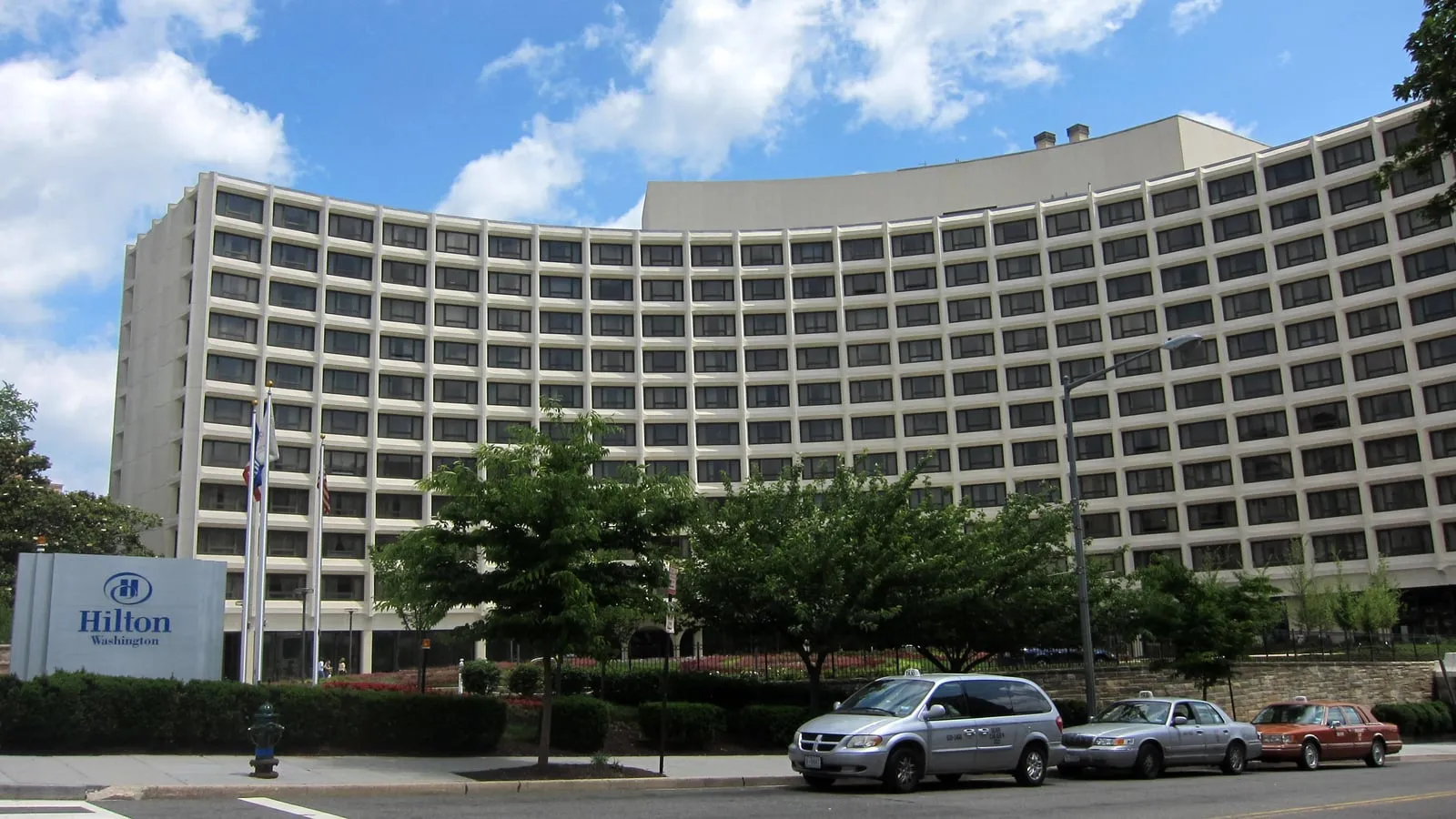
In late April, an armed California man reached the security perimeter near the White House Correspondents’ Dinner at the Washington Hilton, carrying a shotgun, a handgun, and knives. Trump was not at the event, but the breach occurred at a location under Secret Service and Metropolitan Police oversight and became the subject of a formal review.
The pace of security incidents coincides with a period of operational strain for the Service. A late-April report on DHS emergency funds detailed how more than 70 days of a partial government shutdown had nearly exhausted contingency payroll reserves for Secret Service agents and Transportation Security Administration officers. A congressional funding deal was subsequently reached, but the underlying resource and staffing pressures on the agency have drawn sustained attention from oversight committees.
Experts in executive protective security have noted that the White House’s outer perimeter — the ring of checkpoints, barriers, and observation posts that encircle the complex before any interior security layer — is necessarily exposed to public access in a way that inner perimeters are not. The 17th Street checkpoint where Saturday’s shooting occurred is a public-facing post, required to remain accessible for credentialed visitors, contractors, and federal employees while also screening for threats. That combination of access and exposure makes it one of the more complex posts in the Secret Service’s protective footprint.
What the Incident Reveals About the System
The specific questions raised by Best’s case are procedural and institutional rather than tactical. The central issue is not what happened at the checkpoint Saturday evening — officers appear to have responded as trained, and no agent was seriously hurt. The more durable question is how a person under a judicial stay-away order, with a documented history of threatening behavior at the same location, arrived at an active checkpoint with a firearm.
Stay-away orders are civil judicial instruments with limited enforcement mechanisms. They prohibit a person from entering a defined area but do not automatically trigger ongoing surveillance, GPS monitoring, or proactive notification to protective agencies. Their practical effectiveness depends on the individual’s compliance and on coordination between the issuing court, local police, and any relevant federal agencies — coordination that, in the D.C. metro area’s layered jurisdictional environment, is not always seamless.
The outstanding bench warrant for Best’s missed hearing had generated a court notice of noncompliance, but bench warrants in D.C. for lower-level pretrial violations are not uniformly prioritized for active enforcement given the court system’s caseload. Whether the warrant would have been executed before Saturday absent the shooting will be among the questions in any formal after-action review.
The Secret Service said Saturday night that its investigation was ongoing and that further details would be released as they became available. D.C. Metro Police were separately investigating the bystander shooting. No additional arrests were made in connection with the incident.
Sources 5 cited · 2 primary
- U.S. Secret Service preliminary statement after shooting incident near the White House
- Secret Service kills man who opened fire at White House security checkpoint
- Gunman killed after opening fire on Secret Service checkpoint outside White House, officials say
- Man killed in shooting outside White House had previous Secret Service arrest, mental health concerns
- Suspect dead after opening fire near White House security checkpoint, Secret Service says
American Courant cites its sources and links to primary documents where they exist. How we report →