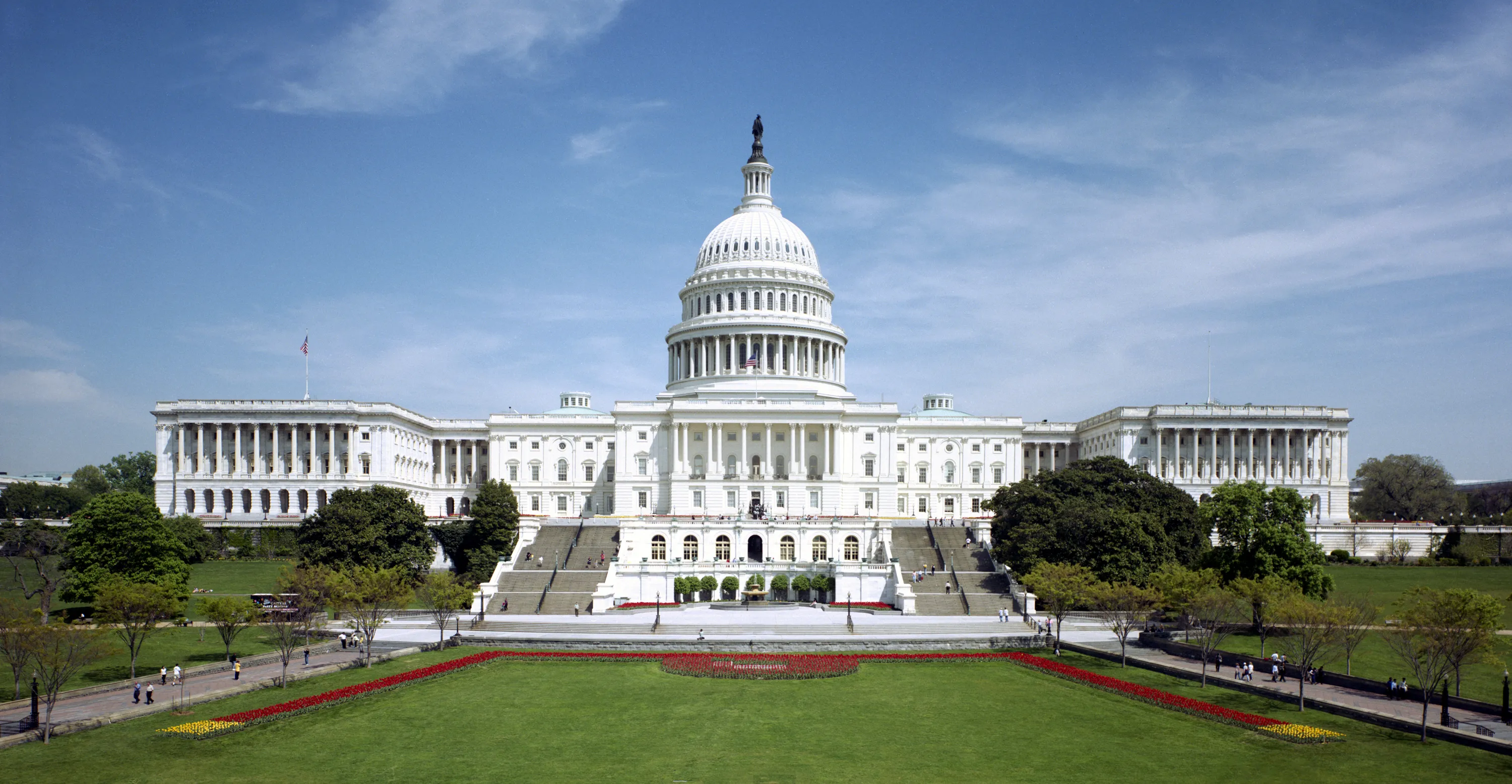
Section 702 of the Foreign Intelligence Surveillance Act, the legal authority intelligence officials describe as the single most productive tool the United States has for spying on foreign targets, is set to lapse today. The House had one last chance to keep it alive Thursday and didn’t take it: a short-term extension failed 198 to 218, with seven Democrats voting yes and 19 Republicans voting no. Then the chamber left town for a weeklong recess. It is not scheduled back until June 23.
It is tempting to file this under “Congress is broken,” shrug, and move on. Resist that. The instinct to treat every Washington failure as interchangeable dysfunction obscures what is specific and avoidable about this one. Section 702 is a law that, in normal times, both parties find a way to renew because the alternative is uncomfortable for whoever is in charge of national security. The reason this renewal collapsed is not generic gridlock. It is a single, deliberate choice by President Donald Trump — and the spy power lapsing is the price of it.
What actually lapsed, and what didn’t
Start with the honest version of the stakes, because the political rhetoric on both sides is inflated.
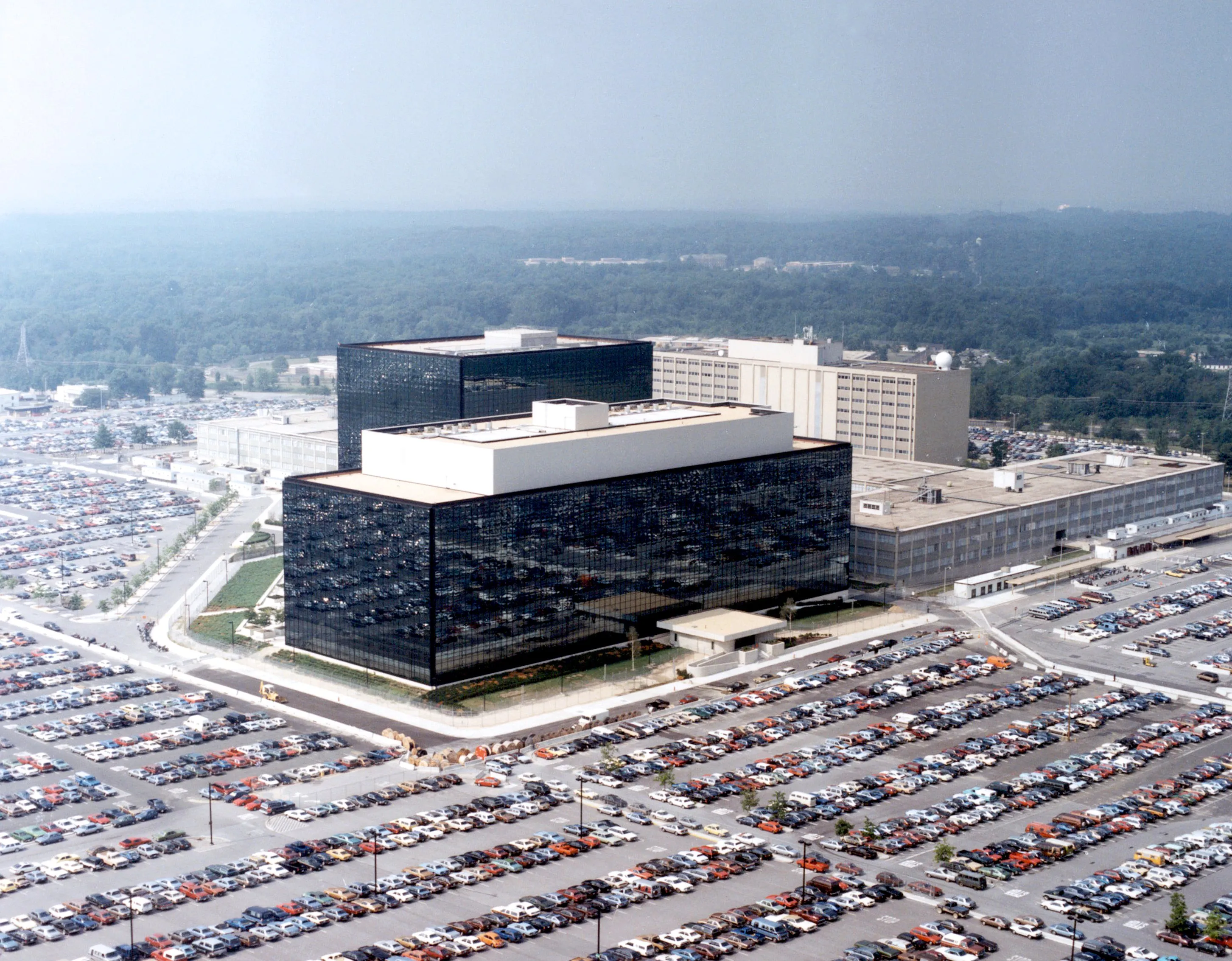
Section 702 lets agencies including the National Security Agency, CIA, and FBI collect the communications of foreign targets located outside the United States without an individual warrant. According to the intelligence community’s own accounting, it feeds more than half of the material in the President’s Daily Brief. House Speaker Mike Johnson, a Louisiana Republican, called the timing reckless. “It’d be a very dangerous time to allow us to not have that important national security tool,” Johnson said Wednesday, ticking off the World Cup and the country’s coming 250th-anniversary events as reasons the country needs every tool it has.
That alarm is real but overstated, and the overstatement matters. Under the law’s transition provisions, collection authorized by certifications the Foreign Intelligence Surveillance Court already approved, which it did in March 2026, can continue until those certifications expire, roughly a year out. In practical terms, the lights do not go dark at midnight. What the government loses immediately is narrower and, in its own way, more telling: the ability to compel new companies to cooperate with new directives, the legal immunity that backs that cooperation, and the programmatic court review, minimization rules, and compliance reporting that Congress bolted onto 702 specifically to keep it accountable. The collection survives for now. The oversight scaffolding is what starts coming down.
So the country is not suddenly blind. But it is operating a sprawling surveillance program on borrowed time and degraded supervision, which is close to the worst of both worlds: the spying continues, the guardrails weaken, and no one chose that outcome on the merits. It happened because the politics failed.
The hostage was created on purpose
Here is the part that is not generic. Democrats have been blunt that their objection is not to Section 702 in the abstract. It is to who Trump put in charge of the agencies that wield it.
In early June, Trump named Bill Pulte, the head of the Federal Housing Finance Agency, as acting director of national intelligence, replacing Tulsi Gabbard, who is set to leave the post later this summer. Pulte has no national security or intelligence background, an unusual résumé for a job Congress created after the September 11 attacks and wrote to require extensive national security expertise. That alone would have made the appointment contentious. What made it radioactive is what Pulte did with the job he already had.
From his perch at the housing-finance regulator, and amplified by a large social-media following, Pulte publicly accused several of the president’s perceived adversaries of mortgage fraud, among them Federal Reserve Governor Lisa Cook, New York Attorney General Letitia James, and Senator Adam Schiff, a California Democrat. House Democrats have asked the nonpartisan Government Accountability Office to examine whether he misused federal authority and resources to level those accusations. Now the same official is the acting steward of programs that can read people’s communications. Democratic leaders, among them Hakeem Jeffries, Whip Katherine Clark of Massachusetts, caucus chair Pete Aguilar of California, Intelligence Committee ranking member Jim Himes of Connecticut, and Judiciary ranking member Jamie Raskin of Maryland, said in a joint statement that they “cannot in good conscience vote for reauthorization without significant reforms to protect both national security and the constitutional privacy rights of Americans.”
You don’t have to accept every Democratic framing to see the logic. The unease isn’t confined to the opposition party. Senate Majority Leader John Thune, a South Dakota Republican, said the quiet part out loud: “We don’t need a weaponized DNI. We need professionals there.” When the leader of the president’s own party in the Senate is publicly questioning the fitness of the president’s intelligence pick, the problem is not partisanship. It is the pick.
Trump could defuse this in an afternoon by naming a credentialed nominee and letting 702 pass on its own considerable merits. He has chosen not to, doubling down on Pulte instead. That choice, not Democratic obstruction and not House math, is what converted a renewable law into a hostage. This is of a piece with an approach to the intelligence office we’ve criticized before, and with the broader decision to elevate Pulte over the professionals the statute envisioned for the role.
The reformers have a point too
A fair accounting has to admit the other half of the vote. Nineteen Republicans helped sink the extension, and most of them weren’t protesting Pulte. They were protesting the absence of a warrant requirement: the long-running, genuinely bipartisan demand that the FBI get a judge’s sign-off before searching 702’s vast database for Americans’ communications swept up incidentally. That is not a fringe concern. Privacy advocates across the spectrum have argued for years that 702’s “backdoor search” loophole is its most serious civil-liberties flaw, and that a lapse, however disruptive, is preferable to rubber-stamping the status quo yet again.
They are right that the program needs reform, and right that “renew it clean, every time, or you’re soft on terrorism” is exactly the kind of false choice that has kept the loophole open. If the lapse forces a real warrant requirement into the next reauthorization, some good will have come from the mess. That’s the strongest case for letting the deadline pass, and it deserves to be stated plainly rather than dismissed.
But brinkmanship is a poor instrument for thoughtful reform. The version of 702 that emerges from a panicked, post-recess scramble, drafted under deadline pressure with the program already degrading, is less likely to contain a carefully built warrant standard than a hasty patch. And the lapse weakens the very oversight architecture the reformers say they want to strengthen. You do not improve a compliance regime by first letting it expire.
Why it matters past today
The lasting damage here isn’t a one-day gap in a surveillance program that, for now, keeps running on old certifications. It’s the precedent that the country’s most consequential intelligence authority can be held open or shut as leverage in a fight over a single unqualified appointee, and that a president would rather let it lapse than give up a loyalist.
Both parties will spend the recess blaming each other, and both will have a case. But the cases are not equal. One side is demanding reforms to a flawed law and a credentialed person to run it. The other is insisting, against bipartisan objection, on keeping an inexperienced ally in a job built for professionals, and treating the expiration of a national-security tool as an acceptable cost of that insistence. When lawmakers return on June 23, the question isn’t really whether they can find the votes for 702. It’s whether the man who manufactured the standoff is willing to stop. Until he is, the tool stays in limbo, the guardrails keep eroding, and the country keeps paying for a fight it never needed to have.
Sources 7 cited · 2 primary
- FISA Section 702 Sunset, Authorization, and Potential Extension
- FISA Section 702 and the 2024 Reforming Intelligence and Securing America Act
- Foreign surveillance program to expire Friday after House blocks extension
- House rejects last-ditch FISA extension ahead of Friday deadline
- Trump's pick for intel chief could imperil a key U.S. spy tool. Who is Bill Pulte?
- Section 702 of the Foreign Intelligence Surveillance Act, Explained
- 19 House Republicans Bucked Their Party After GOP Leaders Refused To Include Warrant In Spy Tool Extension
American Courant cites its sources and links to primary documents where they exist. How we report →