The New York Knicks had not played in an NBA Finals in 27 years. When they finally got back, the rest of the country tuned in to watch.
Game 1 of the Knicks’ Finals against the San Antonio Spurs drew an average of nearly 17 million viewers on ABC, peaking at 19.63 million late in the broadcast — the most-watched Finals opener in the network’s history and the league’s biggest Finals audience for any game since 2019. The number was up 90% from last year’s Finals opener. After a decade of hand-wringing about whether the NBA could still command a mass television audience, the league has its answer, and it has a familiar address: Madison Square Garden.
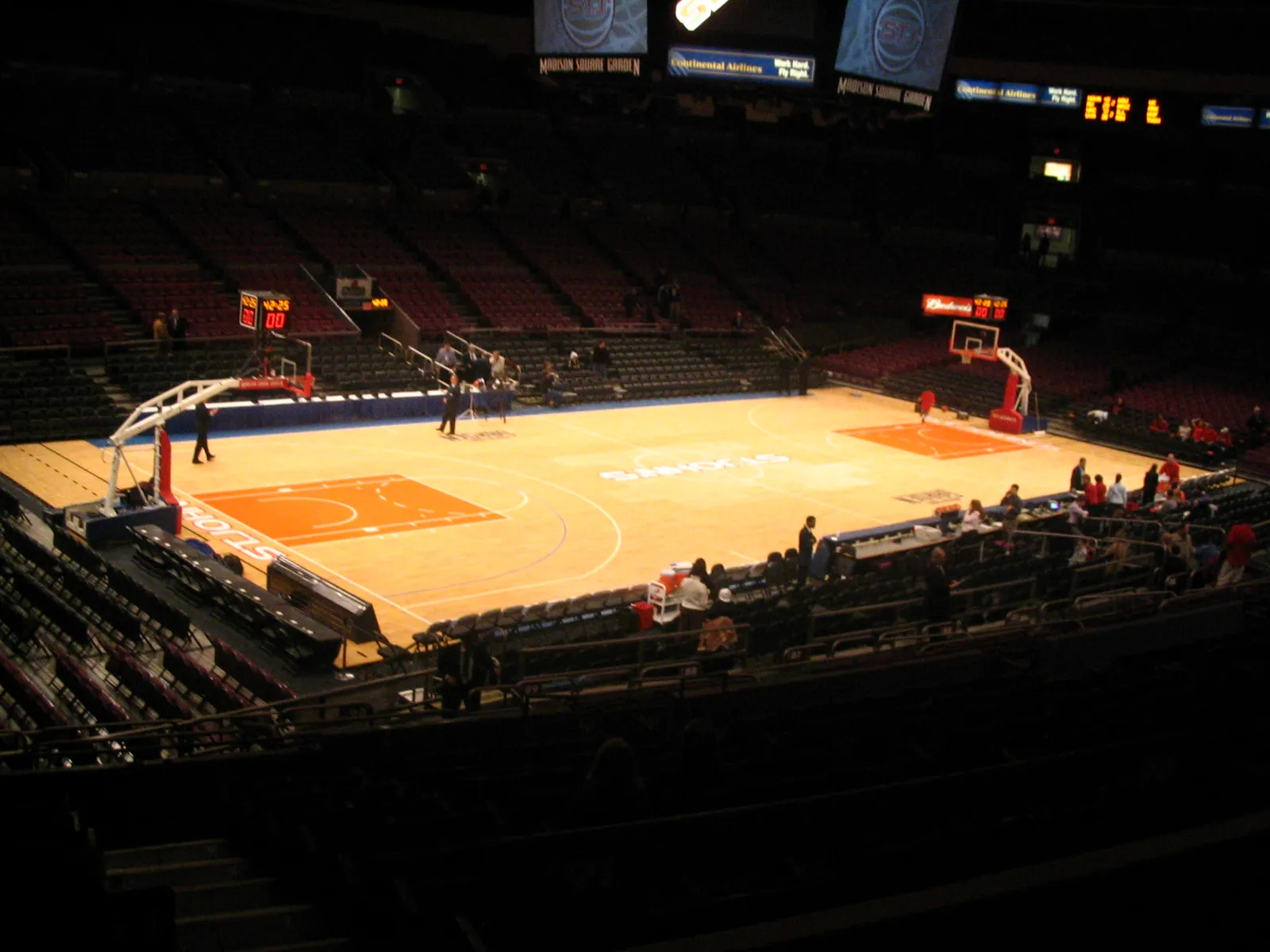
The series has only deepened the draw. The Knicks won the first two games in San Antonio — 105-95 and then a 105-104 thriller — to take a 2-0 lead, becoming the first team since 1995 to open the Finals with two road wins. On Monday night the series came home to a roaring Garden for Game 3, the building’s first Finals game since 1999, with heavy NYPD security ringing the arena and President Trump among the courtside crowd. The result of that game does not change the story that has already taken shape around it: New York’s return has turned a basketball series into one of the year’s largest shared television events.
Why the Ratings Are Surging
There is no mystery to most of it. New York is the country’s largest media market, the Knicks are one of the most valuable and most followed franchises in American sports, and the team had been absent from the sport’s biggest stage for a generation. Put a long-suffering, big-market fan base back in the Finals and the audience follows — that is the oldest equation in sports television.
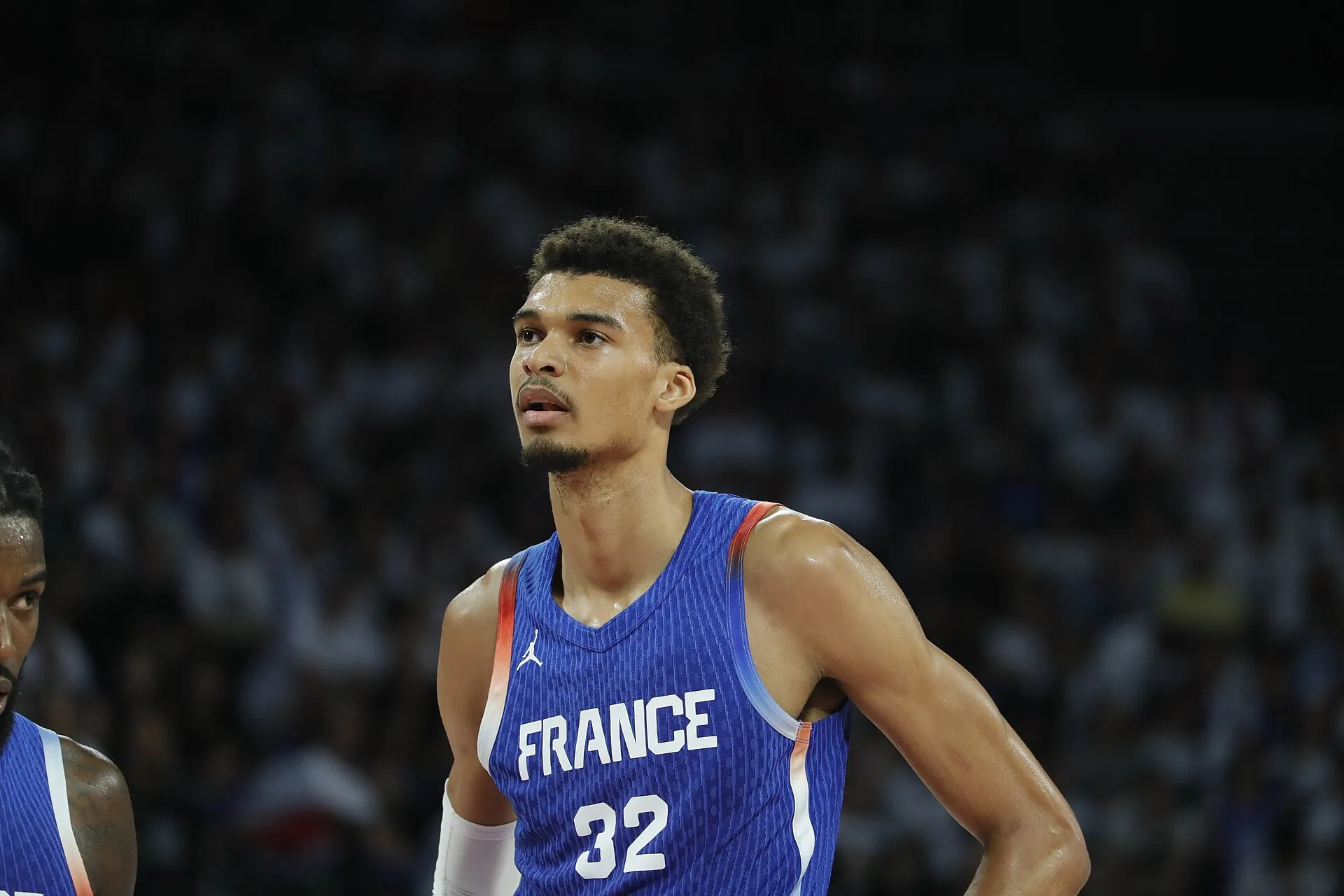
What makes 2026 unusual is that the Knicks are not the only draw. The Spurs arrived carrying Victor Wembanyama, the 7-foot-4 French phenom whose every appearance has become event television in its own right, and the Knicks counter with Jalen Brunson, the homegrown star who has become the face of the franchise’s revival. A dominant big-market team, a generational opponent, and a tight, competitive series is the rare combination that pulls in casual viewers who would not otherwise watch a Tuesday-night basketball game.
The Finals number also did not come out of nowhere. The 2026 playoffs had been building toward it: the NBA said the postseason delivered its highest viewership through the conference semifinals in 29 years, and the Spurs’ conference finals run posted some of the strongest numbers in years. Those records deserve a caveat — as critics noted during the spring, year-over-year comparisons are complicated by the way games are now split across broadcast, cable, and streaming, which makes “most-watched in 24 years” claims harder to take at face value. But even adjusting for the noise, the trend is real, and Game 1’s audience is a clean, comparable figure: it is simply the biggest Finals number in years.
The Business Behind the Moment
For the NBA and for Disney, which airs the Finals on ABC, a New York title run is close to a best-case scenario. The league is at the front end of a new era of media-rights economics, having signed a reported $76 billion in 11-year national broadcast deals with Disney, NBC, and Amazon — agreements that began rolling out this season and that more than doubled the value of the league’s previous contracts. The worth of those deals rests on a single assumption: that the NBA can still deliver the kind of mass audience advertisers pay a premium to reach. A Finals drawing 17 to 20 million viewers a game, anchored by the country’s biggest market, is exactly the proof of concept the league needs to point to as the new contracts take hold.
The ratings boom fits a broader pattern across live entertainment, where the events that still reliably gather a huge simultaneous audience have become disproportionately valuable precisely because so little else does. It is the same dynamic that pushed the closest Indianapolis 500 ever to its largest audience since 2008 and that keeps marquee sports rights among the most fiercely contested assets in media. In a fragmented attention economy, the live event that everyone watches at once is the scarce commodity, and a Knicks Finals is about as close to appointment television as American culture produces anymore.
There is a civic dimension, too, that the raw numbers miss. The arrests outside the Garden after the Knicks’ Game 2 win, the security cordon for Game 3, the President in attendance — these are the trappings of an event that has spilled past the sports page into the city’s life and the national conversation. New York has not had a championship-contending Knicks team to rally around in a long time, and the intensity of the response is a reminder of how much cultural weight a single team can carry when it finally breaks through.
A Rivalry With History
The matchup carries a rhyme that has not been lost on longtime fans. The last time the Knicks reached the Finals, in 1999, they lost to these same San Antonio Spurs, who won the first of their championships at New York’s expense. Twenty-seven years later, the Knicks are back against the same opponent, this time holding the early advantage rather than chasing it.
That history is part of why the series resonates beyond the box score. The Knicks’ drought — no Finals since 1999, no title since 1973 — is long enough that an entire generation of fans has grown up never seeing the team play for a championship. The earlier games in the series have already produced the kind of drama that builds an audience: the one-point Game 2 escape in San Antonio sent the Knicks home with a commanding lead and the city into a frenzy. For more on how the matchup was framed at the outset, our Game 1 preview laid out the stakes.
What Comes Next
The ratings will almost certainly climb from here. Finals audiences typically build as a series goes deeper, and a Knicks team two wins from a title — playing at home, in the nation’s biggest market, against a charismatic opponent — is the setup networks dream about. If the series extends, the later games should challenge Game 1’s numbers and push the 2026 Finals toward the largest cumulative audience the NBA has assembled in years.
Whatever the Knicks do with their lead, the league has already gotten what it most needed from this June: evidence that, given the right teams and the right stage, the NBA Finals can still stop a country to watch. For more on the media and sports stories shaping the national conversation, see our Sports coverage.
Sources 5 cited · 1 primary
- Knicks-Spurs was most-watched NBA Finals Game 1 since 2018
- Knicks-Spurs Finals Begins on Red-Hot Viewership Pace for ABC
- Star power: Viewership for Game 1 of NBA Finals up 90% over last year's series opener
- Knicks-Spurs opener nears 17 million viewers in NBA's top game since 2019
- NBA's claim of 'most-watched conference finals in 24 years' is misleading because of broadcast changes
American Courant cites its sources and links to primary documents where they exist. How we report →