For three quarters on Wednesday night, Madison Square Garden looked like the wrong place to be. The San Antonio Spurs led the New York Knicks by as many as 29 points, Victor Wembanyama was towering over everything, and a building that had waited a generation for a Finals night was going quiet. Then the Knicks did something no team in the history of the NBA Finals had ever done.
New York rallied all the way back to win Game 4, 107-106, the largest comeback in Finals history. The victory put the Knicks ahead 3-1 in the best-of-seven series and left them one win from their first championship since 1973 — a title drought stretching 53 years that could end Saturday in San Antonio. What had been a tense, competitive Finals turned overnight into a referendum on whether one of basketball’s marquee franchises is finally about to break its long wait.
The Cultural Stakes
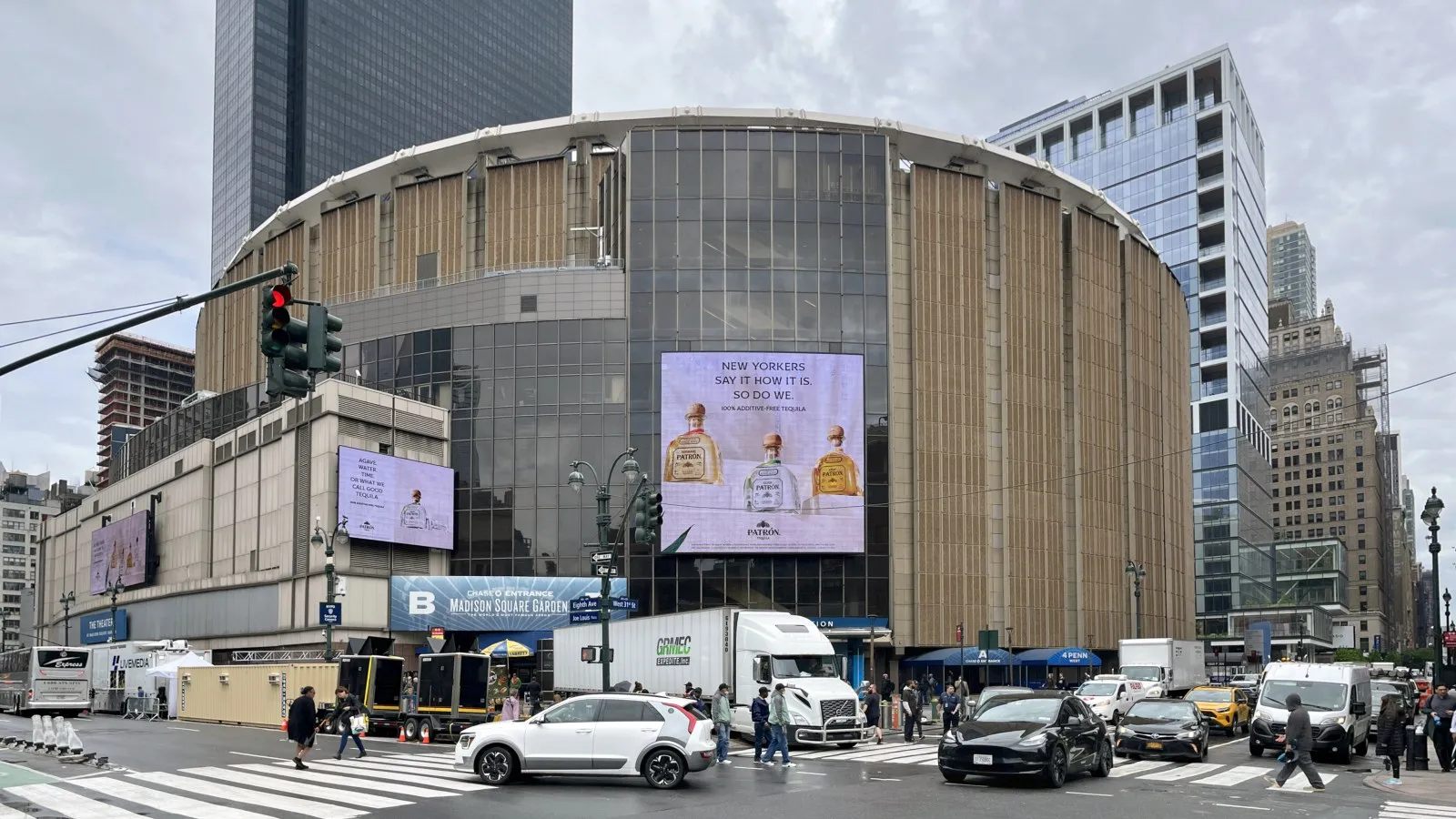
The Knicks are not just any team chasing a trophy. They are the NBA’s most valuable franchise and one of its most scrutinized, playing in the league’s most famous arena in its largest media market. The franchise has not won a title since the Nixon administration, a gap that has become part of the team’s identity and a recurring subject of New York sports lore. A championship would not merely reward a good season; it would close a story the city has been telling itself, and arguing about, for half a century.
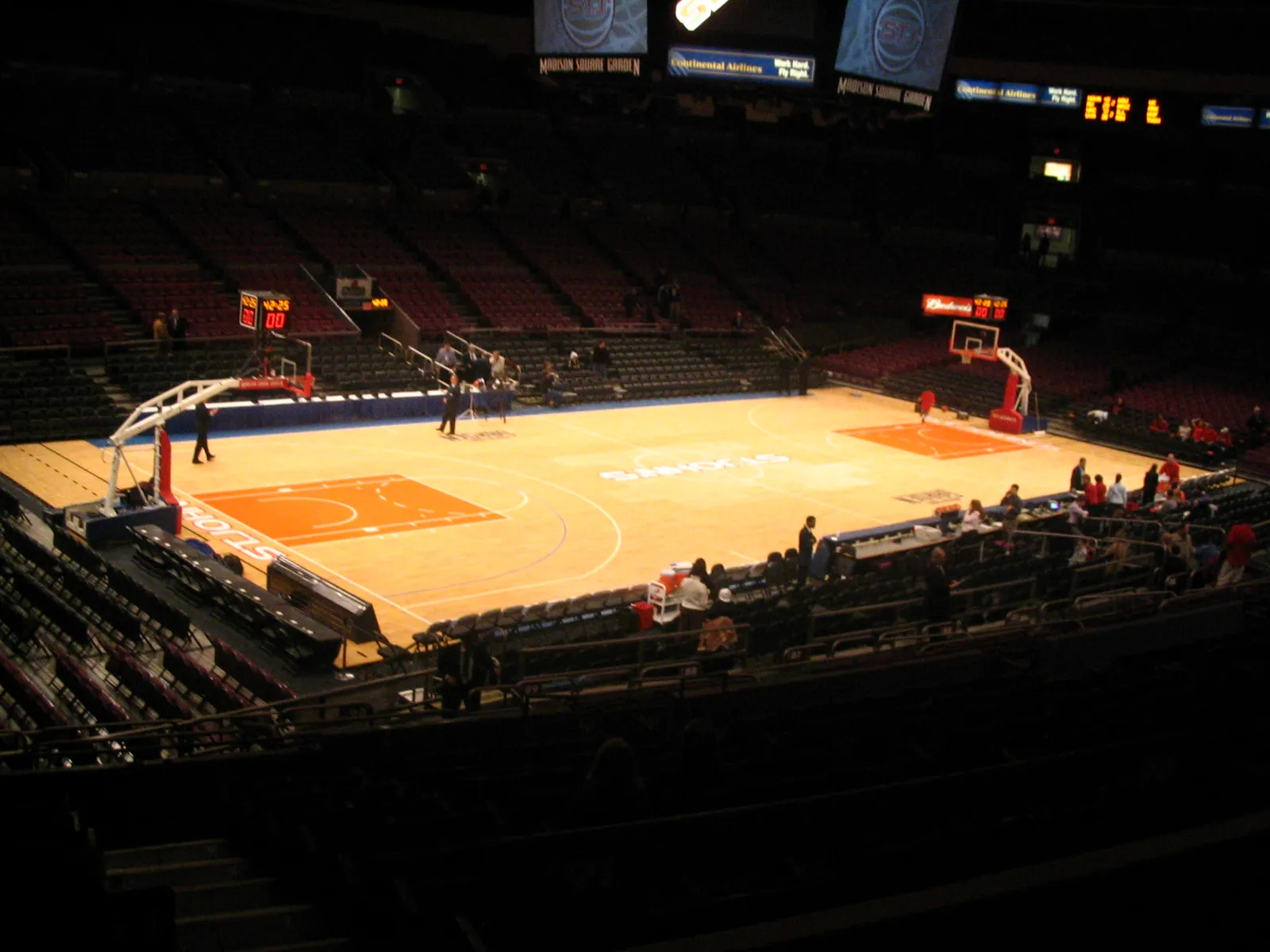
That is why this Finals has carried weight beyond the basketball. The series marked the return of the NBA Finals to Madison Square Garden for the first time in 27 years, and the demand reflected it — fans waited through long security lines, and some paid five-figure sums for a single ticket. The Garden has spent decades as a place where great players came to perform for someone else’s championship. This June, for the first time in a generation, the home team is the one with everything to play for.
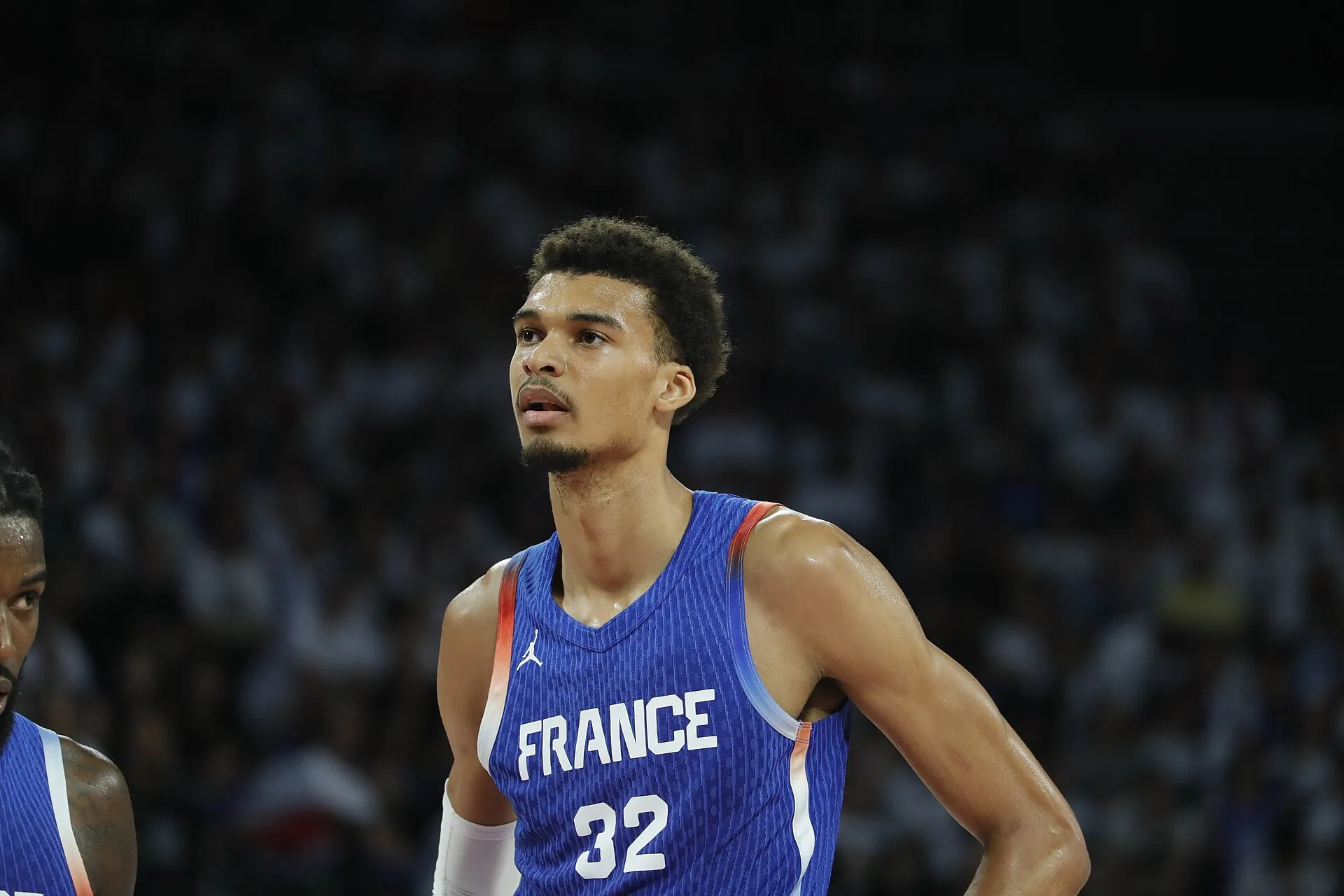
There is also a generational subplot. The opponent, the Spurs, are built around Wembanyama, the 7-foot-4 French center who is the reigning Defensive Player of the Year and was the Western Conference finals MVP. He has been the best player on the floor for stretches of this series, averaging better than 23 points, 10 rebounds and three blocks a game through the playoffs. A Knicks title would come at the expense of the sport’s most captivating young talent — and the matchup is itself a rematch of the 1999 Finals, when San Antonio beat New York for the first of its championships.
How the Comeback Happened
The scale of the rally is what lifts it into history. No team had ever erased a deficit larger than 24 points to win a Finals game — the mark Boston set against the Lakers in 2008 — in the era since the league began keeping detailed play-by-play data in 1997. The Knicks were down 29. San Antonio had shot the ball brilliantly in the first half and carried a commanding lead into the break, the kind of margin that ends competitive games rather than launches legendary ones.
New York chipped at it through the third quarter and kept coming in the fourth, behind Jalen Brunson, the All-Star guard who has become the face of this Knicks era and who finished with 36 points. OG Anunoby added 33. The finish was the kind that replays for years: in the closing seconds, Brunson took the inbounds pass and launched a long three-pointer that caught the front of the rim. Anunoby rose above the San Antonio defense and tipped the ball in with 1.2 seconds remaining, the winning basket in a one-point game and the exclamation point on the biggest comeback the Finals has ever seen.
Games like that do not just change a series; they become shared reference points. The 29-point rally instantly entered the short list of signature Finals moments, the sort of sequence that defines how a championship run is remembered regardless of what happens next.
Why Fans Are Paying Attention
Beyond the city limits, the series has been good for the league. The Knicks’ deep run has drawn the NBA some of its strongest Finals viewership in years, the kind of audience that a major-market team with a long drought and a star guard reliably produces. A New York team on the brink of a title, in the Garden, after a record comeback, is close to a best-case scenario for a sport that lives on its biggest stages and its biggest markets.
It also lands during a crowded summer on the American sports calendar, with the World Cup having just opened across North America and competing for attention. Even against that backdrop, a potential Knicks coronation has held its grip on the national conversation — proof that drama and history still cut through, and that a 53-year wait nearing its end is a story even casual fans want to watch finish. For readers following the moment, our sports coverage is tracking the series to its conclusion.
The stakes cut both ways. The Spurs, despite the Game 4 collapse, remain very much alive; a team down 3-1 needs to win three straight, but it would be doing so with the league’s most disruptive defensive force and home court for the next game. The same building that just witnessed history could, in San Antonio, become the site of a counter-narrative.
How the Knicks Got Here
The path to this point has been its own kind of statement. New York reached the Finals by sweeping Cleveland in the Eastern Conference finals, a tidy dismissal of a top seed that announced the Knicks as more than a feel-good story. Brunson has anchored the run as the team’s offensive engine and emotional center, the player a Garden crowd looks to in the tight minutes, with Anunoby providing the two-way length that has let New York match up against bigger, longer opponents — Wembanyama included.
Closing out a Finals, though, is a separate test from getting to one. Teams with a 3-1 lead win the series the overwhelming majority of the time, but the games that end championships are the hardest to win, and they tend to get harder on the road, where the Knicks will try to finish. San Antonio will have its crowd, its rest and the knowledge that one loss ends New York’s season-long quest. For a franchise that has authored plenty of June heartbreak over five decades, the difference between leading 3-1 and lifting a trophy is exactly the kind of gap Knicks fans have learned not to take for granted.
What Comes Next
The series shifts to San Antonio for Game 5 on Saturday, with the Knicks holding their first championship point of the season. A win ends the wait. A loss sends the series back to New York for a Game 6 at the Garden and hands the Spurs a foothold and the momentum of having survived.
For the Knicks, the math is simple and the history is heavy: one more victory completes a run that, after Wednesday night, already has its defining moment. For San Antonio and Wembanyama, the task is to prove that the most stunning comeback in Finals history was a single night rather than a turning point. Either way, a Finals that has already produced an instant classic is guaranteed at least one more chapter — and, for a New York franchise that has waited since 1973, possibly the only ending that has ever mattered.
Sources 5 cited · 1 primary
- Starting 5: Knicks complete epic comeback in Game 4, go up 3-1 in Finals
- 2026 NBA Finals: Biggest takeaways from Knicks-Spurs Game 4
- New York Knicks win Game 4 against Spurs, pulling off greatest comeback in NBA Finals history
- Knicks 107, Spurs 106: Four Takeaways As OG Anunoby's Winning Tip-In Completes New York's Stunning 29-Point Rally
- 2026 NBA playoff bracket, schedule: Knicks stun Spurs with largest comeback in NBA Finals history
American Courant cites its sources and links to primary documents where they exist. How we report →