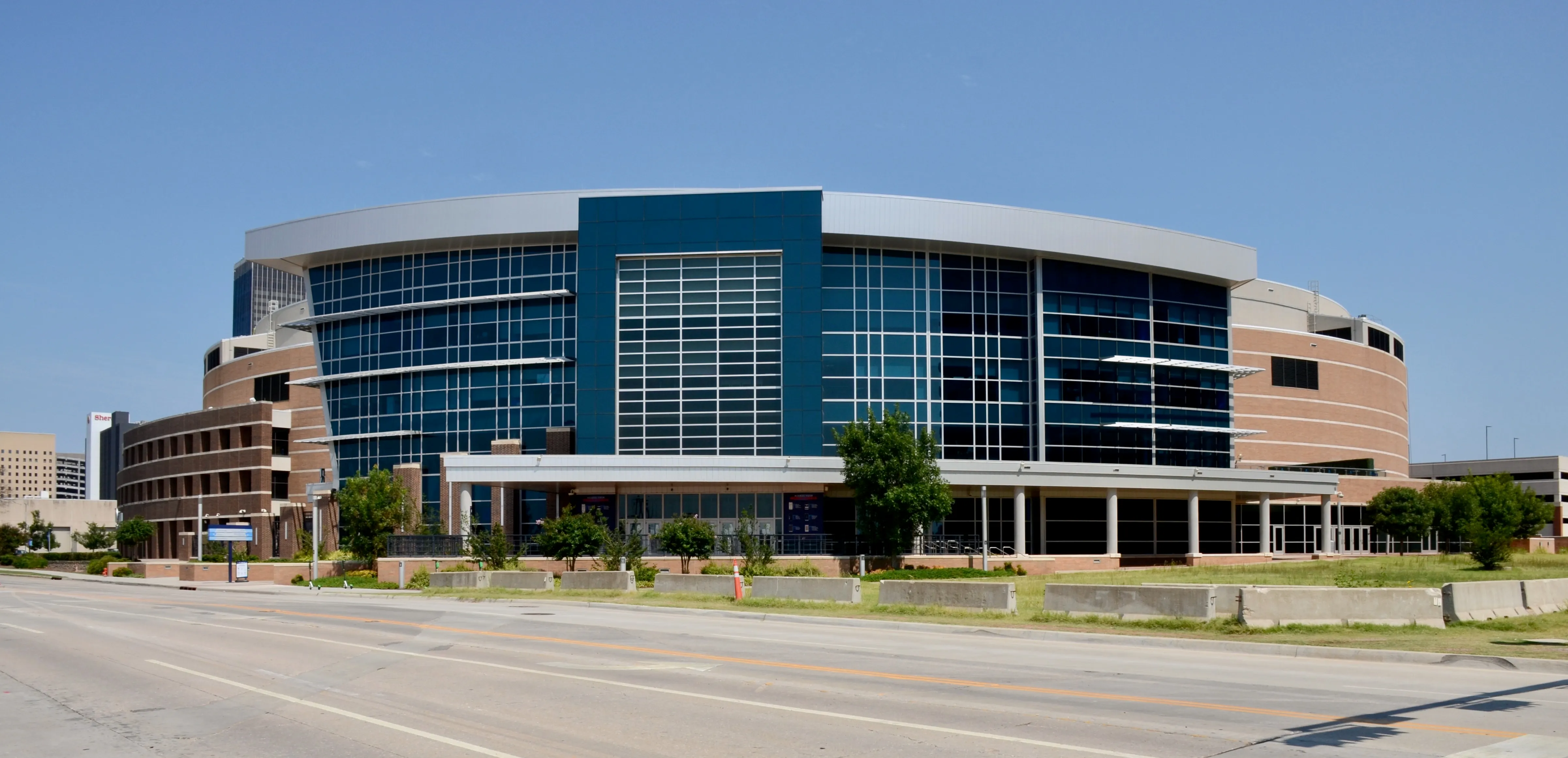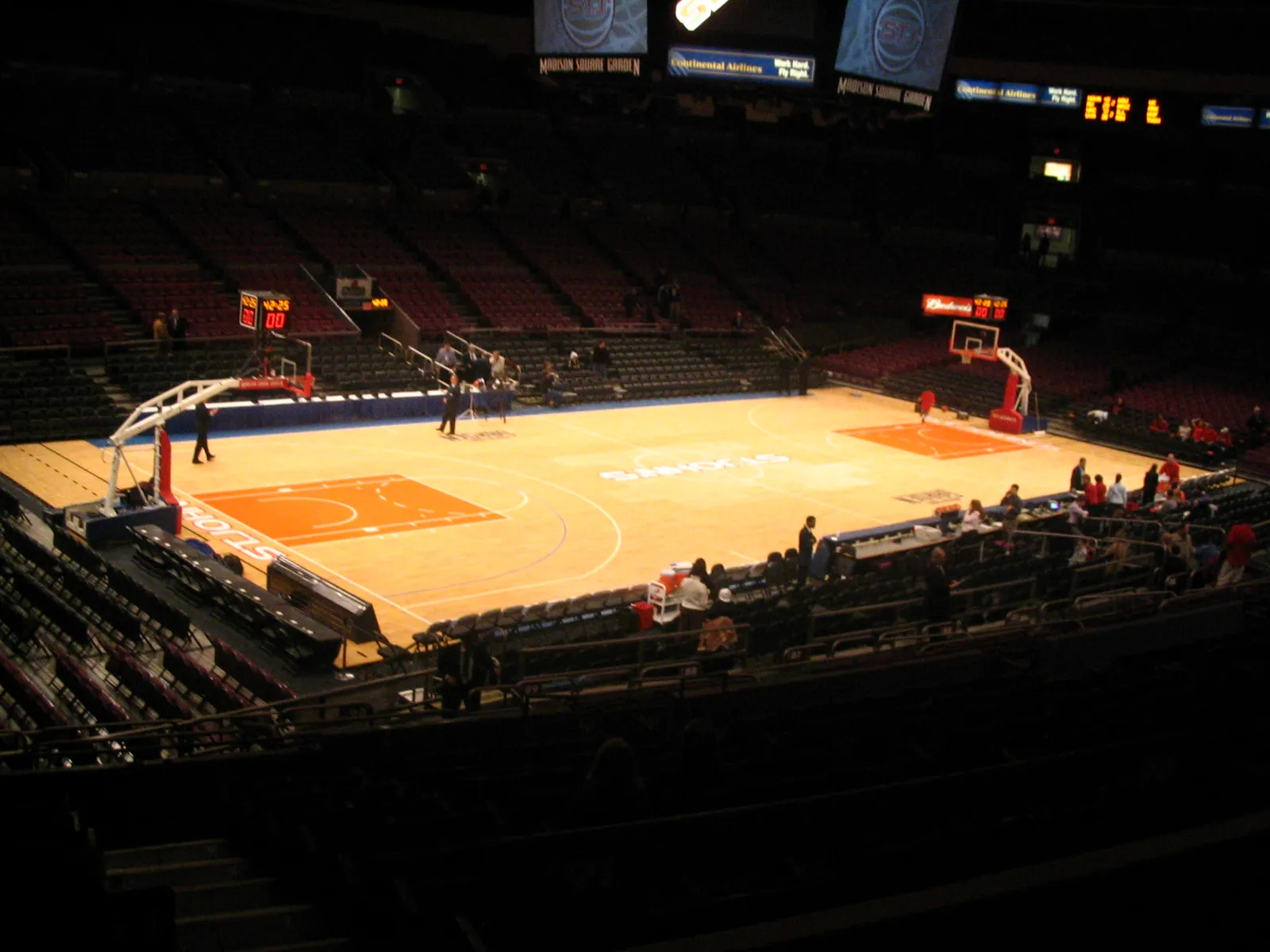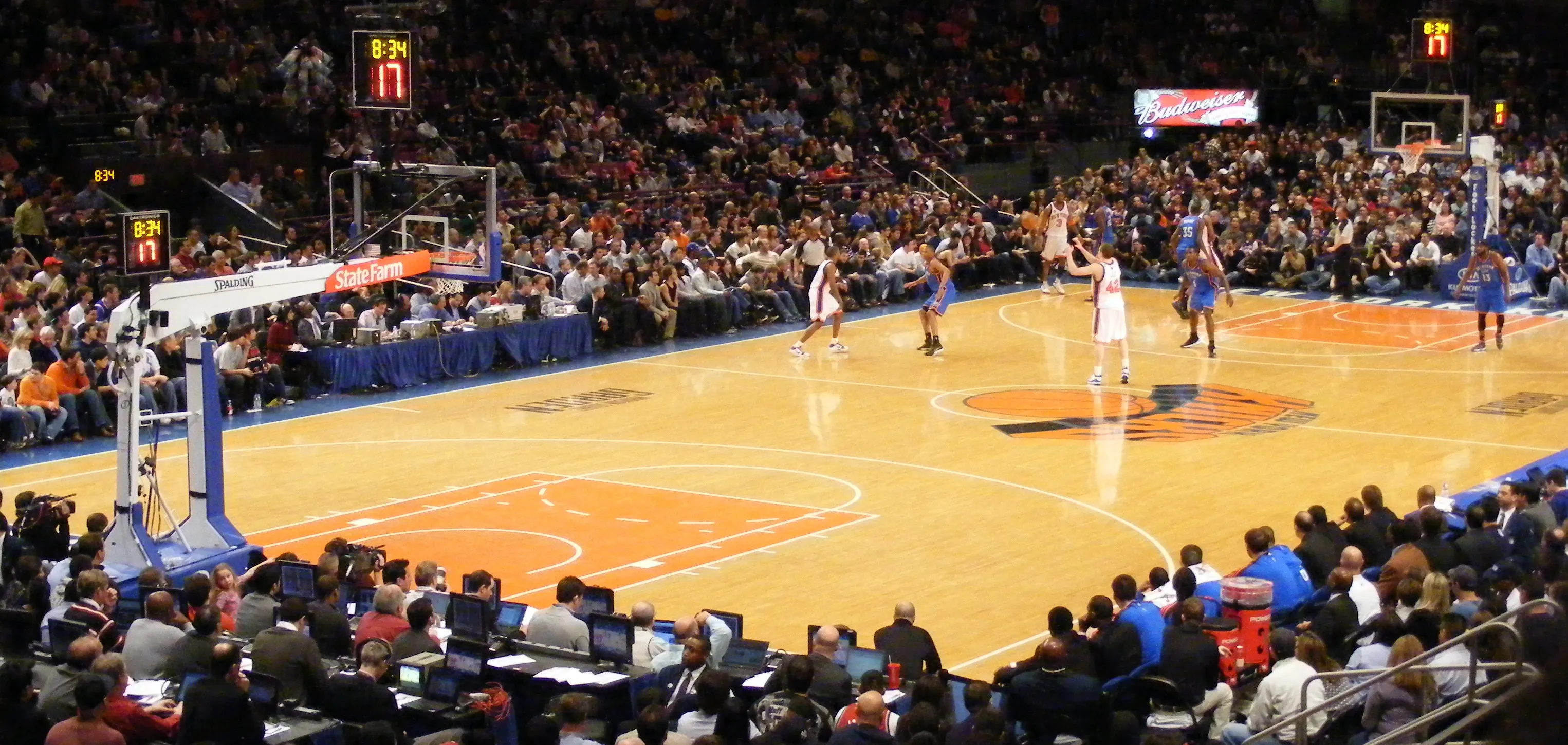
The Oklahoma City Thunder and the New York Knicks will play Game 1 of the NBA Finals on Thursday, June 4, at Paycom Center in Oklahoma City. The Knicks last appeared in the Finals in 1999. The Thunder last appeared in 2012. Between them, these two franchises have accumulated 41 years of combined Finals drought — and one of them ends in the next three weeks.
That’s the setup. The matchup that decides it runs deeper than most. Both teams are built around elite point guards playing at career peaks. Both have legitimate defensive answers to the other’s best player. And both carry a coaching staff and a roster culture shaped specifically around winning the kind of series this will become: physical, deliberate, and ultimately decided by who handles the pressure of the late-clock moments in Games 5, 6, and 7 better than the other.
How Each Team Arrived Here
Oklahoma City is here because Sam Presti had a plan and stuck to it through a decade of building. After trading Kevin Durant to Golden State in 2016, the franchise absorbed the losing seasons, accumulated draft capital at a rate that became a running league storyline, and watched Gilgeous-Alexander develop from a secondary piece into the reigning NBA Most Valuable Player. The 2025-26 regular season ended with OKC at 62-20, the best record in the Western Conference. The postseason required six games to get past San Antonio and Victor Wembanyama, but the Thunder closed out Game 6 with clinical efficiency at Paycom Center — Gilgeous-Alexander with 36, Jalen Williams with 22, and a defense that held Wembanyama to 31 points and nothing else.
New York’s route was less clean and louder. The Knicks survived Philadelphia in the second round — the same 76ers who had completed a historic 3-1 comeback to eliminate the Boston Celtics in Game 7, ending the Celtics’ title defense — and then handled Cleveland in four games in the Eastern Conference Finals. Jalen Brunson averaged 25.5 points and 7.8 assists across the ECF sweep and earned the conference Finals MVP. The only thing the Knicks haven’t faced yet is a defense as deep and intelligent as Oklahoma City’s.
The Matchup That Defines the Series
Both of the NBA’s best point guards are in this Finals, and they will be on the court at the same time.
Gilgeous-Alexander averaged 30.3 points per game in the regular season, led the Thunder in both scoring and assists, and is the clearest reason Oklahoma City went from a very good team to the Western Conference’s best. His game is built on pace manipulation — his first step is explosive enough that defenders routinely over-commit, his length makes him a credible finisher through contact, and his footwork in isolation situations generates high-percentage looks that most players don’t access off the dribble. He has led the playoffs in scoring efficiency at volume among the four semifinal teams.
Brunson is different. Dallas selected him 33rd overall in 2018, and he has spent eight professional seasons building a game around precision rather than athleticism. His pick-and-roll IQ is among the best in the league; he reads coverage rotations faster than most defensive schemes can conceal them. His postseason free-throw rate has been elite, which matters against a switching defense that fouls when it miscommunicates. The Cavaliers could not figure out how to guard him in the ECF. The Thunder are more sophisticated, but the principle is the same: Brunson does not require spectacular athleticism to score 25 points. He requires space and decisions, and he is very good at manufacturing both.
The tactical question for Thibodeau is whether his defense can be shaped around stopping Gilgeous-Alexander without leaving Jalen Williams and the Oklahoma City shooters open. OKC’s offense is designed to punish over-attention to SGA: Williams functions as a co-star ball handler, Chet Holmgren can post or step out to the arc, and the Thunder are excellent at passing to the place the defense just vacated. Whether Thibodeau’s switching schemes close those gaps or create them is the series’ defining adjustment battle.
Supporting Pieces: The KAT–Holmgren Battle
Karl-Anthony Towns against Chet Holmgren is the matchup that receives the least coverage and may matter the most. Both are stretch bigs who can score inside and shoot from twenty feet. Both anchor their team’s half-court offense when the primary ball handler is contained.
For New York, Towns gives the Knicks something they have not had in the Finals since Patrick Ewing: a credible paint presence who can punish double-teams and survive against length. Holmgren is 7’1” and among the league’s best shot-blockers, but his defensive coverage of Towns at the arc is the question Daigneault’s staff has spent weeks preparing. If Towns can drag Holmgren away from the basket consistently, the Knicks’ driving lanes open significantly.
OG Anunoby is New York’s most likely primary assignment on Gilgeous-Alexander. He is long enough (6’8”) to contest without fouling, disciplined in Thibodeau’s system, and has the lateral quickness to stay with SGA in space. How long Thibodeau can lean on Anunoby before fatigue or foul trouble forces the matchup onto a weaker defender will be a storyline in every close game. For Oklahoma City, Williams will likely guard Brunson — a secondary scorer defending the opponent’s best player is unusual, but Williams has the size and read-and-react ability to manage it.
Two Coaching Philosophies, One Trophy
Mark Daigneault is 38 years old and has never coached a Finals game. Tom Thibodeau is 68 and has been an NBA assistant or head coach since 1997. The experience gap is real: Thibodeau has been in Finals preparation as part of title runs with San Antonio and Chicago; he knows what the atmosphere does to rosters that have never been there.
The counter is that Oklahoma City is not a normal young team. The franchise spent eight years building a specific culture around handling pressure; the Thunder’s poise in close games this postseason reflected something coached into the program, not just talent. Daigneault’s teams do not panic when shots stop falling. They switch coverages, slow the pace, and trust that Gilgeous-Alexander will find the right play. That composure has been tested across a full postseason. It has held each time.
Thibodeau brings a defensive system that is genuinely hard to crack at its best — physical, principle-based, and difficult to adjust to mid-series. The Cavaliers never found an answer. Whether the Thunder do will depend on whether OKC’s pace advantage survives Thibodeau’s effort to make every possession a half-court battle.
How Each Team Wins
Oklahoma City wins if Gilgeous-Alexander is the best player on the court in four or more games. That is not a cliche. The Thunder’s offense is structured so that SGA’s individual performance is the most reliable single variable — when he is at 30 points and 6 assists on efficient shooting, Oklahoma City wins. When the Knicks force him into contested pull-up midrange attempts and cut off his driving lanes, the margins tighten considerably.
New York wins if Thibodeau’s defense runs at its ceiling. The Knicks do not need to outscore Oklahoma City. They need to slow the game to the point where Brunson’s methodical half-court execution is competitive with OKC’s pace offense. The Cavaliers scored 95 points per game across the ECF sweep — a historically low number for a conference Finals team — and Thibodeau’s system was the reason. If that defense holds against a better Oklahoma City offense, New York’s offense is good enough to win the series game by game.
What Comes Next
The schedule for the 2026 NBA Finals, all games on ABC:
- Game 1: Thursday, June 4 — Paycom Center, Oklahoma City (8:30 PM ET)
- Game 2: Sunday, June 7 — Paycom Center, Oklahoma City (8:00 PM ET)
- Game 3: Wednesday, June 10 — Madison Square Garden, New York (8:30 PM ET)
- Game 4: Friday, June 12 — Madison Square Garden, New York (8:30 PM ET)
- Game 5 (if needed): Monday, June 15 — Paycom Center
- Game 6 (if needed): Thursday, June 18 — Madison Square Garden
- Game 7 (if needed): Sunday, June 21 — Paycom Center
The Thunder enter as road favorites in most early lines — the result of Gilgeous-Alexander’s MVP season and a regular-season record that was the best in the Western Conference. The Knicks have the home court split that comes with the East seeding, which means Games 3 and 4 will be played at a Madison Square Garden that has not seen Finals basketball in 27 years. When that building is full in June, it is the loudest arena in professional basketball. Whether it matters more than Oklahoma City’s system is the question that the next three weeks will answer.
Sources 5 cited · 4 primary
- 2026 NBA Finals: Thunder vs. Knicks schedule, TV information, series outlook
- Thunder defeat Spurs in Game 6, advance to NBA Finals for first time since 2012
- OKC Thunder vs. San Antonio Spurs 2026 Western Conference Finals: Series Recap
- Knicks advance to NBA Finals for first time since 1999 after sweeping Cavaliers
- Shai Gilgeous-Alexander wins 2025-26 NBA MVP: 'This is what we built for'
American Courant cites its sources and links to primary documents where they exist. How we report →